REVIEW · HO CHI MINH CITY
Immersive Cooking Class & BenThanh Market Tour By Local Chef
Book on GetYourGuide →Operated by Provincial Table Compay Limited · Bookable on GetYourGuide
If your schedule needs flavor fast, this fits. You get a Ben Thanh market walk plus a hands-on class at private cook stations. I like that you learn the why (ingredients and technique), not just what to cook. One thing to consider: you don’t go back to a hotel drop-off, and the market start means you’ll want to be on time in the heat.
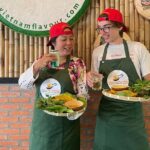
The chefs running this are the main event. People mention hosts like Sarah, Anne, Bi, Anna, Dung, and Khoa, and the common thread is step-by-step teaching with lots of personality. You’ll also leave with an elegant Vietnamese cookbook with 25+ recipes, which is a big reason this feels like value for money even before you count the meal.
In This Review
- Key takeaways
- Why This Ben Thanh Market + Cooking Class Is Such a Smart Combo
- Meeting at Cua Tay (Gate 5): How to Keep the Start Stress-Free
- Cho Ben Thanh Wet Market: What You Learn Beyond the Photos
- The Cooking Facility and Private Station Setup
- Four Courses, Real Technique: What You’ll Cook and Eat
- The Chef Factor: Why the Teaching Style Matters
- The Cookbook You Take Home (And Actually Use)
- Price and Value: Is $31 Worth It?
- Who Should Book This Class in Saigon (And Who Might Skip It)
- Practical Tips So You Don’t Waste Time
- Should You Book This Ben Thanh Cooking Class?
- FAQ
- How long is the experience?
- Where do we meet at Ben Thanh Market?
- Is transportation included?
- What’s included in the price?
- Are vegetarian options available?
- What languages are used during the tour?
- Is it suitable for children?
- What beverages are included or not included?
Key takeaways
Private cook stations mean you’re cooking, not watching.
Cho Ben Thanh (Saigon) wet market tour gives you real sourcing lessons.
Four courses turn the class into an actual sit-down meal.
Vegetarian options are available if you request them ahead of time.
A cookbook (25+ recipes) helps you recreate dishes after the trip.
Why This Ben Thanh Market + Cooking Class Is Such a Smart Combo
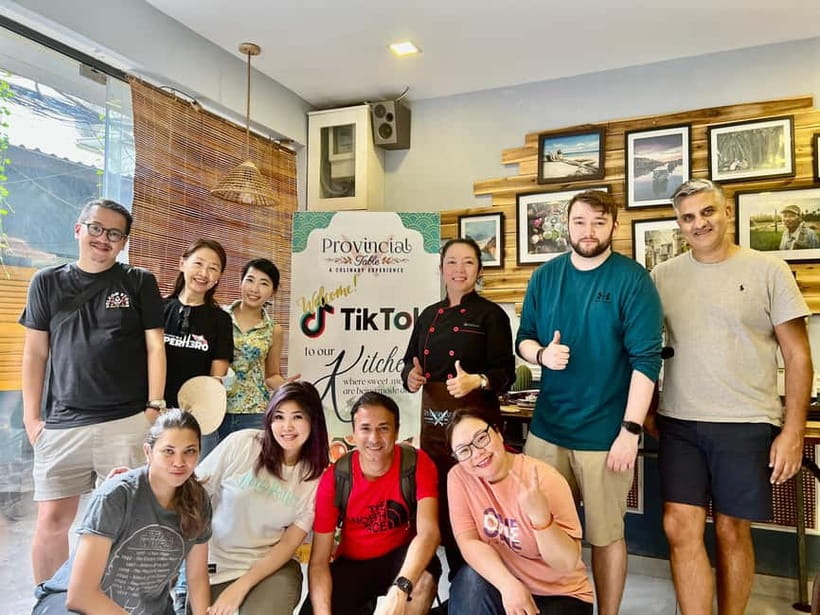
Cooking classes work best when food isn’t treated like a mystery. This one starts where the ingredients live: Cho Ben Thanh, the famous wet market people pass through for day-to-day shopping. That alone changes how the class lands. You’re not just chopping herbs and hoping for the best. You learn what to look for, what to smell, and what makes a dish Vietnamese in the first place.
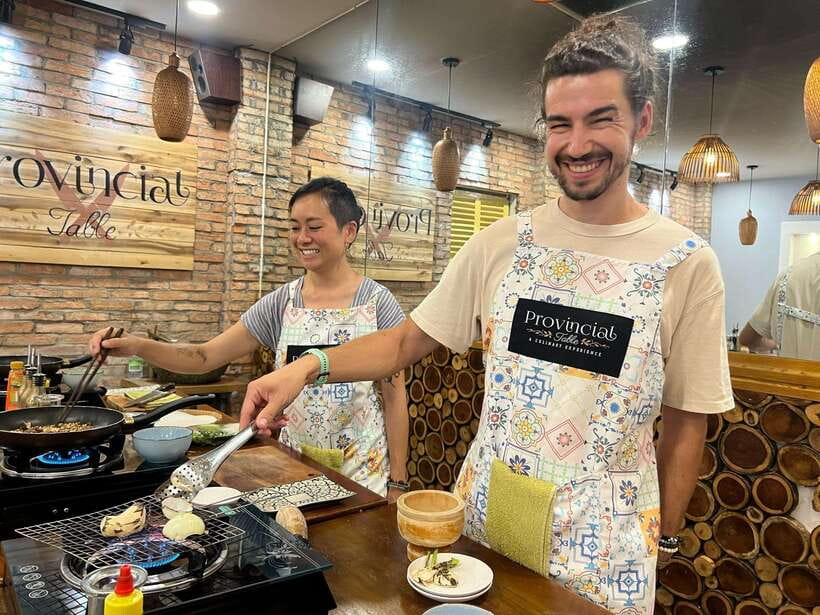
Then you shift to a kitchen designed for doing. Every person gets their own station and the ingredients are already prepared for you. In practice, that means less waiting around and more time getting the technique right—especially when you’re learning sauces, rolling, timing, and how to balance flavors.
My other favorite part is that the chef-led lesson feels like a conversation. Several guides are described as funny and patient, and you can tell they’re used to mixing skill levels. If you’re nervous in the kitchen, you still get a path forward. If you cook at home, you still pick up the “small” adjustments that make a dish taste right.
You can also read our reviews of more tours and experiences in Ho Chi Minh City.

Meeting at Cua Tay (Gate 5): How to Keep the Start Stress-Free
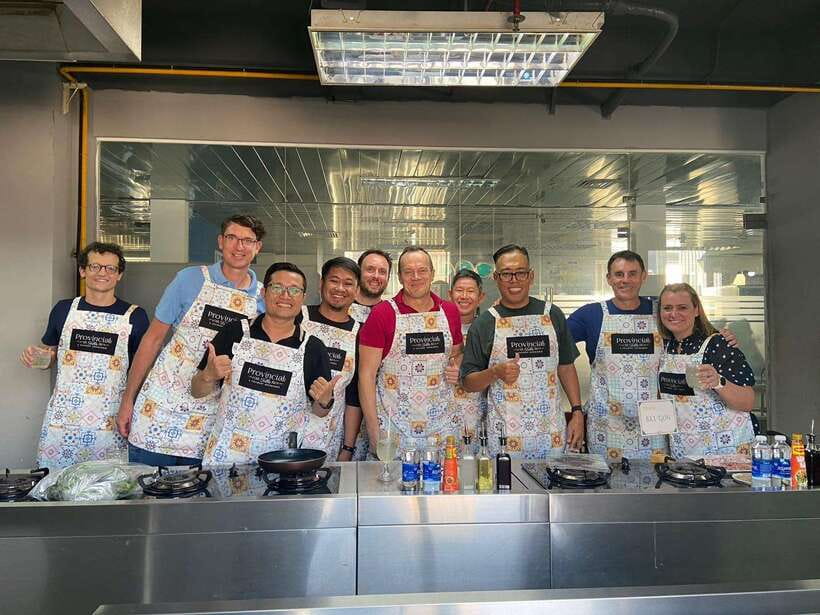
This experience begins at Cua Tay (West Gate, Gate 5) of Ben Thanh Market. Your guide is there to meet you and get you moving promptly, so I suggest arriving a few minutes early with water in hand. One helpful detail: you’ll want to plan time for the market portion, especially if the weather is hot.
After the wet market tour, you’re taken to the cooking facility. The day is set up so you do not return to an original hotel departure point. The activity ends back at the meeting point, so think of it as a loop centered on Ben Thanh rather than a hotel-to-home-and-back style tour.
If you hate rushing, schedule this earlier in the day when you’re fresher. Even with a well-run plan, the market is still an active public space.
Cho Ben Thanh Wet Market: What You Learn Beyond the Photos
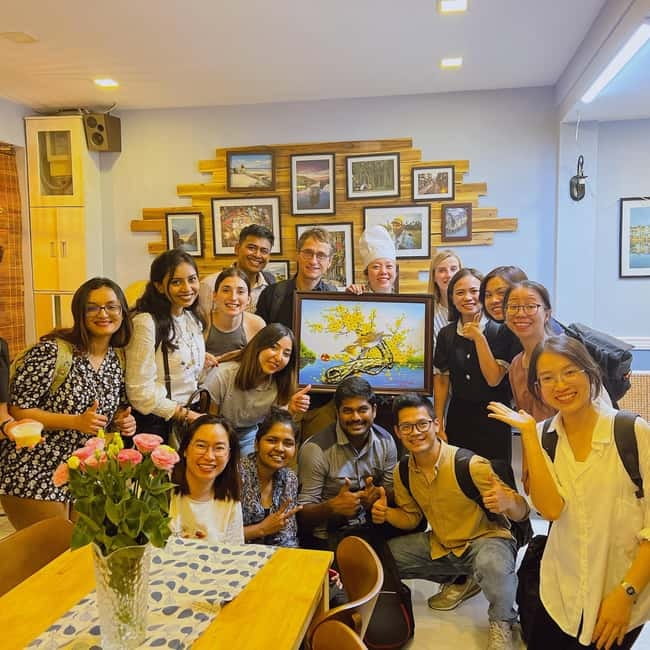
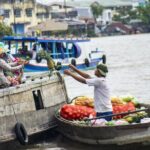
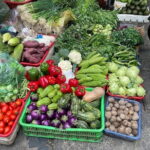
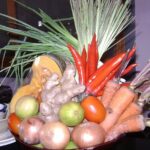
This is more than a walk for pictures. The wet market segment is there to show you how locals procure ingredients daily. You’ll learn what to buy and how to choose it—especially meats, vegetables, herbs, and fish or seafood.
What I like about this approach is that it makes later cooking easier. When you know the difference between similar-looking herbs, or you understand why one cut or texture matters, you stop treating the recipe like a checklist. You start cooking like a person who knows the goal.
You also get exposure to the market rhythm. Expect to move through stalls and narrow pathways with a guide who explains what you’re seeing. People describe the tour as interactive, and that’s exactly how it should feel: you’re not standing there while someone talks. You’re asking questions, noticing ingredients, and connecting them to what you’ll cook later.
A small practical note: wear breathable shoes. Even if the time is controlled, you’ll be on your feet in a market environment.
The Cooking Facility and Private Station Setup
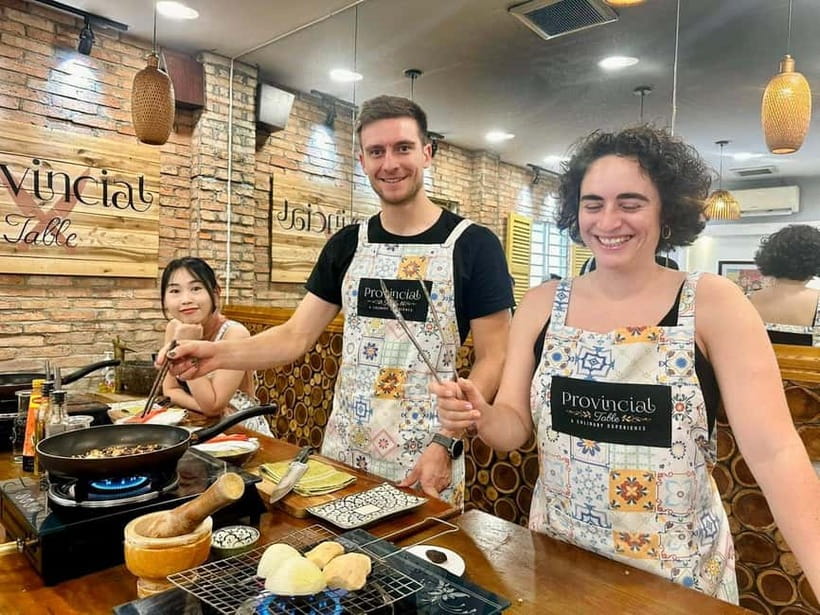
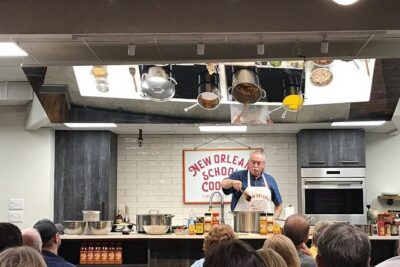
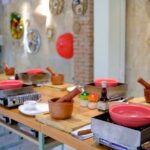
Once you’re transported from the market area to the kitchen, the shift is immediate. The teaching space is set up for hands-on cooking, and the setup is clean and organized. People also mention an air-conditioned kitchen, which is a genuine comfort upgrade after time in the street heat.
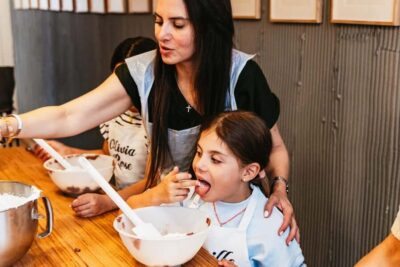
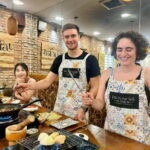
The big value here is the private cook station. You don’t share a counter or wait for someone to finish prepping your dish. Your station includes what you need, and the chef leads you through the process step by step.
That structure matters. Vietnamese cooking often relies on timing and balance—acid vs. sweetness, salt vs. aroma, texture vs. doneness. If you’re watching from behind glass, it’s easy to miss those cues. With a station in front of you, you can adjust as you go.
If you’re cooking-challenged, this is still a good bet. Many participants describe the recipes as easy-to-prepare but still genuinely tasty. If you’re a confident cook, you’ll still appreciate the “how” behind the flavor.
Four Courses, Real Technique: What You’ll Cook and Eat
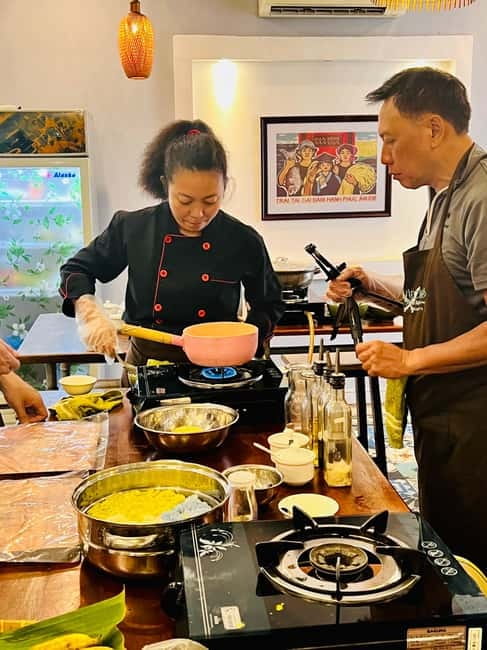
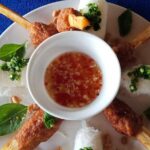
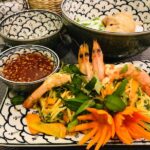
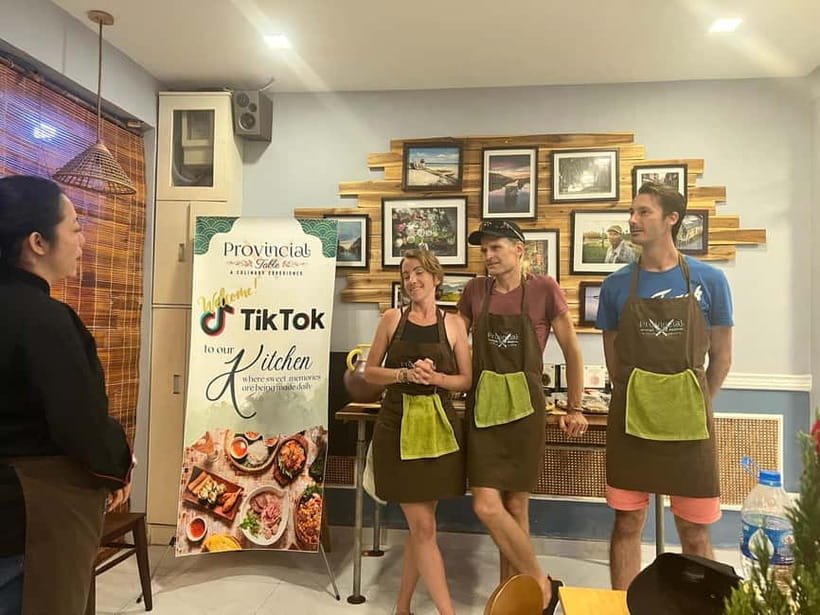
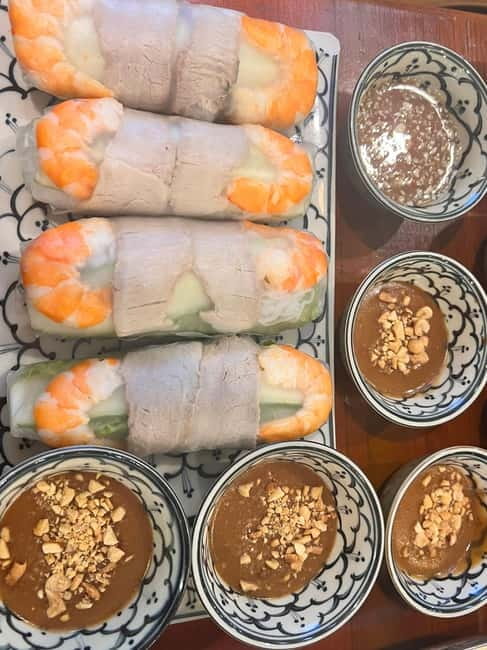
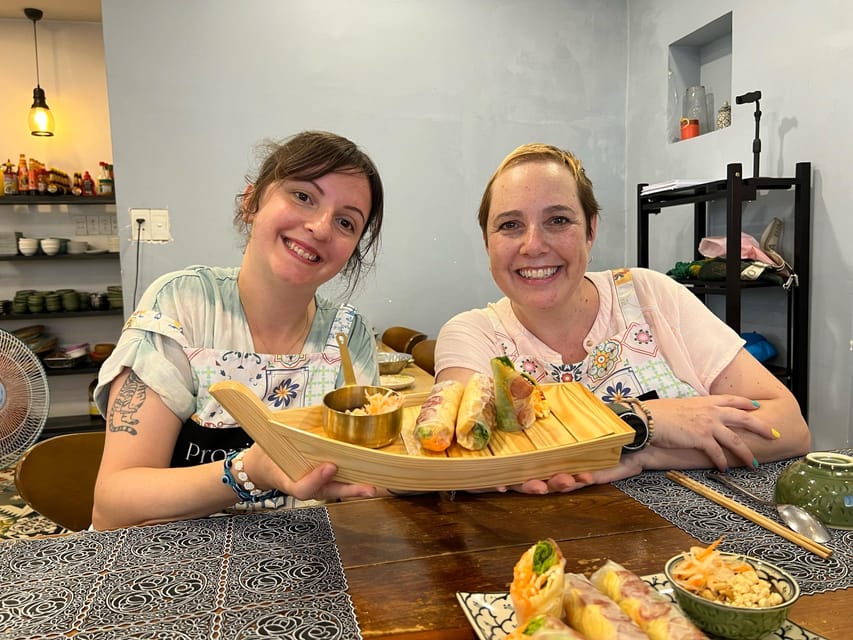
The class is organized around a four-course meal, led by a local head chef. While the exact menu can vary by class, participants mention dishes such as spring rolls, sizzling steak, chicken soup with rice noodles (pho ga), and mango salad. People also describe learning dishes like banh xeo and more.
Here’s how to think about the menu even if you don’t know every dish going in:
- You build core skills: rolling, portioning, stir-frying, and making the right kind of sauce or broth.
- You get guided timing: the kitchen flow is designed so your cooking stays on track.
- You eat what you make: you’ll sit down together to enjoy the meal of your creations.
One of the most consistent themes from participant experiences is that you leave full, often with more than enough food for lunch. That’s important for value. For many people, this is not “a little tasting.” It’s an actual meal built from the skills you practiced.
There’s also a mention of a complimentary cocktail. Alcoholic beverages are listed as included, but beer, Coke, and wine are listed as not included—so don’t count on those exact items being part of what’s poured.

The Chef Factor: Why the Teaching Style Matters
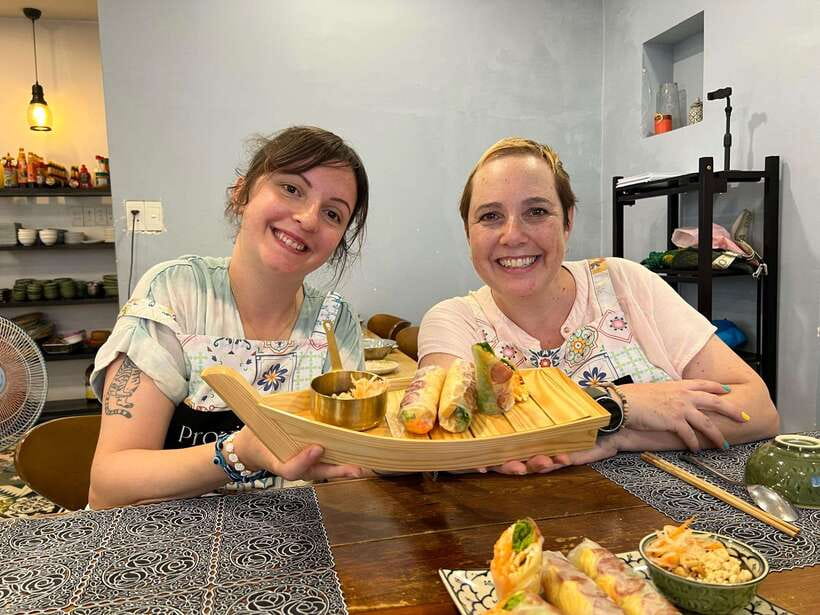
This experience lives or dies on the chef’s ability to teach. In this case, the chefs are repeatedly described as funny, patient, and step-by-step.
What stands out to me is how the chef teaching connects the market to the plate. You see ingredients first. Then you learn techniques that explain why those ingredients work together. For example, understanding how a sauce is built or why one herb is used in a specific role helps you replicate the dish later.
Also, the host/greeter support is explicitly listed as Vietnamese and English. If you’re worried about language barriers, take comfort in the fact that multiple guides are described as working through communication smoothly. You’ll still get the instructions you need at your station.
The Cookbook You Take Home (And Actually Use)
You’ll receive an elegant Vietnamese cookbook with 25+ recipes. That’s not just a souvenir. It’s the practical part that turns the class from a one-time activity into a skill you can repeat.
From what people describe, the cookbook is heavily photo-based and includes detailed cooking instructions. One participant mentioned a version with 37 dishes in photos, which suggests the final booklet may vary a bit depending on printing or edition. Either way, the goal is the same: help you recreate the dishes you cooked.
If you cook at home, you’ll probably use it for months. If you don’t cook much, you can still treat it as a reference for ingredient ideas and flavor combinations. In Vietnam, you’ll learn a lot by taste. At home, the cookbook helps translate that taste into steps.
Price and Value: Is $31 Worth It?
At $31 per person for about 4 hours, the value comes from the combo: market tour, chef-led hands-on cooking, transportation from the market tour to the kitchen, a sit-down dinner, alcoholic beverages plus a complimentary cocktail, gratuity included, and a take-home cookbook with 25+ recipes.
Most cooking experiences charge separately for instruction, ingredients, and meals. Here, those pieces are bundled. The private station is also a real cost driver—shared cooking classes often feel slower and less personal, while this format keeps you actively cooking.
So yes, it’s a good deal, but with one honest caveat: you’ll get the most out of it if you show up ready to cook and willing to pay attention. If you want only a food show, you may prefer a different style tour. If you want to learn, practice, and eat, this price starts to feel very reasonable.
Who Should Book This Class in Saigon (And Who Might Skip It)
This fits best if you:
- Want hands-on Vietnamese cooking instead of watching from a distance
- Like structured lessons with a clear “make it, then eat it” payoff
- Enjoy markets and want practical sourcing tips, not just sightseeing
- Want vegetarian flexibility (vegetarian options are available upon request)
Skip it if:
- You hate being outside first for the market portion and would rather stay indoors the entire time
- You’re traveling with very young kids. It’s not suitable for children under 7 years.
It’s also a smart choice for mixed groups. The step-by-step format helps beginners, and the technique explanations help people who cook.
Practical Tips So You Don’t Waste Time
- Arrive ready for the market walk and wear comfortable shoes.
- Come hungry. This is set up as a meal, and you’ll want the energy for tasting and cooking.
- If you want vegetarian food, request it in advance so the kitchen can plan your menu.
- If you drink, note that alcoholic beverages and a complimentary cocktail are included, but beer, Coke, and wine are not listed as included.
- Take your cookbook seriously on day one. Skim it before you go home so the instructions make sense right away.
Should You Book This Ben Thanh Cooking Class?
I’d book it if you want a day that connects sourcing to cooking. The market tour is there for a reason, and the kitchen format is built for real practice. With private stations, a chef-led flow, and a cookbook included, this isn’t just a fun afternoon. It’s a usable experience you can repeat later.
I would hesitate only if you’re extremely short on time, don’t want to deal with market logistics, or you prefer a purely sightseeing itinerary.
If you’re open to cooking and you’re curious about how Vietnamese ingredients become Vietnamese flavor, this is a strong choice.
FAQ
How long is the experience?
The experience is valid for about 4 hours. Starting times vary, so you’ll want to check availability for the exact slot you want.
Where do we meet at Ben Thanh Market?
You meet at Cua Tay (West Gate, Gate 5) of Ben Thanh Market, where the guide will be waiting. The activity ends back at the meeting point.
Is transportation included?
Yes. Transportation is provided from the wet market tour to the kitchen where the cooking class takes place.
What’s included in the price?
The price includes the dinner you make together, private cook stations, the wet market tour, gratuity, a complimentary cocktail, alcoholic beverages, and an elegant Vietnamese cookbook with 25+ recipes. Vegetarian options are available upon request.
Are vegetarian options available?
Yes. Vegetarian options are available if you request them.
What languages are used during the tour?
The host or greeter speaks Vietnamese and English.
Is it suitable for children?
It’s not suitable for children under 7 years.
What beverages are included or not included?
Alcoholic beverages and a complementary cocktail are included. Beer, Coke, and wine are listed as not included.