REVIEW · ROME
Rome: Pizza and Gelato Cooking Class with Wine
Book on GetYourGuide →Operated by Crown Tours · Bookable on GetYourGuide
Wine, pizza, and gelato, in one small kitchen. What makes this class fun is the hands-on pace and the fact you learn like a pizzaiolo, not like a spectator, with an English-speaking chef such as Chef Max. I like the setup too: a tight small-group kitchen where you’re not waiting around for your turn.
You’ll also appreciate the food line-up. I really like that you make pizza plus Rome-style supplì and gelato yourself, then sit down to eat what you cooked, with free-flowing Italian wine and coffee/nonalcoholic drinks. You even get a booklet so you can reproduce the meal later at home.
One consideration before you book: this experience is not recommended for celiac disease and is not suited for gluten intolerance. They also note possible traces of gluten and nuts, and gluten-free options aren’t included.
In This Review
- Key highlights worth your time
- A small Roman kitchen where you actually cook
- Pizza from scratch: dough, sauce, toppings, and real technique
- Supplì: how to get the crunchy Rome street-food bite
- Gelato making: the ingredients balance that changes everything
- The meal moment: wine, snacks, and eating what you made
- What you’ll learn that actually helps you later
- Value: why $112.15 makes sense for this 3-hour format
- Who should book this class (and who should think twice)
- Final call: should you book this Rome pizza, supplì, and gelato class?
- FAQ
- How long is the Rome pizza, supplì, and gelato cooking class?
- What group size is this cooking class?
- Is instruction provided in English?
- Do I make pizza, supplì, and gelato during the class?
- Is wine included, and is it unlimited?
- Is this class suitable for celiac disease or gluten intolerance?
- What else is included besides cooking?
- What are the booking and cancellation options?
Key highlights worth your time
- Pizza from scratch: knead dough, shape it, and learn the logic behind sauce and toppings
- Small-group format (max 12): more hands-on time and clearer coaching
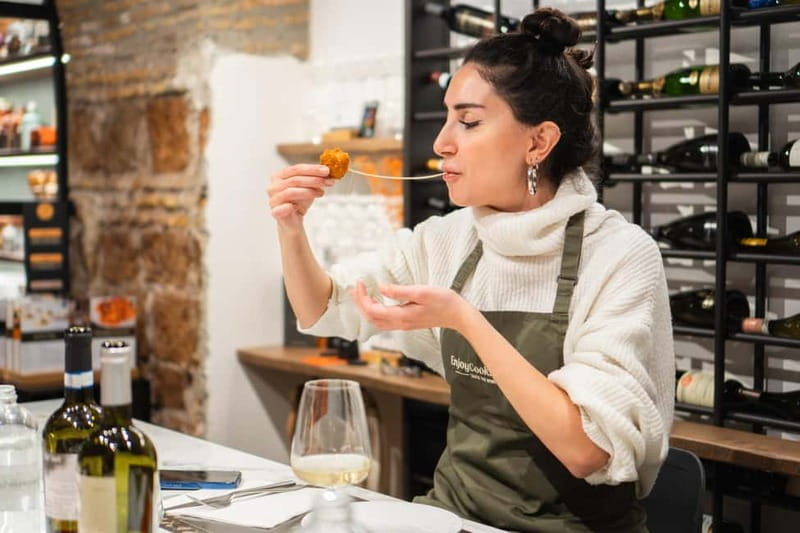
- Supplì mastery: golden crunch on the outside with a gooey mozzarella center
- Gelato technique: better-than-store flavor with the right ingredient balance
- Wine with your work: free-flowing Italian wine during the experience
A small Roman kitchen where you actually cook
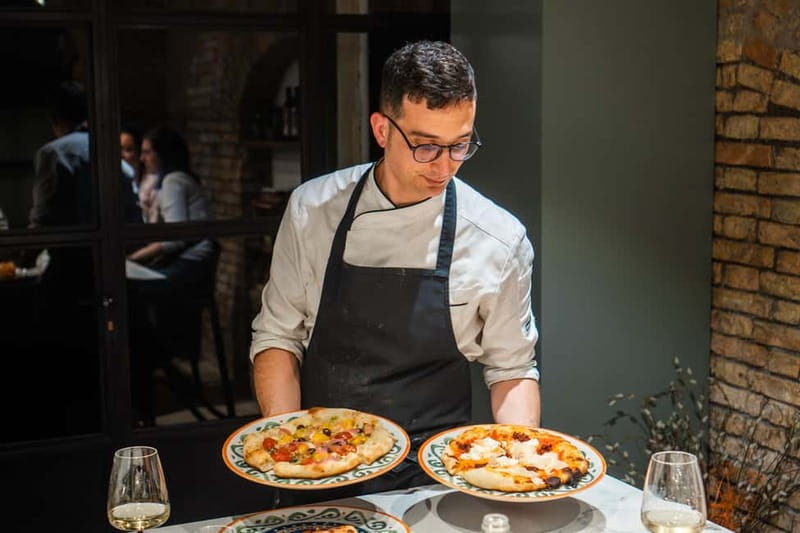
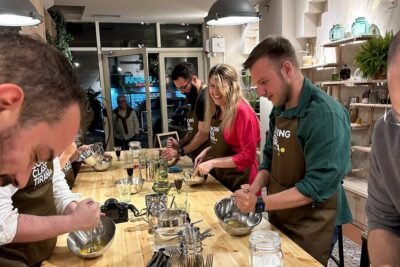
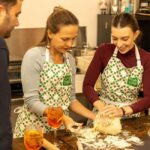
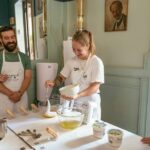
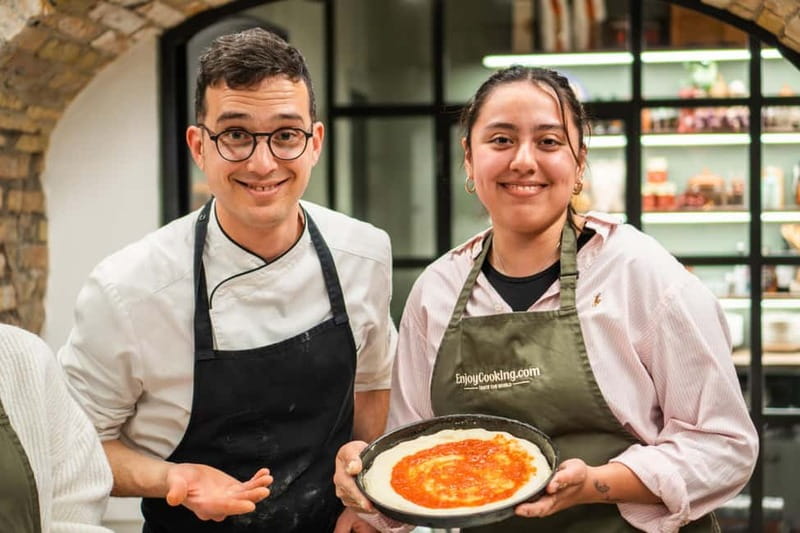
This is the kind of Rome food experience that’s practical, not performative. You spend your time at the counter and at the prep station, with a real chef walking you through each step. In a city where “try the local food” can mean standing in line, this flips the script: you make it.
The small-group size matters more than it sounds. With a max group of 12, the chef can correct your dough handling, show you how to balance a batter or mixture, and keep the pace moving. You’ll still chat and enjoy the vibe, but the focus stays on doing the work.
And yes, there’s wine. Free-flowing Italian wine is part of the experience, plus coffee and nonalcoholic drinks. That combo turns the class into an evening meal, not a rushed workshop.
You can also read our reviews of more tours and experiences in Rome.
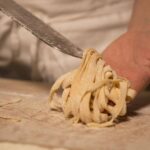
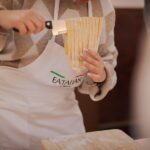
Pizza from scratch: dough, sauce, toppings, and real technique
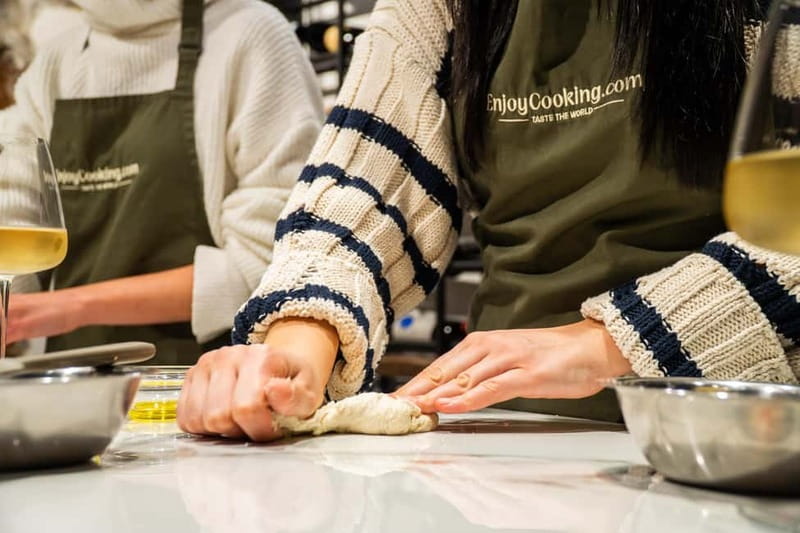
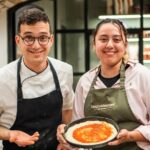
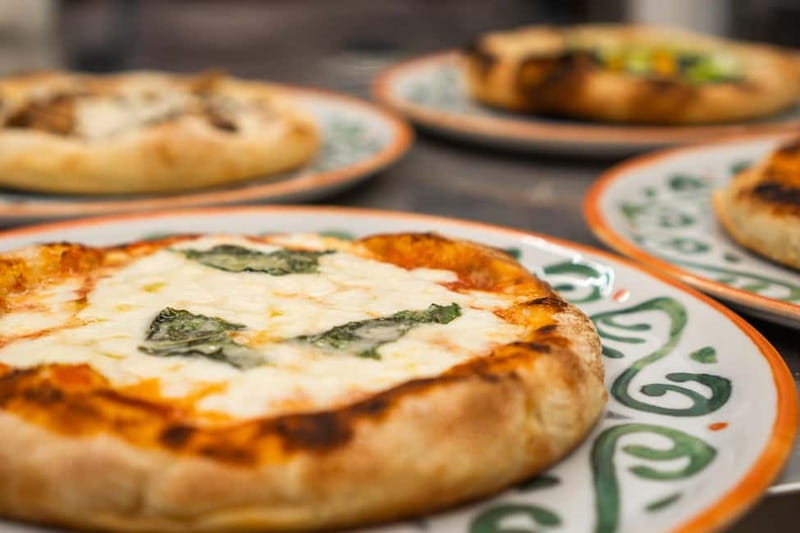
The pizza portion is the headliner. You start from dough and work through the steps that make Roman-style pizza feel lighter and more alive than the sad cafeteria version.
Expect the basics to get hands-on fast: kneading, shaping, and understanding how the dough responds as you work it. You’re not just mixing ingredients—you’re learning the feel of the dough. One detail I really like is that the class treats pizza-making like an actual craft, not a generic recipe.
Then comes the sauce and toppings. You learn how to balance flavors and build a pizza you’d actually want to eat. If you’ve ever ordered pizza in Rome and wondered why yours didn’t taste the same at home, this is where the gap starts to close. It’s the kind of “ohhh, that’s why” lesson that sticks.
Supplì: how to get the crunchy Rome street-food bite
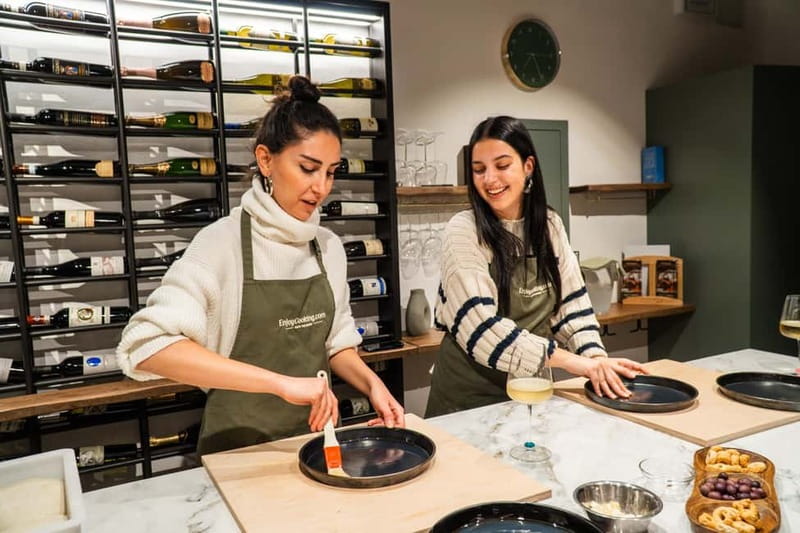
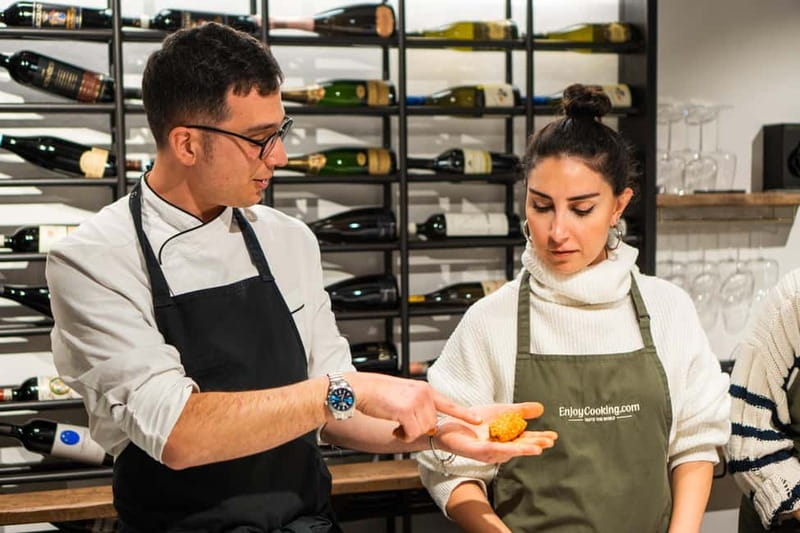
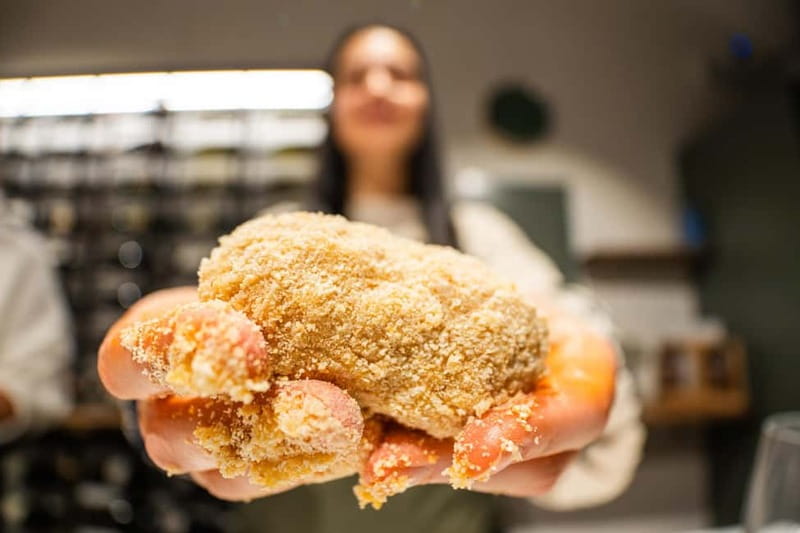
Next up is supplì, Rome’s beloved cheesy rice croquettes. The chef guides you through how the mixture comes together and how you form the shape so you get that signature outside crunch.
The goal is the contrast: golden, crispy exterior with a gooey mozzarella center. That texture is what makes supplì more than just fried snack food. If you’ve had supplì before, you know the best ones have structure—crispy without turning into greasy crumbs.
One of the best parts of this section is how you learn the balance of ingredients and handling. You’re aiming for consistency, not chaos. When you’re finished, you’ll have a better instinct for how rice mixtures behave and why timing and technique matter.
Gelato making: the ingredients balance that changes everything
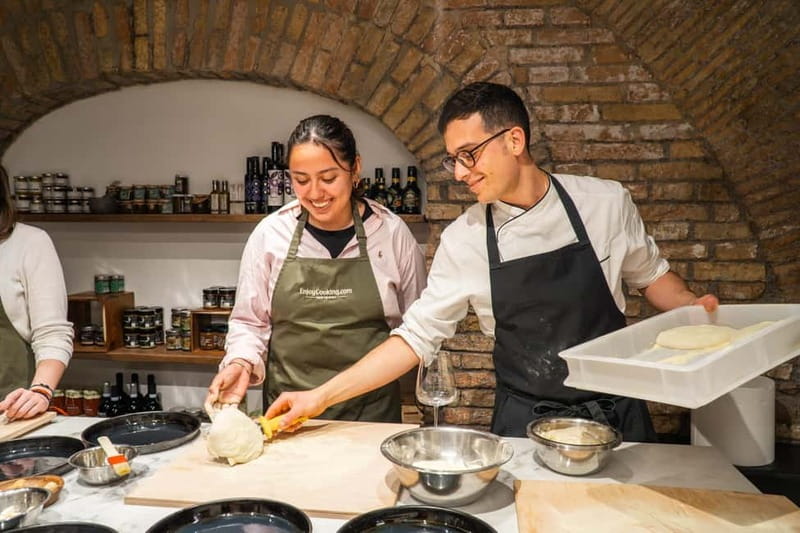
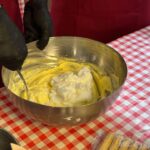
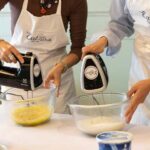
Gelato is the last main course in the prep sequence, and it’s where many people realize Italian ice cream isn’t just “regular ice cream with nicer branding.” You use fresh, seasonal ingredients and learn the technique that keeps gelato creamy instead of icy.
The class focuses on the delicate balance of ingredients and the method behind the texture. That’s important because it’s easy to end up with something that tastes fine at first bite and then feels wrong in the spoon. Here, the chef’s coaching is designed to help you land on a proper gelato feel.
Some groups make multiple gelato flavors—one set of instructions reported making three flavors—so you might get more variety than you expect from a short 3-hour session. Either way, you’ll walk away with a clear sense of how to recreate the outcome.
The meal moment: wine, snacks, and eating what you made
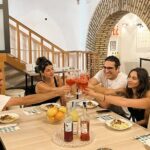
After the hands-on cooking, you gather and eat. This is when the class earns its keep. You’ve worked the dough, shaped the supplì, and made the gelato; now you taste the result while the chef’s guidance is still fresh in your mind.
Included snacks support you during the cooking so you’re not hungry while waiting for your pizza to bake or your gelato to finish its process. You also get coffee and nonalcoholic drinks alongside the wine.
This is also when you’ll notice why people call this one of their favorite Rome activities. Pizza plus wine plus dessert you made yourself hits the sweet spot. The class structure keeps the energy up without turning it into a noisy party. It’s friendly, local, and surprisingly relaxing for something that’s so hands-on.
And location can help here too. Some meeting points are close enough to the Colosseum area that you can catch it lit up when you’re done. Even if you don’t plan the timing, you’re likely to end the evening with a classic Rome payoff nearby.


What you’ll learn that actually helps you later
The recipe booklet is included, and it’s a big part of the value. Anyone can follow a pizza recipe online. What’s harder is learning the logic of texture and timing—how dough should feel, what supplì should be like when fried, and what gelato needs to taste right.
The best teaching style here is practical. Chefs such as Chef Max, Marco, Alessandro, and Jacopo have been reported leading sessions, and the common thread is clear instructions in English and patient coaching. In other words, you don’t have to be a home cook to succeed.
Even if your first attempt at dough back home is a little rough, you’ll have the mental checklist. You’ll know what to adjust and why, instead of just hoping the recipe works.
Value: why $112.15 makes sense for this 3-hour format
At $112.15 per person for about 3 hours, this class can look pricey at first glance—until you price out what’s actually included.
You’re getting:
- pizza masterclass from scratch (ingredients + chef coaching)
- supplì and gelato masterclass (again: ingredients + technique)
- free-flowing Italian wine
- coffee and nonalcoholic drinks
- snacks during the cooking
- an included recipe booklet to take home
Most cooking experiences either focus on the food and charge for access, or focus on entertainment and charge for the vibe. This one bundles both: you pay for skill-building, ingredients, and a sit-down meal outcome. For many people, it’s also a better use of an evening than a second “tourist dinner,” because you’re learning something you can repeat.
Who should book this class (and who should think twice)
This class fits best if you:
- want a hands-on evening activity in Rome, not a passive tasting
- like learning with your hands and tasting your results right away
- want a small-group setting where your chef can actually help you
- enjoy wine with dinner and a relaxed, friendly atmosphere
It may be a poor fit if you have dietary constraints around gluten. The experience is not recommended for people with celiac disease, and it’s not suitable for gluten intolerance. They also warn about traces of gluten and nuts, so you’ll want to be careful if your allergies are severe. Gluten-free options aren’t listed as included.
Final call: should you book this Rome pizza, supplì, and gelato class?
If you want an unforgettable Rome food night where you leave with skills (not just photos), I think this is a strong pick. The format hits the sweet spot: small group, real coaching, pizza/supplì/gelato you make yourself, and free-flowing wine with snacks and coffee.
Just be honest about the gluten issue. If gluten is a problem for you medically, skip this one. If you’re fine with typical Italian ingredients and enjoy a short, structured cooking session, this is exactly the kind of Rome activity that turns dinner into a story you can recreate.
FAQ
How long is the Rome pizza, supplì, and gelato cooking class?
The class duration is 3 hours. Start times vary, so check availability for the schedule.
What group size is this cooking class?
It’s designed as an intimate small-group experience with a maximum of 12 people.
Is instruction provided in English?
Yes. The instructor teaches in English.
Do I make pizza, supplì, and gelato during the class?
Yes. You get a pizza masterclass from scratch, plus supplì and gelato masterclasses.
Is wine included, and is it unlimited?
Wine is included and described as free-flowing Italian wine. Coffee and nonalcoholic drinks are also included.
Is this class suitable for celiac disease or gluten intolerance?
No. It is not recommended for people with celiac disease, and it’s also not suitable for gluten intolerance. There may be traces of gluten and nuts.
What else is included besides cooking?
You’ll have personalized guidance, snacks during cooking, coffee and nonalcoholic drinks, and a booklet of recipes to recreate what you made.
What are the booking and cancellation options?
Free cancellation is available up to 24 hours in advance for a full refund. There’s also a reserve now & pay later option.