REVIEW · MILAN
Milan: Pizza and Tiramisu Cooking Class with Wine Tasting
Book on GetYourGuide →Operated by Chef in Milan · Bookable on GetYourGuide
Make Neapolitan pizza from scratch. In this Milan class, you’ll work step-by-step with dough, sauce-free technique talk, and a tiramisù you assemble and then chill while the oven gets ready. It’s a hands-on, two-hour way to bring Lombardy food culture home, with English instruction and a chef-led pace.
Two things I especially like are the quality of teaching and the full meal payoff. You’ll make both pizza dough and tiramisù from scratch, then eat what you made, and you also get a wine tasting of Italian reds and whites alongside the class.
One consideration: two hours is fast, and you’ll move from cream to dough to baking without a lot of slowdown. If you want ultra-detailed practice time (or you’re very new to dough work), plan to ask questions early and expect a learning curve.
In This Review
- Key Points You’ll Feel Right Away
- What You’re Really Cooking: Neapolitan Pizza and Classic Tiramisu
- The Chef Factor: Why the Teaching Style Matters in a Short Class
- How the 2-Hour Schedule Actually Works (Tiramisu First, Then Pizza)
- The Pizza Workshop: Neapolitan Dough, Handling, and “Pitfalls”
- The Tiramisu Section: Build, Assemble, Chill, Then Taste
- Wine Tasting with Your Meal: Red and White Italian Pairing Time
- What You’ll Actually Take Home (Recipes That Stick)
- Price and Value: Is $73.64 Worth It?
- Meeting Point in Milan: Via Lodovico Settala 1 and Easy Transit Options
- Who This Cooking Class Is Best For
- Small Details That Make the Experience Better
- Should You Book This Milan Pizza and Tiramisu Class?
- FAQ
- How long is the Milan pizza and tiramisu cooking class?
- What dishes will I learn to make?
- Is wine included?
- Is the class taught in English?
- Where do I meet for the class?
- What is the cancellation policy?
Key Points You’ll Feel Right Away
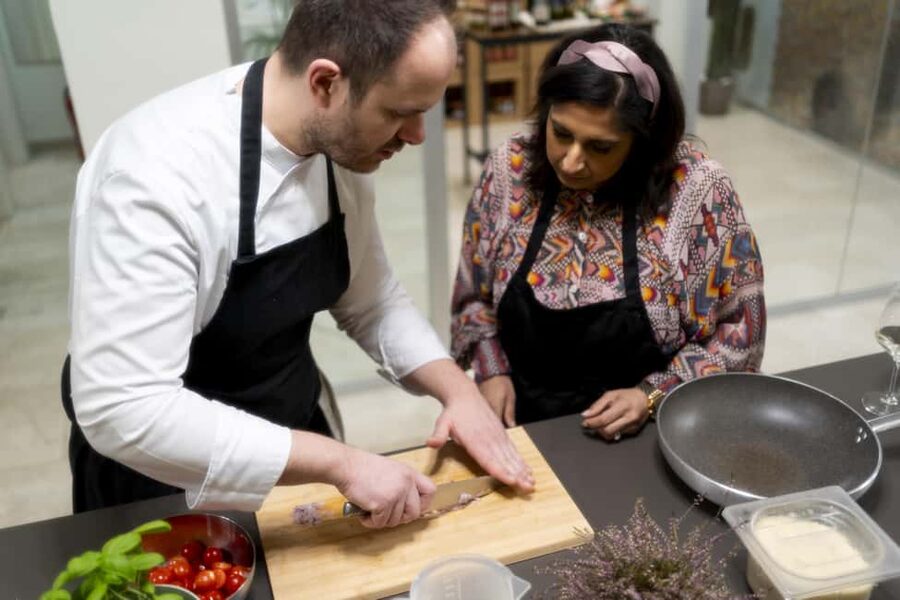
- Neapolitan pizza technique, explained step-by-step with practical tips and common pitfalls to avoid
- Tiramisu assembly first, then chilling time is used to prep dough and make your pizza
- Wine tasting included, with both red and white Italian pours during your meal
- Small group format, with room for personal attention and clear English explanations
- Chef-led instruction from experienced cooks (names like Francesco and Liù come up)
- You take recipes home, so you can repeat the results at home
What You’re Really Cooking: Neapolitan Pizza and Classic Tiramisu
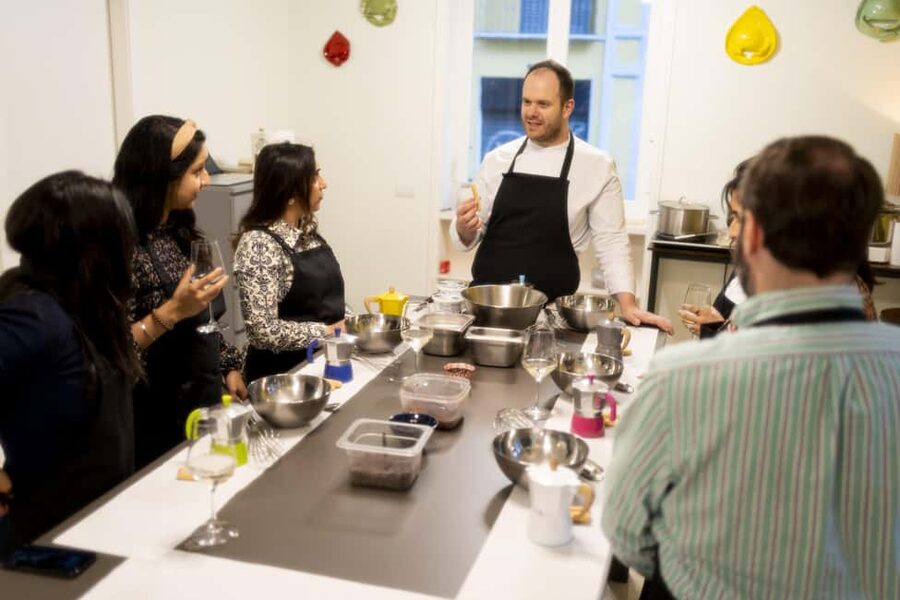
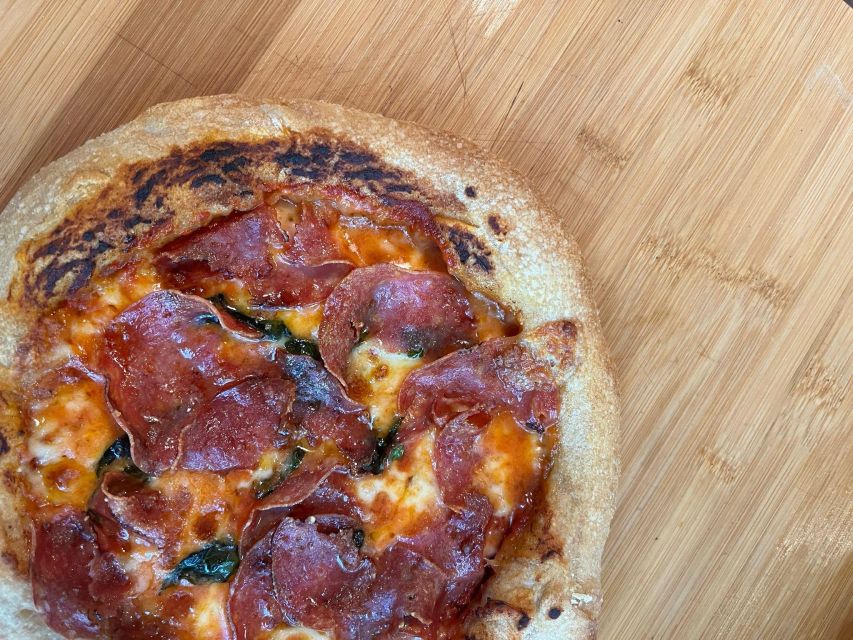
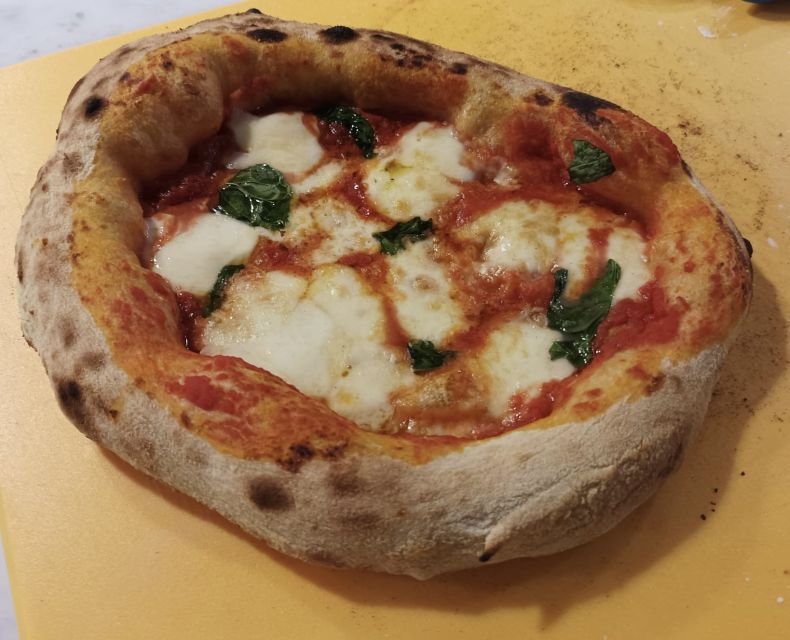
This isn’t a “watch and snack” cooking stop. You’re making two iconic Italian dishes that each have their own rules, timing, and texture goals. The pizza is true Neapolitan style, and the tiramisù is made with an approach that focuses on correct assembly and the way chilling sets the final dessert.
You start with the tiramisù, then the schedule uses that fridge time wisely. While the tiramisù chills, you shift to the pizza workflow: dough first, then forming your pizza, baking, and eating. It’s a clever rhythm that keeps the class moving without wasting time.
If you’ve ever had pizza that looked right but ate wrong, this class targets why. The goal is to help you understand what separates a good pizza from a pizza that actually delivers on chew, stretch, and flavor balance.
You can also read our reviews of more tours and experiences in Milan.

The Chef Factor: Why the Teaching Style Matters in a Short Class
The instructors here have strong credentials, and what you feel in the room is how they teach. In particular, names like Francesco and Liù show up in the way people describe the experience: attentive, clear, and good at answering questions without rushing you.
You’ll also notice a big difference between “dough vibes” and real method. You’re not just told to make dough. You’re taught why steps matter, and you get guidance on small choices that affect texture and how the pizza holds up in the oven.
That’s the value of a professional chef in a short format. You’re not spending years training your hands. You’re getting the reasoning and the practical cues that help you replicate results.
How the 2-Hour Schedule Actually Works (Tiramisu First, Then Pizza)
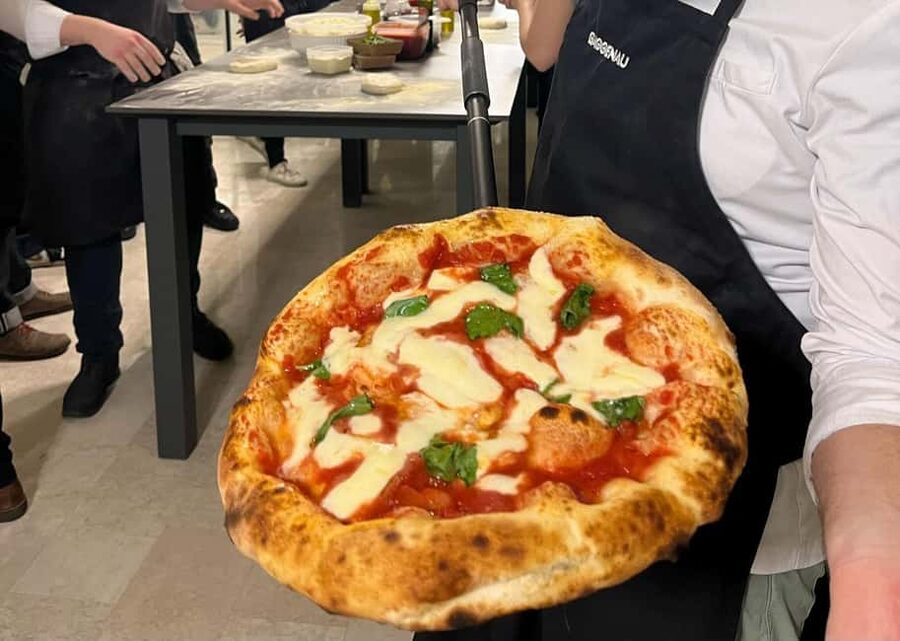
The class flow is structured, and it’s designed so you’re busy the whole time. First up is tiramisù: you make the cream, then assemble it. After that, the tiramisù goes in the fridge to set, and you move into pizza dough.
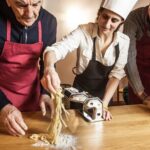
Next you’ll make the pizza dough, and you’ll learn the key handling steps before you form your pies. Once your pizzas are ready, they go into the oven and then you get to enjoy them right away—hot, fresh, and made by you.
Finally, you eat both your pizza and your tiramisù. That matters more than it sounds. Baking and chilling are where food either works or doesn’t, and tasting the final result closes the loop on everything you learned.
The Pizza Workshop: Neapolitan Dough, Handling, and “Pitfalls”
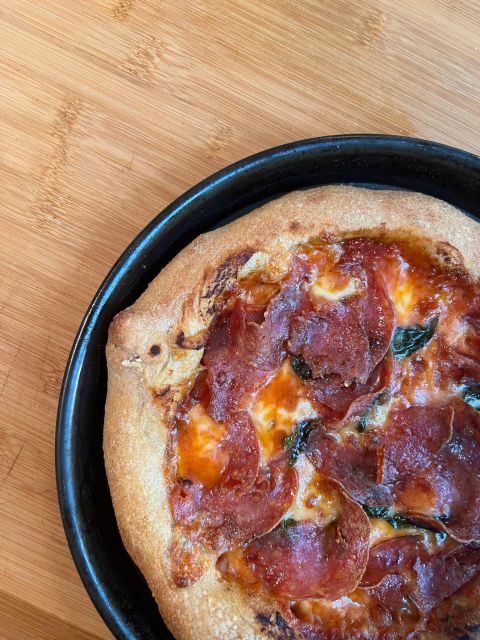
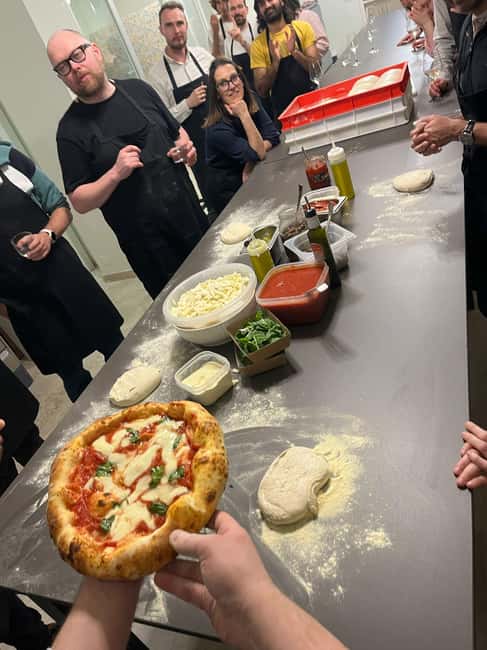
Pizza is where this class earns its reputation. The pizza instruction focuses on making authentic Neapolitan pizza from scratch, and you’re guided through the dough work with specific technique tips. That includes what to do and what to avoid, so you don’t accidentally sabotage your own dough.
One of the most useful parts is learning the difference between aiming for pizza and actually producing it. Dough can look fine but bake into something dense or uneven. In this class, the teaching zeroes in on the texture cues and the step-by-step logic behind them.
You’ll also get hands-on guidance as you form and bake. That’s important because pizza is touch-based cooking. A few small differences in shaping can change the final bite.
The Tiramisu Section: Build, Assemble, Chill, Then Taste
Tiramisu has a timing component, and the class handles it smartly. You begin with the tiramisù cream and then assemble the dessert. While it chills in the fridge, your attention shifts to the pizza dough so your schedule stays efficient.
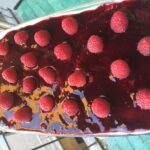
What you get at the end is the satisfaction of waiting for the right moment. The tiramisù sets in the fridge, so you taste it after it’s properly set, not half-finished. That’s how you learn what the dessert is supposed to feel like—creamy, set, and balanced.
This is also a good choice if you like dessert but don’t want a vague “mix ingredients and hope” approach. You’re taught the process, then you taste the result that comes from correct assembly and chilling.

Wine Tasting with Your Meal: Red and White Italian Pairing Time
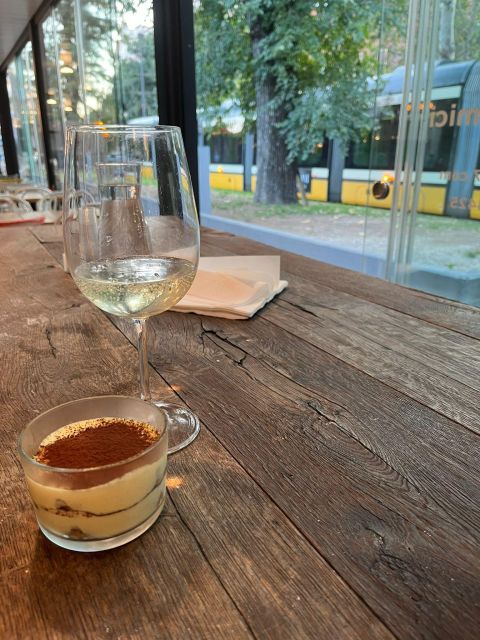
Food classes can be either educational or enjoyable. Here, they do both, and wine plays a role beyond just adding alcohol. You get a wine tasting that includes both Italian red and white wines, served alongside the meal you cooked.
Wine tasting in a class like this helps you treat the food like a complete experience. Your pizza and tiramisù are the center, but the wine adds another layer of flavor and context—how Italians often think about pairing and enjoying meals together.
You’re not sent off with a complicated guidebook. Instead, the tasting happens as part of the evening rhythm, which makes it easy to stay relaxed and focused on both cooking and tasting.
What You’ll Actually Take Home (Recipes That Stick)
A big reason cooking classes work is what happens after. You’ll leave with a recipes booklet, which means you can repeat what you learned instead of trying to remember steps from memory.
Even if you only make pizza or tiramisù once in a while, a printed guide turns your class into a real skill. You’re not just eating a great meal. You’re bringing home a method you can use again.
Some participants also note they received recipe notes afterward, which is helpful when you want to redo the dish and confirm a step. Between the booklet and any follow-up notes, you’ll have something to reference.
Price and Value: Is $73.64 Worth It?
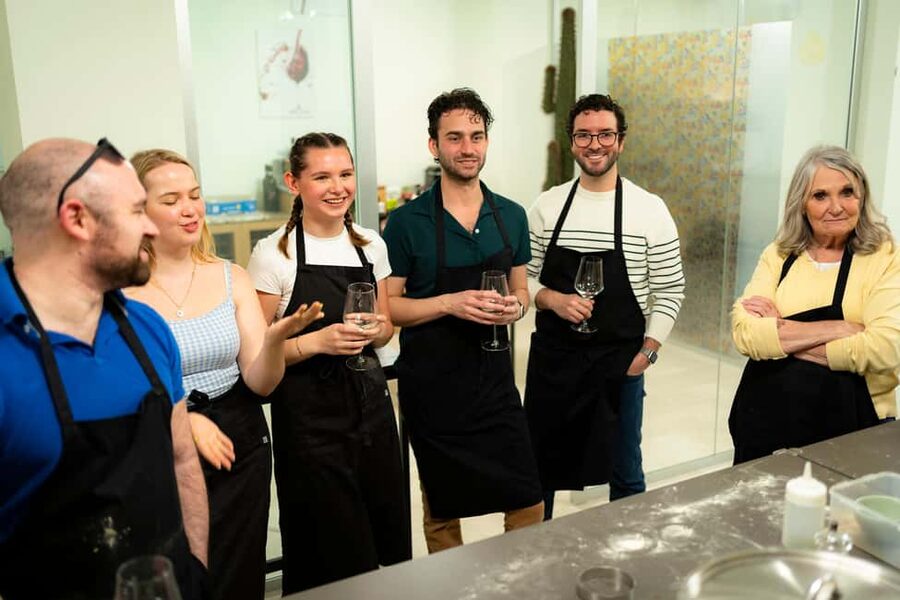
At $73.64 per person, you’re paying for more than “ingredients and fun.” You’re paying for a professional chef teaching small-group instruction, plus dinner (pizza and tiramisù) and a wine tasting with both red and white pours.
In practical terms, you’re getting:
- Two dishes you would normally spend time researching and sourcing for
- Chef-led guidance while you cook, not after you’re done
- A meal that you eat right after it’s made
- Wine tasting as part of the experience
If you’ve ever bought pizza ingredients and tried to replicate restaurant results at home, you know how fast the costs and frustration add up. Here, you’re paying to skip the trial-and-error stage and move straight into technique.
If you’re the type who loves food experiences, but also wants to leave with something tangible (skills plus a booklet), this price can make sense quickly.
Meeting Point in Milan: Via Lodovico Settala 1 and Easy Transit Options
The meeting point is at Via Lodovico Settala n.1, and you ring at number 18. It’s easy to reach by subway, with nearby stops like Porta Venezia or Repubblica.
If you like walking, you can also reach it from Milan Cathedral by foot. It’s about 2 km, roughly 25 minutes, which is a nice option if you’re arriving early and want a calm pre-class stroll.
Since the class is only two hours, plan to arrive with breathing room. Being on time helps you settle in, get your station set, and jump into cooking without stress.
Who This Cooking Class Is Best For
This is a great fit if you:
- Want a hands-on Milan experience that goes beyond sightseeing
- Love pizza and want to understand the technique, not just the toppings
- Enjoy dessert and like the idea of learning tiramisù assembly and chilling
- Prefer a small-group setting where you can ask questions in English
It’s also a good choice for couples or friends who want a shared activity that ends with a meal you made together. Instead of dividing up memories by photos, you leave with a story tied to real cooking.
If you hate structured steps, or you’re expecting a long, leisurely class where you linger over every technique, you might find the pace brisk. But if you like focus and momentum, this format is built for you.
Small Details That Make the Experience Better
The room matters in a cooking class. People describe the space as clean and comfortable, which helps you concentrate on technique. When the kitchen is well-run, you don’t spend your energy fighting chaos.
The teaching style also gets consistent praise. People mention clear explanations, personal attention, and a friendly, welcoming vibe. You’re not just watching instructions—you’re getting help when you need it.
And the best part is the feedback loop. You make it, bake it, taste it, and then understand what to adjust next time. That’s how you turn a one-off meal into a repeatable skill.
Should You Book This Milan Pizza and Tiramisu Class?
I think this is a smart booking if you want a practical food experience with real payoff. You’ll learn Neapolitan pizza technique, assemble a tiramisù you can taste after it sets, and you’ll enjoy wine tasting as part of the same evening.
Book it if you value:
- Chef-led instruction
- Small-group comfort
- Cooking that ends with eating what you made
- Taking a booklet home for later
Skip it if you’re only looking for a quick bite, or if you want a long, slow class with no time pressure. But if you like structured cooking and want to leave Milan with skills, this one fits.
FAQ
How long is the Milan pizza and tiramisu cooking class?
The class lasts about 2 hours.
What dishes will I learn to make?
You’ll make a Neapolitan pizza from scratch and a tiramisù, then eat what you cook.
Is wine included?
Yes. A wine tasting is included, featuring Italian red and white wines.
Is the class taught in English?
Yes, the instructor teaches in English.
Where do I meet for the class?
You meet at Via Lodovico Settala n.1 and ring at number 18. It’s accessible by subway near Porta Venezia or Repubblica.
What is the cancellation policy?
You can cancel up to 24 hours in advance for a full refund. There is also a reserve now & pay later option.