REVIEW · LISBON
Pastel de Nata Cooking Class in a Lisbon Pastry Shop
Book on Viator →Operated by eatwith · Bookable on Viator
Handmade custard tarts start on Lisbon street corners. In Casa dos Ovos Moles, Filipa helps you make Pastel de Nata from scratch, with port wine while the oven does its thing. I love how practical it feels—less watching, more doing.
You’ll learn the dough and filling techniques as Filipa explains the tart’s history while you work. I also like that it’s a small group (max 6), so you can actually ask questions and get real-time fixes.
One heads-up: this is a team workshop, so you won’t feel like you personally execute every single step end-to-end by yourself.
In This Review
- Key points to know before you go
- Casa dos Ovos Moles and what makes this shop-class feel local
- The real work: making Pastel de Nata, step by step (without pretending it’s easy)
- Port wine and ginja liquor: the tasting that anchors the whole class
- Filipa’s teaching style: structured, funny, and very hands-on
- Timing and flow: how a 1.5-hour class fits Lisbon without eating your whole day
- The meeting point near Calçada do Sacramento 25 (and why location helps)
- Price check: why $99.72 can make sense for what you’re getting
- Who this class is best for (and who might want a different style)
- Should you book this Pastel de Nata class?
- FAQ
- What’s included in the Pastel de Nata class?
- How long is the experience?
- What time does the class start?
- Where does it meet?
- Is it offered in English?
- How big is the group?
- Can kids join?
- FAQ
- What if I have allergies or a food restriction?
- What’s the cancellation policy?
- Do I get a ticket on my phone?
- When will I receive confirmation?
- Is the meeting point near transportation?
Key points to know before you go
- Max 6 people means more attention from Filipa and her team
- Portuguese drinks are built in: port wine and ginja liquor, plus coffee/tea/water
- Hands-on Pastel de Nata skills: puff pastry handling and custard filling from scratch
- You get the story while you cook so the tart feels like a real part of Lisbon, not just dessert
- Ends where you start, back at Calçada do Sacramento 25, with easy nearby sightseeing
Casa dos Ovos Moles and what makes this shop-class feel local
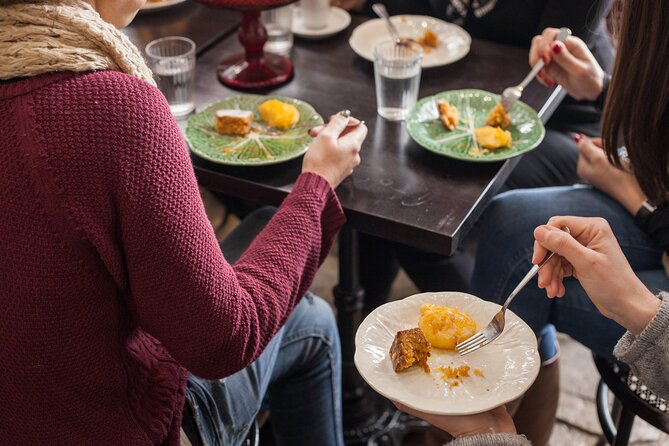
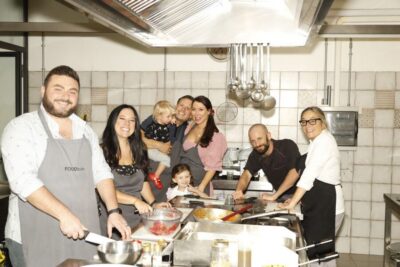
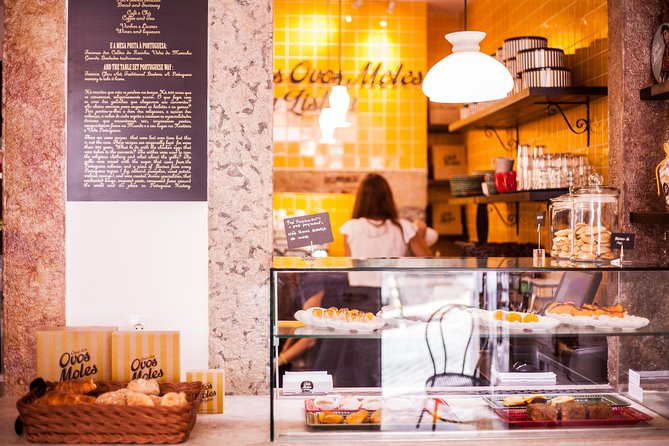
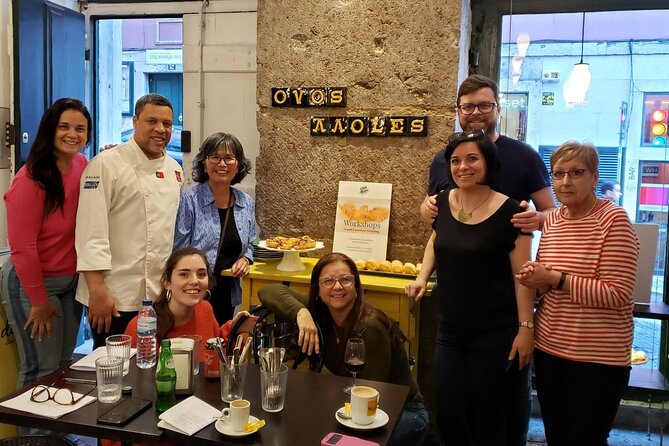
This class takes place inside a real Lisbon pastry shop: Casa dos Ovos Moles. You’re not in a big anonymous kitchen or a rented classroom. The shop setting matters. It makes the whole experience feel like you’re stepping into someone’s working world, not doing a scripted show.
The instructor leading the session is Filipa. Based on the way people describe her teaching, she runs the class with warmth and structure. You’ll get guided steps, plus quick corrections when your dough or technique needs adjusting. There’s also mention of a helper (one review specifically names Beatrix), which likely explains why the group stays hands-on without chaos.
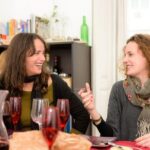
The group size is capped at 6 travelers. For you, that’s the difference between asking a question and hoping someone hears you. It also means you get to chat with others more easily, which is a big part of why food classes can feel like an evening out, not a chore.
And yes, it’s family friendly for kids 12 and older. If you’re traveling with teens who actually like cooking, this is a better fit than many “just watch” food tours.
You can also read our reviews of more tours and experiences in Lisbon.
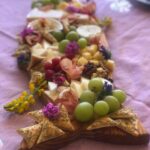
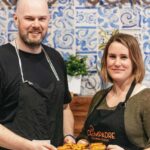
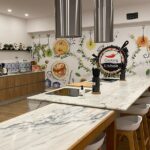
The real work: making Pastel de Nata, step by step (without pretending it’s easy)
Pastel de Nata is famous for a reason, but it’s also a little infamous for being tricky. The dough has to be handled correctly, and the filling needs the right consistency and placement. What I like about this class is that it doesn’t treat it like magic. It treats it like craft.
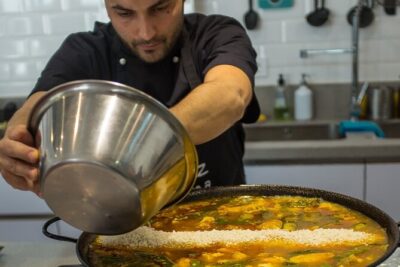
You learn to make the components from scratch, including the puff pastry element and the custard filling. One thing you’ll quickly understand: the difficult part is often not the recipe on paper. It’s the hands-on technique—moving and stretching dough without ruining its structure.
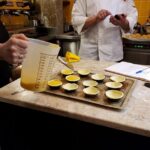
This is where the small group pays off. Filipa helps you work through technique choices in real time. Reviews mention her showing how to handle the dough so it doesn’t break, and also correcting mistakes without making people feel bad about it. That matters if you’re not a confident baker. You’ll still get challenged, but you won’t feel lost.
One more important detail: even though you’re working hands-on, it’s a team exercise. You’ll each do specific parts, then come together at the end. You won’t necessarily do every single action alone from start to finish. For some people, that’s the best kind of class. You learn more variety of technique, and you learn by watching the right things in the right order.
Port wine and ginja liquor: the tasting that anchors the whole class
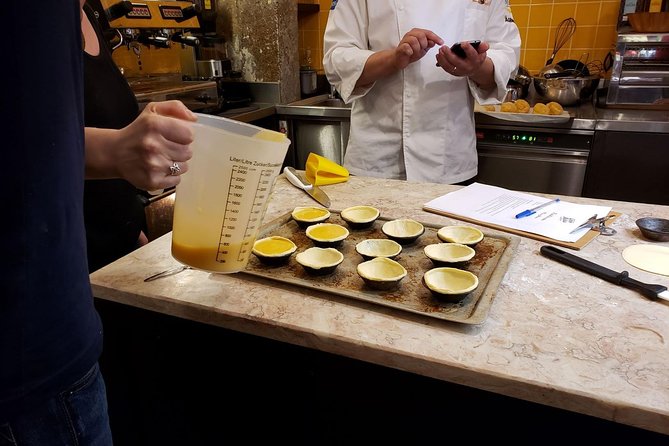
This is not just a baking session with a cookie at the end. Your starter includes Pastel de Nata served with Porto wine and ginja liquor. That tasting moment is smart. It gives you a reference point early, so the baking work you do later connects to something real you can taste and compare.
The ginja liquor is a uniquely Portuguese flavor. It has that tart-cherry character that often shows up in Lisbon treats, so seeing it paired with the tart isn’t random. It helps you understand the dessert as part of a wider local food culture, not just as a standalone item.
After the main cooking portion, the class wraps with more included drinks: wine, aperitif, coffee, tea, and water. I like that mix because it covers different moods. If you want something strong (wine), you’ve got it. If you’d rather go gentler (tea or coffee), you can. And since the class is about craft, not partying, having these options keeps it comfortable.
Filipa’s teaching style: structured, funny, and very hands-on
A lot of cooking classes say hands-on. This one appears to be the real deal. People consistently describe Filipa as patient and interactive. You’re not just standing around waiting for someone else to do the work.
Here’s what you should expect from the teaching style:
- Clear, detailed instruction as you handle dough and assemble parts
- Corrections during the process, not after it’s too late
- Encouragement if you mess up something small
- A friendly, humorous vibe, so you’re learning without feeling stiff
If you’re worried you’ll be the clumsiest person in the group, don’t. The class seems designed for mixed skill levels. Reviews highlight that even people with little or no baking experience felt welcome and guided. That is exactly what you want in a pastry class, because Pastel de Nata is unforgiving if you rush.
Also, the class includes learning about the history of the tarts while you cook. That’s valuable because it gives your brain a reason to pay attention beyond flavor. When you understand where a dish came from and why it matters locally, you notice technique more. It’s harder to zone out when someone’s connecting your hands-on steps to Lisbon’s food story.
Timing and flow: how a 1.5-hour class fits Lisbon without eating your whole day
The session runs about 1 hour 30 minutes and starts at 3:00 pm. That timing is ideal for a few reasons.
First, you’re not trapped in the middle of the morning crowds. Second, it’s late enough that you can do sightseeing earlier—then shift gears into something calmer and more delicious.
In a practical sense, it also works well because it’s a contained plan. The activity ends back at the meeting point (Calçada do Sacramento 25). That means you’re not scrambling afterward to find your next stop. You can walk from there to nearby sights while the tart lesson is still fresh in your mind.
The meeting point near Calçada do Sacramento 25 (and why location helps)
Meet at Calçada do Sacramento 25, 1200-393 Lisboa, Portugal. The shop is near public transportation, which is a big deal in Lisbon. You’ll likely have easy options for getting there and leaving without a long hike.
One review notes that the location is right by a castle area, so it pairs nicely with quick sightseeing. Even if you don’t plan a full tour, you can often do a short walk and get some good views before or after the class. The timing makes that easy, because you’re not locked into a late-night schedule.
Also, because the class ends where you start, you avoid the “now what?” problem that can happen with food experiences that drop you across town.
Price check: why $99.72 can make sense for what you’re getting
Let’s talk money honestly. $99.72 per person is not cheap for pastry class territory. So the question is: what are you buying?
You’re paying for:
- A small group format (max 6), which usually costs more than large classes
- Instruction from the shop’s lead instructor (Filipa)
- Ingredients and equipment needed to make dough and filling from scratch
- Included tastings and drinks, including port wine and ginja liquor, plus coffee/tea/water and additional drinks
If you compare this to buying pastel de nata from a bakery, the difference is that you’re not paying only for the product. You’re paying for technique—learning why the tart works, and learning the hands-on steps that most people never see. Reviews also mention getting excellent results that people preferred to other tarts they tried in Lisbon, and that they felt able to recreate the process later.
Is it pricey? Yes. But for many people, it seems priced like a premium, instruction-heavy workshop. If you value learning a craft and you want something memorable besides just eating, the price is easier to justify.
Who this class is best for (and who might want a different style)
This experience is a strong match if:
- You want to learn Pastel de Nata from scratch, not just decorate or assemble
- You like the idea of a small group with direct help
- You enjoy Portuguese flavors and want port wine and ginja liquor included
- You’re traveling with teens 12+ who can handle hands-on cooking
It might be less ideal if:
- You want a fully solo baking experience where you do every step alone
- You only want to taste and skip instruction
The team approach doesn’t mean you’re not learning. It means you’re learning in a realistic way—like a busy kitchen, with everyone taking their turn.
Should you book this Pastel de Nata class?
If you like practical travel experiences where you learn a real skill, I think you’ll enjoy this one. Filipa’s teaching style, the max 6 group size, and the fact that you make components from scratch are the big reasons this works. Add in the port wine, ginja liquor, and the end tastings, and you get a full story—cook, learn, taste, repeat.
Book it if you’re the type who likes going home with something you can actually do. You’ll leave understanding why Pastel de Nata isn’t just a pastry—it’s a craft.
FAQ
What’s included in the Pastel de Nata class?
You’ll make Pastel de Nata from scratch and enjoy tastings. The sample includes Pastel de Nata with Porto wine and Ginja liquor, plus wine, aperitif, coffee, tea, and water.
How long is the experience?
It lasts about 1 hour 30 minutes.
What time does the class start?
The start time is listed as 3:00 pm.
Where does it meet?
The meeting point is Calçada do Sacramento 25, 1200-393 Lisboa, Portugal. The activity ends back at the meeting point.
Is it offered in English?
Yes, the experience is offered in English.
How big is the group?
The maximum group size is 6 travelers.
Can kids join?
Kids are welcome, and the experience is suitable for children aged 12 years and older.
FAQ
What if I have allergies or a food restriction?
You need to communicate any food restrictions (allergy, special diet, etc.) when booking.
What’s the cancellation policy?
You can cancel for a full refund up to 24 hours in advance of the experience’s start time. If you cancel less than 24 hours before, the amount paid is not refunded.
Do I get a ticket on my phone?
The experience includes a mobile ticket.
When will I receive confirmation?
Confirmation is received at the time of booking.
Is the meeting point near transportation?
It’s listed as near public transportation.