REVIEW · KYOTO
Kyoto: Cooking class, learning how to make authentic sushi
Book on GetYourGuide →Operated by 梅守寿司学校 · Bookable on GetYourGuide
Sushi starts with rice. In this Kyoto class, you learn the shari (vinegar rice) technique, then shape and top your own pieces in a friendly, structured setting. What makes it more fun than a basic demo is the cultural layer: you wear traditional happi clothing and get a taste of the Japanese spirit of the craft while you work.
Two things I like a lot are how hands-on it is (you leave with sushi you made), and how welcoming it feels for beginners because the ingredients are already cut. One drawback to consider: the class is only 90 minutes, so the content can feel a bit “focused on technique” rather than a long menu of complex fish cuts.
In This Review
- Key Highlights You’ll Actually Care About
- Finding the Right Spot Near Takeda Station
- What Happens in 90 Minutes: From Shari to Your Plate
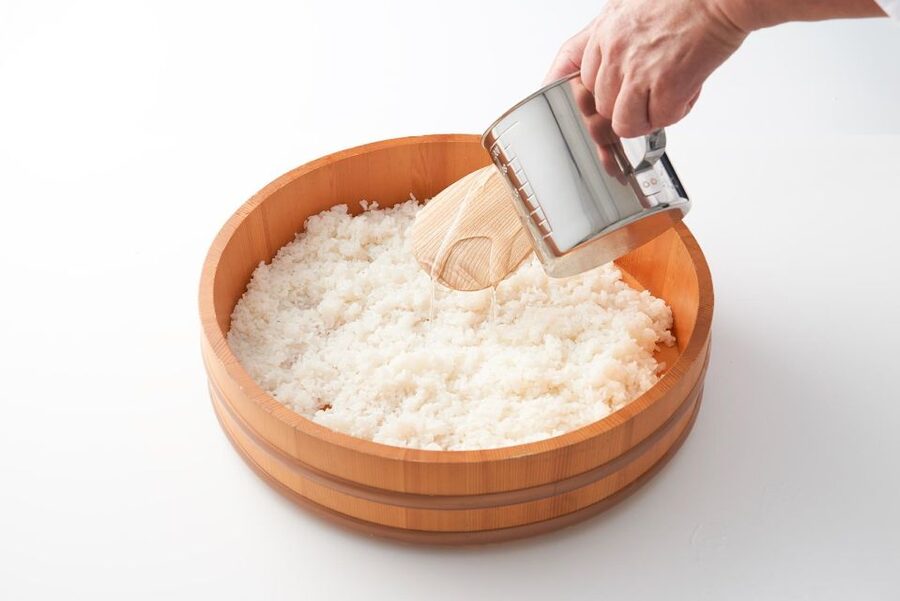
- 1) Learning shari (sushi rice), including the mixing trick
- 2) Toppings and ingredient setup (beginner-friendly)
- 3) Shaping and building your sushi
- 4) Eat what you make
- The Cultural Twist: Happi Clothing and Japanese Spirits
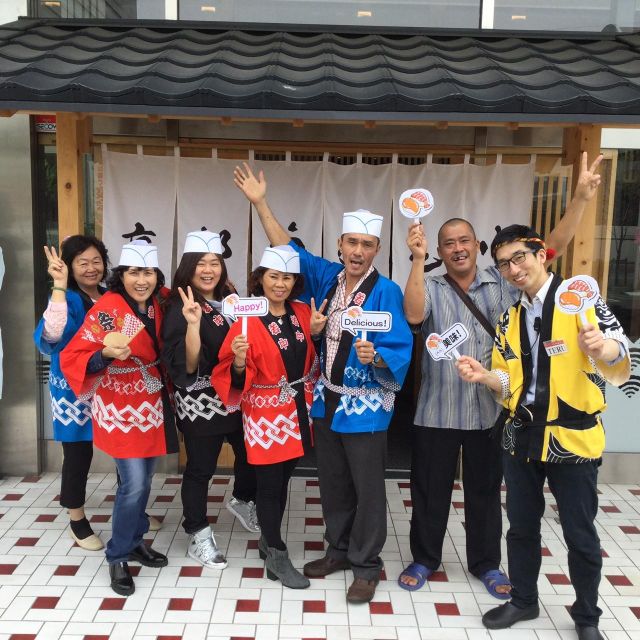
- Wear traditional happi
- Experience “Japanese spirits” while you cook
- Special Ingredients and Seasonal Toppings: What Might You Get?
- Vegetarian, Vegan, and Muslim-Friendly Choices (Plus Allergy Options)
- What’s Included (and What You Should Plan For)
- Instructor and Classroom Style: English Support and a Welcoming Pace
- Price and Value: Is $113 Worth It?
- Logistics That Matter on the Day
- Who Should Book This Sushi Class in Kyoto?
- Should You Book It?
- FAQ
- How long is the Kyoto sushi cooking class?
- How many pieces of sushi do I make and eat?
- Is there a vegetarian, vegan, or Muslim-friendly menu?
- Can you accommodate allergies or dietary restrictions?
- Do I need to worry about weather?
- Is the location wheelchair accessible?
Key Highlights You’ll Actually Care About
- Shari technique first: You learn how to season sushi rice, including the mixing trick.
- Real hands-on sushi: You make about 8 pieces to eat at the end.
- Happi outfits included: Pick rental clothing and step into the vibe of a sushi school.
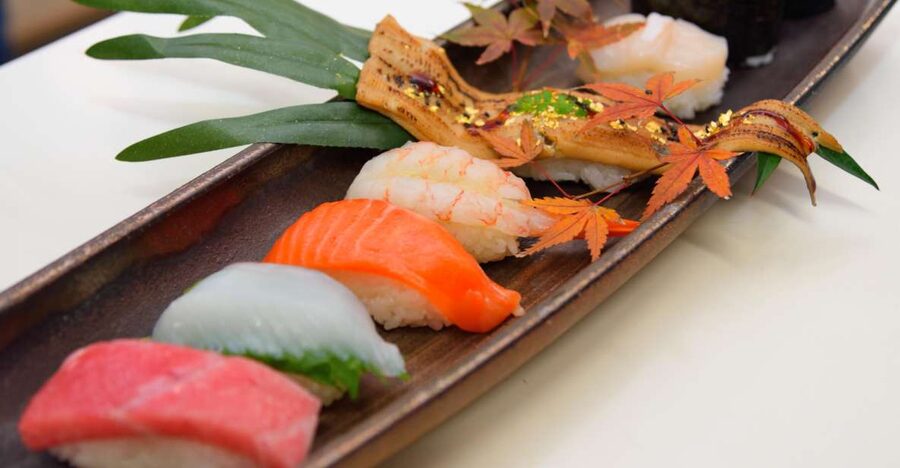
- Seasonal toppings: You might use special items like extra-fatty tuna or sweet red shrimp, depending on season.
- Diet-friendly options: Vegetarian, vegan, and Muslim-friendly menus are offered (plus allergy options).
- Wrap-up ceremony: You get a completion certificate and souvenir photos.
Finding the Right Spot Near Takeda Station
The biggest practical win here is location. You meet near Takeda Station (west entrance), then take a city bus to the stop in front of Puls Plaza. From there, you walk down the street, turn right at the first corner, and you’ll spot the school on your right.
Why this matters: Kyoto can be full of small lanes and confusing signage. This meeting setup is clear enough that you’re not stuck wandering with wet shoes and a hungry stomach. Also, the building is close to public transportation, which makes a 90-minute class easier to slot into a day of sightseeing.
You can also read our reviews of more tours and experiences in Kyoto.



What Happens in 90 Minutes: From Shari to Your Plate
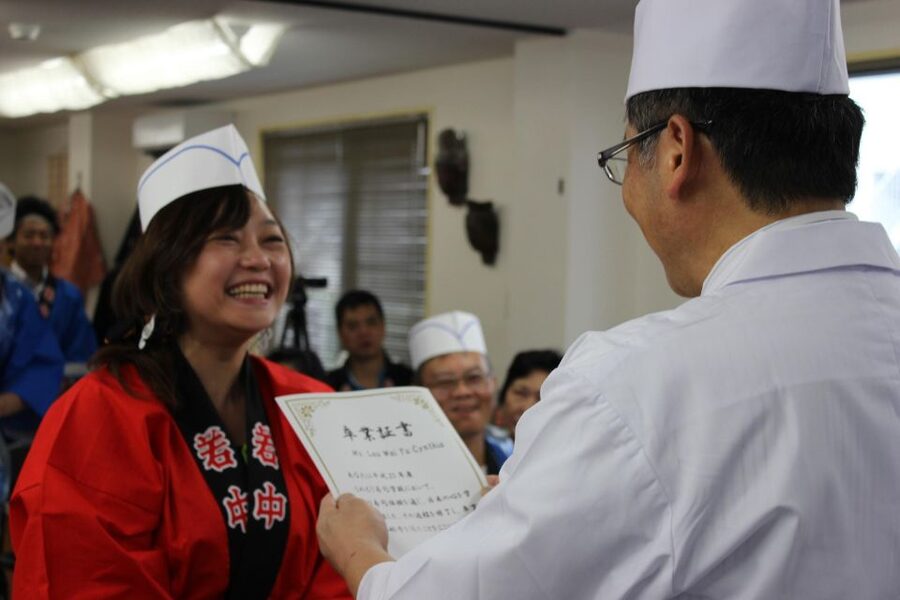
This is a 90-minute sushi-making experience built around one core idea: if your rice is right, the rest follows.
1) Learning shari (sushi rice), including the mixing trick
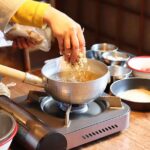
You start by learning how to make shari / sumeshi. That means mixing a specially blended sushi vinegar into freshly cooked rice. The instructor explains there’s a trick in getting the mixing right—because you want the rice to be seasoned evenly without turning it mushy.
For your day-to-day sushi life, this is the part that’s most transferable. A lot of classes jump straight to shaping. Here, they slow down where it counts: the rice texture, seasoning balance, and temperature feel like the foundation of good nigiri.
2) Toppings and ingredient setup (beginner-friendly)
Ingredients for toppings are prepared and cut in advance, which is a huge deal if you’re not comfortable with knife work. You can choose among various toppings such as green onion and ginger, plus more options depending on what’s available.
If you’re curious about fish cutting, you can ask. But the default approach is beginner-friendly: you spend your time on making and tasting, not on learning to butcher a tuna block.
3) Shaping and building your sushi
By the end, you’ll have made 8 pieces of sushi. The overall structure stays simple and practical: you’re learning how pieces come together, how to place toppings, and how it all feels in your hands.
One review mentioned eight nigiri plus a very simple roll. That lines up with the idea that the class keeps things time-realistic: you get variety, but not so much complexity that you lose the core lesson.


4) Eat what you make
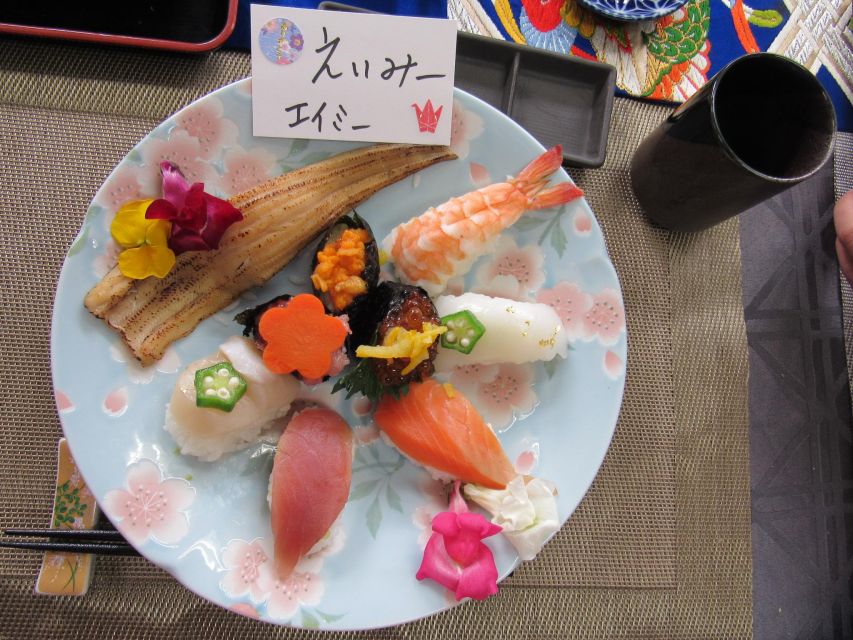
This class isn’t a “watch and leave” setup. You end by eating the sushi you made yourself. That turns learning into feedback: if something tastes off, you’ll notice it immediately, and you’ll understand why the rice step mattered.
The Cultural Twist: Happi Clothing and Japanese Spirits
Yes, you’re there to make sushi. But you also get a cultural layer that feels more hands-on than a slideshow.
Wear traditional happi
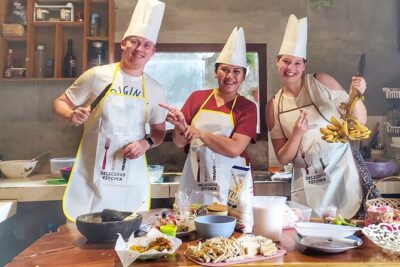
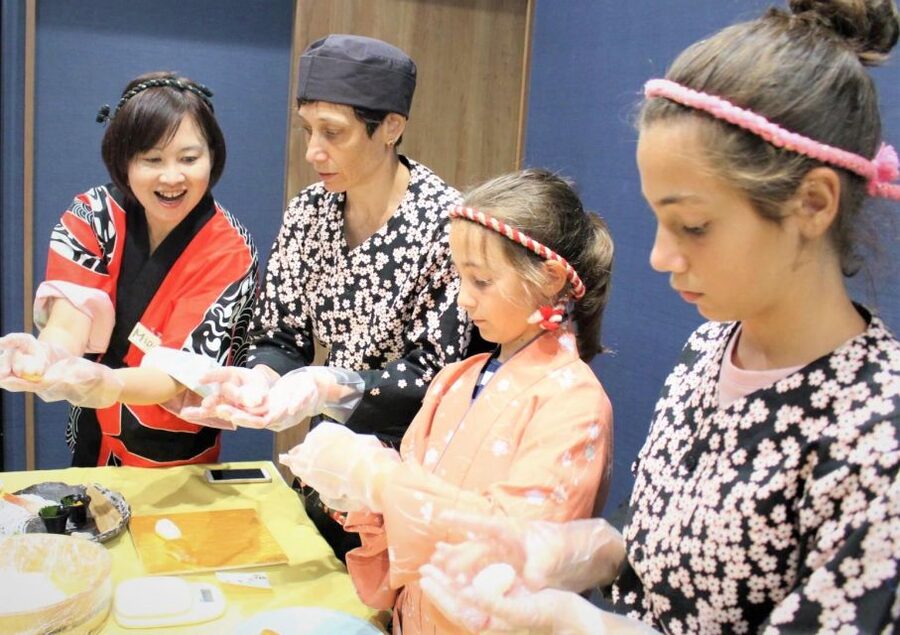
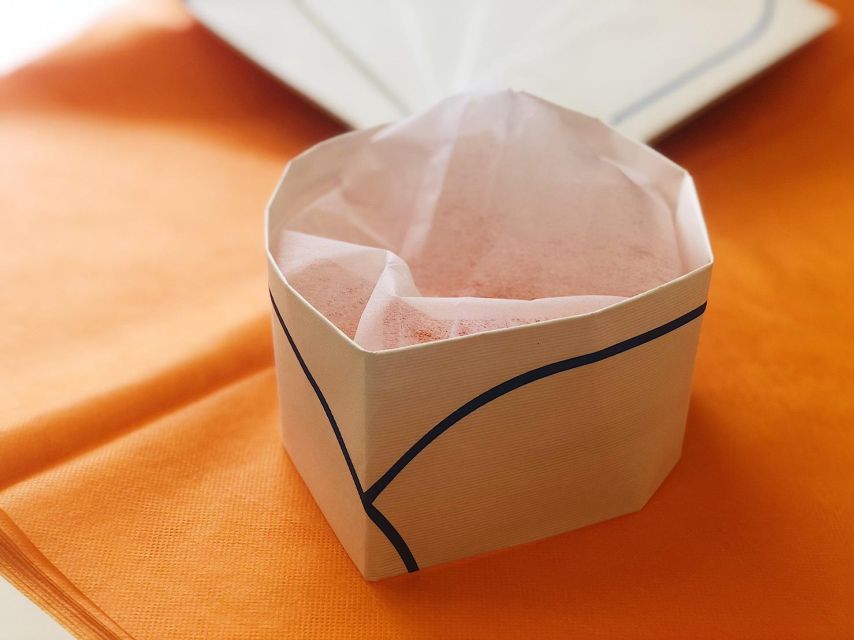
You get rental cloth, with different kinds to choose from. Changing into happi clothing does two things fast: it makes you feel like you’re part of a real shop-school environment, and it nudges you into behaving like a craft student instead of a tourist with a camera.
Experience “Japanese spirits” while you cook
The class includes an experience related to Japanese spirits—built into the session while you’re working. The wording is broad, but the practical takeaway is that the instruction and atmosphere lean toward respect for the craft: careful rice handling, attention to placement, and learning with a calm rhythm.
Special Ingredients and Seasonal Toppings: What Might You Get?
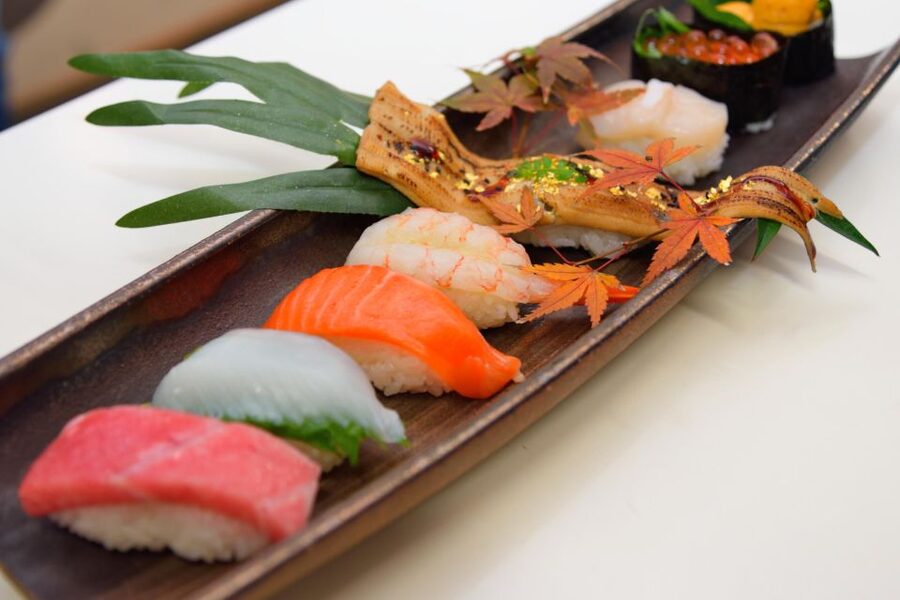
The school notes that toppings can vary by season, so don’t assume a fixed “menu list” for every month. That said, the class is designed to be more than supermarket sushi.
You may work with special items such as:
- extra fatty tuna
- fresh red shrimp that’s described as sweet and almost creamy
Why that matters for value: sushi schools that only let you practice with basic ingredients can turn into a cooking lesson with an underwhelming final bite. Here, there’s a real chance you’ll taste higher-end flavors because they’re included in the toppings they provide.
If you’re sensitive to allergies, options are available (the info mentions allergy, non-raw, gluten-free, and other options). So if you have any constraints, message ahead or communicate on arrival.
Vegetarian, Vegan, and Muslim-Friendly Choices (Plus Allergy Options)
This class explicitly offers a menu friendly to vegetarians, vegans, and Muslims. That’s a big deal because sushi-making experiences can quietly assume everyone eats fish, then call it “customizable” with limited options.
The good news: they say you can get what you need as much as possible. The class also states that allergy and dietary options like non-raw and gluten-free are available.
Practical tip: when you book, make sure you specify your diet and what you avoid. Then, on the day, tell the instructor again. Sushi uses multiple ingredients, including seasonings and toppings, so double-checking saves you from last-minute confusion.
What’s Included (and What You Should Plan For)
Here’s the practical lineup of what comes with the class:
- a lecture on how to make sushi
- the Japanese spirits experience
- 8 pieces of sushi
- rental happi clothing
- toppings (like green onion and ginger), with choices
- completion certificate and graduation ceremony
- souvenir photography
- English-speaking instructor (with Japanese as well)
What’s not included:
- drinks
- warm udon (listed as optional)
- other Japanese food like tempura, tofu (soy), or shabu-shabu
- other optional menus
So if you want to avoid being hungry afterward, eat before you arrive, or be ready to grab something after. The class includes sushi, but the info clearly frames that as your included food—not a full dinner plan.
Instructor and Classroom Style: English Support and a Welcoming Pace
You’ll have an English-speaking instructor, and there’s also Japanese support. Reviews repeatedly mention a kind, welcoming atmosphere, which matters because sushi skills can feel intimidating if you think you must be “good at cooking” to be allowed in.
Also, because ingredients are pre-cut, your time goes toward technique, not prep. That helps beginners. It’s also why one lower-rating review said the workshop felt basic: if you’re hoping for lots of variation or advanced slicing instruction, 90 minutes may not scratch that itch. Still, the trade-off is you’ll likely walk out with a confident baseline you can actually use at home.
Price and Value: Is $113 Worth It?
At $113 per person, you’re paying for more than a meal. You’re paying for:
- ingredient preparation (already cut)
- instruction, including the shari technique
- rental outfit (happi)
- toppings and included sushi pieces
- ceremony elements (certificate, photos)
For many visitors, the value is in leaving with a skill plus a satisfying bite. If you’ve never made sushi rice, getting that process explained—and then practicing with your own pieces—can be worth the price even if you’re not expecting a long, multi-module cooking workshop.
If you’re the kind of foodie who wants deep fish cutting training, multiple advanced rolls, and lots of different techniques, the cost might feel high for how focused the session is. That’s the main “watch out” I’d consider before booking.
Logistics That Matter on the Day
A few details can affect your comfort more than you’d expect:
- The class runs no matter the weather.
- The building is near public transportation, but there’s no elevator. Staff can help elderly or disabled guests up the stairs.
- It’s wheelchair accessible, but you should be ready for stairs because the elevator isn’t available.
- Pets aren’t allowed (assistance dogs are allowed).
- Smoking indoors isn’t allowed.
If you’re bringing your own sense of calm, you’ll do great. This type of class rewards patience. Sushi work is small, precise, and hands-on.
Who Should Book This Sushi Class in Kyoto?
Book it if you want:
- a hands-on sushi experience with a real meal at the end
- to learn sushi rice basics (shari) instead of just assembling toppings
- a class that’s friendly to vegetarians, vegans, and Muslims
- a cultural touch (happi + a craft-focused atmosphere)
Skip it or consider other options if:
- you want lots of fish-cutting practice and advanced variety beyond one session’s time limit
Should You Book It?
If your goal is a practical, beginner-friendly sushi class in Kyoto where you eat what you make, I think it’s a solid choice. The combination of shari instruction, pre-cut ingredients, and the included toppings plus ceremony elements makes the experience feel complete, not just instructional.
If you’re expecting a long, “everything sushi” cooking course with lots of different builds, you might feel the session is too short or too simple. But if you want a confident start and a fun afternoon with cultural flavor, this is the kind of class that actually leaves you with sushi skill you can repeat.
FAQ
How long is the Kyoto sushi cooking class?
It lasts 90 minutes.
How many pieces of sushi do I make and eat?
You make and eat 8 pieces of sushi.
Is there a vegetarian, vegan, or Muslim-friendly menu?
Yes. The class offers a menu friendly to vegetarians, vegans, and Muslims.
Can you accommodate allergies or dietary restrictions?
Allergy options, non-raw options, gluten-free options, and other options are available.
Do I need to worry about weather?
No. The tour is held no matter what the weather is.
Is the location wheelchair accessible?
The experience is wheelchair accessible, but there is no elevator. Staff can help with the stairs if needed.