REVIEW · OSAKA
Osaka: Ramen and Gyoza Cooking Class in Dotonbori
Book on GetYourGuide →Operated by Cooking Sun · Bookable on GetYourGuide
Osaka’s ramen obsession starts with your hands. This hands-on class at Cooking Sun Osaka has you making ramen noodles from scratch and shaping gyoza with fresh ingredients, guided in English so you actually understand what you’re doing. I love the very practical skills here, like kneading wheat and cutting noodles, and I love that the final meal is something you made, not a demo you watch from the side.
One thing to plan for: the meeting spot is in a building that can be a little tricky to find if you don’t follow the directions. Press 807 and the 呼出 call button at the entrance, then go to room 807, and you should be set.
In This Review
- Key Takeaways Before You Go
- Why This Osaka Ramen-and-Gyoza Class Works So Well
- Entering Cooking Sun Osaka: Room 807 and the One-Step Check-In
- How the class runs on the ground
- The Full Experience: What You Make, and the Order It Happens
- Ramen base: chicken bones and dried sardines
- Gyoza filling: minced chicken and hands-on shaping
- Making Soy Sauce Ramen: From Soup Flavor to Your Bowl
- Your ramen flavor path (soy sauce first, miso as an option)
- Toppings: you can customize instead of copying
- Kneading Wheat and Cutting Noodles with the Noodle Machine
- Why this technique is worth the money
- Gyoza Assembly with Minced Chicken: Learning the Dumpling Build
- What you’ll do
- Diet-Friendly Options: Vegan Changes and Broth Substitutions
- The Meal Part: Why Eating Your Own Ramen Matters
- Duration, Pace, and How Much Help You Get
- The small-group setup helps you stay on track
- Taking Recipes Home: Turning a Great Bowl into a Repeatable Skill
- Who Should Book This Class in Osaka
- Price and Value: Is $70 a Good Use of Your Osaka Time?
- My Quick Decision Guide: Should You Book?
- FAQ
- What dishes will I learn to make?
- What type of ramen is used in the class?
- Is hotel pickup included?
- What is the meeting point?
- How long is the class?
- Is the class small?
- Are vegetarian or vegan options available?
- Are recipes included?
- What’s included in the price?
- FAQ
- Can I reserve and pay later?
- What is the cancellation policy?
Key Takeaways Before You Go
- You make two dishes, from dough to finished food: ramen and gyoza, not just toppings
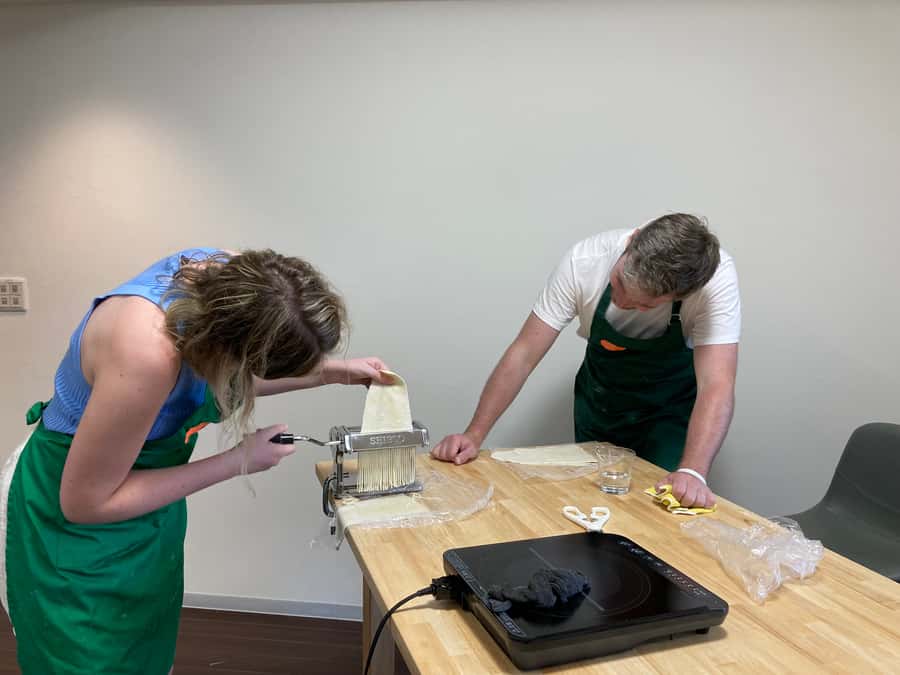
- Noodles are the star: you knead wheat and use a noodle machine to cut them
- Soy sauce ramen is the baseline, with options to go miso if you like
- Gyoza filling uses minced chicken, and you learn how to assemble your own dumplings
- Small group pace (about 7–8 people) means you get help before you fall behind
- Dietary adjustments are supported, including a vegan plant-based option and broth substitutions
Why This Osaka Ramen-and-Gyoza Class Works So Well
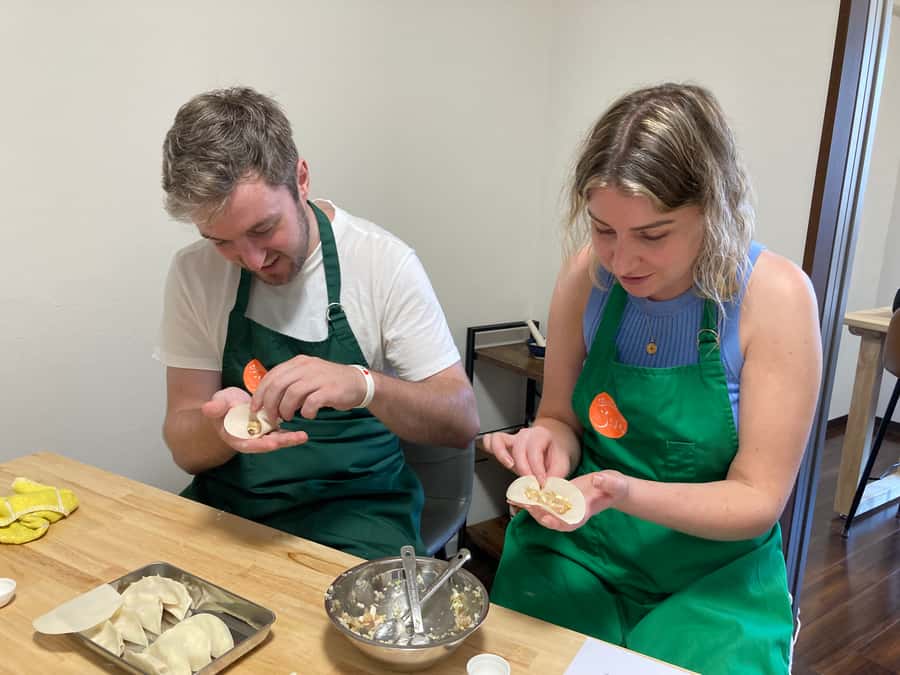
Osaka is where ramen goes from food to obsession. And this class gets you past the usual tourist version of the story. You don’t just learn that ramen is delicious. You learn why it works—how dough turns into noodles, and how soup and filling come together into something comforting and repeatable.
What I like most is the balance. You’ll spend real time on technique (hands-on noodle work and dumpling assembly), but you’ll also eat a full, satisfying meal at the end. One review even calls it a great way to wrap up a Japan trip because it makes the country feel more understandable—one bowl at a time.
And yes, ramen is famous around the world, but the class keeps it grounded in the Japanese way of ordering. In Japan, ramen and gyoza often show up as a set. Here, you make both, so the pairing makes sense in your head, not just on your plate.
You can also read our reviews of more tours and experiences in Osaka.
Entering Cooking Sun Osaka: Room 807 and the One-Step Check-In
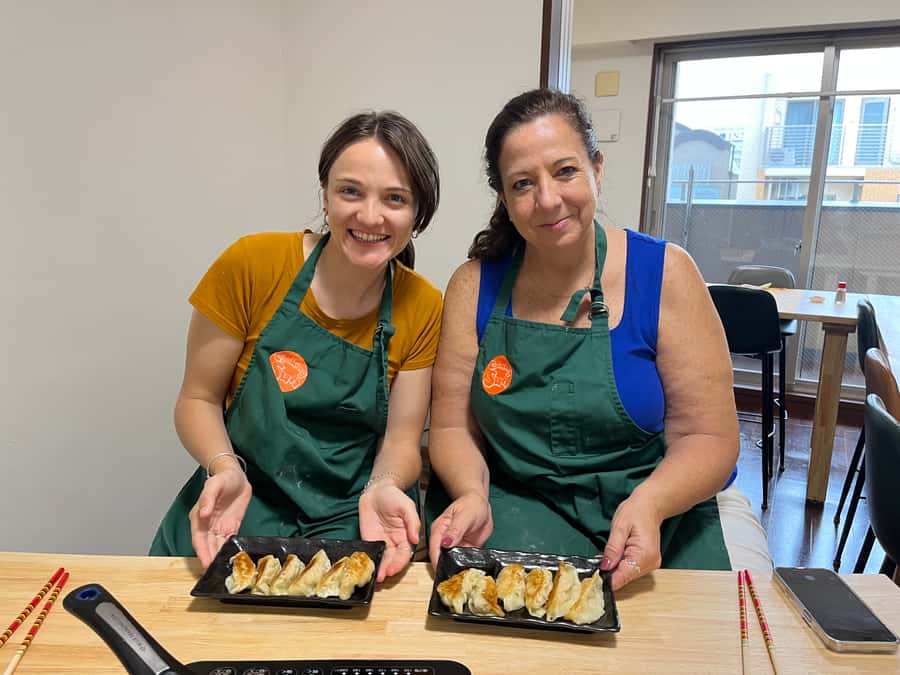
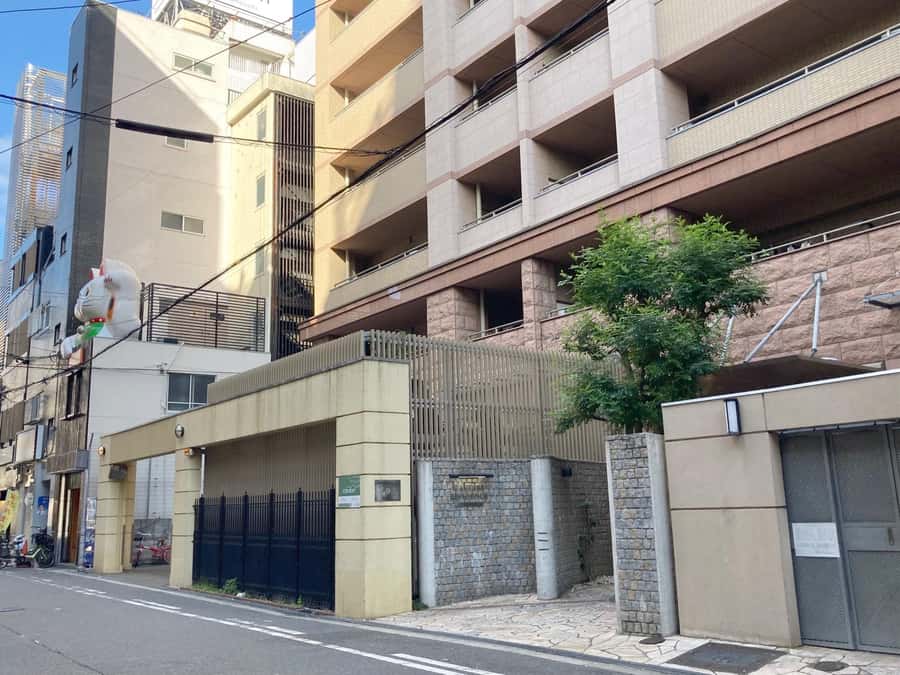
Your meeting point is Cooking Sun Osaka, room 807. When you arrive, press 807 and the 呼出 (call) button at the entrance. Then head to room 807.
Why I mention this: one review specifically flags that the building is not the easiest to locate. The fix is simple—use the room number directions and don’t wander the whole block guessing.
How the class runs on the ground
There’s no hotel pickup or drop-off, and the activity returns you back to the meeting point. That makes this easiest if you’re already somewhere in central Osaka or you’re comfortable walking or taking a quick train/subway hop to the area.
The language is English, and the group size is intentionally small—reviews mention around 7 people, and a max of about 8. That matters because ramen dough mistakes happen. A small class means instructors can step in fast, show you what to correct, and keep the whole group moving at a steady pace.
The Full Experience: What You Make, and the Order It Happens
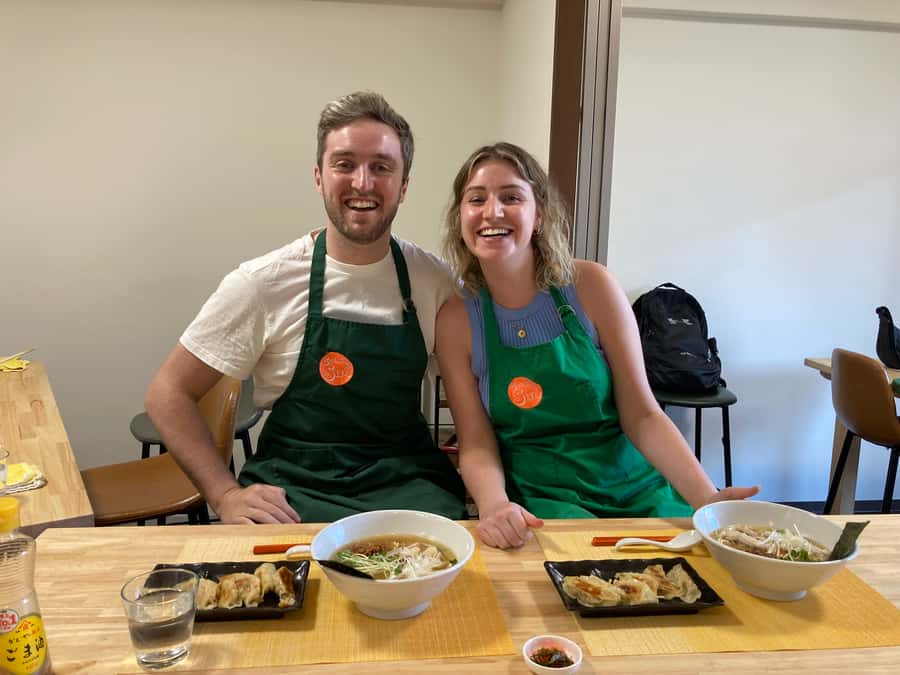
The class is built around a simple idea: make ramen and gyoza from scratch with ingredients you can name and techniques you can repeat.
You’ll start with ramen components and move through noodles and soup, then shift to gyoza. At the end, you sit down and eat what you made.
Ramen base: chicken bones and dried sardines
Ramen here starts from the foundation: dashi made with chicken bones and dried sardines. The class also positions the most standard style in your bowl as soy sauce ramen. You can adjust the flavor direction by adding toppings as you like, or by adding miso to make miso ramen.
This is valuable because ramen in popular culture can feel vague—people say it’s salty, people say it’s comforting. Here, you learn what creates that comfort: the broth ingredients plus the soy sauce profile, and how miso changes the soup’s character.



Gyoza filling: minced chicken and hands-on shaping
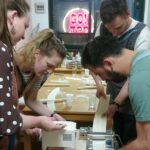
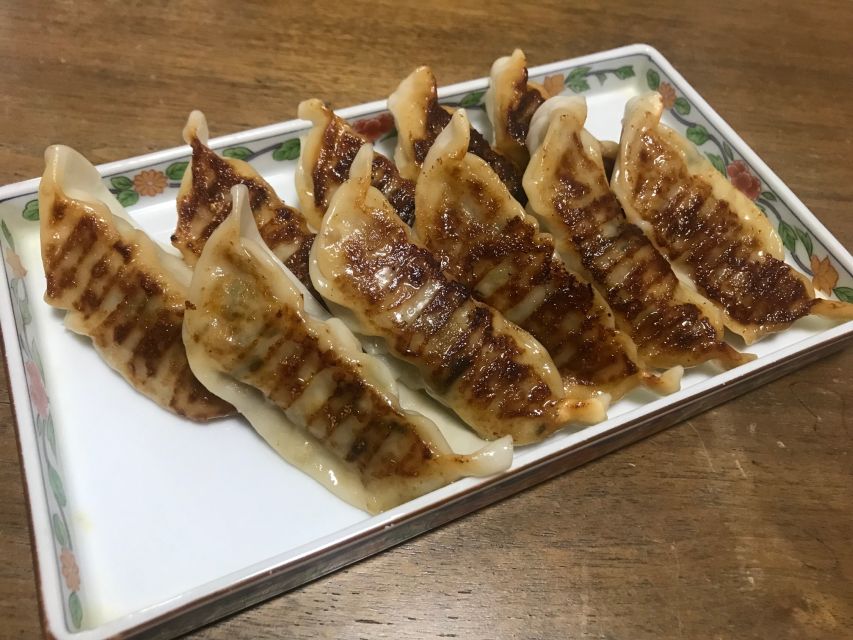
For gyoza, you make original dumplings using minced chicken. You’re not just mixing filling in a bowl and calling it a day. You’ll assemble the dumplings during the class, and you’ll see how the process changes from raw ingredients to something that tastes like a proper gyoza meal.
Also worth noting: one review says they made the ramen noodles and the gyoza filling themselves. That hands-on approach shows up again in other feedback—people repeatedly mention the patience and step-by-step guidance.
Making Soy Sauce Ramen: From Soup Flavor to Your Bowl
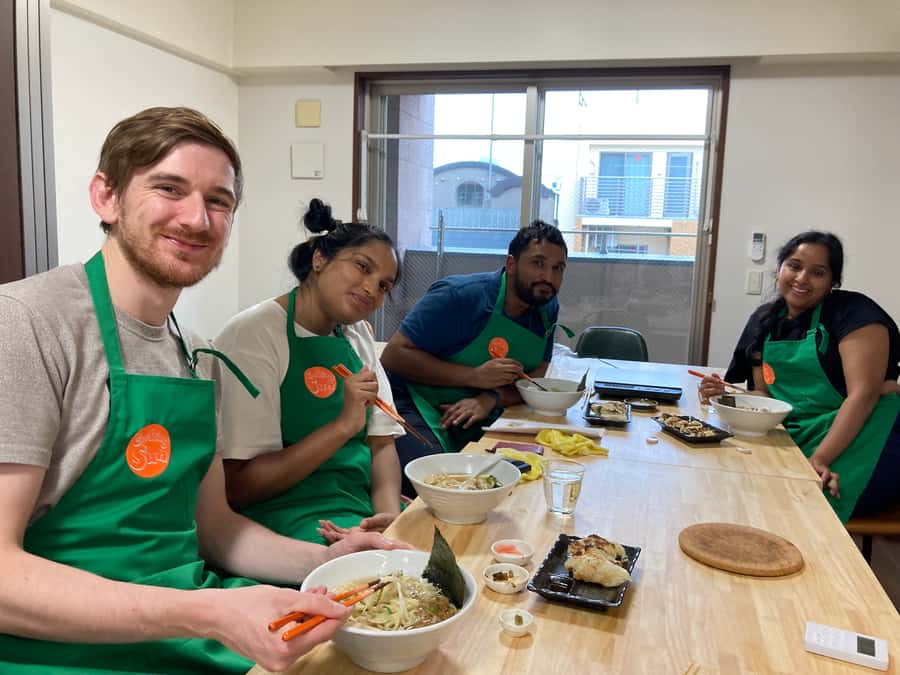
Most cooking classes teach you how to cook, then they leave you guessing about why it tastes right. This one does a better job of connecting the dots.
Your ramen flavor path (soy sauce first, miso as an option)
The class uses soy sauce ramen as the standard. That’s a smart choice for a beginner-friendly class because soy sauce gives you an immediate flavor target. Once you understand the base, miso is easy to conceptualize as an add-on that shifts the depth and richness.
Some instructors also explain ingredients like the different kinds of miso and when to use them. That kind of detail helps you later, when you’re recreating the idea at home. You stop following a vague recipe and start making flavor decisions.
Toppings: you can customize instead of copying
You’ll have flexibility with toppings. The important part is that you still build the core ramen from scratch. That makes your bowl feel personal, and it also helps you remember what part mattered most.
Kneading Wheat and Cutting Noodles with the Noodle Machine
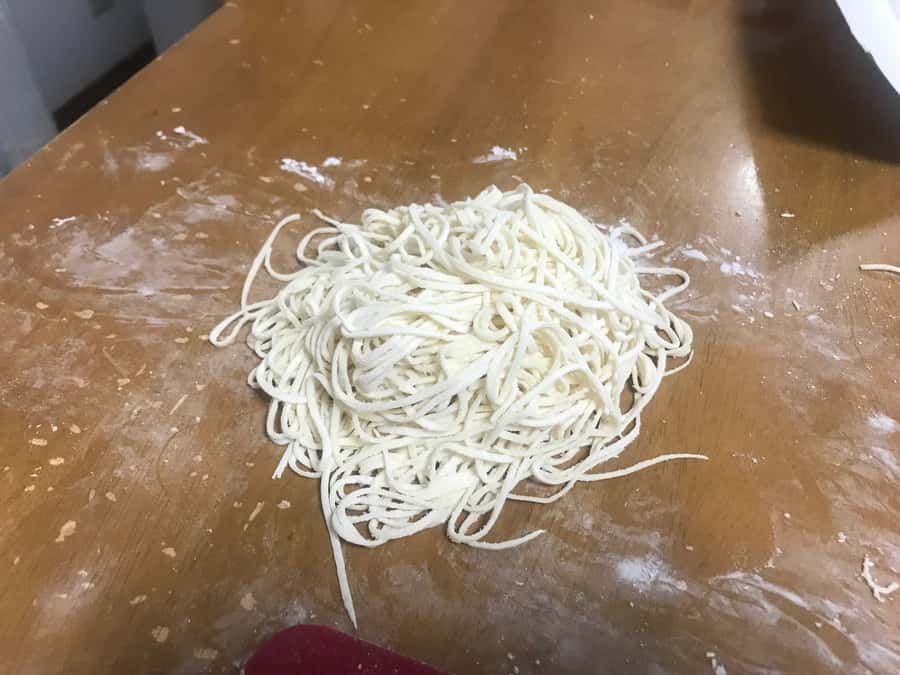
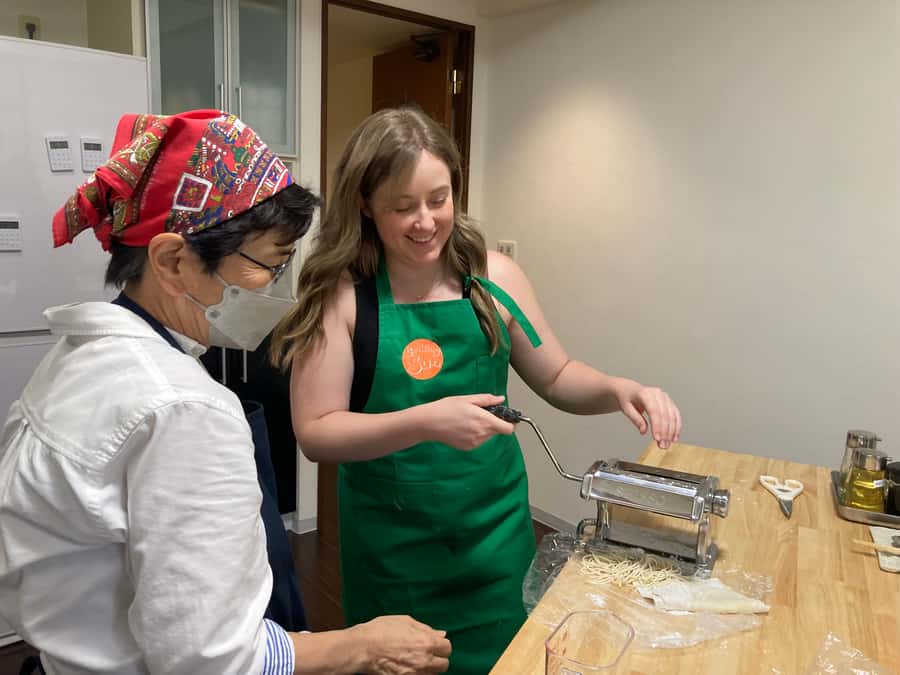
The noodle portion is where this class becomes more than food. Kneading wheat is physical, and it teaches texture. You can’t fully fake it later.
And then there’s the noodle machine. Multiple reviews mention cutting noodles like a pro, and you’ll do the cutting during the class. This is one of the best parts for beginners because you get instant feedback: if the dough is right, the noodle sheets behave; if not, you notice quickly and the instructor can help.
Why this technique is worth the money
$70 sounds like a lot until you remember what you’re buying: ingredients, guided technique, and a small-group setting where someone can fix your dough mistakes before they ruin your meal.
If you’ve only ever eaten ramen from restaurants, you might think ramen noodles are just noodles. After this, you understand ramen as dough physics plus timing. That’s the kind of knowledge that sticks.
Gyoza Assembly with Minced Chicken: Learning the Dumpling Build
Gyoza seems simple until you try it. Folding takes practice, and dumpling thickness affects the final bite. This class keeps gyoza in the focus zone rather than treating it like a side task.
What you’ll do
You’ll make your own gyoza using a minced chicken filling. You’ll work through the process with instructor support, and then you’ll eat the results at the end.
Two details from the reviews make this extra encouraging:
- Instructors step in if someone falls behind, keeping the group together
- People describe the instructions as clear enough that they feel confident trying again later
So if you worry you’ll be slow at forming dumplings, don’t. The class pace is designed for real people, not noodle robots.
Diet-Friendly Options: Vegan Changes and Broth Substitutions
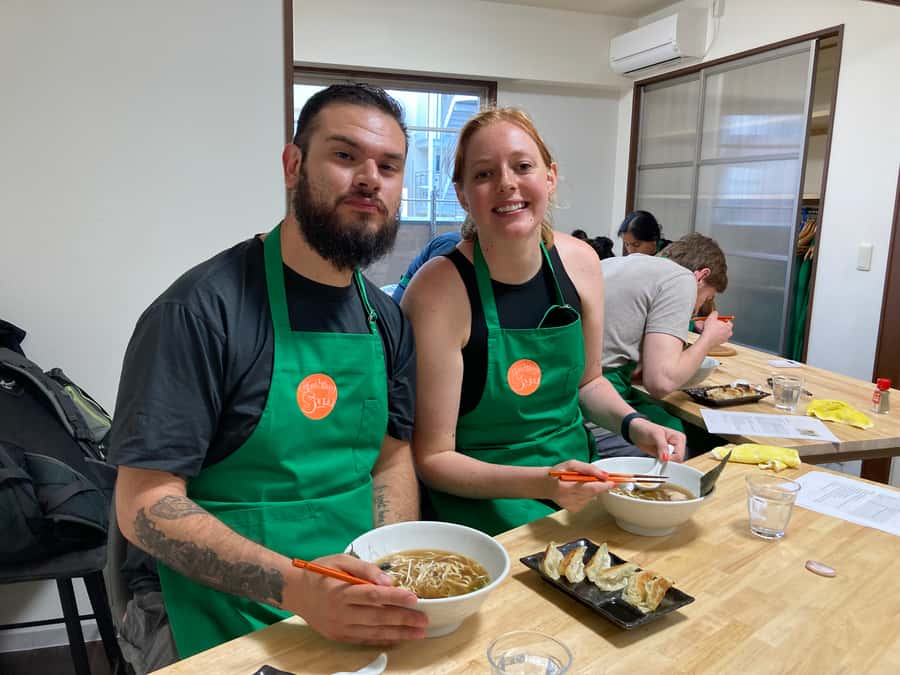
Not every class handles food restrictions without drama. Here, instructors do adjust.
One review notes that when a guest mentioned being vegan right away, the class adapted to a delicious plant-based option. Another says there was a substitution when someone didn’t like fish broth.
That’s a big deal. Ramen can hinge on broth flavor, and gyoza can hinge on filling and seasoning. The fact that the class can adjust means you’re more likely to get an actual meal you want to eat—not just a “same-ish” version.
If you have dietary needs, tell the team on arrival. Don’t wait. The class is structured to be flexible.
The Meal Part: Why Eating Your Own Ramen Matters
The sitting-and-eating section is not filler. It’s part of the learning loop.
When you taste your own ramen right after you make it, you pick up details you’d otherwise miss:
- How soy sauce dominates before miso
- How ramen feels when the noodles are made and cut with your hands
- How gyoza tastes when you assembled it yourself
Multiple reviews highlight that the food exceeded expectations. People also say the class timing is well planned and not rushed, so you have enough time to finish each stage without feeling panicked.
One review even suggests coming hungry. That’s good advice here—because once your bowl is in front of you, you’ll want to enjoy it properly.
Duration, Pace, and How Much Help You Get
Class length shows up a bit differently in feedback: one review calls it around 3 hours, and another says about 2 hours. Realistically, you should treat it as roughly 2–3 hours depending on group pace and how many questions you ask.
The pacing itself gets praised a lot. People mention it never felt rushed, and that the instruction is timed well. That matters because ramen noodles and dumpling work can go wrong fast if you start lagging.
The small-group setup helps you stay on track
The class is described as intimate, with up to around 7–8 people, and two instructors are present. Reviewers specifically mention quick help if someone falls behind, plus extra patience when needed.
That’s a huge practical advantage. You’re not stuck hoping you’ll figure it out mid-dough.
Taking Recipes Home: Turning a Great Bowl into a Repeatable Skill
One of the best value add-ons is that you receive recipes to take home. Reviews mention written recipes and the ability to recreate dishes later.
This is what separates a fun outing from a real cooking lesson. You leave Osaka with more than memories. You leave with a plan for your next attempt—whether you’re making soy sauce ramen at home or experimenting with miso.
And it’s not just recipe cards. Instructors also explain ingredients and how to use them. One reviewer notes learning about different kinds of miso and when to use them. That’s exactly what you need when you shop at a supermarket later and want to choose correctly.
Who Should Book This Class in Osaka
This works especially well if you:
- Want hands-on food skills, not just a tasting tour
- Like the idea of making two linked dishes: ramen and gyoza
- Are traveling with family (reviews mention a son enjoying it, including a family of three with an 11-year-old)
- Want an activity that feels authentic to Japanese daily eating, where ramen and gyoza often go together
It also fits solo travelers because the class is structured and supportive. You’re cooking with a small group, but you’re not left alone with confusion.
If you’re a strict beginner, you’ll still be okay. The class is built to guide you step by step and help you keep up.
Price and Value: Is $70 a Good Use of Your Osaka Time?
At $70 per person, you’re paying for more than ingredients. You’re paying for:
- All the ingredients included
- English-speaking instruction
- Small-group attention
- A full meal you eat right after you make it
- Take-home recipes
For $70, you’re basically buying a guided, skill-based workshop with food included. In my mind, the value comes from the noodle work. Kneading wheat and cutting noodles correctly is the part most people never learn from just watching YouTube.
Plus, you’re not standing in a crowded storefront line. You’re in a classroom-kitchen environment where instructors can correct you. That turns the money into actual competence, not just an activity photo.
If you’re comparing this to doing ramen and gyoza on your own, ask yourself: can you recreate the experience at home afterward? This class gives you that potential. That’s why it feels worth it to so many people.
My Quick Decision Guide: Should You Book?
Book this class if you want an Osaka activity that feels practical and memorable. You’ll come away with a better understanding of ramen soup basics, noodle dough technique, and gyoza assembly, plus recipes to repeat later.
Pass if you’re short on time and only want a quick snack stop, or if you strongly prefer purely restaurant experiences with no hands-on cooking. This is a cooking lesson first, ramen meal second.
One more gut check: if you’ve been dreaming about learning how noodles are made in Japan, this is one of the best ways to turn that curiosity into something you can actually do.
FAQ
What dishes will I learn to make?
You’ll make ramen and gyoza from scratch, including ramen noodles and gyoza dumplings.
What type of ramen is used in the class?
The standard version is soy sauce ramen, with the option to add miso to make miso ramen.
Is hotel pickup included?
No. Hotel pickup and drop-off are not included.
What is the meeting point?
You meet at Cooking Sun Osaka, room 807. Press 807 and the 呼出 (call) button at the entrance on arrival.
How long is the class?
The class is described as about 2 to 3 hours.
Is the class small?
Yes. Reviews describe an intimate small-group setup, around 7 to 8 people, with multiple instructors.
Are vegetarian or vegan options available?
A vegan plant-based option is mentioned, and there are substitutions available for people who don’t like fish broth.
Are recipes included?
Yes. You get recipes to take home, and instructors provide written guidance.
What’s included in the price?
The price includes all the ingredients for the cooking class.
FAQ
Can I reserve and pay later?
Yes, the option to reserve and pay later is available, so you can book your spot without paying right away.
What is the cancellation policy?
You can cancel up to 24 hours in advance for a full refund.