REVIEW · MUMBAI
Authentic Indian Cooking Class in Mumbai in a Local Home
Book on Viator →Operated by Traveling Spoon · Bookable on Viator
Cooking in Mumbai feels like family. This is a hands-on Indian class in a real home in Santacruz West, run by Lavina, where you learn to make regional comfort food and then eat it at the table with your hosts. It’s one of those rare meals where the instructions come with city-life context, not just recipes.
Two things I really like: the step-by-step coaching through dosas and fillings, and the fact you get the full home-style meal with everything included. One thing to consider: there’s no hotel pickup, so you’ll want to plan your own way to JK Mehta Road.
In This Review
- Key things that make this class worth your time
- Entering Lavina’s home kitchen in Santacruz West
- The exact dishes you’ll cook (and why they’re a smart choice)
- Crispy dosa workflow, with fermented batter handled already
- Potato stuffing for flavor depth and texture
- Semolina pineapple halwa, a sweet ending with aroma
- What a 3-hour lunch or dinner class feels like in real time
- More than recipes: the Mumbai stories you’ll hear at the table
- Vegetarian options, allergies, and seasonal menu changes
- Price and value: what $54 covers (and why it feels fair)
- Practical logistics that can make or break your evening
- Plan on arriving under your own steam
- Bring your curiosity, not your cookware
- Ask about spice and portion expectations
- Who should book this Mumbai cooking class (and who might not)
- Should you book this Mumbai home-cooking class?
- FAQ
- Can I choose lunch or dinner?
- What will I cook during the class?
- How long is the experience?
- Is the class private?
- Is there a vegetarian option?
- Are ingredients and the meal included in the price?
- Do they pick me up from my hotel?
Key things that make this class worth your time
- A local-home setting in Santacruz West instead of a studio or restaurant kitchen
- Dosas that you actually fry yourself, with batter prepared ahead since it needs fermentation
- Potato stuffing + semolina pineapple halwa, so you cook savory and sweet
- Stories from daily Mumbai life that show up alongside the cooking lessons
- Private group format, so your questions don’t get lost
- Seasonal menu flexibility, so you might get slight variations depending on what’s available
Entering Lavina’s home kitchen in Santacruz West
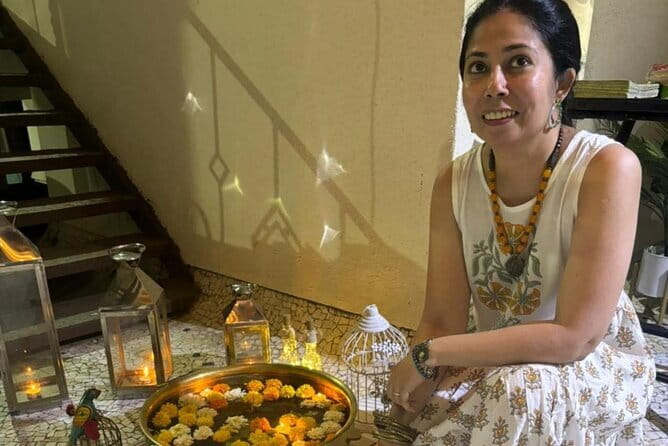
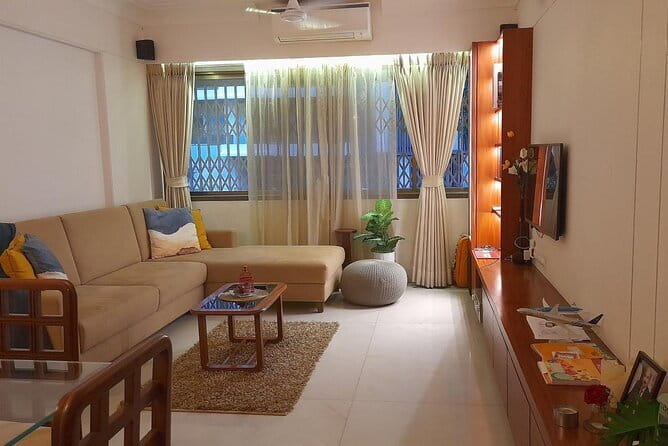
Mumbai is a big city, so the biggest win here is the address. You start at JK Mehta Road in Santacruz (West), and you end right back there. That makes the experience feel complete and uncomplicated, like you truly visited someone’s home for an evening meal—not like you rushed through a “thing to do.”
The location is also practical. Lavina’s home is about 20 minutes from the international airport and 10 minutes from the domestic airport (with normal traffic variability, of course). And it’s near public transportation, which matters because there’s no hotel pickup or drop-off. If you like to keep control of your schedule, this setup is a win.
You’ll also get a clear heads-up on the vibe before you arrive. The class is not a professional cooking school. It’s more personal than that. You’re cooking with Lavina in her own kitchen, and the goal is connection as much as technique. In the reviews, people highlight how warmly Lavina and her family welcome them, how they feel folded into the evening, and how the home feels neat and organized. That warmth is not a small detail. It’s the difference between following directions and actually learning how dishes work in an Indian household.
You can also read our reviews of more tours and experiences in Mumbai.
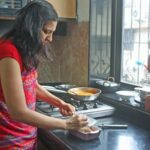
The exact dishes you’ll cook (and why they’re a smart choice)
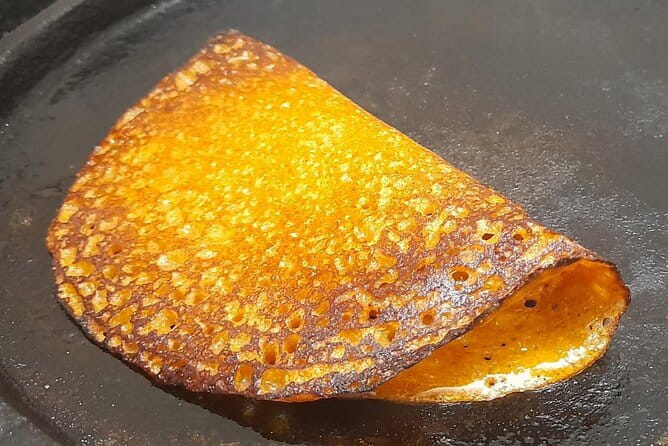
This class is built around two traditional dishes, and both are great “learn-and-repeat” recipes. Here’s what you’ll work on:
Crispy dosa workflow, with fermented batter handled already
You’ll learn how to fry crispy dosas, but there’s a realistic note up front: dosa batter needs fermentation in advance. So the batter is pre-prepared for the class. That’s good news for you. It means you still get the hands-on frying experience without needing to master fermentation timelines or guess at starter strength.
During the cooking, you’re not just spatula-flipping and hoping. Lavina guides you step by step, including how the dosa batter spreads and how you move through the pan so it crisps properly. Expect questions like when to pour, how thin to spread, and what to watch for as it cooks. These are the moments where you pick up practical technique you can use again at home.
Potato stuffing for flavor depth and texture
While the dosa base is cooking, you’ll also prepare a flavorful potato stuffing. This matters because dosa without stuffing is like a sandwich without filling. The stuffing adds body, salt balance, and that satisfying mash-meets-spice texture.
The class format helps you understand the logic behind the flavors rather than memorizing a list. Lavina teaches what you’re aiming for as you build the stuffing, and she shares culinary traditions that have been passed down through generations. Even if your kitchen doesn’t match Mumbai’s exact tools and pans, the method still translates well.
Semolina pineapple halwa, a sweet ending with aroma
To finish, you’ll make a semolina pineapple halwa. This is a smart choice because halwa is the kind of dessert people think is complicated, but it’s actually very learnable if someone shows you what the mixture should look like as it thickens.
You’ll get the full arc: ingredients go in, heat changes the texture, and the final halwa turns glossy and fragrant. Reviews also mention that the evening is not just educational but genuinely fun, and the halwa is a big part of why. You’re cooking a dish that smells like something your hosts would make for family and guests.
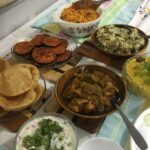




What a 3-hour lunch or dinner class feels like in real time
The total experience runs about 3 hours. The hands-on portion is roughly 1.5 hours, then you shift into eating and hanging out. The timing matters because it’s long enough to learn without feeling like you’re being rushed from station to station.
You get a choice between lunch or dinner, and that changes the mood. Lunch tends to feel lighter and more daytime-focused, while dinner can feel like a sit-down household meal, complete with more time for conversation. Either way, you’ll end up eating the meal you cooked. That alone is a big value driver because you’re not paying for instruction and then paying again somewhere else.
One thing I’d plan for: dosa and stuffing take a rhythm. If you’ve never cooked on a hot griddle before, you’ll likely need a couple passes to get comfortable. The good part is that you’re guided through it, and Lavina’s kitchen setup keeps the flow moving.
Also, this is a private experience. Only your group participates, which means you can ask about spice levels, ingredient swaps, or why certain steps matter. If you’re traveling as a couple or with family (including teens), the private format is a comfort boost.
More than recipes: the Mumbai stories you’ll hear at the table
Food classes can turn into a checklist. This one leans human.
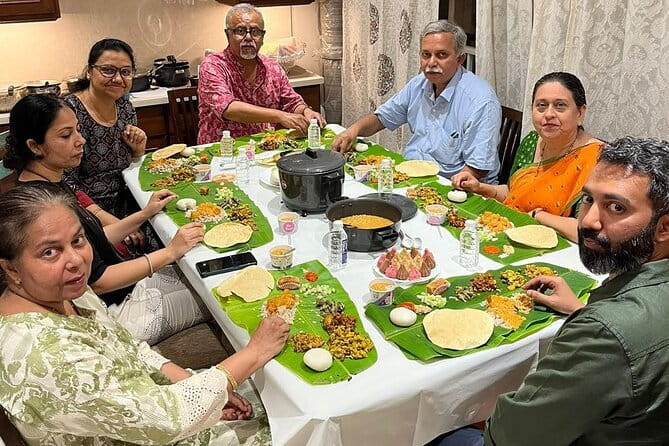
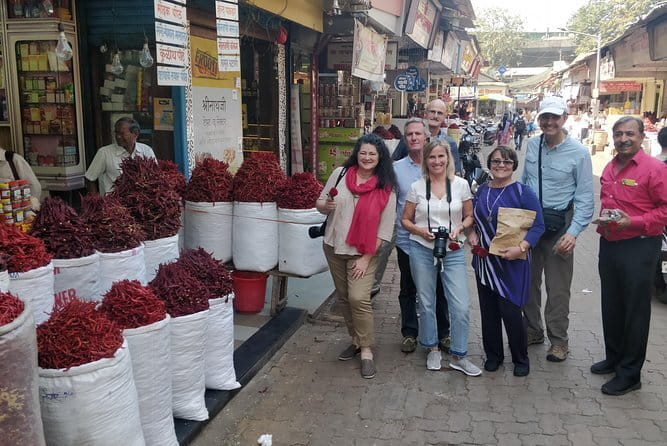
Lavina and her family welcome you into their routine, and multiple reviewers mention how much they felt like part of the family. That includes everything from friendly conversation to the way the evening is paced. In one review, people even noted hearing about commuting and daily life in Mumbai. That’s the kind of extra context that makes the food stick in your mind, because you connect spice flavors to the way people live and buy ingredients and manage busy days.
There are also personal stories that show up naturally when you’re in someone’s home. One review mentions how Lavina’s family shared insight around handling pregnancy and a new child. You might not hear the same details every time, but the pattern is consistent: you’re not just learning Indian cooking mechanics, you’re learning how a Mumbai household talks about food, schedules, and family.
If you like travel that feels authentic without being exhausting, this is a good match. It’s outside the usual tourist loop, and it doesn’t try to perform culture for you. It’s simply a real home meal with a lesson attached.
Vegetarian options, allergies, and seasonal menu changes
The class is built to be flexible. You can ask about dietary restrictions or allergies at booking, and a vegetarian option is available if informed in advance. That’s important, because it gives you a better chance of getting a menu that truly fits your needs instead of improvising last minute.
The menu can also change based on seasonal products. In practice, that means you might not get identical ingredient choices every single run. The cooking techniques and dish types stay consistent, but certain elements may shift depending on what’s available.
One practical tip: when you write your dietary needs, be specific. If you have an allergy (not just a preference), say so clearly during booking. This class is in a home kitchen, so clear communication helps keep everyone comfortable.
Also remember: the dosa batter fermentation is handled ahead of time. That means you don’t need special planning to participate. You’re still learning the cooking process, but you’re not expected to manage a fermentation schedule during your vacation.
Price and value: what $54 covers (and why it feels fair)
At $54 per person, this isn’t a cheap experience, but it also isn’t just “a cookery class.” Here’s what makes the price feel more reasonable:
- Private class in a home setting (not a shared group in a restaurant)
- All ingredients and your finished meal included
- All fees and taxes included
- Gratuities included
That last part matters. Many food experiences lure you with a low price, then add on “service” costs later. Here, the upfront structure is simpler. You’re paying for a guided kitchen session plus a full meal, and you’re not getting hit with extra add-ons during checkout.
You also gain something harder to price: access. A home kitchen is different from a demo counter. When someone like Lavina shows you how to fry dosa and build stuffing in her own workflow, you learn the method that works in a real household, not a staged environment.
If you’re trying to compare, think of it like this: you’d normally pay for a cooking lesson, then pay for lunch or dinner. This packages both into one, and the meal you eat is the meal you made.
Practical logistics that can make or break your evening

This is where I’d focus if you’re deciding whether it fits your trip style.
Plan on arriving under your own steam
There’s no hotel pickup and drop-off, so you need confidence moving through Mumbai to reach Santacruz (West). The start point is on JK Mehta Road, and the experience ends back at that point. If you’re the kind of traveler who likes a tight itinerary with minimal wrangling, this is still doable, just plan your route ahead.
Bring your curiosity, not your cookware
This is not a professional class where you’re asked to bring tools. You’ll follow Lavina’s kitchen setup and use what’s provided. The real skill you’re taking home is technique: how to fry crisp dosas, how potato stuffing comes together, and how halwa thickens.
Ask about spice and portion expectations
You’ll be cooking and eating together, so speak up about how spicy you like things. The class includes “tips and culinary traditions,” and that includes how families typically adjust heat. Since it’s private, you’re not stuck accepting only one style.
Who should book this Mumbai cooking class (and who might not)
This experience is a great fit if you want:
- A home-based Indian food lesson rather than a showroom-style demo
- A private setup where you can ask questions and learn at your pace
- A chance to cook dosas and make something sweet like semolina pineapple halwa
- An authentic evening with real conversation and a meal that doesn’t feel like a tourist transaction
It may not be ideal if you:
- Want a class with no travel hassle at all. Since there’s no pickup, you’ll be responsible for getting to and from Santacruz (West).
- Prefer a very formal, professional teaching structure. This is hands-on and personal, but it’s not a culinary school.
Should you book this Mumbai home-cooking class?
I think you should book it if you’re in Mumbai for food, you want something authentic that doesn’t require insider connections, and you like learning by doing. The best part is the combination: you get hands-on dosa frying, a proper potato stuffing you build yourself, and a pineapple halwa finish, then you sit down and eat what you made.
You’re paying for time, ingredient prep, guidance, and a home meal that includes conversation. If that sounds like your kind of travel, this is an easy yes. If you’re trying to squeeze Mumbai into a packed schedule and you don’t want to deal with getting to Santacruz on your own, then it’s worth weighing the time and transport planning first.
FAQ
Can I choose lunch or dinner?
Yes. You can choose between a lunch experience or a dinner experience.
What will I cook during the class?
You’ll learn to cook two traditional Indian dishes: crispy dosas (with pre-prepared batter since it needs fermentation), potato stuffing, and semolina pineapple halwa.
How long is the experience?
The cooking class is about 3 hours in total (with about 1.5 hours hands-on).
Is the class private?
Yes. It’s a private tour/activity, so only your group will participate.
Is there a vegetarian option?
A vegetarian option is available if you inform the provider in advance.
Are ingredients and the meal included in the price?
Yes. All ingredients and your finished meal are included, along with all fees and taxes and gratuities.
Do they pick me up from my hotel?
No. Hotel pickup and drop-off are not included. The experience starts at JK Mehta Road in Santacruz (West) and ends back at the meeting point.
If you want, tell me your dates and whether you’re doing lunch or dinner, and I’ll suggest a simple plan for getting there and what to do with the rest of your day.