REVIEW · MARRAKECH
Marrakech: Tradition Morrocan Cooking Class with Market Visit
Book on Viator →Operated by Morocco Luxe Tours · Bookable on Viator
A cooking class in Marrakech can be more than recipes. This one starts with a real ingredient hunt and then moves into a family home cooking setup with a Berber cook.
What I like most is the market visit first, so you understand what you’re buying and why. I also like that you’ll cook Berber dishes like tagine and couscous, plus freshly baked bread, not just watch someone else work.
One thing to consider: the experience asks for good weather, so it can shift or cancel if conditions aren’t right.
In This Review
- Key Highlights
- Why This Marrakech Cooking Class Feels More Real Than Usual
- 10:00 am Pickup, A/C Comfort, and a Simple Medina Plan
- The Market Visit: Spices, Produce, and Choosing What Matters
- Back at the Berber Family Home: Riads, Techniques, and Real Cooking
- The Shared Feast: Lunch Included (and You’ll Want to Stay for It)
- Price and Value: Why $93.96 Can Make Sense
- Timing Tip: Start at 10:00 am, Then Plan Your Afternoon
- Who This Marrakech Berber Cooking Class Is Best For
- Should You Book This Cooking Class?
- FAQ
- How long is the Marrakech tradition Moroccan cooking class?
- What time does the tour start?
- Where is the meeting point?
- What’s the price per person?
- Does it include pickup and dropoff?
- Is lunch included?
- What can I expect to cook?
- Are extra drinks included?
- Is the tour affected by weather?
- What’s the cancellation policy?
Key Highlights
- Market visit to pick ingredients before you cook, so the flavors make sense
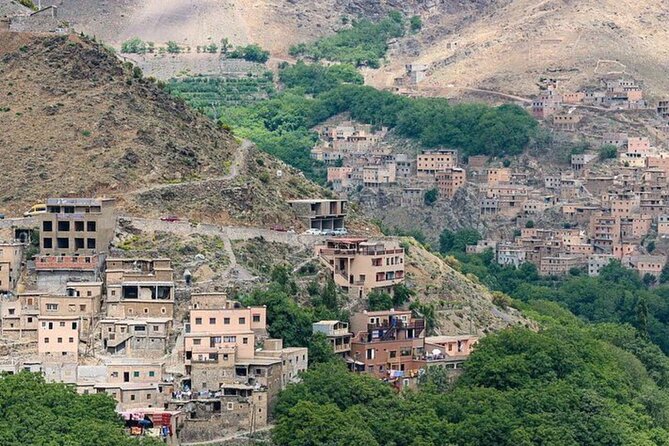
- Berber cook + Berber family home setting with a traditional riad feel
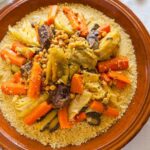
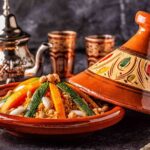
- Hands-on cooking for classic dishes like chicken tajine and couscous
- Lunch included, turning your work into a shared meal
- Pickup and dropoff by air-conditioned vehicle for an easier medina experience
Why This Marrakech Cooking Class Feels More Real Than Usual
If you’ve done a cooking class before, you know the common pattern: quick demo, you chop a few things, then you eat. This format does it in a more Marrakech way—spices, ingredients, and people come first, so the food lands with meaning.
You’ll start in the medina area with a local market stop, where the point isn’t just shopping. It’s learning how Moroccan cooks think: what’s fresh, what’s aromatic, what’s worth buying for a tagine or couscous dish. That changes the class from a generic lesson into a mini education you can actually use later.
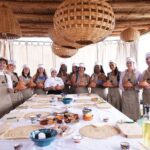
Then you go to a Berber family home setup, described as a traditional riad with welcoming hospitality. The message is clear: you’re not in a classroom. You’re in somebody’s kitchen world, and the rhythm of the day helps you absorb the steps.
And yes, it’s practical. You’re learning core techniques—how tagines are built, how couscous is handled, and what it means when bread is freshly baked. You don’t leave with a stack of theory. You leave with an idea of how these dishes come together.
You can also read our reviews of more tours and experiences in Marrakech.
10:00 am Pickup, A/C Comfort, and a Simple Medina Plan
The tour begins at 10:00 am and runs about 4 hours. Pickup and dropoff are included, which matters in Marrakech because getting around at the wrong time can feel like a puzzle.
Your start point is Hôtel AliRue Moulay Ismail, Marrakech 40000, and the experience ends back at that same meeting point. That’s a small detail, but it reduces stress. You’re not trying to navigate back through narrow streets while your appetite is already doing cartwheels.
You’ll travel by air-conditioned vehicle, plus you’ll have bottled water and snacks during the day. This is one of those “why didn’t I notice this earlier?” inclusions. In warm weather, the ride and small refreshments help you stay focused on cooking instead of overheating and getting cranky.
If you like things organized—clear start time, return to the same place—this style is built for you.
The Market Visit: Spices, Produce, and Choosing What Matters
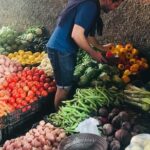
The market stop is a big part of why this experience is worth your time. It’s where you handpick ingredients used in Berber cuisine, guided by your local host and the cook.
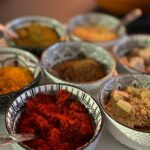
In practical terms, this means you’re not guessing later. You’ll understand which ingredients are essential for the dishes you’re preparing—especially spice blends and key aromatics that shape the final flavor. Even if you don’t remember every name, you’ll remember the logic: how certain spices work together and what fresh produce contributes.
You also get to experience the market environment in a way that feels purposeful. You’re there to pick, ask, and decide, not just wander with your phone out.
One more advantage: once you’ve chosen ingredients, cooking at the home feels like continuation, not a reset. You’ll be able to connect the smell of spices in the stalls to the scent rising from the pot later.
If you’re someone who likes markets but hates “free time” that turns into aimless walking, this structured ingredient hunt is a good compromise.
Back at the Berber Family Home: Riads, Techniques, and Real Cooking
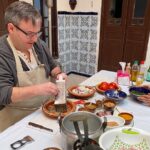
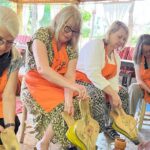
After the market, you return to the family home for the cooking portion. The setting is described as a traditional riad with intricate tiles and welcoming hospitality. That matters more than you might think: it’s easier to relax and learn when the space feels like it belongs to the family, not a staged venue.
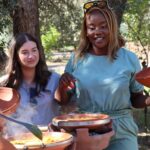
The class is hosted by a Berber cook, and you also have a local-speaking hoster. The goal here is simple—clear guidance while you cook, not complicated lectures. You’ll work on classic dishes that match what Marrakech visitors actually come for.
The dishes you’ll prepare include:
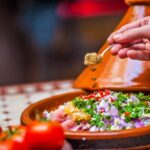
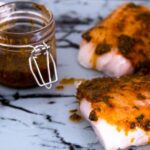
- Tagine (including chicken tajine in the examples shared)
- Couscous
- Freshly baked bread
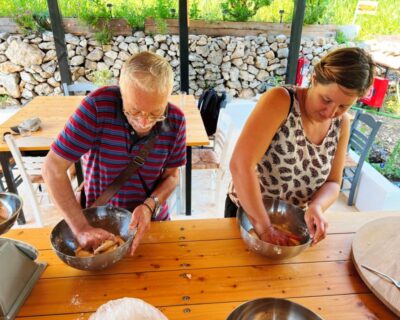
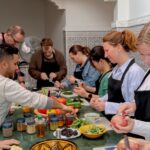
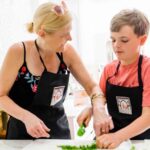
Hands-on cooking is the key phrase. You’ll be doing the work as the meal comes together, with steps guided along the way. That’s what lets you take something home mentally, even if you never plan to cook all of it again.
Here’s what you can look for while you cook:
- Spice timing: when spices go in and why
- Building flavor: how aromatics and fats shape the sauce
- Couscous method: how texture gets handled during the process
- Bread moment: the feel of baking something fresh as part of the meal
Also, since it’s family-style, the flow is likely to feel like a real day in the kitchen. That’s usually where people learn the most—through small cues and practical explanations rather than formal instruction.
The Shared Feast: Lunch Included (and You’ll Want to Stay for It)
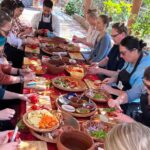
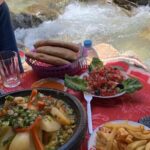
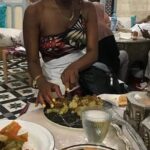
This ends with a shared feast. And because lunch is included, you don’t have to do the “tour stomach math” afterward—how much food will you miss, where should you eat, what if everything’s closed.
Snacks and bottled water are included, and the main meal is part of the experience. Extra drinks are not included, so if you like tea, soda, or anything alcoholic, plan to purchase that separately.
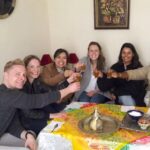
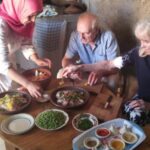
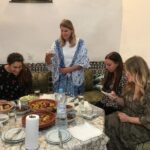
This meal moment is more than eating. It’s the payoff for the ingredients you chose and the work you did. You’ll taste what your dish-building steps created, and you’ll likely see how the family serves everything together—part of Berber and Moroccan dining culture.
If you tend to rush meals while traveling, this is one of those experiences that encourages you to slow down. You’ll sit, share, and get the food the way it’s meant to be eaten: hot, communal, and grounded in the day’s effort.
Price and Value: Why $93.96 Can Make Sense
The price is $93.96 per person, and the tour runs about 4 hours. That puts it in the “not cheap, but not absurd” cooking-class category—especially once you count what’s included.
You get:
- Pickup and dropoff
- Air-conditioned vehicle
- Market visit
- Snacks + bottled water
- Lunch
- Berber cook plus local hosting support
- Mobile ticket
So you’re paying for more than a stove session. You’re paying for transportation, market guidance, and the fact that you’re cooking in a family kitchen with a real cook, not just inside a rented cooking studio.
Group size also matters for value. The activity lists a maximum of 99 travelers, which sounds large on paper. In practice, the cooking portion is usually guided by the cook and host with groups functioning around the kitchen flow. Still, if you dislike large groups, ask your provider if the group is small that day. The best classes feel like you’re learning alongside a handful of people, not marching through a kitchen line.
Bottom line: if you care about authenticity and want the full market-to-table arc, this is fairly priced. If all you want is a quick cooking workshop with minimal walking and low cost, you might find cheaper options—but you’d likely trade away the market and family-home component that make this one feel like Marrakech.
Timing Tip: Start at 10:00 am, Then Plan Your Afternoon
Because the start time is 10:00 am and the duration is about 4 hours, you’ll likely finish around early to mid-afternoon. That’s ideal if you want one main cultural activity day and then free time afterward.
A cooking class also works well before you do heavy sight-seeing, because you’ll have a meal in the middle of the day. You won’t be hunting for lunch like everyone who thought they could “just find something” later.
If you want to build a full itinerary around it, treat it like your anchor activity. Then you can plan a museum, a souk stroll, or a hammam afterward without worrying about hunger.
Who This Marrakech Berber Cooking Class Is Best For
This experience is a strong match for you if:
- You want hands-on cooking of classic Moroccan dishes
- You enjoy markets and want a reason to be there
- You like learning food culture through ingredients, not just recipes
- You prefer guided coordination with pickup and dropoff
It’s also a good fit for solo travelers who don’t want to eat alone. The shared feast format tends to create an easy social rhythm.
It may be less ideal if:
- You hate any walking through markets (even structured ingredient picking involves movement)
- You need very quiet, minimal interaction
- You’re expecting a private one-on-one cooking lesson (the group size cap is wide)
If you’re traveling with kids, the data says most travelers can participate, so you should check suitability with the operator for age comfort and kitchen pace. Service animals are allowed, which can be reassuring if that’s relevant for you.
Should You Book This Cooking Class?
I’d book it if you want the Marrakech food experience to feel connected—market to kitchen to lunch—led by a Berber cook in a family setting. The best part is that the cooking isn’t happening in a vacuum. You’re learning why ingredients matter, then turning it into tagine, couscous, and bread.
Skip it only if your goal is the absolute cheapest cooking lesson or you don’t like medina-area logistics. Otherwise, this is a solid choice for a first-timer food day or a return visit when you want something more human than a standard show-and-eat.
If the schedule works and the weather looks good, this one is an easy yes.
FAQ
How long is the Marrakech tradition Moroccan cooking class?
It’s about 4 hours.
What time does the tour start?
It starts at 10:00 am.
Where is the meeting point?
The tour starts at Hôtel AliRue Moulay Ismail, Marrakech 40000, Morocco.
What’s the price per person?
The price is $93.96 per person.
Does it include pickup and dropoff?
Yes. Pickup and dropoff service are included, and you return to the meeting point.
Is lunch included?
Yes. Lunch is included, along with snacks and bottled water.
What can I expect to cook?
You’ll prepare Berber cuisine classics such as tagine, couscous, and freshly baked bread.
Are extra drinks included?
No. Extra drinks are not included.
Is the tour affected by weather?
Yes. The experience requires good weather. If it’s canceled due to poor weather, you’ll be offered a different date or a full refund.
What’s the cancellation policy?
Free cancellation is available. You can cancel up to 24 hours in advance for a full refund. If you cancel less than 24 hours before the start time, the amount you paid isn’t refunded.