REVIEW · LISBON
Lisbon Cooking Class with Market Experience
Book on Viator →Operated by The Chefs Company · Bookable on Viator
Markets make cooking classes make sense. This Lisbon experience pairs a guided visit to Mercado de Algés with a kitchen session led by friendly, patient instructors, so you learn food and where it comes from. I especially like the hands-on flow (shop, cook, eat) and the small-group setup with personalized attention.
You’ll get a full, sit-down lunch out of it, with an exclusive fish and seafood format. In other words, you’re not just watching cooking tips; you’re working with Portuguese techniques and seasonings as you build a starter, main course, and dessert.
One consideration: the class isn’t recommended for vegans and it isn’t set up for food allergies. If you’re bringing dietary needs, plan ahead and communicate them early.
In This Review
- Key points at a glance
- Mercado de Algés: shopping for flavor in the morning
- From market bags to a real kitchen: how the class works
- Starter, main, dessert: what to expect from the menu
- Portuguese techniques you can reuse at home
- Dietary needs: vegetarian options, but know the limits
- Price and value: is $108.26 worth your time?
- Getting there and planning your day in Lisbon
- Should you book this Lisbon fish and seafood cooking class?
- FAQ
- FAQ
- Where is the meeting point for the Lisbon Cooking Class with Market Experience?
- What time does the experience start?
- How long does the experience last?
- Is the class taught in English?
- How large is the group?
- What will we cook during the class?
- Is this a fish-and-seafood class, or can it work for vegetarians?
- If I have dietary restrictions, how far in advance do I need to tell the provider?
- Is the tour suitable for children?
- What is the cancellation policy?
- What happens if the weather is bad?
Key points at a glance
- Algés market first, cooking second for smarter ingredient choices
- Fish and seafood focused with a starter, main course, and dessert
- Max 10 travelers, so questions don’t get lost
- Vegetarian menu options exist, but vegans and allergy guests should think carefully
- English instruction with a guided explanation of Portuguese food traditions
- Good-weather dependent, with a plan if conditions are poor
Mercado de Algés: shopping for flavor in the morning
This tour starts at Mercado de Algés, on R. Dr. Manuel de Arriaga (1495-037 Algés). The meeting point matters here because the market isn’t just a backdrop. It’s the learning engine. You start at 10:00am, with a schedule built around seasonal products and the smells that tell you what’s fresh.
What you’ll do in the market is simple and effective: you walk, look closely, and learn how to think about ingredients before heat ever hits the pan. You’ll be shown what to look for in fish and seafood, and also how vegetables and other produce fit into Portuguese-style cooking. Expect lots of practical “how do you choose this?” talk, not just general facts.
Why this part is so valuable: in Portugal, many dishes taste the way they do because the ingredients are chosen well. A market stop turns your cooking class into a real skill, because you’ll carry the decision-making home. After you’ve seen how instructors guide selection, you’ll likely start asking better questions at restaurants and when you shop for yourself.
A quick tip: wear comfortable shoes. Market floors can be slick or uneven, and the value of the morning is in moving at a calm pace while your guide explains what you’re seeing.
You can also read our reviews of more tours and experiences in Lisbon.



From market bags to a real kitchen: how the class works
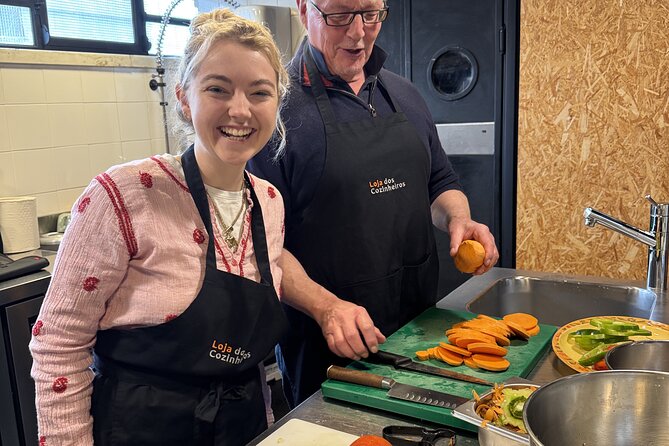
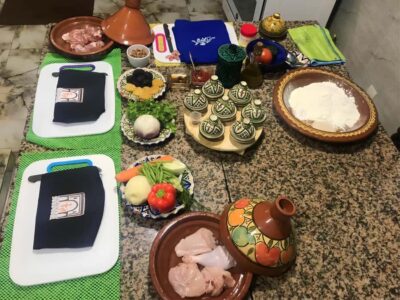
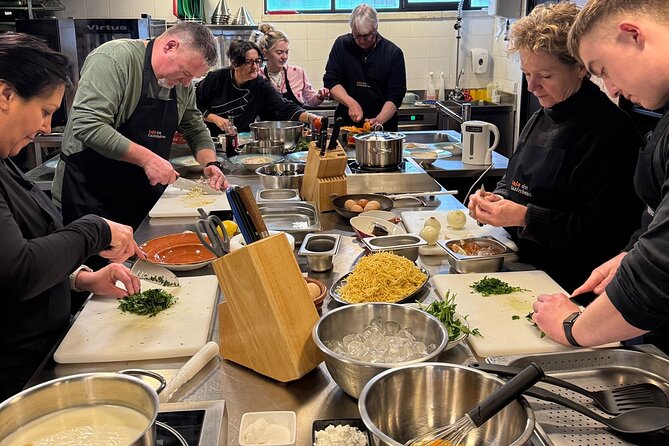
After the market visit, you head back to cook. The class is set up for a fish and seafood menu and includes lunch. That lunch format is part of the deal: you’ll prepare a full starter, main course, and dessert, then sit down together to eat what you made.
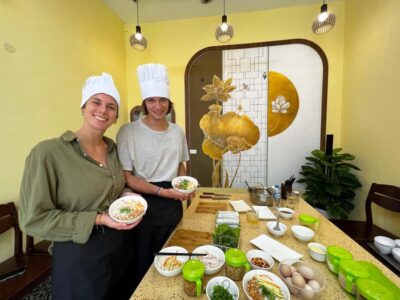
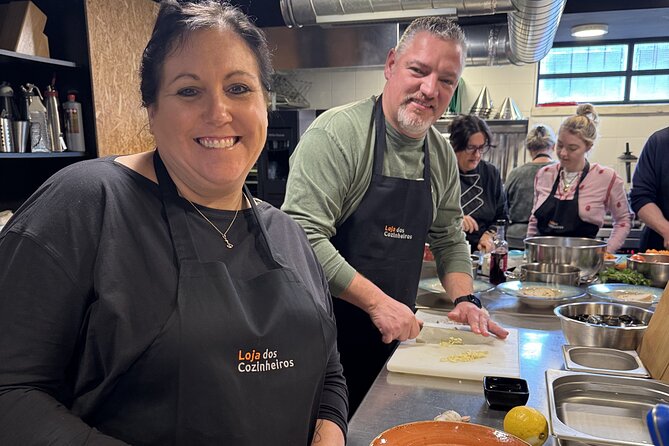
The group size is capped at 10 travelers, which changes the experience. With a larger group, people get stuck waiting their turn. Here, you’re more likely to get hands-on attention when you hit a technique question—like seasoning steps, timing, or how you handle ingredients. One highlight in the feedback I considered: instructors were described as kind and patient, including help for someone who wasn’t feeling their best. That’s reassuring if you’re nervous about cooking skills.
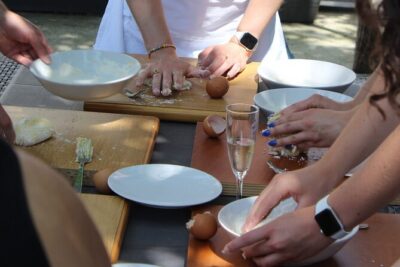
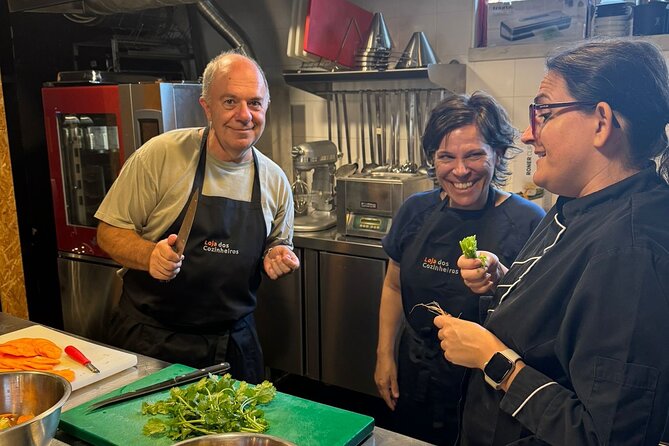
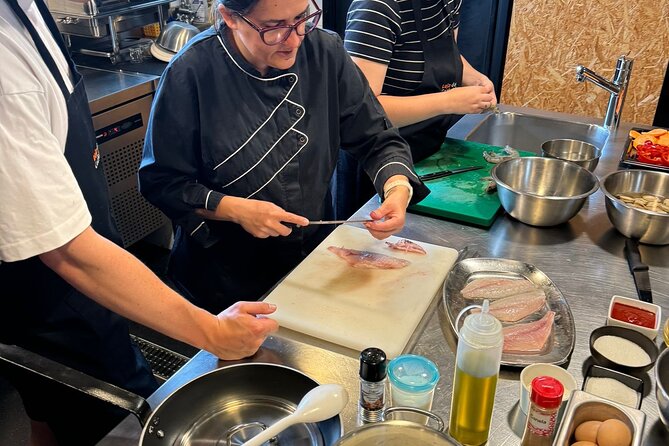
You’ll also learn techniques in a way that feels grounded. The lesson isn’t just what to do; it’s the reasoning behind it. As you chop, mix, and season, the guide explains Portuguese cooking traditions and how different flavors and textures come together. It’s that combination—work at the cutting board plus an explanation—that makes the time feel useful instead of performative.
Because this is a three-course class, the pacing is steady. You’ll get enough time to learn each step, rather than the rushed “one dish only” style that can leave you with half-understood cooking.
Starter, main, dessert: what to expect from the menu
This is an exclusive fish and seafood cooking class, so the menu will focus on the kinds of dishes Portuguese kitchens build around seafood and coastal flavors. Even without a detailed dish list in the information provided, you can rely on the structure:
- You’ll start with a starter (something lighter to set the flavor direction)
- You’ll move to the main course (where most of the technique and taste building happens)
- You’ll finish with a dessert so the meal feels complete
That structure is one reason this works well for food-focused travelers. You’re not just sampling a bite and moving on—you’re building a whole meal with guidance. And since you eat together at the end, it’s easier to connect what you did in the kitchen with what ends up on your plate.
If you’re the type who likes to learn by doing, this format is practical. You’ll come away with a stronger sense of how to sequence cooking tasks, when to adjust seasoning, and how to shape flavors so they don’t taste flat on their own.
Portuguese techniques you can reuse at home
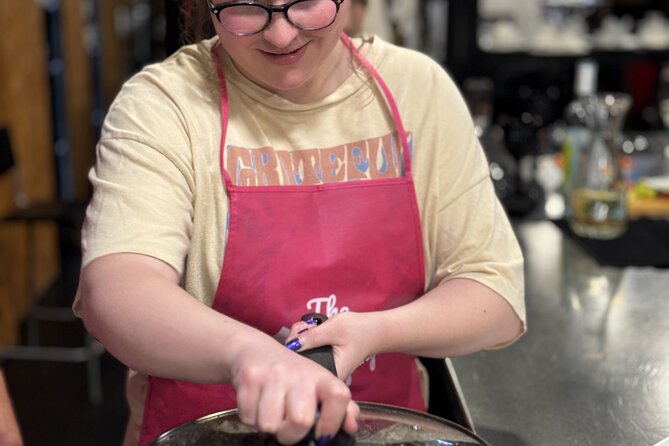
The market-to-kitchen structure doesn’t only make the meal more fun. It gives you techniques you can reuse. The cooking portion is hands-on, with plenty of time for chopping, mixing, and seasoning under guidance.
What you’re likely to learn (based on how the class is described):
- how Portuguese cooks approach seasoning, not just adding salt at the end
- how to prepare ingredients efficiently (so flavor steps aren’t rushed)
- how starter and main techniques differ, even when they share similar ingredients
- how dessert fits into the pacing and flavor logic of the meal
One of the most useful takeaways from classes like this is not a single “secret recipe.” It’s decision-making. You’ll get better at asking: What should I taste for right now? What adjustment matters at this stage? That’s the kind of skill that travels home with you.
And because you’re learning within Portuguese food traditions, it’s a chance to compare what you know from other cuisines. You may find that some flavor patterns are very Portuguese in feel—especially around seafood and how it’s balanced.
If you’re worried you’ll forget everything by the time you’re home, take a simple approach: write down the steps you were doing as you go. You’ll remember more than you expect.
Dietary needs: vegetarian options, but know the limits
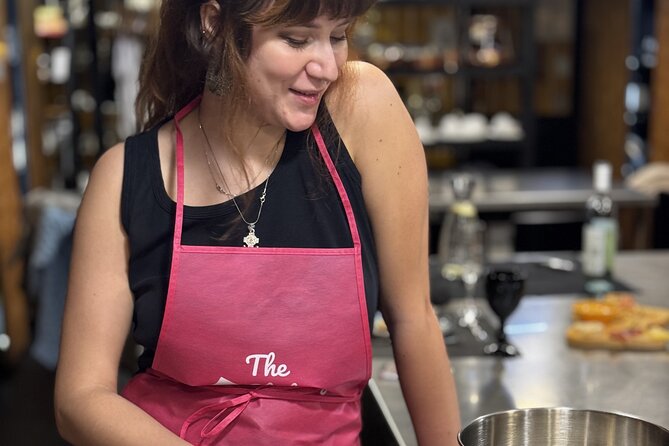
This experience can adapt for vegetarians, but it’s not designed for everyone. The info provided is clear: the menu can be adjusted to vegetarian options, but it’s not recommended for vegans and it’s not recommended for people with food allergies.
Also, there’s a timeline: dietary restrictions need to be communicated at least 72 hours in advance. That matters because seafood-focused cooking classes have shared ingredients and planning takes time. If you’re considering booking with restrictions, give yourself a buffer and contact the provider early.
Who this fits best:
- People who eat seafood or are comfortable with a seafood-centered class
- Vegetarians who can eat a menu adapted to vegetarian alternatives
- Food lovers who want Portuguese techniques with real ingredient context
Who should think twice:
- Vegans (not recommended)
- Anyone with food allergies (not recommended)
If you’re unsure where you land, treat the 72-hour advance notice as part of your responsibility here. You’ll get a clearer answer and avoid disappointment.





Price and value: is $108.26 worth your time?
At $108.26 per person, this sits in the “serious cooking class” price range. The question is what you’re buying for that money.
You’re not only paying for an instructor. You’re paying for:
- a guided visit to the Algés market
- a full three-course cooking experience
- lunch included
- an English-speaking guide/instructor
- a small group size (max 10), which usually improves your attention-to-time ratio
Also, the market component is a value booster. Ingredient selection is a skill, and the class is built around teaching it. When you add that to the fact you’ll sit down and eat what you made, the cost feels more balanced than “cook for an hour, then leave.”
One more practical value point: the feedback I saw highlighted the personal touch and the quality of instruction. That kind of guidance is hard to replicate on your own at home, especially if you’re trying to cook Portuguese dishes without a clear framework.
If you’re doing just one cooking class in Lisbon, this is a strong candidate. If you’re comparing options, prioritize those that combine market shopping and cooking with meal included.
Getting there and planning your day in Lisbon
This starts at 10:00am and runs about 3 hours. It ends back at the meeting point, so you’re not dealing with a complicated transit finish. The meeting location is described as near public transportation, which makes morning logistics easier.
Algés is not in central Lisbon, so you’ll likely spend some time getting there and back. One travel note from the provided feedback described it as about a 15-minute ride from downtown Lisbon, and that matches how these coastal-adjacent food experiences often work. The key is that you’re going to a real market area, not a tourism-only version.
If you’re timing your day, think of this as a “morning food anchor.” Do this and you’ll have lunch handled, plus you’ll get grounded in Portuguese ingredients before you wander for the rest of the trip.
Because the experience requires good weather, plan to keep your schedule flexible. If conditions are poor, you’ll be offered a different date or a full refund.
Should you book this Lisbon fish and seafood cooking class?
Book it if you want a cooking class that feels like part of local life, not a staged show. The market-to-kitchen structure is the big reason to choose it: you learn how to pick ingredients in Algés and then cook a full starter, main, dessert meal with guidance. If you like hands-on learning and you enjoy seafood (or you can join the vegetarian-adapted menu), this is a great match.
Skip it (or at least ask a lot of questions) if you’re vegan or you have any food allergies. The information provided doesn’t recommend those situations, and that’s not the place to gamble.
If you’re traveling with kids, the minimum age is 8 years, so it can work for family food time as long as everyone is comfortable with the pace and the seafood focus.
FAQ
FAQ
Where is the meeting point for the Lisbon Cooking Class with Market Experience?
The meeting point is Mercado de Algés, located at R. Dr. Manuel de Arriaga, 1495-037 Algés, Portugal.
What time does the experience start?
The start time is 10:00am.
How long does the experience last?
It’s approximately 3 hours.
Is the class taught in English?
Yes, the experience is offered in English.
How large is the group?
The tour has a maximum of 10 travelers.
What will we cook during the class?
You’ll prepare a starter, a main course, and a dessert as part of the fish and seafood cooking class.
Is this a fish-and-seafood class, or can it work for vegetarians?
It’s an exclusive fish and seafood class. The menu is adaptable to vegetarians, but it is not recommended for vegans.
If I have dietary restrictions, how far in advance do I need to tell the provider?
You must communicate dietary restrictions at least 72 hours before the start of the reserved class.
Is the tour suitable for children?
Yes. Children from 8 years old can join.
What is the cancellation policy?
Cancellation is free up to 24 hours in advance for a full refund. If you cancel less than 24 hours before the start, the amount paid is not refunded.
What happens if the weather is bad?
The experience requires good weather. If it’s canceled due to poor weather, you’ll be offered a different date or a full refund.