REVIEW · OSAKA
Osaka: Cooking Class Ramen & Gyoza Course in Nanba
Book on GetYourGuide →Operated by 株式会社XLSWORLD · Bookable on GetYourGuide
Ramen stops being a restaurant trick when you make it yourself. This Osaka class in Nanba-area Chuo Ward turns ramen noodles and gyoza into a hands-on dinner you actually understand, not just copy.
I like that you’re guided step-by-step by friendly pros, with instruction in English and Japanese. I also like the payoff: you cook for about 1.5 hours, then sit down for the tasting with drinks, and you get recipe cards to take home.
One thing to consider: it’s a small-group class in a kitchen setup (not a show), so you should be ready to chop, mix, and fold dumplings rather than just watch.
In This Review
- Key Highlights You’ll Notice Fast
- Why This Osaka Class Feels Like Real Japanese Cooking
- Price and What $70 Buys You in Osaka
- Meeting Point: Finding Dear Court Semba 303 Without Stress
- 30 Minutes of Orientation: Prep That Makes Cooking Go Smooth
- The 1.5-Hour Cooking Sprint: Ramen Noodles and Gyoza Folding
- Making Ramen: From Flour Work to Noodle Texture
- Gyoza: The Filling and the Fold (Yes, It Matters)
- Drinking and Dinner: The 1-Hour Tasting Session
- Small-Group Energy: Why the Hosts Matter (and Names You’ll Hear)
- Take-Home Recipes: What You’ll Actually Use Later
- Practical Notes: What’s Included, What’s Not, and What to Expect
- Who This Osaka Class Is Best For (and Who Should Skip)
- Should You Book This Osaka Ramen and Gyoza Course?
- FAQ
- How long is the Osaka ramen and gyoza cooking class?
- What dishes will I make in this course?
- Is this class suitable for beginners?
- What’s included in the $70 price?
- What drinks are included during the tasting?
- Do I get recipes to take home?
- Where is the meeting point and how do I enter?
- Is hotel pickup or drop-off included?
- Do I need to book ahead, and can I cancel for a refund?
Key Highlights You’ll Notice Fast
- Small group, up to 8 people: more questions, less waiting your turn.
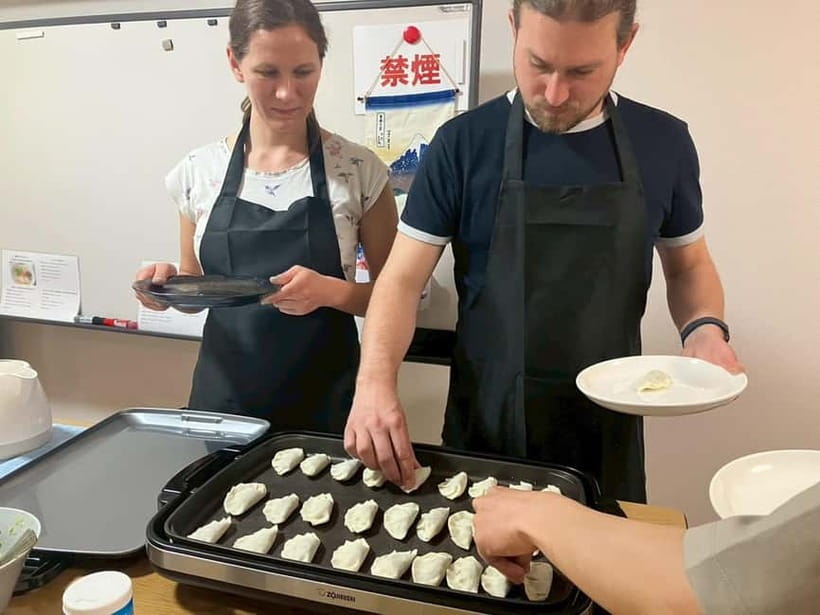
- Noodles and dumplings from scratch: ramen flour work and proper gyoza technique.
- 30-minute prep orientation: you start cooking with fewer surprises.
- 1-hour tasting with drinks: sake, beer, and soft drinks included.
- Recipe cards to take home: you’ll have a real reference for recreating the meal.
Why This Osaka Class Feels Like Real Japanese Cooking
Osaka is famous for street food and late-night cravings, but this experience goes one level deeper. You’ll learn two classics at the same time: ramen (Japanese noodle soup) and gyoza (dumplings with a savory filling). The point isn’t just taste. It’s learning how the flavors are built and why certain steps matter.
The atmosphere is also surprisingly social. People often describe it like cooking with friends, and that makes sense: you’re working in a small group, sharing tasks, and chatting as you go. Even the “serious” moments, like folding gyoza or getting noodle texture right, feel playful because your hosts are right there to correct and encourage.
You can also read our reviews of more tours and experiences in Osaka.
Price and What $70 Buys You in Osaka
At around $70 per person for a 2-hour experience, the value here is in the kitchen time plus the guided results. You’re paying for real instruction (not just tasting), plus all ingredients and tools. That’s important because ramen and gyoza can be ingredient-heavy, and some items are awkward to source once you’re home.
You also get a clear structure: 30 minutes of orientation and prep, 1.5 hours of cooking, then 1 hour eating what you made. Many food experiences in Japan stop at a quick demo or a short bite. Here, the “full meal” part is built into the schedule.
The only financial caveat is that drinks are only what’s included during the tasting session. Anything beyond that is on you. If you’re the type who likes to keep ordering cocktails with dinner, set expectations before you arrive.
Meeting Point: Finding Dear Court Semba 303 Without Stress
You’ll meet at Dear Court Semba 303, in Chuo Ward (Bakurōmachi), Osaka 541-0059. This isn’t a big hotel lobby, and that’s good and bad: good because it feels local, bad because you must find the right building.
Here’s how entry works. When you arrive, use the doorbell panel at the entrance. Press 303, then the button labeled 呼 (Call). Once the door opens, go to Room 303 on the 3rd floor using the stairs or elevator.
A practical tip: think “apartment building kitchen.” One guest described the area as tucked behind other businesses, with the kitchen entry feeling hidden compared to street-level storefronts. Your best strategy is simple: arrive a touch early, and don’t be shy about calling or messaging if you’re unsure.
30 Minutes of Orientation: Prep That Makes Cooking Go Smooth
Before anyone starts making dough or stuffing dumplings, you get a quick orientation and preparation session. This is more than housekeeping. It’s where you learn the workflow so the class doesn’t turn into frantic “do I chop this or wait?”
During this first stretch, you’ll get set up with the tools and ingredients that are already prepared for the class. Hosts who lead the session—often names like Ryota, Keiichi, Mimi, Nana, Yuriko, and Saya show up as instructors in different runs—tend to explain steps clearly and check that you’re doing things the right way.
You can expect guidance on things like:
- how your station is set up
- what each ingredient is for
- how ramen components come together
- the order of gyoza steps so nothing gets stuck
If you’re worried about being a beginner, this is the part that helps. You’re not thrown into chaos. You’re coached into the rhythm.
The 1.5-Hour Cooking Sprint: Ramen Noodles and Gyoza Folding
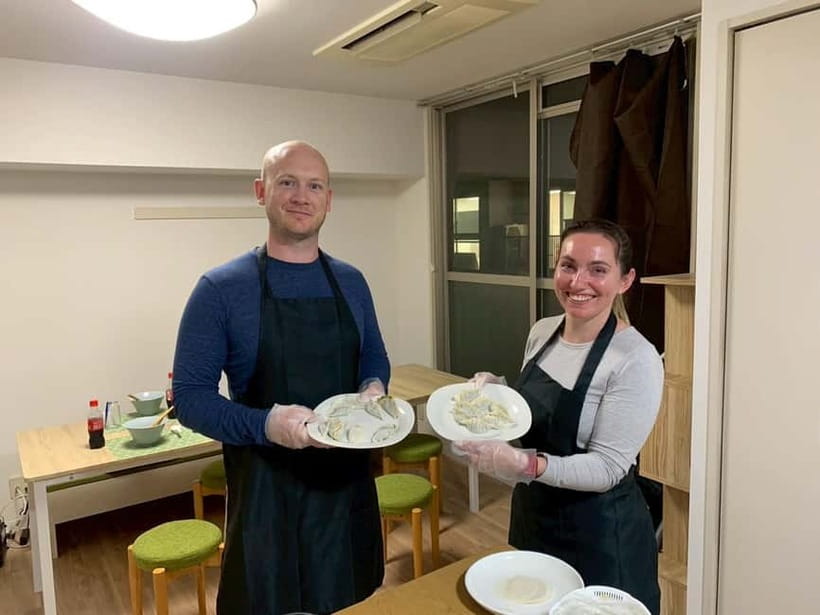
This is the heart of the class. You’ll cook for about 1.5 hours, and it’s genuinely hands-on—chopping, mixing, and shaping.


Making Ramen: From Flour Work to Noodle Texture
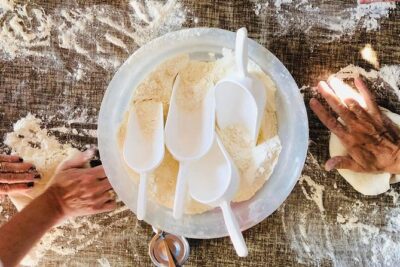
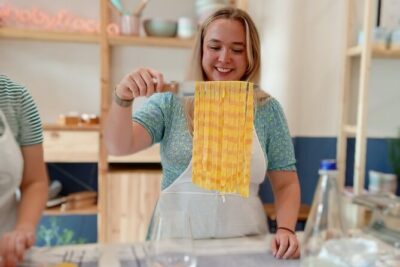
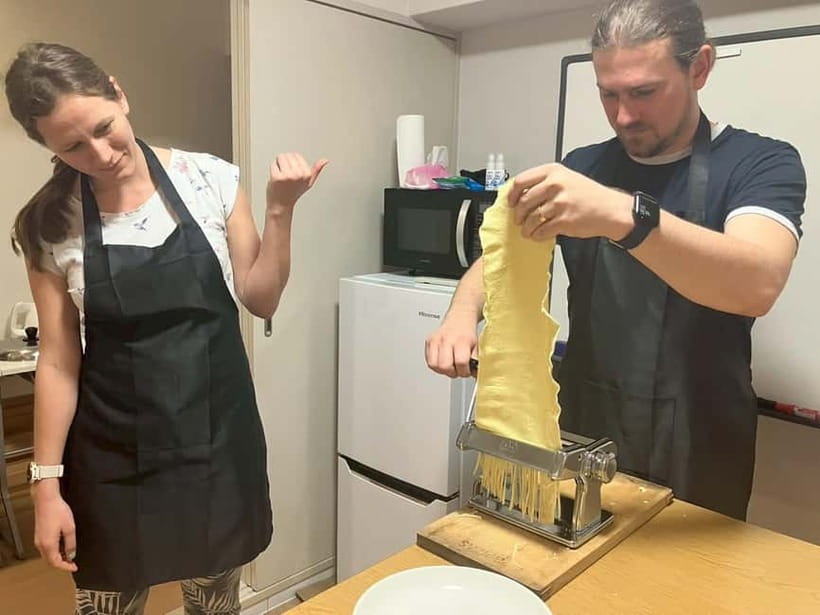
Many ramen cooking classes focus on broth or toppings. This one goes further by letting you participate in the noodle process. Guests often highlight making the ramen noodles from scratch and working with the flour.
That matters because ramen noodles aren’t just “carbs.” Texture is the backbone of the dish. When you handle the dough and see how the process changes it, you start to understand why ramen can taste so different from one bowl to another.
You’ll also learn how ramen elements are meant to balance. Even if you don’t become a noodle artisan by the end, you’ll leave with a clearer sense of what gives good ramen its character.
Gyoza: The Filling and the Fold (Yes, It Matters)
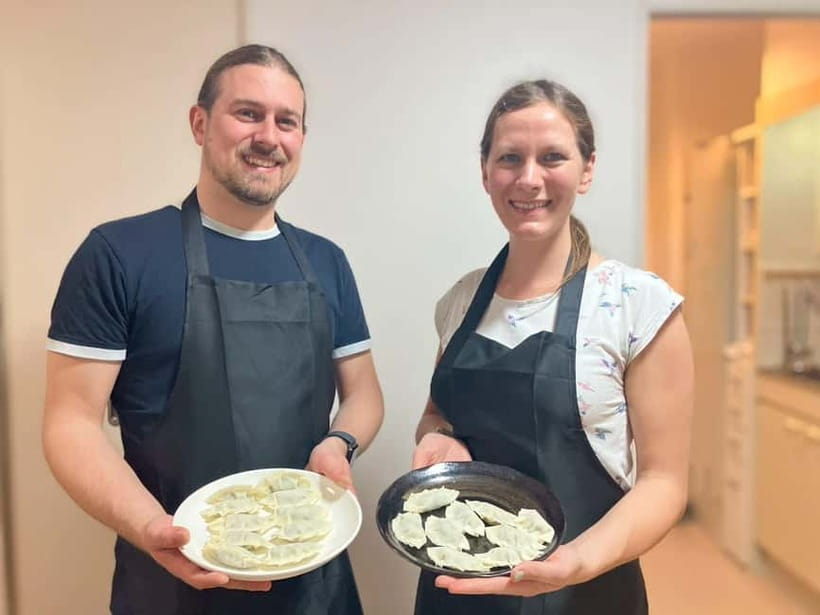
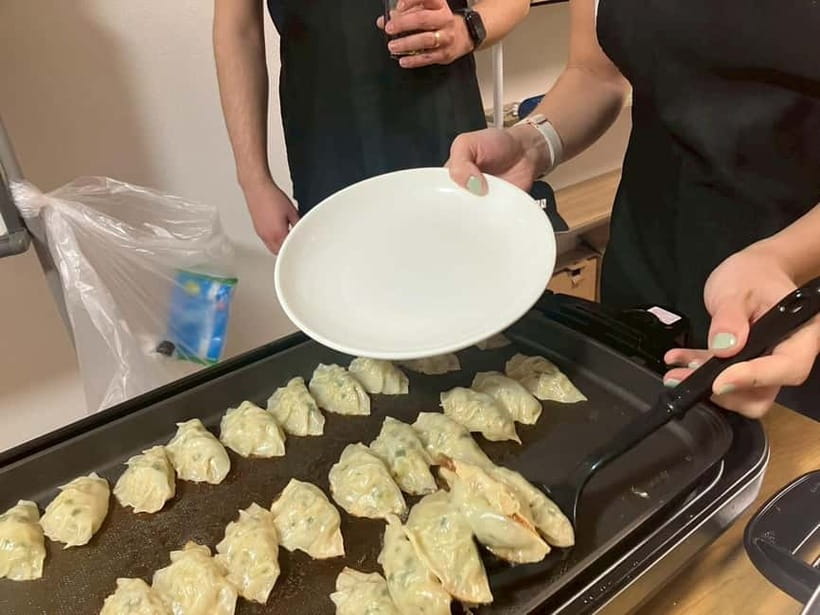
Gyoza is where the class gets extra fun. You’ll work on making vegetable and pork dumplings, then learn the folding technique. This is one of those skills that looks easy until you try it.
In reviews, people keep returning to the folding technique and the patience of instructors. Hosts like Yuma and Keiichi are specifically credited for steady, detailed teaching—exactly what you want when you’re trying to get that sealed edge and the right dumpling shape.
What you’ll take away:
- how the filling is prepared and portioned
- how to fold so the dumpling holds together
- how careful technique affects final results
And yes, you’ll probably want to keep practicing after class. It’s the kind of skill that makes you feel oddly proud when it clicks.
Drinking and Dinner: The 1-Hour Tasting Session
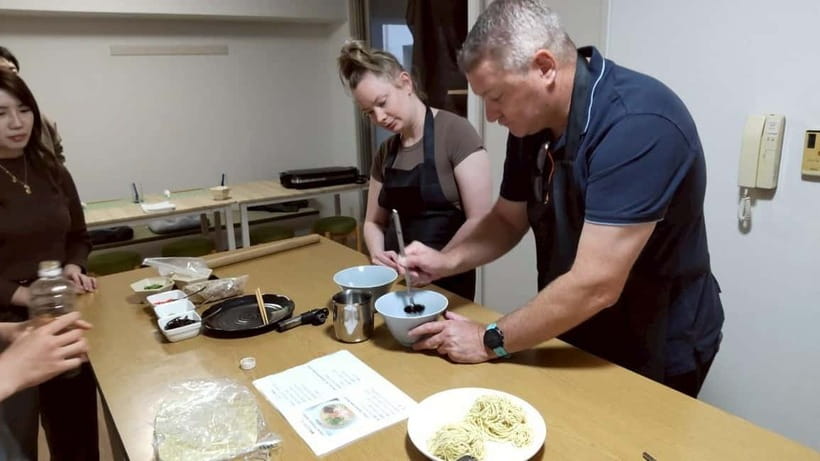
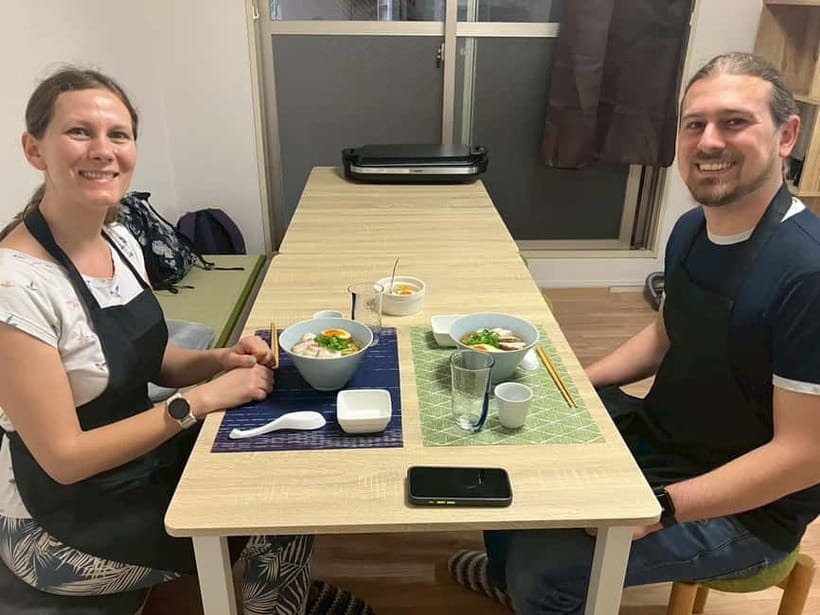
After cooking comes the best part: eating what you made. You’ll have a 1-hour tasting session paired with drinks like sake, beer, and soft drinks. The class is structured so you sit down and enjoy the meal right away instead of rushing out hungry.
This tasting time isn’t just free food. It’s the “connect the dots” phase. When you taste your own ramen and gyoza, you can match the flavor to the steps you did earlier:
- How the broth tastes after the components come together
- How dumpling seasoning lands after folding and cooking
One more small win: being able to taste immediately means your questions stay relevant. If something tasted too strong or not strong enough, you’ll remember exactly when it happened.
Small-Group Energy: Why the Hosts Matter (and Names You’ll Hear)
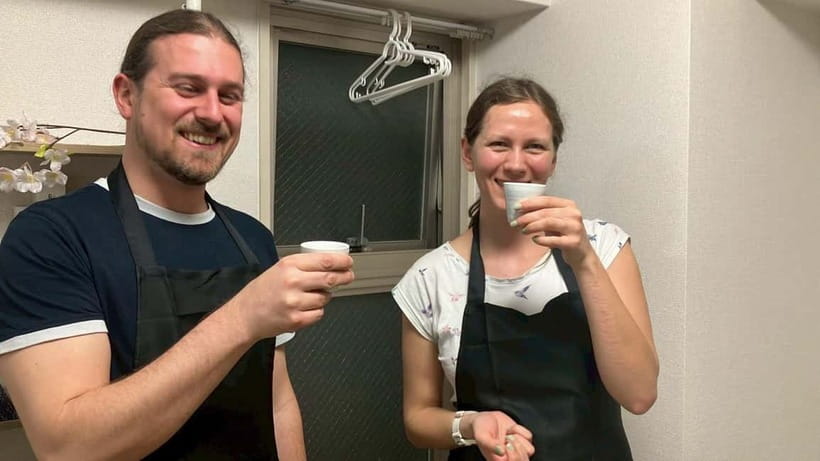
The small group size—limited to 8 participants—changes the whole feel of the class. You’re not watching from the sidelines. You’re working next to the instructor, and you can ask questions without feeling like you’re interrupting a production line.
Hosts often rotate, but you’ll likely meet people like Nana, Yuriko, Ryota, Keiichi, Mimi, Yuma, Saya, and Kiho depending on your session. Guests consistently mention welcoming personalities and patient guidance, especially for hands-on tasks like noodle making and gyoza folding.
That matters for your results. Cooking is a skill you learn by correction. If you can’t hear or see the adjustment, you repeat the same mistake for 90 minutes. In this class, the setup makes it easier to get instant feedback.
Take-Home Recipes: What You’ll Actually Use Later
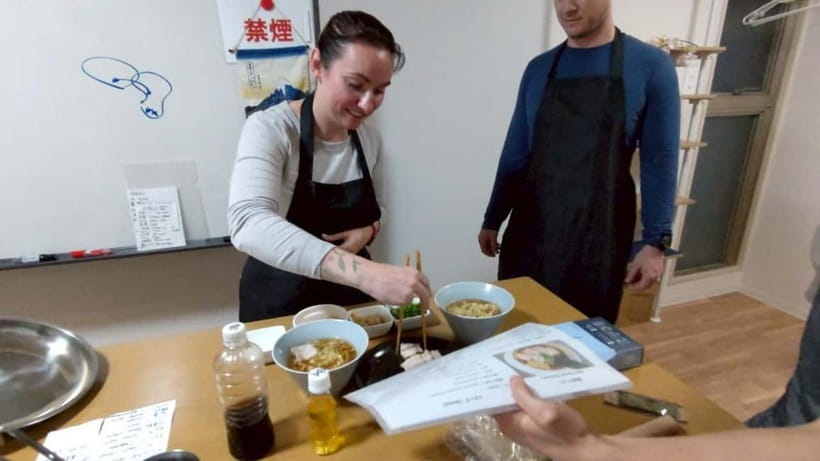
You get recipes to take home, which is a big deal if you want more than a fun night in Osaka. Recipe cards help you recreate the ramen and gyoza without guessing what you did or what the ingredients were called.
The best part is that you’ll have confidence because you did the steps yourself. Ramen kits at home can feel like instructions for someone else’s cooking brain. Here, the experience connects the dots, so your kitchen attempts are more likely to succeed.
This is also why I think the class is worth planning for even if you cook sometimes at home. You’ll leave with a format you can follow, and you’ll know what parts are flexible and what parts need care.
Practical Notes: What’s Included, What’s Not, and What to Expect
Included
- All ingredients and cooking tools
- Expert guidance from Washoku professionals
- 30-minute orientation and preparation
- 1.5 hours of hands-on cooking
- 1-hour tasting with drinks (sake, beer, soft drinks)
- Recipe cards to take home
Not included
- Hotel pickup/drop-off
- Additional food and drinks beyond the tasting session
The “included ingredients and tools” piece is worth highlighting. It lowers friction. You’re not trying to track down obscure items on a tight schedule. You show up, cook, and learn with the materials the class is designed around.
Also, instruction is in both English and Japanese, so you should feel supported even if your Japanese is minimal.
One more useful detail from past participants: the class has accommodated vegan requirements for at least one group, and many people note vegetarian and vegan options were possible. If you have dietary needs, make that clear when you book so the team can plan.
Who This Osaka Class Is Best For (and Who Should Skip)
This experience is ideal if you fall into one of these buckets:
- You want a hands-on food lesson, not just a meal
- You like learning technique, especially noodles and folding dumplings
- You’re a beginner who wants step-by-step coaching
- You travel with friends or family and want an interactive activity
- You want a memorable Osaka evening that’s still practical afterward
It’s less ideal if:
- you only want to watch and never cook
- you need hotel pickup or a very “tour-bus” style experience
- you’re allergic to pork and didn’t confirm how your needs will be handled
If you want to improve at cooking, this class gives you the right kind of pressure: enough structure to learn, enough time to practice, and enough support to fix mistakes.
Should You Book This Osaka Ramen and Gyoza Course?
Book it if you want an evening that’s equal parts skill-building and dinner. The price makes sense because you’re paying for guided cooking time, not just eating. The small group setup also helps you actually learn, and the recipe cards give you something concrete afterward.
Skip it only if you dislike hands-on work or you’re expecting a casual drop-in where you do nothing but observe. This class works because you participate.
If you’re coming to Osaka and you want one food experience that’s both fun and useful, this ramen-and-gyoza night is a strong choice.
FAQ
How long is the Osaka ramen and gyoza cooking class?
The class runs for about 2 hours total, including a 30-minute orientation and preparation, 1.5 hours of hands-on cooking, and a 1-hour tasting session.
What dishes will I make in this course?
You’ll learn to make ramen (Japanese noodle soup) and gyoza (Japanese dumplings with vegetables and pork).
Is this class suitable for beginners?
Yes. The class is suitable for beginners and food enthusiasts, with guidance provided throughout in English and Japanese.
What’s included in the $70 price?
The price includes all ingredients and tools, expert instruction, the cooking and preparation time, a tasting session with drinks, and recipes to take home.
What drinks are included during the tasting?
The tasting includes drinks such as sake, beer, and soft drinks.
Do I get recipes to take home?
Yes. You’ll receive recipe cards so you can recreate the dishes at home.
Where is the meeting point and how do I enter?
Meet at Dear Court Semba 303. Press 303 on the doorbell panel, then press the button labeled 呼 (Call). Go to Room 303 on the 3rd floor after the door opens.
Is hotel pickup or drop-off included?
No. Hotel pickup and drop-off are not included.
Do I need to book ahead, and can I cancel for a refund?
Booking is essential, and you should book at least one day in advance. You can cancel up to 24 hours in advance for a full refund.