REVIEW · MARRAKESH
Marrakech: Moroccan Cuisine Cooking Class in Local Home
Book on GetYourGuide →Operated by Reiseführer Abdo · Bookable on GetYourGuide
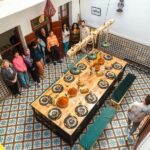
This class is what happens when Moroccan food is taught like family. You’re cooking a full menu in a local home in the medina, with Abdul (and other guides) guiding you step by step.
Two things I really like: you’ll get hands-on practice with tagines and Moroccan bread, and the session mixes cooking with tea-and-social-life storytelling so it feels cultural, not classroom-y. A small drawback to plan for: the medina is easy to get turned around in, so you’ll want to use directions carefully and wear shoes you can walk in.
In This Review
- What makes it work (and where to watch your step)
- Key highlights I’d circle on your plan
- Entering the Medina Right: How the Meeting Really Works
- Moroccan Bread and Tagine: What Your 3-Hour Flow Looks Like
- The bread moment
- Tagines: chicken and meatball versions
- Salads and zaalouk: the sides that make the meal
- Plating and eating together
- The Guide Factor: Abdul’s Style and Why It Matters
- Culture Comes With the Spices: Tea, Social Life, and Food Meaning
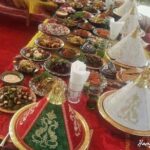
- The Menu Breakdown: What You’ll Make and How It Tastes Together
- Chicken tagine with olives and golden fries
- Meatball tagine with melted cheese
- Tomato and green pepper salad
- Zaalouk (eggplant dish)
- Moroccan bread
- Fruit salad dessert
- Price and Value: Is $24 Worth It in Marrakech?
- Who Should Book This Class (and Who Might Reconsider)
- Quick Practical Tips Before You Go
- Should You Book This Marrakech Cooking Class? My Call
- FAQ
- How long is the Marrakech Moroccan Cuisine Cooking Class in a local home?
- Where do we meet for the cooking class?
- What dishes are included?
- Is this cooking class beginner-friendly?
- Can the menu be adjusted for dietary restrictions?
- What should I bring?
- Is transportation included, and is it wheelchair accessible?
What makes it work (and where to watch your step)
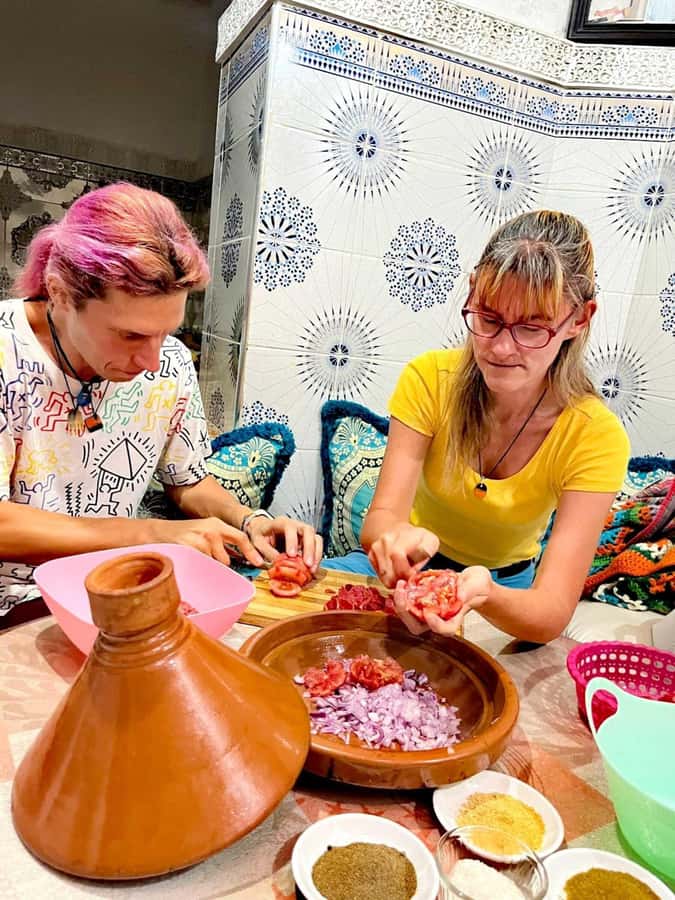
You’ll taste the payoff right away, eating the dishes you cook together in a real home setting. And you’ll leave with take-home recipes you can actually use, not just a vague “spices to taste” memory.
One thing to consider: you’ll be doing real prep work, so if you’re sensitive to kitchen heat, sharp smells from spices, or standing for a while, dress accordingly and pace yourself.
Key highlights I’d circle on your plan
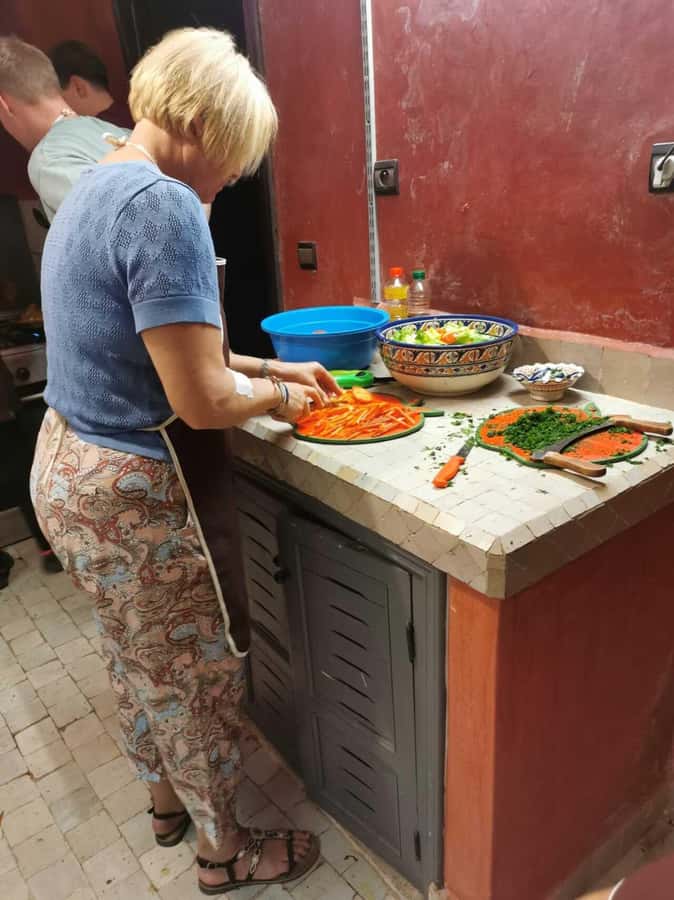
- Cooking in a local home, not a formal cooking school vibe
- Step-by-step tagine coaching so beginners can keep up
- Moroccan bread on the menu, freshly baked during the session
- Culture + tea stories, including tips about Moroccan socializing and tea drinking
- Small-group energy shows up often in the reviews (easy participation)
- Dietary changes possible, with meals adjusted when needed
You can also read our reviews of more tours and experiences in Marrakesh.

Entering the Medina Right: How the Meeting Really Works
You’ll meet your guide at the front of Riad les Etoiles Berberes. The guide waits about 10 minutes before the start time, but the key detail is this: meet in front of the riad, not inside. If you arrive early, hang outside and wait—don’t wander into the wrong doorway and hope.
Look for your guide using the green hat (they’ll also check names before you head off together). This is one of those tiny things that saves time and stress in Marrakech, especially because medina lanes can look identical from the outside. If you’re using your phone for navigation, I strongly suggest sticking with Google Maps over Apple Maps, because people specifically flag getting lost with Apple routing.
Once you’re matched up, you’ll walk to the cooking home. Reviews suggest the walk can be something like 15–25 minutes, so treat it as part of the experience, not a surprise inconvenience. Bring comfortable shoes and accept that you’ll be dodging uneven stone steps and narrow turns.
Moroccan Bread and Tagine: What Your 3-Hour Flow Looks Like
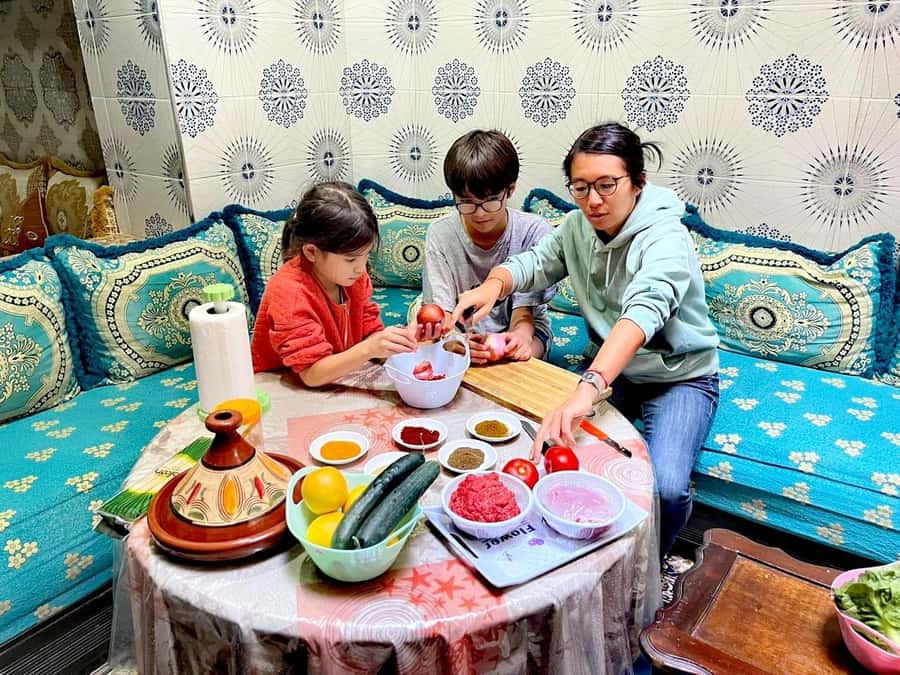
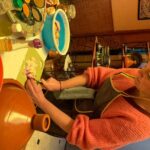
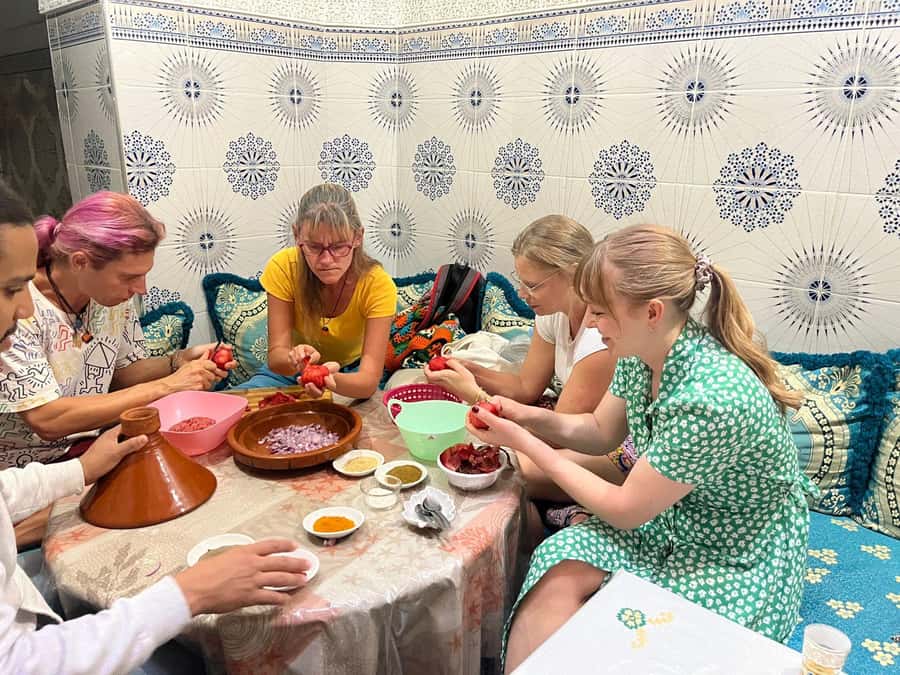
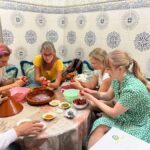
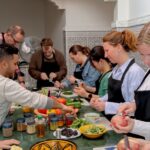
The class is built around a simple rhythm: prep, cook, then share a meal together. You’ll be guided through each step, and you’ll do the work yourself—chopping, mixing, and handling components for multiple dishes. The pacing is beginner-friendly, but it still feels real because you’re actively cooking, not just watching.
The bread moment
One of the best early wins is learning about Moroccan bread and baking it as part of the session. Even when you’re not a confident cook, the bread step is usually approachable because the guide is present for the full process. This is also a great way to understand how Moroccan meals aren’t only about one fancy centerpiece—they’re about the whole plate working together.
Tagines: chicken and meatball versions
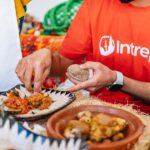
You’ll cook a chicken tagine with olives and golden fries. Tagines in Morocco aren’t just “a pot with a lid.” They’re a method—slow cooking plus flavor layering—so you learn how timing and simmering shape the result.
Then you’ll likely tackle a second tagine: meatball tagine topped with melted cheese. That combination gives you a clear lesson in contrast: savory spiced meat, cooked through, then a melty top that rounds everything out. If you come for one dish, come for the tagines—but you’ll end up using the skills across the whole menu.

Salads and zaalouk: the sides that make the meal
Moroccan meals shine when the sides have personality. You’ll prepare:
- Tomato and green pepper salad (fresh, crunchy balance against rich stews)
- Zaalouk, a traditional eggplant dish
- A fruit salad for dessert, included as part of the session
Zaalouk is especially worth your attention because eggplant can be tricky if you only know it as roasted or grilled. Here, you get a feel for the Moroccan approach—soft, seasoned, and meant to be scooped up and eaten with bread.
Plating and eating together
A lot of cooking classes stop at the cooking part. This one keeps moving into how to plate and share, with step-by-step help and a shared meal at the end. That matters because Moroccan dining is social. You’re not just finishing a task—you’re learning the rhythm of serving and eating.
The Guide Factor: Abdul’s Style and Why It Matters
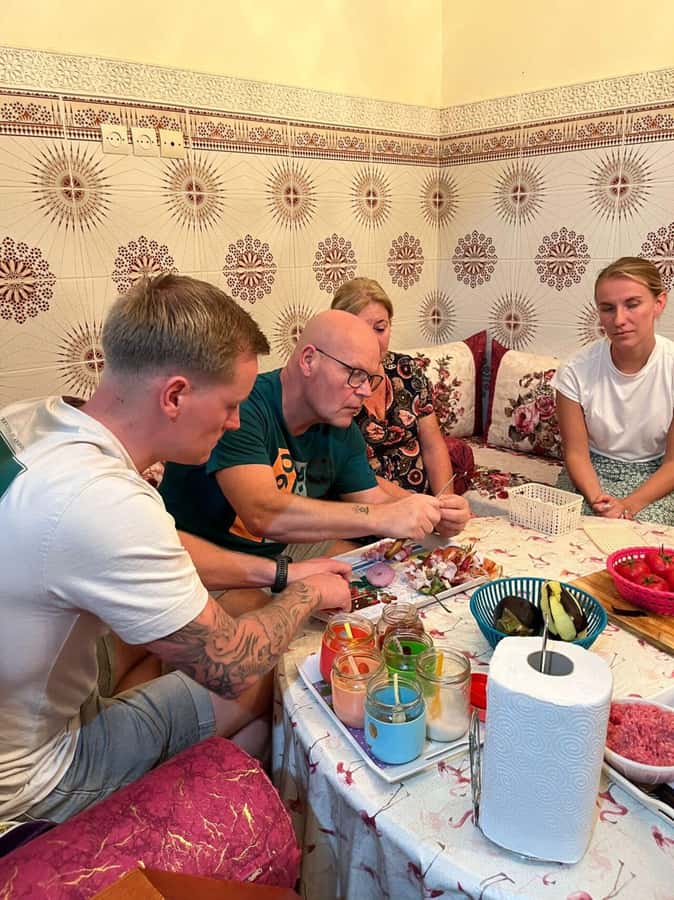
A cooking class lives or dies on the teacher, and this one has a pattern: guides like Abdul (and others in the same family-run team) keep it fun while still practical. In the reviews, Abdul is repeatedly praised for making people feel at ease, explaining clearly, and teaching in a way that works across ages and cooking levels.
Expect bilingual guidance depending on your group—English, Dutch, French, or Arabic are listed. In practice, the best version of this class is when the guide can keep both the technical steps and the cultural story moving without losing anyone.
What I’d watch for is the balance between instruction and involvement. The class is hands-on, and reviews mention everyone chopping and participating—including people who say they’re not cooks. That’s a huge quality marker. If the instructor controls everything, you don’t learn. If the instructor includes you, you leave with usable skills.
Culture Comes With the Spices: Tea, Social Life, and Food Meaning
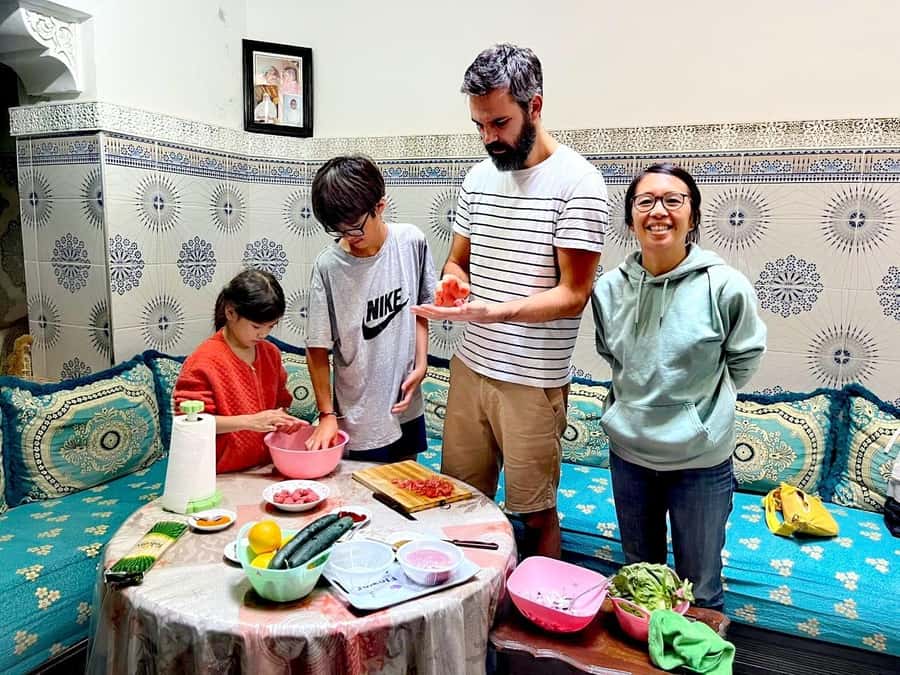
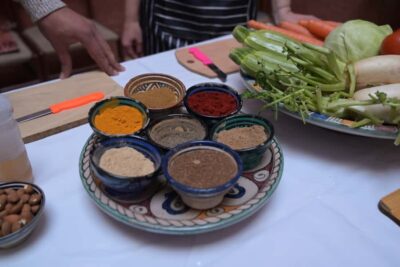
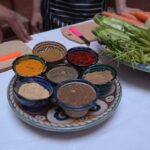
One of the most praised parts isn’t food technique. It’s what the guide talks about while you cook. You’ll hear stories about Moroccan culture from a local perspective, and tea is a big theme—Moroccan tea drinking and social life come up often in the reviews.
This matters because Moroccan cuisine is shaped by household habits: how people gather, how they pace conversation, and how food becomes part of hospitality. When a guide ties spice choices and dish structure back to everyday culture, you don’t just memorize steps. You understand why they cook the way they do.
You may also learn practical tea tips during the session, since tea traditions are specifically mentioned. Some reviews even describe a playful tea-pouring moment or light competition style teaching, which is exactly the kind of low-pressure fun that makes the time go fast. In a city where days can feel packed, it’s a relief when your afternoon turns into laughter plus learning.
The Menu Breakdown: What You’ll Make and How It Tastes Together
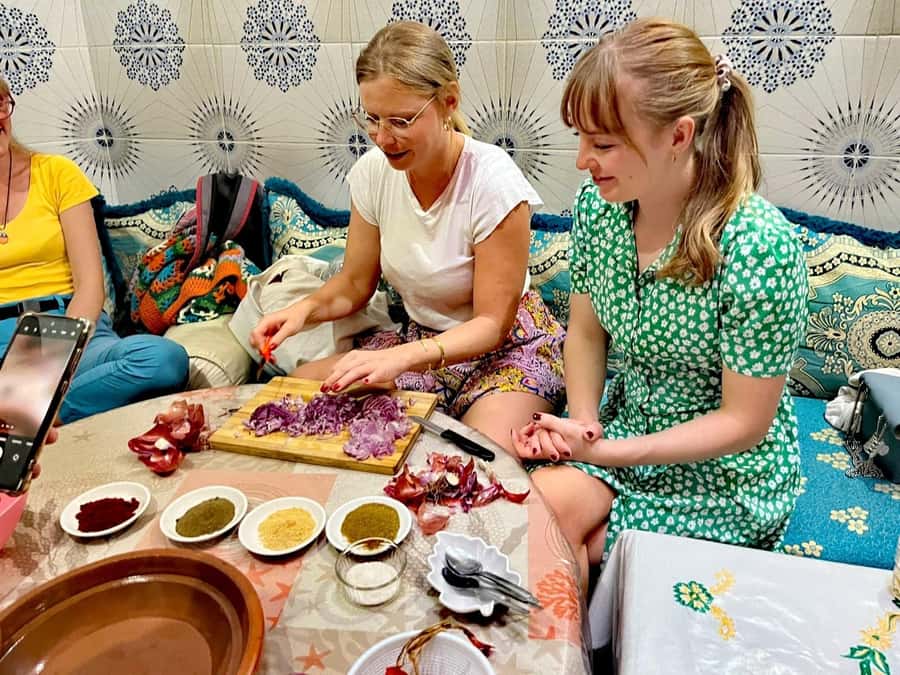
You’re not choosing between dishes—you’re building a full Moroccan meal. Here’s what’s included, and why each item plays a role:
Chicken tagine with olives and golden fries
This is your comfort core: savory chicken, olives, and a side of golden fries that feel like a Moroccan-style comfort pairing. The tagine technique should teach you how flavor builds during slow cooking.
Meatball tagine with melted cheese
This dish brings the crowd-pleaser factor. Meatballs cook evenly, and the melted cheese topping adds a creamy, salty note that balances the spices. If you like bold flavors but also want a dish that feels satisfying and complete, this is a strong pick.
Tomato and green pepper salad
This is the palate reset. The salad adds fresh acidity and crunch, which helps keep the meal from becoming heavy. It’s also one of the best “I can do this at home” dishes since it’s simpler and quick to recreate.
Zaalouk (eggplant dish)
Zaalouk gives you the Moroccan eggplant lesson. It’s seasoned, softened, and meant to be eaten alongside other dishes—often with bread. Learning it changes how you think about eggplant.
Moroccan bread
Bread ties everything together. It’s not a side you ignore. It becomes your tool for scooping, sharing, and eating every component in the right bite.
Fruit salad dessert
You end with something light and refreshing. A fruit salad helps cut richness after tagines and melted cheese.
Price and Value: Is $24 Worth It in Marrakech?
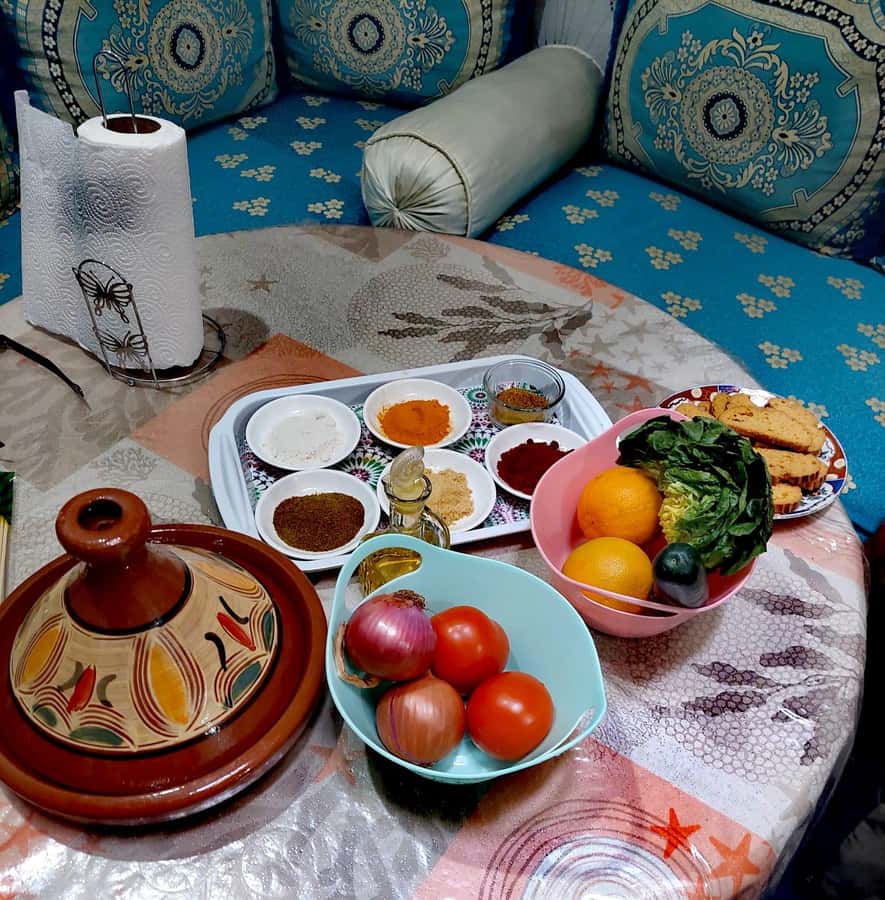
At $24 per person for about 3 hours with hands-on cooking plus a full meal, the value is strong—especially because the class includes ingredients, guidance, and take-home recipes. You’re not paying for a single demo. You’re paying to do the work and eat it right after.
The better question for value is this: do you get enough cooking time and enough food to justify the price? The structure here suggests yes: you prepare multiple dishes, then you sit down together to eat them. Reviews also highlight that groups are often small enough that people actually participate, not just stand around.
Also, you’re paying for the setting: a local home inside the medina. That’s the kind of experience where the “value” is partly what you don’t get in big tour groups—real space, real pacing, and real conversation with a guide who isn’t reading from a script.
One practical note: transportation isn’t included. If you’re staying close to the medina, this is easy. If you’re far out, budget time to get to the meeting point.
Who Should Book This Class (and Who Might Reconsider)
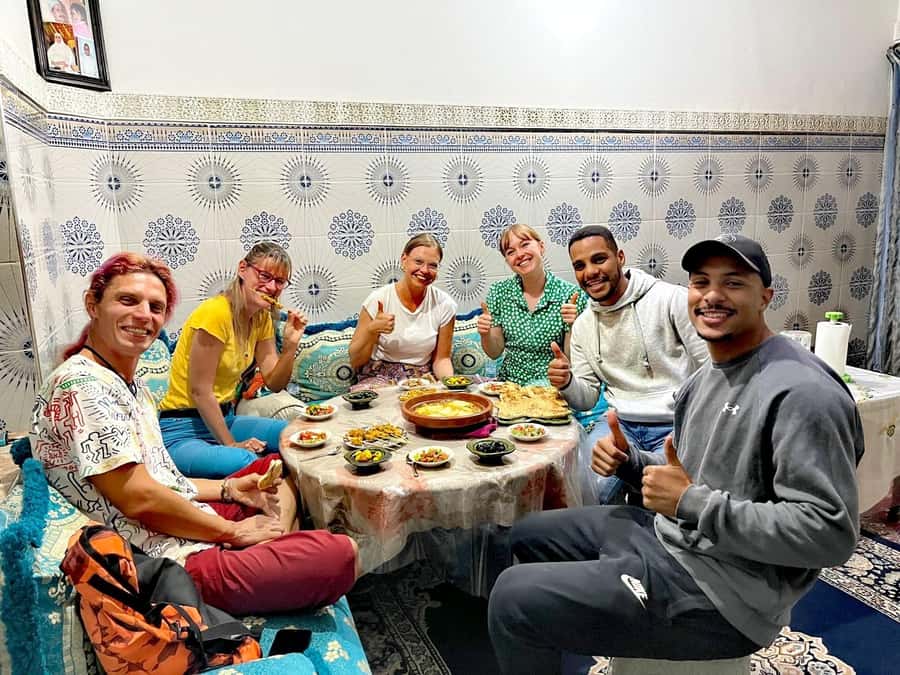
This class is ideal if you want:
- A beginner-friendly way into Moroccan cooking, because you’ll get step-by-step help
- A hands-on food experience that includes both tagines and bread
- A cultural activity that isn’t just walking and looking
- A small-group vibe where you can ask questions and actually cook
It may be less ideal if you:
- Don’t want any chopping/prep work
- Are sensitive to standing and working in a kitchen environment for a few hours
- Have trouble navigating the medina on foot (in that case, go slow, use Google Maps, and let the guide handle the handoff)
Dietary needs can be accommodated. The menu is described as changeable based on restrictions, and reviews mention vegetarian adjustments working well.
Quick Practical Tips Before You Go
Here’s what will help you have a smooth class:
- Wear comfortable shoes and clothes you can move in
- Bring a hair tie if you have long hair
- Have cash on hand
- Expect medina walking and uneven pathways
- Plan for a quiet, respectful kitchen: no smoking, no alcohol/drugs, and no loud noise
The class also lists it as wheelchair accessible, which is good to know if that matters for you.
Should You Book This Marrakech Cooking Class? My Call
Book it if you want an afternoon where you leave with real cooking skills, not just photos. The combination of hands-on tagine work, Moroccan bread, and cultural stories makes this feel like a proper Moroccan meal experience—not a tourist performance.
I’d especially recommend it if:
- you’re traveling with family or mixed-age groups and want everyone involved
- you’re on a rainy-day plan and want something indoors with laughter
- you want meals you can repeat at home thanks to the take-home recipes
If you’re the kind of traveler who hates walking through the medina, or you get stressed when places are hard to find, then go in with a calmer mindset. Use Google Maps, meet your guide outside the riad, and assume the walk is part of the program. Do that, and this $24 class can turn into one of the most memorable parts of your Marrakech trip.
FAQ
How long is the Marrakech Moroccan Cuisine Cooking Class in a local home?
The class lasts 3 hours.
Where do we meet for the cooking class?
You meet directly in front of Riad les Etoiles Berberes. The guide waits about 10 minutes before the start time and will be identifiable with a green hat.
What dishes are included?
The menu includes Moroccan bread, chicken tagine with olives and golden fries, meatball tagine topped with melted cheese, tomato and green pepper salad, zaalouk (eggplant), and a fruit salad for dessert.
Is this cooking class beginner-friendly?
Yes. The class is suitable for beginners, and it can also work for people with prior cooking experience.
Can the menu be adjusted for dietary restrictions?
Yes. The menu is changeable and can be modified based on dietary restrictions.
What should I bring?
Bring comfortable shoes, comfortable clothes, cash, and a hair tie.
Is transportation included, and is it wheelchair accessible?
Transportation is not included. The activity is listed as wheelchair accessible.