REVIEW · ROME
Rome: Tiramisu & Pasta Small-Group Cooking Class
Book on GetYourGuide →Operated by Carpe Diem Tours · Bookable on GetYourGuide
You can learn Rome at the counter. This small-group cooking class pairs classic Roman kitchen technique with a fun, social vibe led by instructors like Marzia and Ida.
What I like most is the hands-on pace: you’re rolling up your sleeves for homemade pasta and then switching gears to a creamy, liquor-tinged tiramisu with the help of friendly hosts such as Jenny and Lohana. One thing to consider: the class does not accommodate gluten intolerance/coeliac disease, vegan diets, or lactose intolerance.
In This Review
- Key things to know before you go
- A Roman kitchen class that feels like a night out with a purpose
- Creamy tiramisu workshop: layers, liqueur, and a little extra spirit
- Handmade pasta from scratch: knead, cut, then choose your Roman sauce
- The drinks plan: cocktails, Prosecco, wine, and a final glass of limoncello
- What you eat, what you take home, and why the $73.64 price can make sense
- Small-group energy: why the team makes a difference
- Who should book this class in Rome (and who should skip it)
- Practical tips for a smooth, fun 3-hour cooking night
- Should you book Rome: Tiramisu & Pasta Small-Group Cooking Class?
- FAQ
- How long is the Rome tiramisu and pasta class?
- Is the cooking class taught in English?
- What do I learn to make during the class?
- Which sauces are offered for the pasta?
- Are there vegetarian options?
- Are drinks included in the price?
- Is the dessert made with alcohol?
- Can coeliac disease, gluten intolerance, vegan, or lactose intolerance be accommodated?
- Is there an age minimum?
Key things to know before you go
- Tiramisu + pasta in 3 hours: you make both, then you eat what you cook.
- You choose your sauce: carbonara or cacio e pepe pairing options.
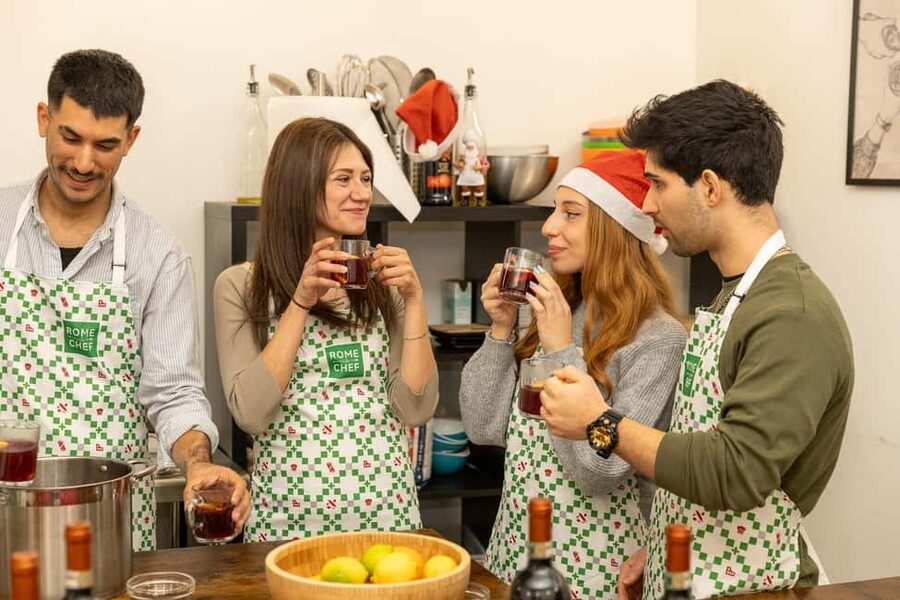
- Drinks are part of the experience: cocktails, Prosecco, wine, and limoncello, plus unlimited water.
- English instruction: clear guidance for beginners who want to learn without stress.
- Diet limits are strict: no gluten-free/coeliac, no vegan, and no lactose intolerance.
- Recipe ebook included: you can recreate your pasta and dessert at home.
A Roman kitchen class that feels like a night out with a purpose
Rome has plenty of food tours. This one works because it’s not just tasting. You’re actually doing the work—kneading, cutting, building layers in dessert—while an instructor keeps things moving. That structure turns a 3-hour window into a real skill you can use later.
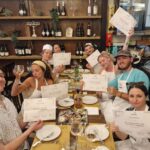
The small-group format also matters. Instead of disappearing into a crowd, you tend to get more attention at the steps that usually trip people up, like getting pasta texture right or getting the tiramisu layers to look clean. In the classroom style I associate with this experience, names come up a lot: Marzia shows up as a standout teacher, and Ida and Azin are often mentioned for their step-by-step explanations and easygoing energy.
Family-friendly is part of the pitch too. Just keep in mind the stated minimum age: it’s not suitable for children under 2. If you’re traveling with older kids who like hands-on activities (and can handle kitchen time and a few drinks in the room), this can be a fun group plan.
You can also read our reviews of more tours and experiences in Rome.
Creamy tiramisu workshop: layers, liqueur, and a little extra spirit

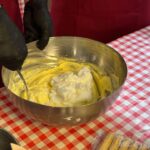
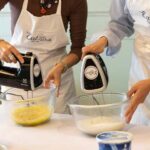
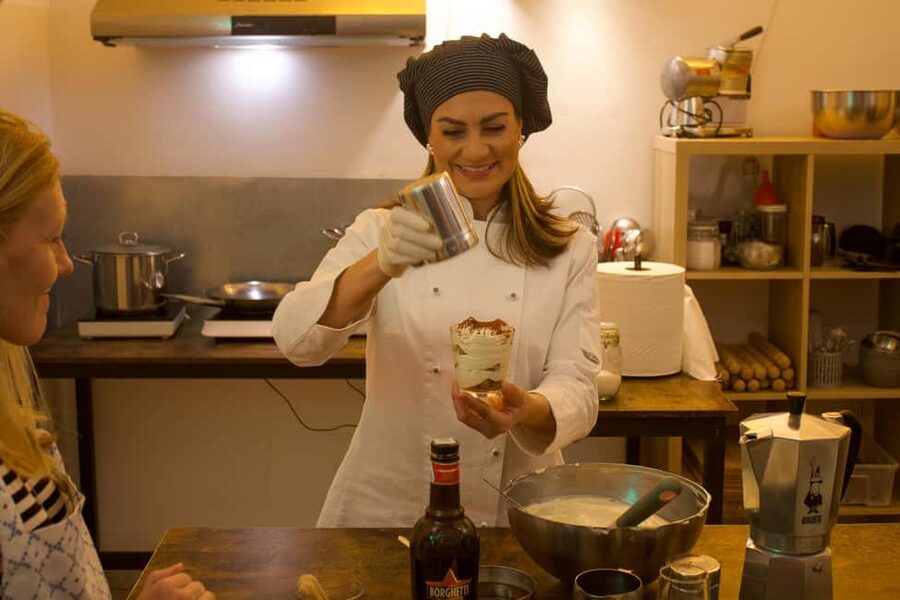
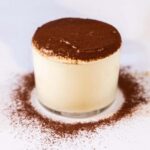
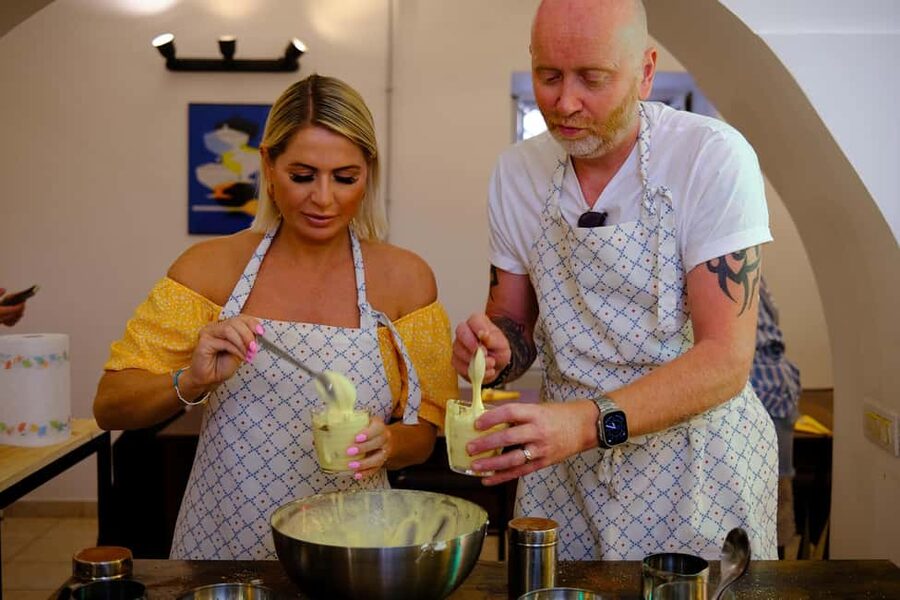
The dessert portion is built around making an Italian-style tiramisu with fresh, locally sourced ingredients. You’ll be guided through how to assemble it so it ends up creamy rather than sloppy. The class description doesn’t get overly technical with jargon, and the vibe in the instructor-led portions (based on the way the team is praised) is practical: you’re learning how to do it, not just watching.
A fun detail: your dessert includes Tia Maria. So yes, this is the more adult-leaning version of tiramisu. Expect the flavor to carry that liqueur sweetness, and the overall experience to feel like a “tipsy” night without turning into a chaotic drinking session.
You also get more than just a plated dessert. You’ll take home an ebook of recipes, which is where this class starts earning its keep. Most people remember the taste. Fewer people leave with enough guidance to reproduce it back home. The recipe pack is meant for that.
Handmade pasta from scratch: knead, cut, then choose your Roman sauce
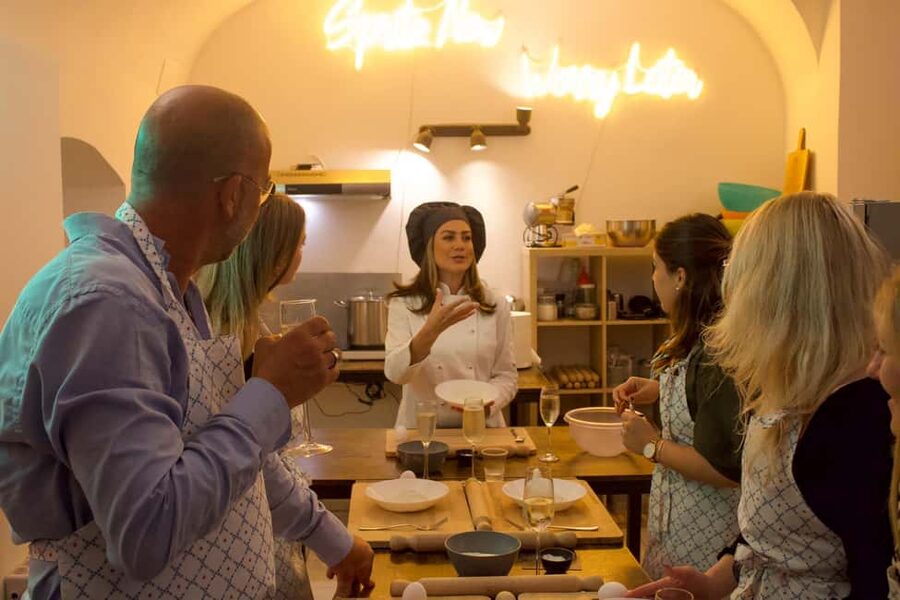
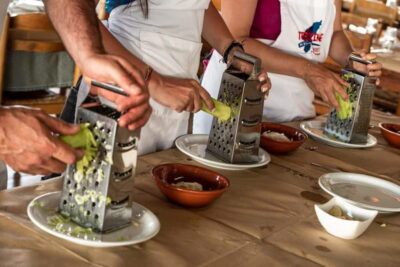
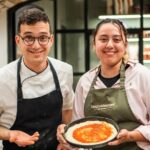
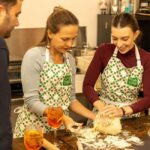
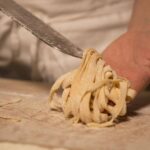
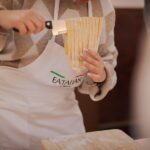
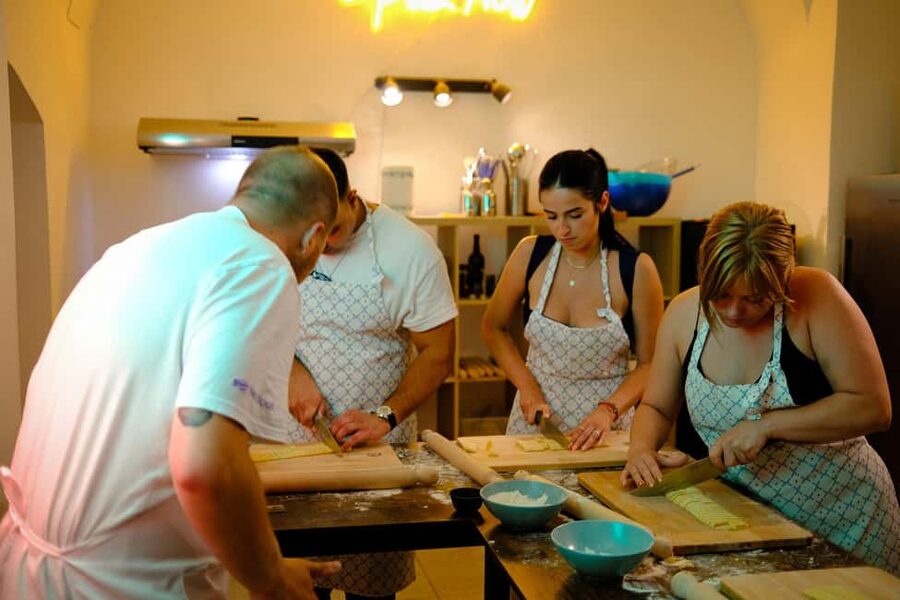
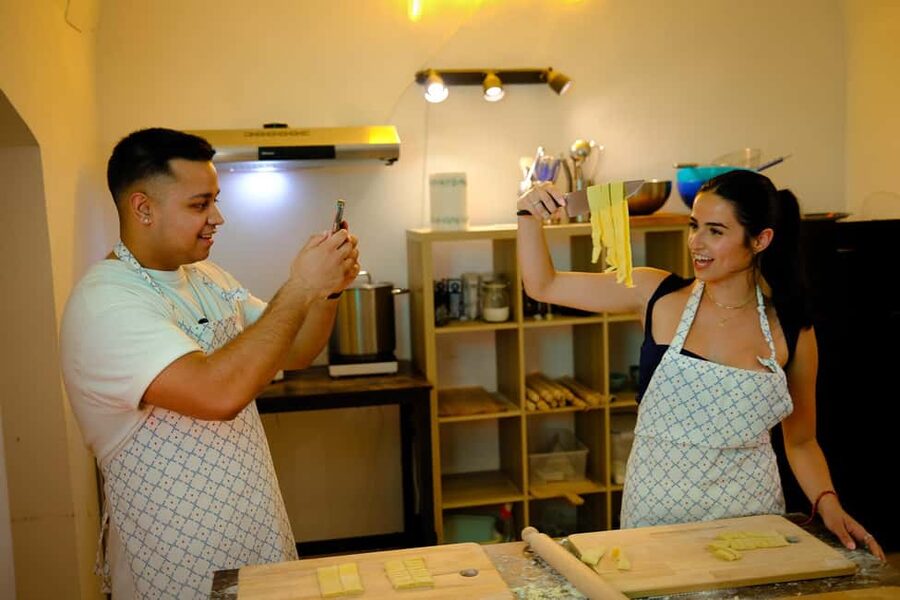
Then you move to handmade pasta. The class format is set up for beginners: you learn by doing. You’ll knead and work the dough, then cut it into pasta shapes as part of the lesson. It’s the kind of activity where the timing matters, because dough handling is one of those things that improves quickly once you get real feedback.
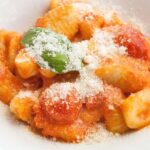
After your pasta is shaped, you get to pair it with an authentic Roman-style sauce. You’ll learn how to make one of these: carbonara or cacio e pepe, depending on what you pick during the class.
A small but meaningful detail: there are vegetarian options for the handmade pasta. That’s helpful if your group includes at least one person who doesn’t want meat. Just be aware of the broader dietary limits: gluten intolerance/coeliac, vegan diets, and lactose intolerance aren’t accommodated.
One more reason this pasta part feels worth it: you’re not learning pasta in a vacuum. You cook it in the context of an actual meal you’ll eat. That makes the steps feel purposeful, and it’s easier to remember what to do the next time you’re at home with a counter, a rolling pin, and a strong desire to impress someone.
The drinks plan: cocktails, Prosecco, wine, and a final glass of limoncello
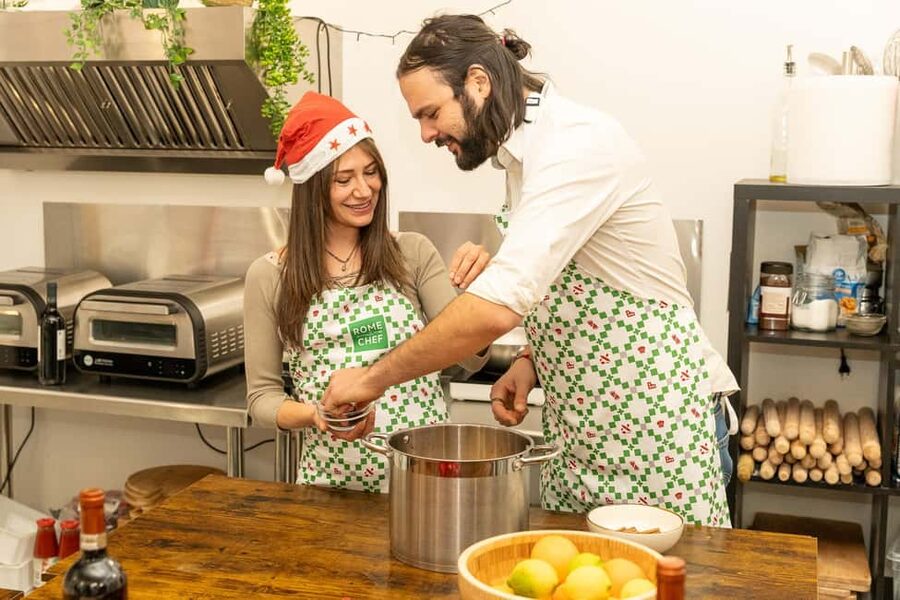
Food classes often treat drinks as an afterthought. Here, drinks are part of the rhythm. You can sip while you cook, and the included alcohol is clearly spelled out in the offering.
What’s included:
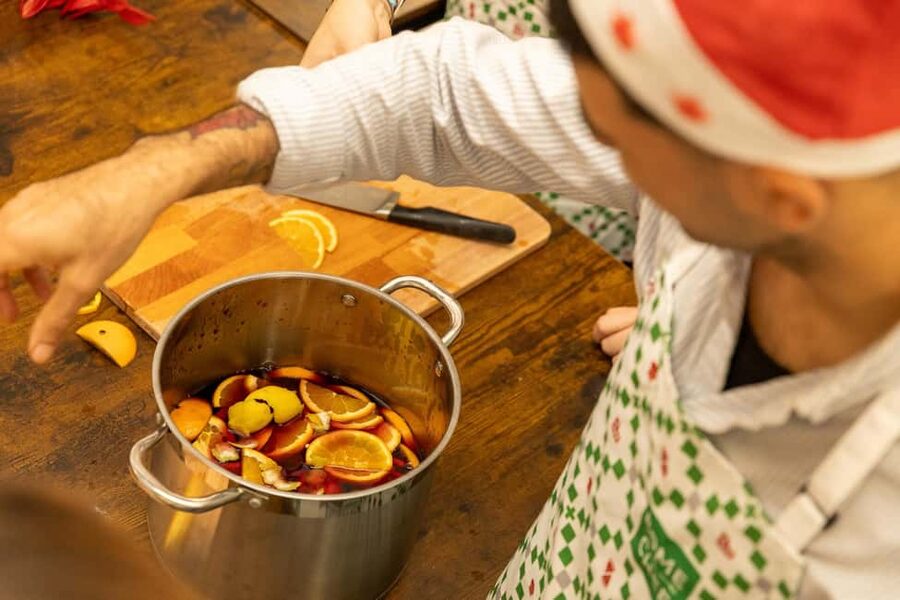
- A cocktail making workshop
- 2 glasses of Prosecco
- 2 glasses of red wine
- 1 glass of limoncello
- Tia Maria tied to the dessert
There’s also unlimited water, which is a big plus for anyone who likes to keep the evening comfortable. The pacing is likely to be spread across the lesson, so you’re not just getting everything at once.
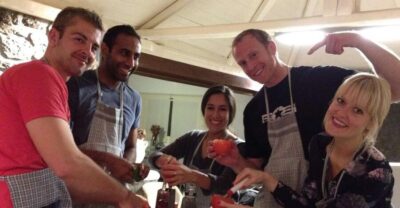
In plain terms, this matters because it changes how you experience the class. You’re not clock-watching. You’re cooking and chatting, then eating with the drinks already in place. Some instructors are especially praised for keeping glasses full, and that lines up with the overall setup of this experience: it’s meant to feel like a fun Roman evening, not a sterile cooking demo.
What you eat, what you take home, and why the $73.64 price can make sense
The price is $73.64 per person for a 3-hour experience. Is that cheap? No. But it’s not “just cooking.” You’re paying for three things that often cost extra separately in Rome:
- Instruction by a local chef, in English, focused on hands-on technique.
- The ingredients and meal itself, because you eat what you make.
- Included drinks, including Prosecco, wine, and limoncello, plus a cocktail workshop and the liqueur used in tiramisu.
So the value calculation isn’t only about the food. It’s about whether you want a structured evening with a chef and a full meal experience—plus a dessert you can recreate later.
One practical benefit: you leave with an ebook of recipes. That’s the difference between spending an afternoon tasting a good meal and spending an afternoon learning to make one. If you enjoy cooking at home, that ebook pushes the class from “nice experience” into “something you’ll use.”

Small-group energy: why the team makes a difference
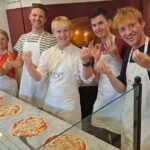
The instructor roster varies by date, but the teaching style gets consistent praise. Names like Marzia, Jenny, Ida, Azin, Jeni, Laura (and her cooking partner pairing mention), Aria, Benjamin, and Lohana come up repeatedly in positive feedback. The pattern across those mentions is similar: clear explanations, attention to detail, and a friendly tone that keeps the class from feeling intimidating.
That’s important for a first-time cook. Pasta dough can feel unpredictable. Dessert assembly can look harder than it is. If the instructor is calm and specific—showing you what to aim for—you get a better result and a better memory of the evening.
It also helps that the class is structured as a workshop rather than a performance. You’re cutting, kneading, and assembling in real time. When the team encourages participation and checks in during the steps that matter, you get that “I can do this” feeling at the end.
Who should book this class in Rome (and who should skip it)
This is a great fit if you:
- Want an active food experience, not just tasting
- Like classic Italian comfort food—tiramisu, pasta, and Roman sauces
- Enjoy small-group activities where you can talk with other people at the same time
- Want drinks included as part of the meal experience
- Want an ebook you can use after your trip
It’s not a great fit if you:
- Need gluten-free food due to coeliac disease or gluten intolerance (not accommodated)
- Follow a vegan diet (not accommodated)
- Need lactose-free options (not accommodated)
If your group includes someone with dietary needs, I’d treat this as a hard compatibility check before booking. The class rules are explicit, and it’s better to pick a different Rome food experience than to show up hoping for last-minute adjustments.
Practical tips for a smooth, fun 3-hour cooking night
Here’s how to set yourself up for an easy win.
- Plan for a 3-hour block: the lesson includes both tiramisu and pasta plus sauce instruction, with eating at the end.
- Come ready to cook: this is not passive sightseeing. You’ll handle dough and assemble dessert.
- Mention allergies early: the class asks you to tell them before you arrive if you have any allergies.
- Expect English instruction: the chef/instructor teaches in English, which makes the steps easier to follow for first-timers.
- Dress for hands-on work: simple clothes you don’t mind getting a little messy are ideal.
- If you’re sensitive to alcohol, manage pacing: drinks are included, but you also have unlimited water. You can keep it light while still enjoying the experience.
Also, the meeting point can vary depending on the option booked, and the class ends back where it starts. So build in a little buffer so you’re not rushing across central Rome trying to find the right door.
Should you book Rome: Tiramisu & Pasta Small-Group Cooking Class?
If you want one thing in Rome that’s hands-on, social, and meal-centered, this class is a strong choice. The combination of homemade pasta + creamy tiramisu, plus included Prosecco, wine, cocktails, and limoncello, makes it feel like a full evening rather than a quick activity.
Book it if you’re comfortable with the dietary limits and you want skills you’ll use later. Skip or choose another option if you need gluten-free/coeliac accommodations, vegan food, or lactose-free meals—this one can’t adjust for those needs.
FAQ
How long is the Rome tiramisu and pasta class?
The experience lasts 3 hours.
Is the cooking class taught in English?
Yes, the instructor works in English.
What do I learn to make during the class?
You’ll make tiramisu and handmade pasta from scratch, and you’ll learn to make a matching sauce.
Which sauces are offered for the pasta?
You can choose between carbonara and cacio e pepe for your pasta pairing.
Are there vegetarian options?
Yes. The handmade pasta includes vegetarian options.
Are drinks included in the price?
Yes. You get a cocktail making workshop plus 2 glasses of Prosecco, 2 glasses of red wine, 1 glass of limoncello, and unlimited water.
Is the dessert made with alcohol?
The dessert includes Tia Maria.
Can coeliac disease, gluten intolerance, vegan, or lactose intolerance be accommodated?
No. The class cannot accommodate coeliac disease, gluten intolerance, vegan diets, or lactose intolerance.
Is there an age minimum?
Yes. It is not suitable for children under 2 years old.