REVIEW · CHIANG MAI
Half Day Guided Thai Cooking Class in Chiang Mai
Book on Viator →Operated by Baan Thai Cookery School · Bookable on Viator
That first sauce hits fast.
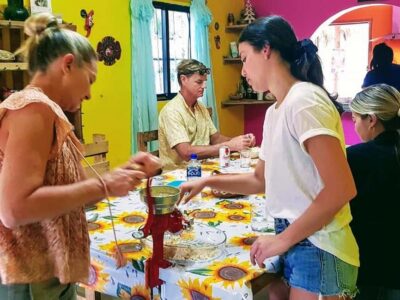
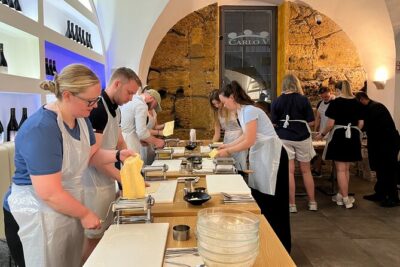
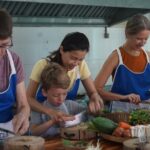
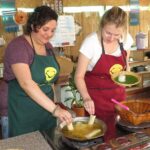
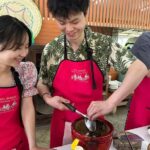
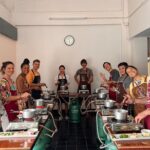
This half-day cooking class at Baan Thai Cookery School turns Thai food from something you order into something you actually make, with small groups (up to 8) and fully hands-on instruction. You’ll be guided in English by instructors who keep things clear, and you’ll work in an indoor kitchen with a comfortable air-conditioned space for the meal.
I especially like the way the experience is built around customization. You can adjust the spice level, and the school says it accommodates vegetarians and food allergies with substitutions and seasoning tweaks. One consideration: it’s only about 4 hours 30 minutes, so you’ll focus on a handful of dishes rather than trying to cook an entire Thai feast from scratch.
In This Review
- Key highlights you’ll feel during the class
- Where Baan Thai Cookery School fits into your Chiang Mai day
- Small-group, hands-on Thai cooking is the real value
- Your menu in Chiang Mai: classic dishes and how the class handles spice
- What to expect you’ll cook
- Inside the indoor kitchen: how the lesson likely unfolds
- A small tip that helps
- Dietary needs: vegetarian and allergies handled with real adjustments
- Why this matters
- Price and timing: does $29 make sense for 4.5 hours?
- Who this Chiang Mai cooking class suits best
- Should you book this half-day Thai cooking class?
- FAQ
- FAQ
- What is the duration of the Half Day Guided Thai Cooking Class in Chiang Mai?
- How much does the class cost?
- Is pickup available?
- Where does the class start?
- Does the class support vegetarians and food allergies?
- Can you choose your spice level?
- How big are the groups?
- What is the cancellation policy?
Key highlights you’ll feel during the class
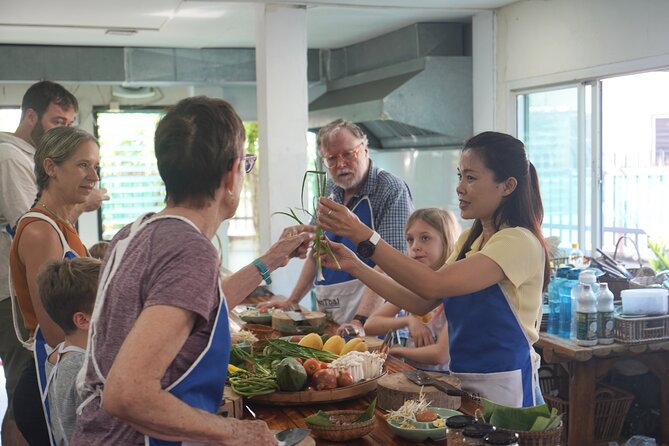
- Small groups (1–8 people): more direct help as you cook.
- English-fluent instruction: you’re not stuck guessing technique.
- Organic and local ingredients: you cook with ingredients the school highlights as quality-focused.
- Spice control on request: you can dial heat up or down.
- Dietary support: vegetarian and allergy needs are planned for, not just mentioned.
Where Baan Thai Cookery School fits into your Chiang Mai day
Baan Thai Cookery School is located at 9 Prapokklao Rd. Lane 9, ตำบล พระสิงห์ Mueng, เชียงใหม่ 50200, Thailand, and the activity starts there. If you like doing one solid, structured activity instead of bouncing around town all afternoon, this is a good match. It’s long enough to feel like you learned something real, but short enough to leave the rest of Chiang Mai open.
There’s pickup offered, which matters if you’re trying to avoid the stress of timing transport in a city with lots of moving parts. Even better, the listing notes it’s near public transportation, so you’re not totally dependent on pickup if your schedule changes.
Practical note: because the class starts at the school and ends back at the meeting point, you can plan it like a self-contained block. That’s useful if you’re building a day around a market visit or a temple stop and don’t want logistics to steal your energy.
You can also read our reviews of more tours and experiences in Chiang Mai.
Small-group, hands-on Thai cooking is the real value
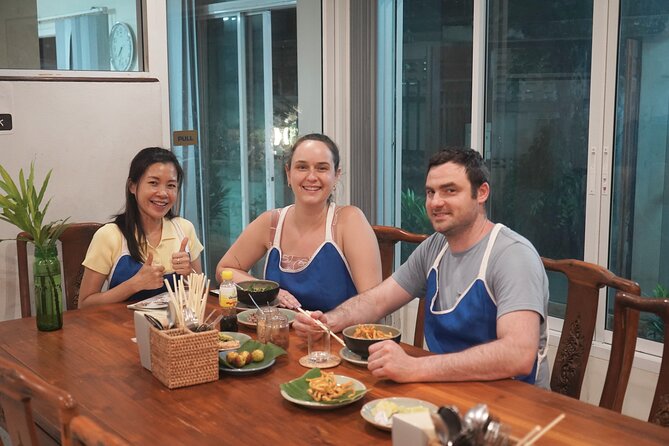
The big selling point here is the setup: 1 to 8 people. In a smaller group, the instructor can spend time correcting how you chop, mix, taste, and adjust—things that don’t happen in big classes where you’re basically watching others cook.
You’re also cooking with guidance that’s described as clear and accessible, plus English-fluent instructors. That’s not a minor detail. Thai cooking is built on balance—salt, sour, sweet, heat, and aroma—so being able to understand what the instructor is teaching you makes your results more consistent.
Another detail I like: the school uses a comfortable indoor environment, including an air-conditioned dining room and an indoor kitchen. In Chiang Mai, that can make a real difference. You spend less time fighting heat and more time focusing on technique and taste—especially if you’re traveling with kids or just want a calmer experience.
And because it’s hands-on, you’re not just learning recipes on paper. You’re learning how to make Thai flavors work together on your own stove later.
Your menu in Chiang Mai: classic dishes and how the class handles spice
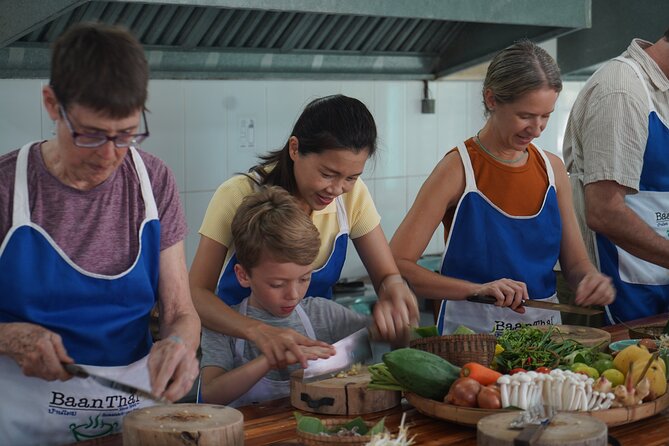
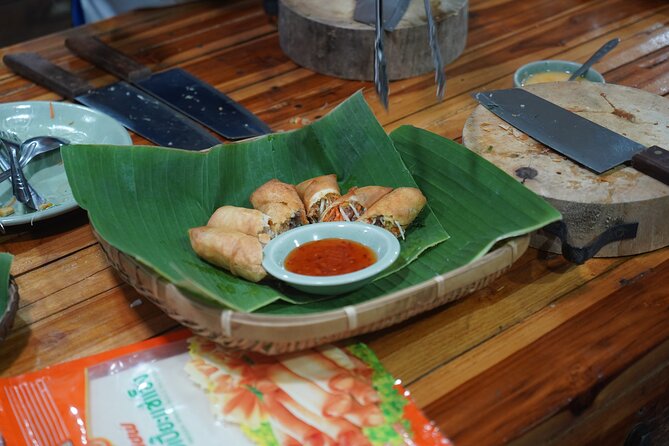
One of the reasons people choose this particular program is the menu. A sample cooking plan includes dishes like Pad Thai, Tom Kha Gai (and Tom Yum Goong-style broth for a partner in one menu choice), spring rolls, and Khao Soi. That’s a nice spread: you get noodles, soup, fried-crisp items, and a northern-style favorite in the same session.
What’s even more useful is that spice isn’t treated like a fixed setting. The school says you can customize your spice level. That means you can aim for Thai heat that’s still enjoyable for your palate, not just “as hot as possible.” If you’re sensitive to spice, this matters as much as the recipe itself—because heat changes how you taste sweetness and sourness too.
Also, you’ll have options for food requirements. The school specifically mentions substitutions and seasoning adjustments for vegetarians and allergy needs. So the class isn’t only for people who eat everything. It’s designed so you can still cook dishes that feel like the real thing.
What to expect you’ll cook
Since the duration is about 4 hours 30 minutes, you should expect a focused set of dishes rather than a long parade of dishes. In the menu example mentioned above, participants cooked four dishes, which gives you a clue about pacing: you’ll work on a small number of recipes deeply enough to learn technique, not just taste-test everything.
Inside the indoor kitchen: how the lesson likely unfolds
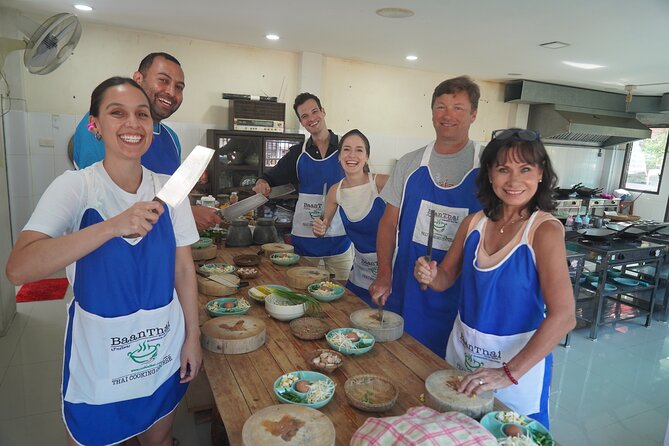
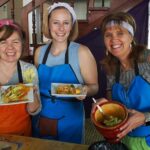
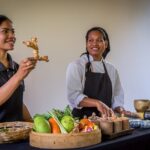
The class structure isn’t spelled out minute-by-minute, but the experience is clearly built around a few key phases: instruction, ingredient prep, cooking at the indoor kitchen, and eating in the dining room.
Here’s what you can reliably plan for:
1) Start at the school, then get guided instruction
You’ll meet at the cooking school address, then be brought into the lesson with clear English guidance. The point isn’t to overwhelm you with Thai culinary theory. It’s to get you cooking with confidence.
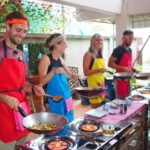
2) Hands-on cooking in an indoor kitchen
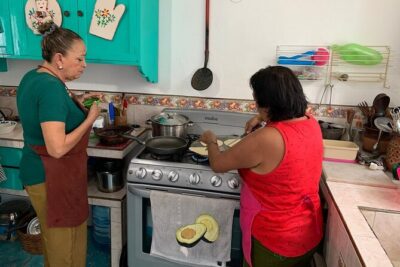
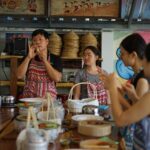
You’ll cook directly in the kitchen environment. That’s where the small-group size shows up again—this is the moment you’ll want extra help, whether it’s nailing the right texture for noodles or getting the balance of flavors in a soup.
3) Use quality ingredients to learn flavor balance
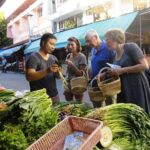
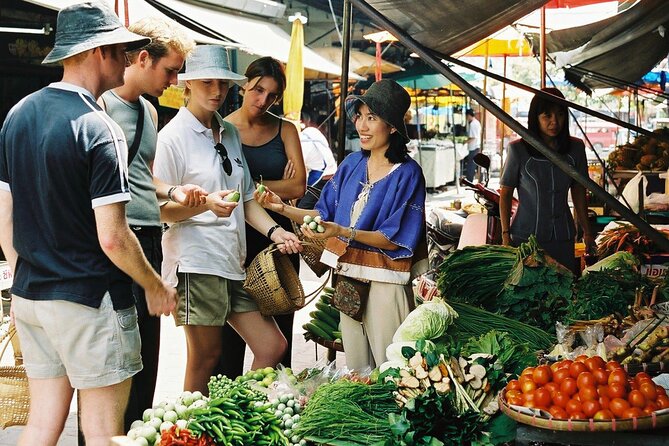
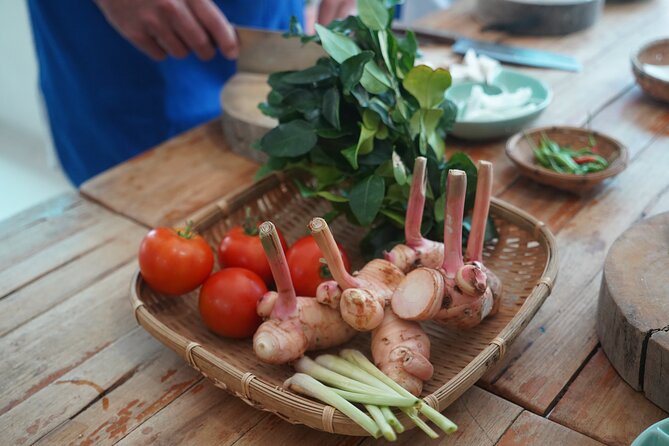
The school highlights organic ingredients from their farm and local sources. Even if you don’t care about the farm side of things, cooking with better ingredients helps you learn faster. When your base flavors are strong, you can taste adjustments more clearly.
4) Sit down in the air-conditioned dining room
The meal isn’t just a reward. It’s part of the learning. You get to eat what you made, notice what needs to be adjusted next time, and compare your finished dish to what you were aiming for.

A small tip that helps
If you care about getting results you’ll actually eat, speak up early about your spice comfort level and any allergy or vegetarian needs. The school says they can adjust seasonings and make substitutions, but you’ll get the best outcome when they know your preferences from the start.
Dietary needs: vegetarian and allergies handled with real adjustments
This is one of the strongest reasons to book. The school doesn’t position dietary restrictions as a side request. They specifically say they cater to vegetarians and food allergies, using substitutions and adjusting seasonings.
For vegetarians, that likely means swapping out ingredients while keeping the flavor profile aligned with the dish you’re making. For allergies, it means the instructor needs to know what to avoid so the substitution stays safe and still tastes right.
Why this matters
Thai cuisine often relies on ingredients that can be tricky for some diets—especially in sauces and broths. A cooking class that can actually adapt the food makes the experience feel inclusive, not like a compromise where you end up eating something bland or not-quite-right.
So if you’ve ever booked a tour like this and worried you’d be stuck watching others cook, you’ll probably feel more confident here.
Price and timing: does $29 make sense for 4.5 hours?
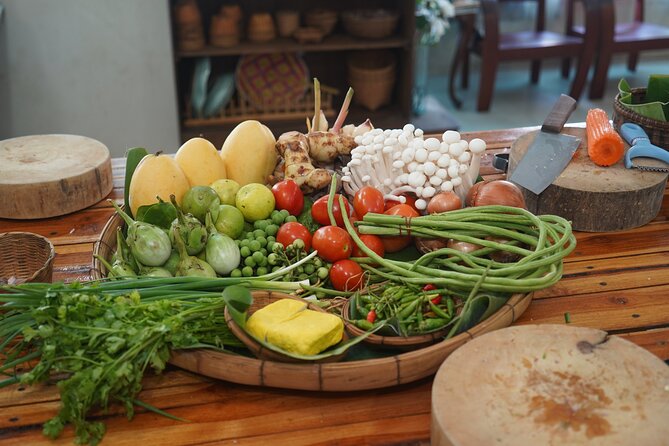
At about $29 for roughly 4 hours 30 minutes, this class can feel like solid value—especially if you judge it by what you’re getting: guided instruction in English, hands-on cooking, and ingredients that the school says come from organic and local sources. You’re also getting a structured meal out of it.
What you’re not getting (and shouldn’t expect) is a long, multi-course cooking program where you master dozens of dishes. This is a half-day class, so the value is in focused learning. You’ll come away with a handful of recipes and techniques you can repeat.
A helpful way to think about it:
- If you want a short, practical food experience with real participation, the price-to-time ratio works.
- If you’re hoping for a full “Thai cooking school curriculum” across many dishes, you may want a longer class.
Who this Chiang Mai cooking class suits best
This is a good fit if any of the following are true for you:
- You want hands-on learning, not just a food tour.
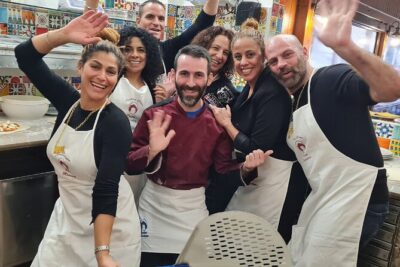
- You’re traveling with family or friends and want an activity that’s fun and social.
- You’re a beginner who benefits from clear English guidance.
- You need vegetarian-friendly options or have allergy needs.
- You care about cooking with ingredients the school frames as quality-focused, including organic items.
It also works well if you’re short on time. A half-day class lets you still see Chiang Mai afterward without feeling like the day is swallowed by one long tour.
Should you book this half-day Thai cooking class?
I’d book it if you want a well-paced class where you’ll actually cook, get help in English, and eat what you made—while having your spice and dietary needs taken seriously. The small group size (up to 8) is a real advantage for people who don’t want to feel lost at the cutting board.
I’d think twice only if you’re after a huge menu marathon or you want a super-long deep technical workshop. This is a focused half-day. You’ll leave stuffed and informed, but you won’t be turning into a Thai cooking machine in one afternoon.
FAQ
FAQ
What is the duration of the Half Day Guided Thai Cooking Class in Chiang Mai?
It runs for about 4 hours 30 minutes (approx.).
How much does the class cost?
The price is $29.
Is pickup available?
Yes, pickup is offered.
Where does the class start?
The meeting point is Baan Thai Cookery School, 9 Prapokklao Rd. Lane 9, ตำบล พระสิงห์ Mueng, Mueng, เชียงใหม่ 50200, Thailand.
Does the class support vegetarians and food allergies?
Yes. The school says it offers vegetarian options and can accommodate food allergies with substitutions and seasoning adjustments.
Can you choose your spice level?
Yes. You can customize the spice level to match your preferences.
How big are the groups?
The maximum group size is 8 travelers.
What is the cancellation policy?
Cancellation is free. You can cancel up to 24 hours in advance for a full refund. If you cancel less than 24 hours before the start time, the amount paid isn’t refunded.