REVIEW · PALERMO
From the garden to the table: Sicilian cooking class
Book on GetYourGuide →Operated by Cooking with Carlo · Bookable on GetYourGuide
Garden-grown flavors beat restaurant routines. At Carlo’s home in the Conca d’Oro (about 12 km from Palermo), I love how the food starts with garden produce and how the whole lesson feels framed by a stunning view of Palermo. The one practical catch: you’ll want to plan transport to reach the countryside home outside the city center, since it isn’t right in central Palermo.
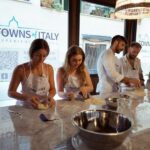
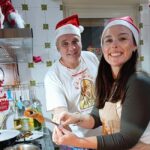
What surprised me most is how much this class leans into hands-on cooking without rushing you. You’re in a small group (up to 8), you get an aperitif right at the start, and you’ll leave with a real sense of Sicilian home-style technique—especially from Carlo’s explanations rooted in family recipes.
In This Review
- Key things I’d zero in on
- How the Conca D’Oro setting changes the whole vibe
- The garden tour and aperitif: where it all starts
- Pasta time: tagliatelle with garden pesto (and the norma option)
- Cannoli making: the dessert lesson people remember
- Eating on the terrace: lunch or dinner with wine and wine logic
- Dietary needs: where flexibility actually shows up
- Group size and language: the comfort factor
- Price and value: what you’re really paying for
- Who should book this class (and who might rethink)
- Before you go: quick tips to get more out of the 3 hours
- Should you book it?
- FAQ
- Where does the cooking class take place?
- How long is the cooking class?
- What’s included in the price?
- Is the class small group?
- What dishes will we make?
- Are vegan or vegetarian options available?
- What languages are offered?
- Is it wheelchair accessible?
Key things I’d zero in on
- From the garden to the table: you cook with fresh produce from Carlo’s own garden
- Terrace views over Palermo: lunch, wine, and cooking happen with scenery in the background
- Hands-on tagliatelle with pesto (or the norma option): you’re not just watching
- Cannoli making from scratch: the dessert lesson is a full part of the experience
- Small-group pace: limited to 8 participants, so you can actually ask questions
How the Conca D’Oro setting changes the whole vibe
This class doesn’t happen in a studio. It happens in Carlo’s home, in the Conca d’Oro area just outside Palermo, with nature all around and the city laid out below you. The setting matters because it slows everything down. You start the meal on a terrace, and instead of “sit, watch, leave,” you get a more lived-in rhythm—snacks, conversation, garden time, then cooking.
The view also makes the experience feel more special than the usual cooking-class script. When the scenery does half the work, you’re more present for the details that cooking requires—timing, texture, and little technique cues that actually change the outcome.
You can also read our reviews of more tours and experiences in Palermo.
The garden tour and aperitif: where it all starts
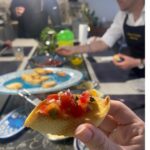
Before hands start flying in the dough, you begin with a Sicilian aperitif plus local street food. It’s a smart start: you get to settle in, then you move into cooking with a relaxed stomach and good energy.
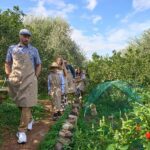
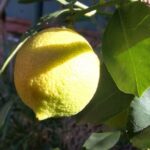
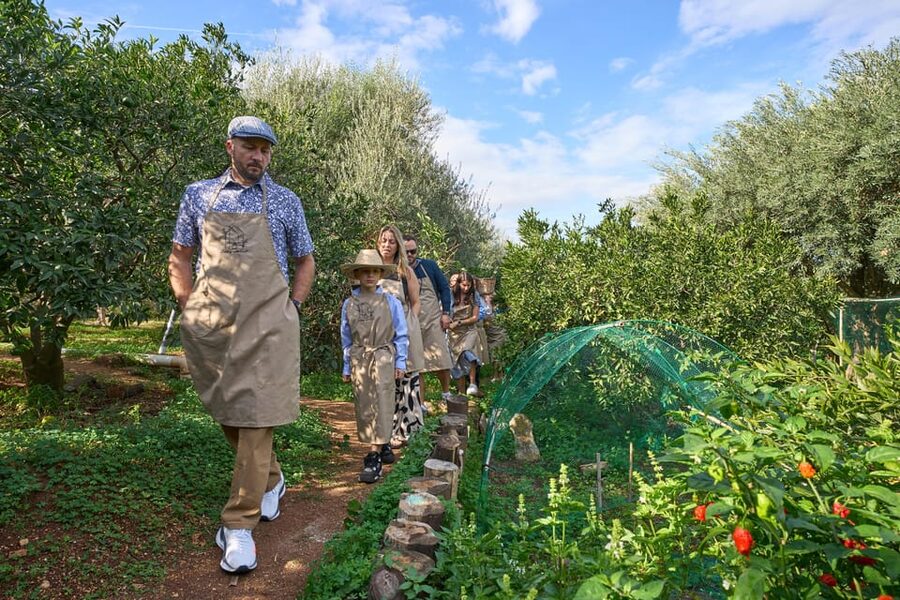
A highlight here is that you get time with the garden itself. In practice, this means you’re not only told the ingredients are fresh—you’re shown where they come from. You may even sample fruits right after you arrive, then settle in with snacks and a nice drink before the cooking gets underway.
Carlo’s approach is practical and friendly. He doesn’t talk like a lecturer; he explains as you go, and that makes it easier for beginners to follow. One of the most valued parts for me is that the class is organized like a shared meal with a guide, not like a performance.
Pasta time: tagliatelle with garden pesto (and the norma option)
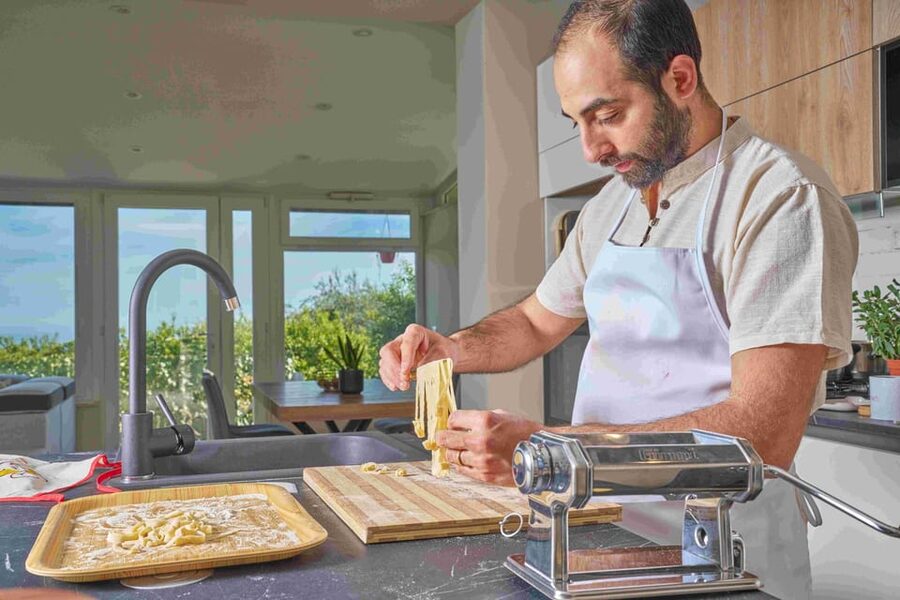
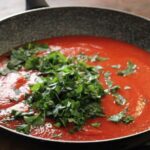
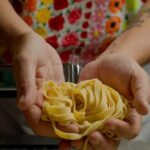
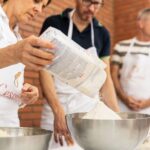
The main pasta lesson is fresh tagliatelle, made during the class. You’ll work through pasta making, then connect that effort to flavor by preparing pesto using ingredients from Carlo’s garden.
If tagliatelle with garden pesto is the plan, you still get options depending on what’s best for the day. The class also includes a typical Sicilian alternative: the norma pasta. Norma is a classic Sicilian pairing, and the key benefit for you is that you’ll come away with at least one pasta base you can reproduce later, not just one dish you ate once.
Why this pasta lesson is worth your time:
- You learn the mechanics of making tagliatelle, so you understand why it tastes different when it’s fresh.
- You learn the flavor logic—how pesto changes depending on what grows and what’s ready.
- You get a real Sicilian identity, because pasta isn’t presented as generic Italian; it’s tied to local ingredients and methods.
Also, pace matters. The group is small, so Carlo can correct hands-on technique without making you feel rushed. For someone who’s never made pasta before, that kind of attention is the difference between a fun disaster and something you’re proud to eat.
Cannoli making: the dessert lesson people remember
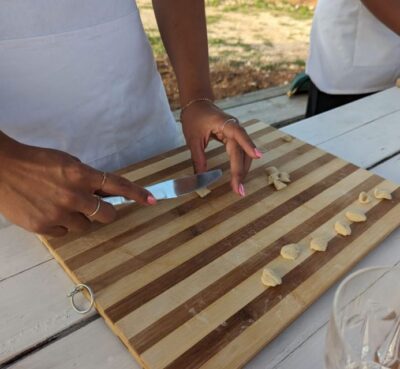
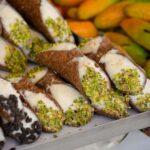
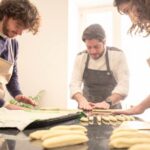
Then comes cannoli. This is not a quick “and here’s dessert.” You’ll make the cannoli as part of the class, which means you get to focus on the sweet details that usually happen off-camera in other experiences.
Cannoli is also a great equalizer for cooking classes. Even if your savory pasta isn’t perfect, dessert technique is usually more forgiving—and the experience of making it yourself feels rewarding. Plus, cannoli is one of those Sicilian foods that instantly helps you picture what you tasted once you’re back home.
Carlo’s way of teaching adds extra context. He shares secrets and recipes handed down through his grandparents, including references to their time in ancient bakeries. That family connection isn’t just storytelling—it helps explain why certain steps matter and why Sicilian home cooking has a “do it the old way” confidence.
Eating on the terrace: lunch or dinner with wine and wine logic
By the time you sit down to eat, you’ve already done the work. That’s when the meal turns from a demonstration into a shared payoff.
The class includes lunch/dinner, plus water and wine, and you’ll be eating in that same terrace setting with nature around you and the view of Palermo in front of you. This is where I like the format most: you can appreciate what you made, rather than eating something you didn’t build.
If you like practical travel experiences—ones that give you skills, not just photos—this part delivers. A cooking class is only half the value if you don’t get to eat what you made. Here, you do. And because wine is included, the meal feels properly “hosted,” not like a workshop that ends when the tools are put away.
Dietary needs: where flexibility actually shows up
Good news if you have dietary preferences: the class states that for vegans or vegetarians, you will surely find the best dishes. That wording suggests the host takes dietary needs seriously and adjusts the menu rather than forcing you into generic substitutes.
Here’s how to use that information: when you contact the organizer (you’ll be contacted day before to arrange details and ask extra questions), be clear about your dietary needs and what you avoid. With a small group, changes are easier to manage, and your experience won’t feel like an afterthought.
Group size and language: the comfort factor
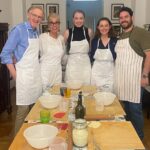
You’ll cook and eat with a small group limited to 8 participants, and the host/greeter can work in English and Italian. For me, that small size is a key value driver. You get time to ask questions, and you’re not shouting across the room while someone tries to explain dough temperature or shaping.
Wheelchair accessible is also listed, which matters for real-world planning. If mobility needs are part of your trip, this is worth considering compared with classes in tight, hard-to-access spaces.
Price and value: what you’re really paying for
At $130.28 per person for about 3 hours, this isn’t a bargain-basement class. But it also doesn’t pretend to be one. The value comes from multiple ingredients that add up:
- Fresh, garden-sourced produce used in your actual cooking
- Hands-on pasta making (not a demo)
- Cannoli making as a full lesson, not an afterthought
- A real meal included (lunch/dinner), plus wine and water
- A small-group experience where the host can teach rather than herd
- A setting with a terrace and Palermo views, which changes the overall experience
If you’ve ever done a cooking class that feels like a rushed assembly line, you’ll appreciate this one’s calmer pacing and its emphasis on ingredients. The best value is for travelers who want both food and context: the how and the why, plus the simple pleasure of eating what you made in a beautiful place.
Who should book this class (and who might rethink)
This experience fits best if you want:
- a hands-on Sicilian cooking lesson, including pasta and cannoli
- a scenic, countryside setting near Palermo
- a smaller, more personal class where Carlo can explain details clearly
- a meal format with wine included and enough time to enjoy it
It might be less ideal if you strongly prefer staying in central Palermo at night, because the cooking happens in a home about 12 km from the city center. In that case, just plan your transport and timing so you don’t spend the day juggling logistics.
Before you go: quick tips to get more out of the 3 hours
- Ask any dietary questions early. The organizer contacts you day before to arrange details and ask extra questions, so use that moment.
- Wear comfortable shoes. You’ll be around a garden and working at food stations.
- Come ready to learn. The experience is built around active participation—pasta making and cannoli making are the main event.
Should you book it?
I think this is a smart book for food-minded travelers in Palermo who want something more real than a typical cooking demo. The standout factors for me are the freshness of garden ingredients, the Palermo view from the terrace, and Carlo’s teaching style that stays friendly and focused. Add in the small group size and the fact you’ll eat a proper included meal, and it feels like good value for what you actually get: skills plus a Sicilian meal in a beautiful setting.
If you’re the type who loves bringing recipes home, this is also a great choice because you’ll make key components yourself—pasta and cannoli—not just one plated dish.
FAQ
Where does the cooking class take place?
Everything takes place in the host’s home about 12 km from Palermo centre, in the Conca D’Oro area with a view over Palermo.
How long is the cooking class?
The class runs for 3 hours. Starting times vary, so you’ll need to check availability.
What’s included in the price?
The experience includes a Sicilian aperitif, pasta making, cannoli making, lunch/dinner, plus water and wine.
Is the class small group?
Yes. It’s limited to 8 participants.
What dishes will we make?
You’ll prepare fresh tagliatelle with pesto from the garden (or you may do the norma pasta option) and make typical Sicilian cannoli.
Are vegan or vegetarian options available?
The experience states that vegan or vegetarian guests can be accommodated with the best dishes.
What languages are offered?
The host/greeter speaks English and Italian.
Is it wheelchair accessible?
Wheelchair accessibility is listed as available.