REVIEW · MUMBAI
Private Maharashtrian Cooking Class in Mumbai with a Local Family
Book on Viator →Operated by Traveling Spoon · Bookable on Viator
One home. Two dishes. That’s the whole magic.
This private Maharashtrian cooking class in Mumbai is built around a local family kitchen, where homemade spices and family recipes matter more than fancy presentation. You’ll learn to cook two regional Maharashtrian dishes, with ingredients and techniques you’d actually see at home, not on a restaurant menu.
I especially like the hands-on format—about 1.5 hours of cooking—so you’re not just watching. After that, you sit down to the meal you helped make, including drinks and sides that go beyond the usual curry-and-rice script.
One consideration: this is a home-based experience, so the exact menu can shift with the season, and if you have strong allergies or dietary needs, you’ll want to message the operator in advance.
In This Review
- Key Things to Know Before You Go
- The Appeal: Why This Feels Like Mumbai, Not a Set Menu
- Getting There: Shell Colony (Kurla) and a Close Connection to NMACC
- Meet Your Host: Rupa (and the Other Names You Might See)
- The Cooking Lesson: Two Maharashtrian Dishes in About 1.5 Hours
- Why this format is worth it
- What You’ll Eat After: Drinks, Sides, Condiments, and Dessert
- Optional Chembur Fish Market: A Smart Add-On for Ingredient Lovers
- Vegetarian Options: What You Should Know Before Booking
- Price and Value: Is $64 Reasonable for a Private Home Class?
- Who This Tour Fits Best (and Who Might Want Something Else)
- Should You Book? A Quick Decision Guide
- FAQ
- How long is the cooking class?
- Is this experience private?
- What does the $64 per person price include?
- Is hotel pick up or drop off included?
- Where does the experience start and end?
- Is vegetarian food available?
- What kinds of dishes will I cook?
- Is there an option to visit a market?
- How soon will I get confirmation after booking?
- What should I do if I have allergies?
Key Things to Know Before You Go
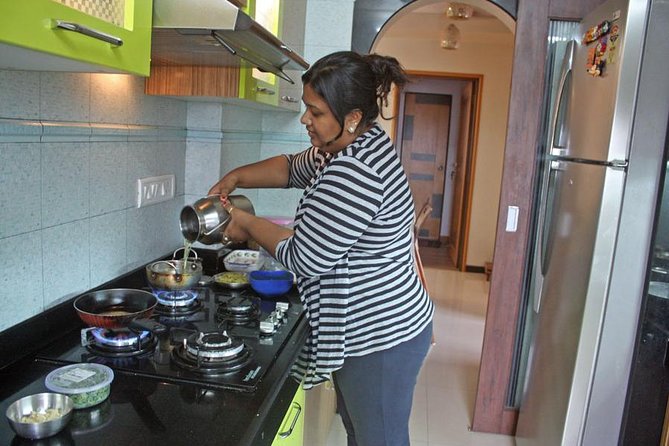
- Private and personalized: It’s only your group, led by the host in a home kitchen.
- Two Maharashtrian dishes: You’ll cook a vegetable dish plus a seasonal non-veg option (fish/chicken/mutton/crab) unless you request vegetarian.
- Spice + technique learning: Expect guidance on homemade masalas and classic Maharashtrian flavor building.
- Optional Chembur fish market: If you choose it, you’ll visit the Chembur market and pick fresh ingredients.
- Seasonal menu variety: Dishes can change, but the core Maharashtrian comfort-food experience stays consistent.
- Hosts named in real use cases: The home chef may be Rupa, and reviews also mention hosts Reshma and Shilpa.
The Appeal: Why This Feels Like Mumbai, Not a Set Menu
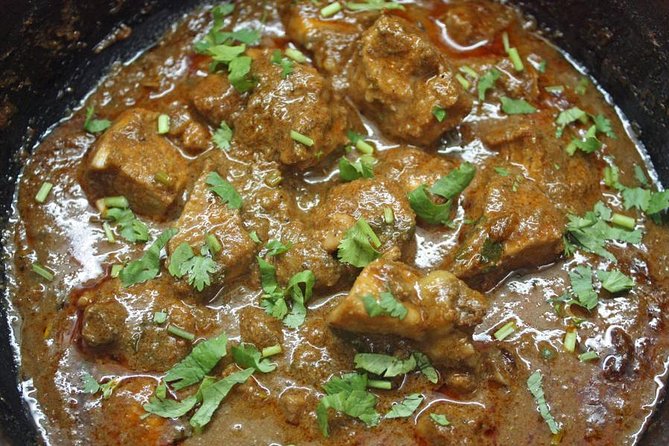
Mumbai food tours can sometimes feel like a parade of places built for tourists. This one flips that. You’re invited into a real home setup, and the lesson is organized around how families actually cook and eat.
What you’re getting is practical cooking knowledge: how locals treat spices, when to use what, and how the final meal is supposed to taste together. The experience also has that “small group” comfort factor—no crowds, no stage, no awkward line-of-sight cooking.
And if you care about regional Indian food detail, this class leans into it. It doesn’t just say Maharashtrian and stop there; it references niche community roots such as Pathare Prabhu, CKP (Chandraseniya Kayastha Prabhu), and even Goan Rupa, which is a clue you’ll likely see flavors that aren’t the everyday default.
You can also read our reviews of more tours and experiences in Mumbai.
Getting There: Shell Colony (Kurla) and a Close Connection to NMACC
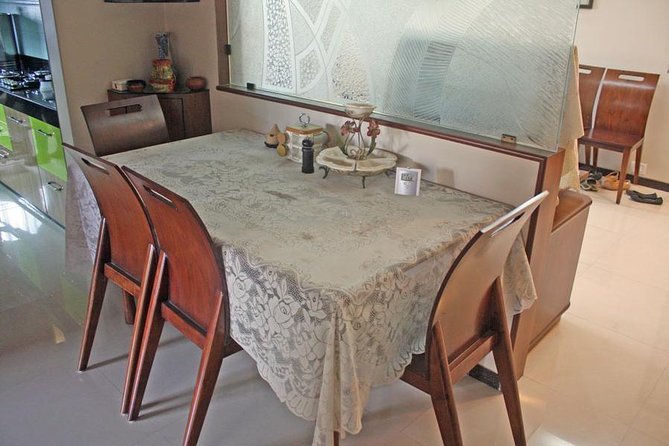
The start point is Shell Colony, Sahakar Nagar, Kurla, Mumbai, and the activity ends back there. There’s no hotel pick-up or drop-off, so you’ll want to plan your own route—good news is it’s near public transportation.
A helpful detail for your itinerary: this cooking experience is close to NMACC (the National Centre for the Performing Arts), about 20 minutes by car/auto. That makes it easier to slot into a day with a concert, performance, or nearby sightseeing.
Bottom line: build your day around arriving on time, not around being picked up from your lobby.
Meet Your Host: Rupa (and the Other Names You Might See)
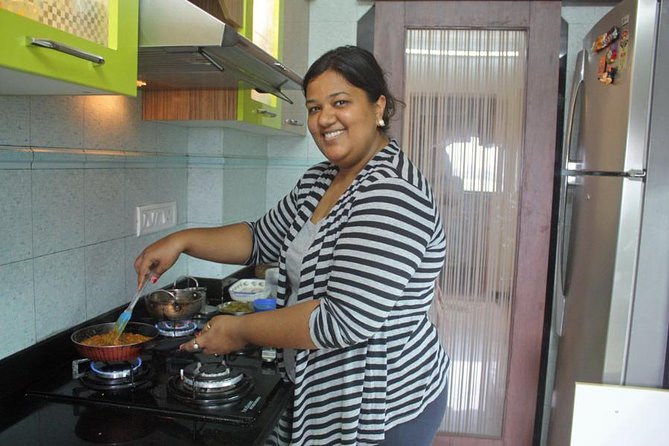
In the core description, the home chef is Rupa, a seasoned host who’s welcomed family, friends, and visitors for decades. The reviews also mention other hosts, including Reshma and Shilpa, which suggests the experience may run through a small roster of capable home chefs.
Either way, the key pattern is the same: you’re in the kitchen with someone who knows the small, repeatable steps that make Maharashtrian food taste like home. That’s also why the class works well for beginners. You’re not expected to already know spice names or technique—your host explains what you’re doing and why.
The Cooking Lesson: Two Maharashtrian Dishes in About 1.5 Hours
You’ll cook for roughly 1.5 hours as part of a total class length of about 3 hours. The core structure is simple:
- Learn to make two regional Maharashtrian dishes
- Work hands-on, guided step by step
- Eat what you made, family-style
The description suggests you’ll typically make a seasonal vegetable dish plus either a fish or chicken option. The broader menu hints that mutton and crab can also show up depending on what’s available and what the household is cooking.
Here are some dishes you might cook (season and availability can shift the exact list):
- suran kaap (yam fry)
- alu vadi (spiced colocasia/taro leaves)
- mutton keema che muthe (spiced minced mutton)
- a fish/chicken/mutton/crab gravy paired with the right base
- thecha (a condiment of green chillies, peanuts, and garlic)
Even if you don’t know these names today, don’t worry. The value here is learning how they’re built—texture, spice balance, and how the dish fits into the rest of the meal.
Why this format is worth it
If you’ve ever taken cooking classes that feel like a demo with a few stirring turns, this one is designed to be more “do it yourself.” The private setup matters too. Your host can slow down for questions, show substitutions, and correct technique before it becomes a big mess. (Because yes, Indian cooking sometimes involves heat management and timing—not just recipes.)




What You’ll Eat After: Drinks, Sides, Condiments, and Dessert
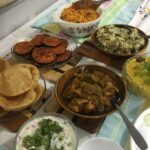
This is a meal lesson, not a snack stop. After cooking, you’ll sit down to the full spread. The menu can vary by season, but the experience includes a mix of cooling drinks, crunchy salads, comforting kheer, and a mouth freshener.
Possible items include:
Cooling drinks and starters
- piyush: a drink made using thickened yogurt and buttermilk
- kokum sharbat: a cooling drink that helps with thirst on warm days
Vegetable sides
- khamang kakdi (cucumber salad)
- suran kaap (yam fry)
- alu vadi (taro leaves prepared with spice)
Gravy + staples
- fish or chicken or mutton or crab gravy (depending on what you’re cooking)
- rice or roti
- thecha as a condiment—this is the kind of spicy, punchy add-on that makes the whole plate taste more “alive”
Dessert and finish
- bhoplyachi kheer (pumpkin pudding)
- sago kheer (pudding)
- paan (mouth freshener)
If you’re thinking, I don’t want to spend 3 hours eating stuff I don’t recognize—good. The aim is exactly the opposite: you’ll taste the food you just learned, plus the supporting cast that turns a dish into a proper Maharashtrian meal.
Optional Chembur Fish Market: A Smart Add-On for Ingredient Lovers
There’s an optional market tour choice. If you pick it, you meet the host at the apartment and together you drive down to the Chembur fish market for a guided visit.
At the market, you’ll be introduced to the fresh catch of the day. Your host also takes you to favorite vendors so you can pick up fresh ingredients for the cooking class.
Two practical benefits if you choose this:
- You’ll understand what makes a difference between fish that tastes right and fish that doesn’t.
- You’ll connect the ingredients to the final dish you’ll cook later—so the lesson feels less abstract.
One note: the experience description doesn’t say how long the market segment lasts, just that it includes a guided tour and ingredient buying. If you’re tight on schedule, ask your operator how market timing affects your total plan.
Vegetarian Options: What You Should Know Before Booking
You can request a vegetarian diet. The host can accommodate it if you inform them in advance about dietary restrictions or allergies.
Because the menu is seasonal and the class often includes a vegetable dish plus a non-veg option, the vegetarian version may change which dishes you cook. The important point is: you should send your needs early so your host can build the meal around your diet rather than trying to patch it later.
Price and Value: Is $64 Reasonable for a Private Home Class?
At $64 per person for about 3 hours, this sits in the “value if you care about authenticity” category.
Here’s what you’re actually paying for:
- a private cooking class with your host in their home kitchen
- a homecooked meal (not just tastings)
- all fees and taxes included
- and if you choose it, a guided Chembur fish market tour
What’s not included: hotel pick up and drop off. So your real cost depends on how you get there.
If you compare this to a restaurant meal plus a cooking workshop, it’s competitive because the meal is included and the class is private. If you’re someone who wants to learn spice logic and technique you can reuse at home, the $64 feels less like a “tour” fee and more like paying for a good teacher and a real meal.
Who This Tour Fits Best (and Who Might Want Something Else)
This class is a great fit if you:
- want a true home-kitchen experience instead of a restaurant performance
- care about regional Indian dishes, not just generic curry basics
- like eating what you make
- want a guided market ingredient story (the Chembur option is a plus)
It’s less ideal if you:
- need a very predictable menu every time (season can change what you cook)
- expect a hotel-style pickup convenience
- have complex allergies and are hoping the experience can handle them without advance planning
Should You Book? A Quick Decision Guide
Book it if you want hands-on cooking plus a full Maharashtrian meal in a calm, private setting. The price is reasonable because the meal and instruction are bundled, and the market option adds a meaningful ingredient layer.
Skip it or consider another option if you’re only looking for basic Indian food tasting or you can’t manage the logistics of arriving at Shell Colony on your own.
If you do book, message your host early with dietary needs and any allergies. That one step makes the whole experience smoother—and it helps ensure your two dishes match what you can safely eat.
FAQ
How long is the cooking class?
The cooking class runs for about 3 hours (approx.), with about 1.5 hours of hands-on cooking.
Is this experience private?
Yes. It’s a private, personalized experience, and only your group participates.
What does the $64 per person price include?
It includes the private cooking class with the host, a homecooked meal, and all fees and taxes. If you choose the market tour option, it also includes a guided tour of the Chembur fish market.
Is hotel pick up or drop off included?
No. Hotel pick up and drop off are not included.
Where does the experience start and end?
The start is Shell Colony, Sahakar Nagar, Kurla, Mumbai, Maharashtra, India, and it ends back at the meeting point.
Is vegetarian food available?
Yes, vegetarian diets can be accommodated on request. You should inform the operator in advance about dietary restrictions or allergies.
What kinds of dishes will I cook?
You’ll learn to cook two regional Maharashtrian dishes. A seasonal vegetable dish is mentioned along with fish or chicken, and the meal can include options like suran kaap, alu vadi, piyush, kokum sharbat, thecha, and kheer. Exact items may vary by season.
Is there an option to visit a market?
Yes. If you select the market tour option, you drive to the Chembur fish market for a guided tour and ingredient shopping for your cooking class.
How soon will I get confirmation after booking?
Confirmation is received within 48 hours of booking, subject to availability.
What should I do if I have allergies?
If you have any allergies, dietary restrictions, or cooking preferences, you should advise at the time of booking so the host can plan accordingly.