REVIEW · MUMBAI
Private Cooking Class in Mumbai
Book on Viator →Operated by India Magic Tours · Bookable on Viator
Cooking in a real Mumbai home feels personal. This private cooking class takes you into a local family’s kitchen for a hands-on lesson on Indian spices and everyday techniques, then you sit down together to eat. I love the way it turns food into a conversation, not just a show.
The two biggest wins for me are the round-trip hotel pickup (you lose less time to Mumbai traffic) and the chance to learn classics like chapattis and paranthas rather than only watching. One consideration: the experience is private for your group, so you won’t get the wide variety you’d sometimes see on larger group tours, and your menu will follow the family’s plan for the day.
In This Review
- Key Reasons You’ll Want This Mumbai Cooking Class
- From Your Hotel to Dadar West: Making Mumbai Feel Easy
- Entering a Local Kitchen: The Homely, Private Feel
- What “homely” actually means for you
- What You’ll Cook: Parathas, Chapattis, Paneer, and More
- Why these specific dishes are great to learn
- The Market Visit Choice: To Shop or Not to Shop
- The 5-Hour Flow: Cooking, Eating, and Going Back Calm
- Price and Value: Is $120 per Person Worth It?
- Who Should Book This Cooking Class (and Who Might Not)
- Should You Book This Private Mumbai Cooking Class?
- FAQ
- How long is the private cooking class in Mumbai?
- Is pickup and drop-off included from my hotel?
- Can I choose a market visit or skip it?
- What dishes will I learn to cook?
- Is this a private experience or do I join a larger group?
- What meal is included, and are alcoholic drinks included?
- Is there a minimum age, and what’s the cancellation window?
Key Reasons You’ll Want This Mumbai Cooking Class
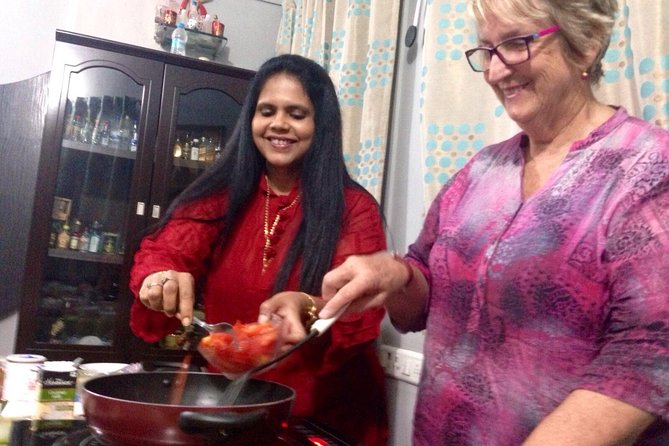
- A real home setup in Dadar West: you’re not in a demo kitchen, so you see how cooking actually happens in a family routine
- Hands-on cooking you can repeat at home: from dough work like chapattis/paranthas to spice balancing for paneer and sides
- Market-visit option: you can choose whether you want ingredient shopping as part of your experience
- You eat what you cook: lunch or dinner is included, so your hard work ends up on the table
- Take-home recipes: you’re leaving with a way to recreate the meal later, not just memories
From Your Hotel to Dadar West: Making Mumbai Feel Easy
Mumbai can be a lot, mostly because travel time can balloon fast. This is one of the reasons I like this experience: you get hotel pickup and drop-off, plus transport in an air-conditioned minivan. That means you can focus on the class instead of timing buses, hunting for landmarks, or wondering if you’re late because the city decided to slow down.
Your trip is centered around Dadar West, where you’ll head to your host family’s home for the lesson and meal. You can choose morning or afternoon start times, which is handy if you’re trying to fit cooking into a packed day of sightseeing, markets, or beaches.
This is also built as a private experience. That matters because you can ask questions, cook at your pace, and get feedback tailored to your skill level. If you like food experiences where you’re not competing for attention, you’ll probably appreciate that structure.
You can also read our reviews of more tours and experiences in Mumbai.
Entering a Local Kitchen: The Homely, Private Feel
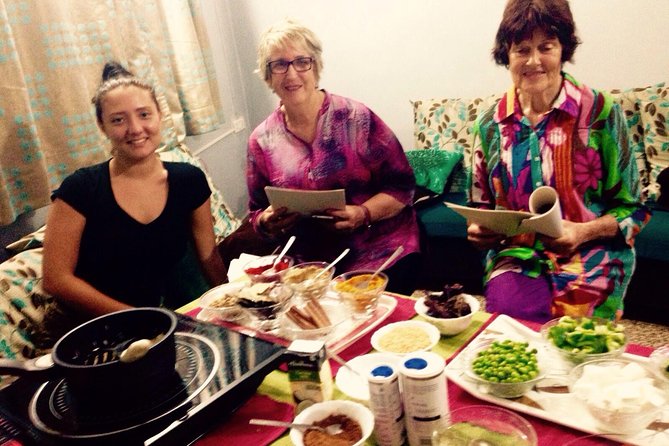
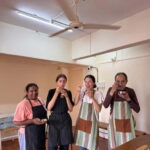
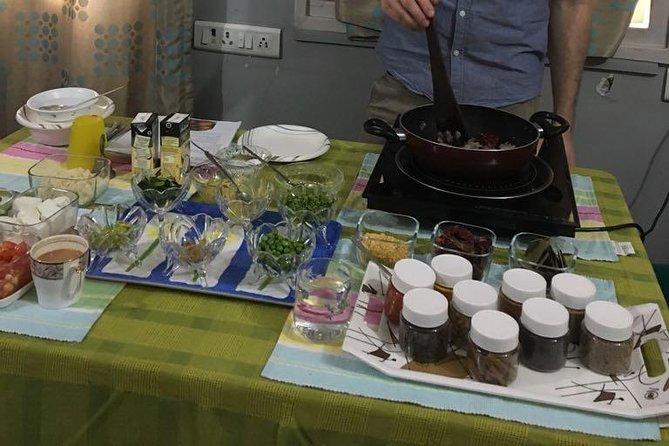
This class is taught in a homely atmosphere, in the home of your cooking master—described as a woman. That personal setting is the heart of the experience. The goal isn’t just to learn a recipe. It’s to understand how Indian cooking works in real life: how spices are handled, how ingredients are layered, and how family preferences shape the final flavors.
In reviews, I see a consistent theme: the hosts explain what they’re doing while you do it. One host named Rahul cooked with guests along with his wife Deepika, and the instruction style emphasized practice with things like chapati-making—not just assembling finished dishes. Another host named Jenny taught guests how to prepare chicken, fish, rice, paneer, and then eat together as dinner.
Expect welcome warmth when you arrive. A welcome celebration is part of the flow in at least some sessions, which helps you settle in before you start cooking. And because it’s in a private home, the tone tends to be calm and friendly, not rushed.
What “homely” actually means for you
It usually translates to a few practical things:
- You’ll cook in the same space where meals get made for family, so the pace feels natural
- Questions are easier to ask because you’re not standing around waiting for a group demonstration
- You get to see spice work up close, including how flavors are built in stages
If you want a cooking class that feels like learning from someone you might actually know, this is that.
What You’ll Cook: Parathas, Chapattis, Paneer, and More
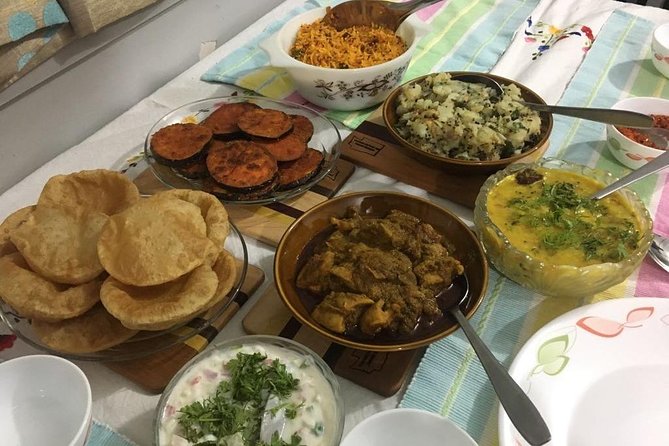
This is not a one-dish class. You’ll learn multiple staples and build a full meal around them. The classic menu examples include paranthas, sag paneer, chapattis, raita, and masala. Depending on the day and your chosen menu, you might also see dishes like tikka and other protein-and-grain combinations.
One thing I appreciate is that the class includes both the process and the outcome. You’re not just making a dish once and hoping it turns out. You’ll practice core skills, like working dough for chapattis/paranthas and learning how to manage heat and spice amounts so the dish stays balanced.
In reviews, I also saw clear examples of what guests cooked and how it translated into the meal:
- Chapati practice that went beyond “watch and snack,” with guests cooking themselves
- Spice explanation focused on types of spices and the method of layering ingredients
- Multiple components, including paneer and sides like rice, then a sit-down dinner
Why these specific dishes are great to learn
If you’re cooking Indian food at home, these are the most useful “building block” dishes:
- Chapattis/paranthas teach dough texture and cooking control (heat + timing)
- Paneer is a great practice case for spice coating and sauce balancing
- Raita teaches cooling contrast, which makes spicy dishes taste better
- Masala/savory spice mixes help you understand flavor structure, not just ingredient lists
Even if your kitchen setup is different, the technique carries over.
The Market Visit Choice: To Shop or Not to Shop
You can add a market visit option or keep it simpler and skip it. If you choose the market route, you’ll start with an ingredient-focused experience that helps explain why Indian cooking relies so much on spice freshness and correct selection.
If you skip the market, you’ll still get the same kitchen learning, but you’ll likely arrive sooner and spend more of the 5-hour window actually cooking and eating. That can be a better fit if you hate rushing around or you’ve already visited markets earlier in your trip.
Either way, the value is in connecting ingredients to results. In a home class, you can ask questions about what you’re seeing and then apply it immediately in the kitchen.
The 5-Hour Flow: Cooking, Eating, and Going Back Calm
The whole experience runs about 5 hours. That’s long enough to do real cooking, not just a quick demo. It’s also short enough that you’re not losing an entire day to logistics.
A typical flow looks like this:
- Pickup and transfer from your hotel
- Arrival around the Dadar West area and meeting your host family
- Cooking instruction with active participation
- Preparing your meal components (with lots of hands-on practice)
- Sitting down for lunch or dinner together
- Return transport back to your hotel
You get lunch or dinner included, which is a big practical win. It means you’re not trying to find food afterward, and you’ll likely eat the best version of the dishes you just cooked.
One detail to keep in mind: alcoholic drinks are not included. Non-alcoholic drinks are typically the default in home dining, so if alcohol matters to you, plan ahead.
Price and Value: Is $120 per Person Worth It?
At $120 per person, this is not a budget snack-and-learn. The value is in what you’re getting for that money:
- Private setting in a local home (only your group participates)
- Hotel pickup and drop-off, plus air-conditioned minivan transport
- Guided, hands-on instruction that covers multiple dishes
- A full meal (lunch or dinner) included
- Take-home recipes so you can repeat the dishes later
When you compare it to culinary classes that are in commercial kitchens, the home factor is a real difference. It changes the pace and the questions you can ask. And because you’re cooking staples like chapattis and paneer-centered dishes, the technique can actually follow you back home.
Also, there are group discounts available. If you’re traveling with friends or family who eat similar food and you can line up your schedules, you may get better value by going as a small group.
Who Should Book This Cooking Class (and Who Might Not)
I’d send you here if you:
- Want an in-home, hands-on experience rather than watching someone cook for you
- Like Indian food enough to learn techniques you can reuse at home
- Prefer a calmer, personal setting where questions feel natural
- Want an easy plan with hotel pickup and a fixed 5-hour window
You might think twice if you:
- Want a class that covers lots of rare dishes outside the family’s menu plan
- Expect a high-end restaurant style presentation (this is a home cooking experience, not a staged show)
But if you’re after cultural exchange through food—spices, dough work, sauce building, and shared meals—this fits nicely.
Should You Book This Private Mumbai Cooking Class?
I think you should book it if you want the best kind of Mumbai souvenir: a skill and a recipe you can repeat. The combination of hands-on cooking, a real home atmosphere, and included lunch/dinner makes it feel worth the price, especially once you factor in hotel pickup and the time it saves.
If you have the time, I’d also consider choosing the option that matches your travel energy. If you enjoy ingredient shopping, pick the market visit option. If you’d rather get cooking quickly, skip it and spend the full class time in the kitchen.
Bottom line: if learning to make chapattis/paranthas and paneer-centered dishes with a family-style approach sounds like your idea of a great afternoon or evening, this is an easy yes.
FAQ
How long is the private cooking class in Mumbai?
The experience runs about 5 hours.
Is pickup and drop-off included from my hotel?
Yes. Round-trip transportation is included with hotel/airport/port pickup and drop-off, using an air-conditioned minivan.
Can I choose a market visit or skip it?
Yes. You can select an option with a market visit or without one.
What dishes will I learn to cook?
Classic options mentioned include paranthas, sag paneer, chapattis, raita, and masala. Dishes covered may also include items like tikka and paneer depending on the menu for the session.
Is this a private experience or do I join a larger group?
It’s private. Only your group participates.
What meal is included, and are alcoholic drinks included?
Lunch or dinner is included. Alcoholic drinks are not included.
Is there a minimum age, and what’s the cancellation window?
Minimum age is 9 years. You can cancel for a full refund up to 24 hours before the experience’s start time.