REVIEW · KANDY
Kandy: Village Cooking Class 12 Dishes with Market Tour
Book on GetYourGuide →Operated by TRAVRI.com · Bookable on GetYourGuide
Cooking smells beat any souvenir. This Kandy experience pairs a hands-on cooking class with a market tour, so you’re not just watching spices go into food—you’re helping pick the ingredients too. I also like the 12-dish menu paired with a village-family setting, which makes the whole 3 hours feel personal and practical. One thing to consider: there’s no hotel pickup, so you’ll need to reach the Pilawala meeting point yourself.
In the village house kitchen, you learn in English and you eat what you cook, usually as lunch or dinner depending on the session. The atmosphere is warm and friendly, and the setting is outdoors near Kandy, so wear shoes you don’t mind getting a little kitchen-dust on. If you’re short on time, 3 hours flies by—but it still won’t fit everyone’s schedule perfectly.
In This Review
- Key Highlights You’ll Actually Use
- Why This Kandy Cooking Class Feels More Like a Family Meal
- The 3-Hour Flow: Market, Kitchen Work, and 12 Dishes
- Market Tour in Pilawala: Choosing Vegetables That Actually Matter
- Inside the Village Kitchen: Hands-On Lessons in English
- What 12 Sri Lankan Dishes Teaches You About Flavor (Not Just Recipes)
- Lunch or Dinner, Served After You Cook It
- Recipe Booklet: The Part That Helps After Your Trip
- Price and Value: Is $48 Worth It?
- Who Should Book This Class (and Who Might Skip It)
- Practical Tips for a Smooth Experience in Pilawala
- Should You Book This Kandy Village Cooking Class?
- FAQ
- How long is the Kandy Village Cooking Class?
- What’s included in the price?
- What’s the meeting point?
- Is hotel pickup or drop-off included?
- Is the class taught in English?
- Are vegetarian options available?
- Can children attend?
- Is the experience wheelchair accessible?
Key Highlights You’ll Actually Use
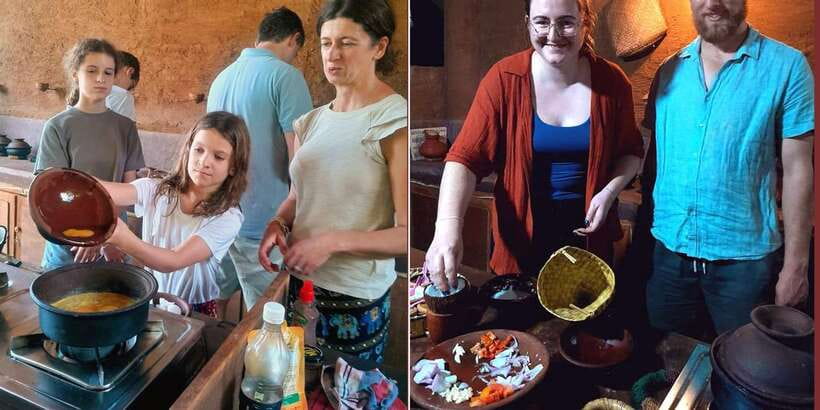
- Pick-your-own vegetables during the local market tour, tailored to seasonal produce
- Hands-on cooking in an outside village-house kitchen with an English instructor
- 12 Sri Lankan dishes you make and then sit down to eat
- English-language guidance so you can follow techniques without guesswork
- Lunch or dinner plus a recipe booklet, so you can repeat the dishes at home
Why This Kandy Cooking Class Feels More Like a Family Meal
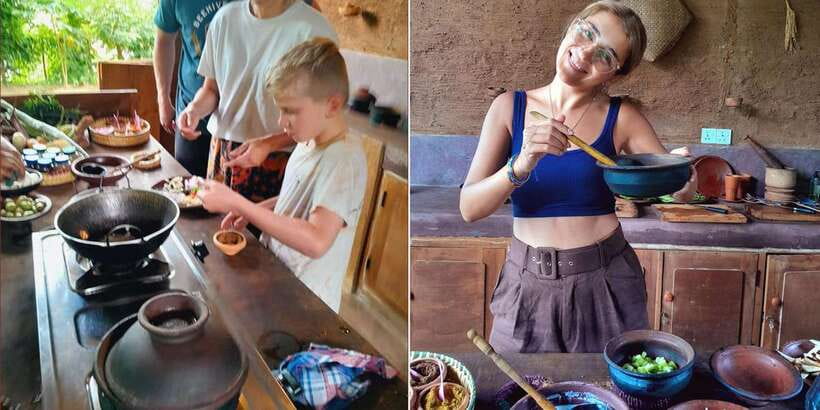
If you’ve ever cooked “by instructions,” you know how quickly it turns into a checklist. This class works better. You start with the ingredients—choosing vegetables at a local market—then you move into the kitchen with a local family teaching you how their food comes together. The result is a meal that feels grown-up and real, not staged for tourists.
What I like most is that you’re learning the how, not just collecting the what. Sri Lankan cooking relies heavily on staples you’ll recognize right away—rice and coconut—plus an array of spices and techniques shaped by outside influences. The class frames those influences as a mix from India, Indonesia, and Dutch culinary traditions. You don’t need a textbook to understand it. You just need to cook long enough for the flavors to make sense.
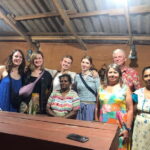
One other practical win: it’s a private group format. Even if you go solo or as a couple, you should get more attention than you’d in a huge class. That matters when you’re trying to copy knife work, spice balance, or timing.
You can also read our reviews of more tours and experiences in Kandy.

The 3-Hour Flow: Market, Kitchen Work, and 12 Dishes
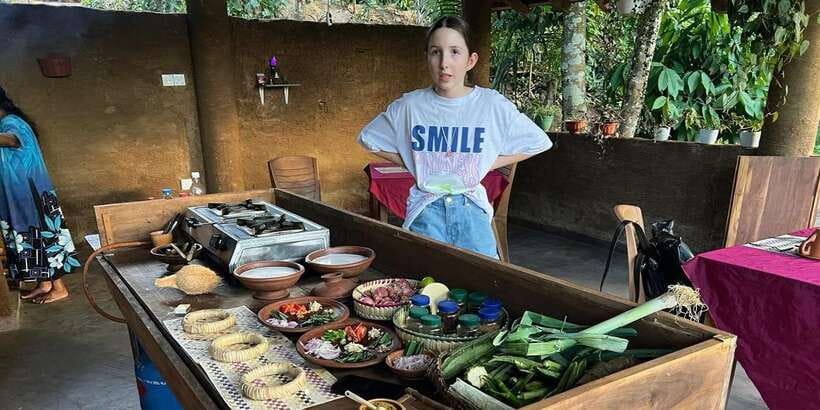
Plan on about three hours total. The rhythm is simple and focused, which is exactly what you want in a cooking class: ingredient shopping, hands-on prep, cooking, then eating.
Here’s the typical order of what you’ll do:
- You meet for the Kandy Village Cooking Class in Pilawala and start with the market tour
- You choose fresh vegetables based on what’s available and in season
- You head to the family-run village house kitchen (an outdoor setup near Kandy)
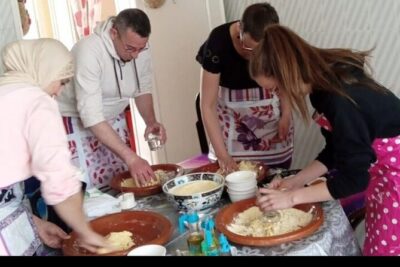
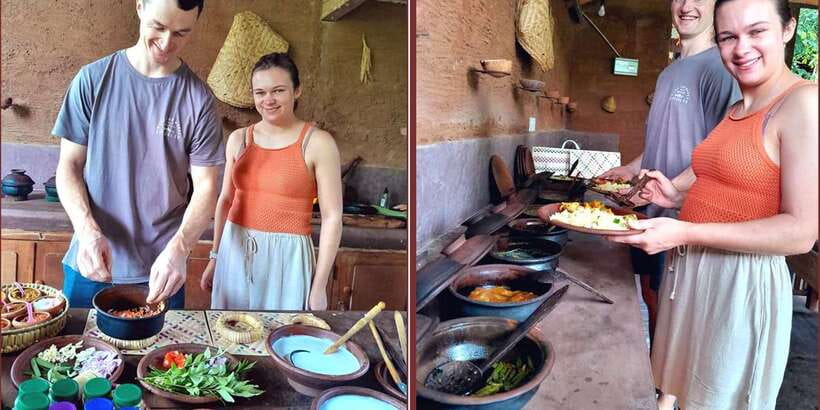
- You cook with the group, learning techniques as you go
- You finish with lunch or dinner featuring what you prepared
- You take home a recipe booklet for your future self
Because you’re making a full plate of food at the end, the class doesn’t feel like a short demo. It feels like a full meal experience. You’ll be busy, but it’s the kind of busy that ends in a table, not a rinse-and-run exit.
Market Tour in Pilawala: Choosing Vegetables That Actually Matter
The market part isn’t a photo stop. It’s the ingredient foundation for everything you cook later. When you’re allowed to pick your own vegetables, the class naturally becomes more flexible—both for taste and for what’s realistically available that day.
Why this matters for you:
- You’ll learn what vegetables are common in Sri Lanka and how they’re used in home cooking
- You’ll get a feel for seasonal choices rather than the same supermarket produce every day
- If you have preferences (or want to avoid a vegetable you don’t like), you have a say early
In practical terms, go in with an open mind. Even if you don’t know the local names, you’ll see what’s fresh, and the instructor can guide you on what fits the dishes being cooked. Wear comfortable shoes for walking in and around the market area. This is one of those experiences where comfort affects enjoyment more than you’d think.
Inside the Village Kitchen: Hands-On Lessons in English
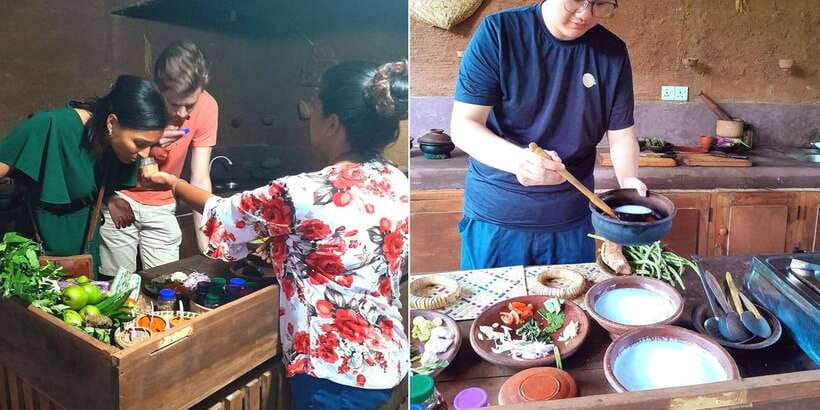
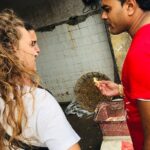
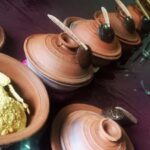
This class is run by a welcoming village housewife and her family. You’re in their environment, not a rented studio. That’s part of the charm, but it’s also why the teaching style works. Families cook through habit, routine, and clear explanations—less performance, more “this is how we do it.”
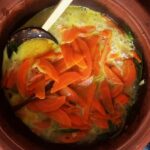
The instructor teaches in English, so you can follow techniques without needing a translation app. You’ll handle ingredients yourself, so you learn by doing: prep steps, cooking steps, and how the flavors should look and smell as they come together.
A detail I really appreciate: the class is wheelchair accessible. Cooking classes can be awkward for mobility, so it’s good to know the setup is designed for access. Still, kitchens can be tight or hands-on work can be physical—so if you use a wheelchair, it’s worth confirming your comfort level with the provider.
Also, if you’re bringing children, keep in mind that kids must be accompanied by an adult. In a cooking-and-market experience, adult support isn’t optional—especially when you’re walking and handling hot or sharp kitchen items.
What 12 Sri Lankan Dishes Teaches You About Flavor (Not Just Recipes)
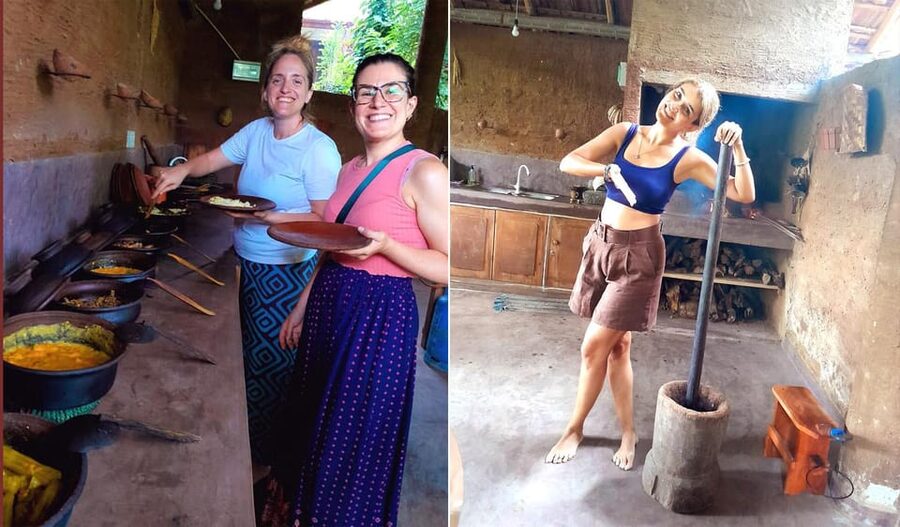
The menu is built around Sri Lankan favorites: rice, coconut, spices, and dishes shaped by blended influences from India, Indonesia, and Dutch cuisine. You’ll see how those influences don’t just show up as “cultural trivia.” They show up as cooking behavior: how ingredients are layered, how sauces thicken, and how the spice mix is balanced so it tastes finished, not harsh.
The most useful part for your future cooking is learning technique patterns that repeat across dishes. Even if you can’t remember every step verbatim, you can usually remember:
- what comes first in the pan
- how coconut changes the feel of a sauce
- how spices are used to build flavor instead of just adding heat
The class doesn’t position cooking as a single magic step. It teaches a sequence. That’s why the end result feels like real Sri Lankan food, not generic curry with coconut.
And yes, the 12-dish scope is a lot for three hours. But it stays manageable because you’re learning in a structured group setting with shared ingredients already handled. In other words: the class gives you enough action to feel hands-on, without making you responsible for every tiny piece from scratch.
Lunch or Dinner, Served After You Cook It
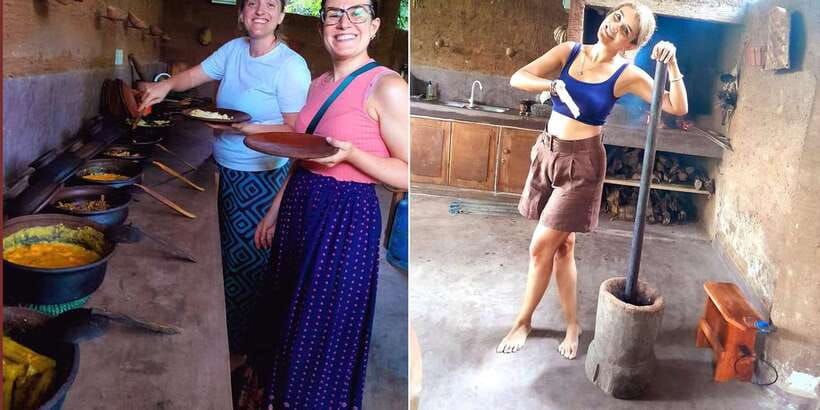
The best cooking class meals are the ones you actually earned. Here, you eat what you prepared, with lunch or dinner included. That means your effort isn’t just for learning—it becomes your actual plate.
You should expect a full spread, not a token bite. And because you chose vegetables at the market, your meal isn’t just tied to a fixed menu. It’s tied to that day’s ingredients, which makes the experience feel more grounded in local life.
One more thing: the village-house atmosphere adds comfort. You’re not standing over a counter with a timer and a strict “watch only” vibe. The class is described as warm and friendly, which lines up with what you want when you’re learning a new style of cooking and trying to not spill sauce.
Recipe Booklet: The Part That Helps After Your Trip
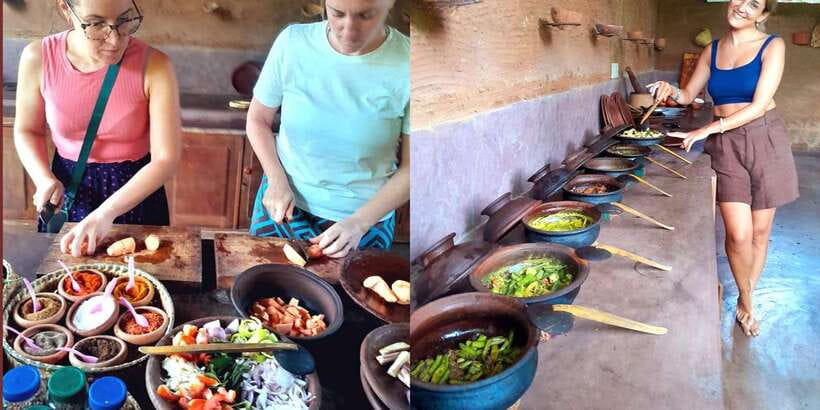
This class includes a recipe booklet, which is more important than it sounds. Cooking classes often end with great memories and a vague sense of, I think it had coconut and spices. A booklet gives you a way to rebuild what you cooked without relying on memory or trying to guess from a photo.
Use it like this:
- Pick one dish you truly enjoyed
- Cook it soon after you return while flavor memory is fresh
- Adjust to what you can find locally, but keep the technique steps as your anchor
You’ll get the most value from the booklet if you take a few moments during the class to note what stood out: textures, thickness, and the way spices behaved in the pot.
Price and Value: Is $48 Worth It?

At $48 per person for a 3-hour class that includes a market tour, 12 dishes, all ingredients, your meal (lunch/dinner), and a recipe booklet, the price is on the reasonable side for what you’re getting.
Here’s why the value feels strong:
- You’re not just cooking; you’re shopping for key ingredients first
- You’re producing a substantial meal, not small tastings only
- The class is hands-on and taught in English
- You receive a tangible take-home item (the recipe booklet)
- You’re hosted in a village house setting, not a generic demo kitchen
The biggest cost-related caveat is the one you control: no hotel pickup or drop-off. So your real “all-in” cost might be a taxi or tuk-tuk ride to Pilawala. If you’re already staying nearby or comfortable getting there on your own, that cost stays low. If you’re far away, plan time and budget for transport.
Who Should Book This Class (and Who Might Skip It)
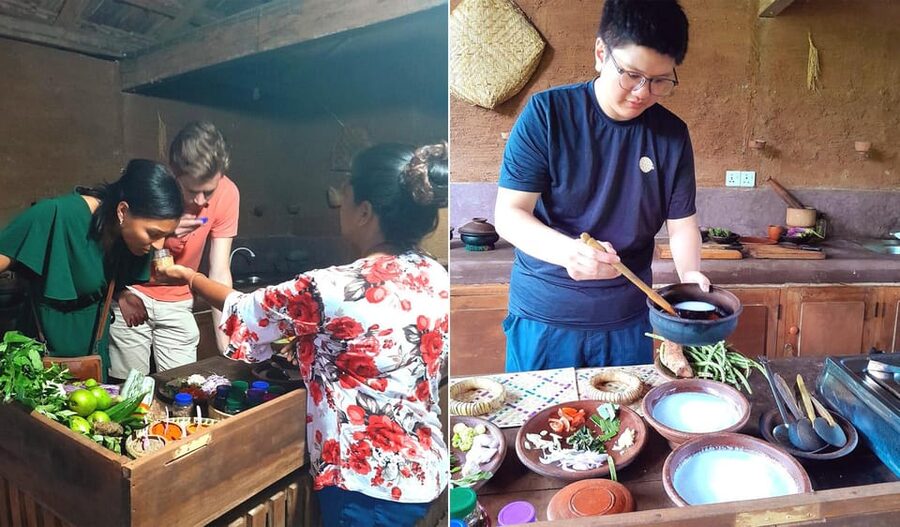
This is a great fit if you:
- Want authentic food learning, not a quick tourist cooking show
- Like hands-on experiences where you do real prep and real cooking
- Enjoy spice-based cuisine and want to understand how flavors are built
- Want a full meal included, plus recipes you can actually repeat later
- Prefer smaller, more personal settings (it’s a private group)
You might consider skipping or choosing something else if you:
- Need a class that includes hotel pickup, since this one does not
- Don’t enjoy walking around markets or standing in an active kitchen environment
- Have extremely specific dietary needs beyond vegetarian (the class notes vegetarian options are available if you inform them in advance)
Practical Tips for a Smooth Experience in Pilawala
A few small choices make the day go smoothly:
- Wear comfortable clothes and shoes for both cooking and walking
- Bring a calm, flexible attitude—market shopping + cooking takes time
- If you want vegetarian food, inform the provider in advance
- Expect the class to be in English, but go easy if you’re still learning spice vocabulary
- If you’re traveling with kids, plan for adult supervision throughout
- If you use a wheelchair, you’ll likely be accommodated, but it’s smart to confirm how the work areas are set up
Meeting point matters here. You’ll go to:
Kandy Village Cooking Class, no.38.pilawala,kandy, Pilawala 20196, Sri Lanka
Also, if you like planning with flexibility, the activity offers free cancellation up to 24 hours in advance and a reserve now, pay later option.
Should You Book This Kandy Village Cooking Class?
Yes, you should book it if you want a hands-on cooking experience that includes the two biggest drivers of satisfaction: real ingredients (picked at the market) and a real meal you make yourself.
It’s also a smart choice when you’re in Kandy and you want more than sightseeing. A village house, an outside kitchen near Kandy, and a family-style teaching approach turn your time into something you can taste and recreate later.
Book it if:
- you like practical food learning
- you’re okay handling transport on your own to Pilawala
- you want 12 dishes worth of learning in a single afternoon or evening session
Skip it if you want a passive class, or you need guaranteed hotel pickup to make your day work.
FAQ
How long is the Kandy Village Cooking Class?
The class lasts about 3 hours.
What’s included in the price?
You get a hands-on cooking experience, a local market tour, all cooking ingredients, lunch or dinner with the dishes you prepare, a 12-dish menu, and a recipe booklet.
What’s the meeting point?
The meeting point is Kandy Village Cooking Class, no.38.pilawala,kandy, Pilawala 20196, Sri Lanka.
Is hotel pickup or drop-off included?
No, hotel pickup and drop-off are not included.
Is the class taught in English?
Yes, the instructor teaches in English.
Are vegetarian options available?
Yes. You should inform the provider in advance if you need vegetarian options.
Can children attend?
Children must be accompanied by an adult.
Is the experience wheelchair accessible?
Yes, it’s listed as wheelchair accessible.