REVIEW · HANOI
Vietnamese Home Cooking Class in Hanoi
Book on Viator →Operated by Hanoi Food Tasting Tours · Bookable on Viator
You get Vietnamese comfort food with real hands-on structure. The small-group format (max 5) keeps the cooking personal, and the Hanoian market stop makes every ingredient choice feel meaningful. In practice, it’s a fun way to go from seeing Vietnamese flavors in the street to understanding how they’re built at home.
I do like that you’re not stuck with one single dish. You’ll learn multiple dishes, plus finish with a proper sit-down meal (often with traditional rice wine) and Vietnamese Egg Coffee. One thing to consider: the class is only about 4.5 hours, so you’ll learn the techniques fast rather than doing a slow, heavy skill drill.
In This Review
- Key highlights you’ll care about
- Why this Hanoi Vietnamese home cooking class works
- Pickup, timing, and how the 4.5 hours are paced
- Three menu paths: Bun Cha, Pho-style soups, or vegetarian Che
- Hanoian Feast (classic Hanoi flavors)
- Tonkin Origin (soup focus and seafood-friendly balance)
- Vegetarian Lover (meat-free, still Vietnamese)
- The Hanoian market stop: where the flavor story starts
- Cooking in a local chef’s home: hands-on, not show-and-tell
- The dishes: what you’ll learn from each one
- Bun Cha (BBQ pork with noodles and fish sauce)
- Spring rolls (Nem, fresh or fried)
- Salad components: banana flowers, green papaya, and dried beef
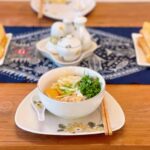
- Pho-style noodle soup and grilled fish
- Tofu and eggplant with ginger
- Che and Vietnamese Egg Coffee
- The meal: lunch or dinner, plus rice wine and coffee/tea
- Price and value: what $41.03 buys you in Hanoi
- Who should book this class (and who should skip it)
- My booking checklist before you go
- Should you book this Vietnamese home cooking class in Hanoi?
- FAQ
- What size group is this Hanoi cooking class?
- How long is the experience?
- Do you get hotel pickup and drop-off?
- Is there a choice between morning and afternoon?
- What dishes will I learn to make?
- Is there a vegetarian menu option?
- What’s included in the price?
- How should I handle dietary requirements?
- Can I cancel for a full refund?
Key highlights you’ll care about

- Max 5 people means you cook, not just watch.
- Market shopping for fresh ingredients before you cook helps you understand flavors.
- Morning or afternoon choice fits your day without forcing a weird schedule.
- Three menu styles let you pick what you want: Bun Cha, Pho-style soup, or vegetarian Che.
- Hotel pickup and drop-off plus a shared transfer makes the logistics easy.
Why this Hanoi Vietnamese home cooking class works
Hanoi food can feel like a maze at first. Street stalls sell great bites, but they don’t explain why spring rolls crisp up the way they do, or why fish sauce matters so much in Bun Cha style noodles. This class puts you on the source. You shop for ingredients in a typical Hanoian market, then cook in a local home setting where the process makes sense.
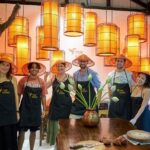
The max five-person group is a big deal. When you’re not packed in, your chef can correct your rolling, show you the right knife habits, and help you troubleshoot while you’re actually making the dish. It’s a far better use of time than the big “watch and snack” format.
Also, you’re not just learning Vietnamese cuisine as a list of dishes. You’re learning it as a system: fresh herbs, sauces, and balance. Even if you’re a beginner, you’ll walk away with a clearer sense of how Vietnamese flavor is assembled.
You can also read our reviews of more tours and experiences in Hanoi.
Pickup, timing, and how the 4.5 hours are paced
This experience runs about 4 hours 30 minutes and uses a shared round-trip transfer with hotel pickup and drop-off. That matters in Hanoi, where traffic can eat time and patience. The tour also uses a mobile ticket, which keeps the start simple.
You’ll have two timing options: a morning version that’s built around lunch, or an afternoon version that ends at dinner. Either way, plan your day around the class rather than trying to cram other major activities right before or right after. You’ll be shopping, cooking, and then sitting down to eat what you made.
One practical point: because the session is time-boxed, the goal is not perfection. It’s understanding. You’ll get hands-on practice with at least four dishes, but it moves at a cooking workshop pace, not a full-day apprenticeship.
Three menu paths: Bun Cha, Pho-style soups, or vegetarian Che
The menu choice is one of the best parts of this class because it lets you match the experience to what you already like to eat in Vietnam. You can choose from three options, each built around different flavor targets and comfort foods.
Hanoian Feast (classic Hanoi flavors)
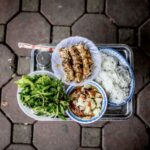
You may cook dishes like Bun Cha (BBQ pork with noodles and fish sauce) and Nem (fried spring rolls). You’ll also work on a salad component such as banana flowers salad with chicken or green papaya salad with dried beef. Finish with Vietnamese Egg Coffee.
Tonkin Origin (soup focus and seafood-friendly balance)
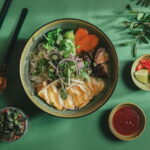
If you love Hanoi street soup culture, this one fits. You may make Pho-style noodle soup with beef or chicken, plus a salad like green mango salad with seafood, and a grilled fish dish. You’ll also end with Vietnamese Egg Coffee.

Vegetarian Lover (meat-free, still Vietnamese)
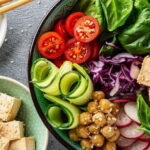
Vegetarian doesn’t mean bland here. You may make spring rolls (fresh or fried), tofu in tomato sauce, and eggplant with ginger sauce. The dessert component is Che, a traditional Vietnamese sweet you’ll likely recognize from Vietnamese food stands.
If you’re undecided, pick based on your favorite flavor style: noodle-soup cravings (Tonkin), Hanoi comfort favorites like Bun Cha and spring rolls (Hanoian Feast), or a plant-forward menu that still feels fully Vietnamese (Vegetarian Lover).
The Hanoian market stop: where the flavor story starts
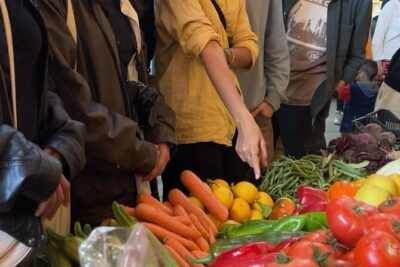
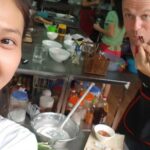
The class includes a visit to a typical Hanoian market where you shop for fresh ingredients. This is where the experience turns from cooking class into food literacy.
You’re not just buying random items. You’re selecting ingredients that directly affect texture and taste later—things like herbs, salad bases, proteins, and the key sauce components that make Vietnamese dishes taste balanced instead of heavy.
It also helps you understand how Vietnamese cooks think about meals:
- There’s usually a fresh element to cut richness.
- Sauces are built to do the heavy lifting.
- Cooking isn’t one flavor event. It’s a series of small decisions.
From the way instructors are described, this market time can also become a mini orientation to everyday Hanoi habits. Some guides—like Linh in one described group—explain local food culture alongside what you’re actually buying. If you like street food but want to understand it faster, this portion is your shortcut.
Cooking in a local chef’s home: hands-on, not show-and-tell
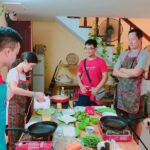
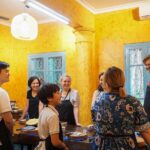
After the market, you meet your host and cook at their home. That shift—public market to private kitchen—is one reason this class feels authentic. You’re not doing everything in a studio. You’re cooking like the people you’re learning from.
You’ll likely do prep steps like cutting and assembling, then move into cooking. Expect teamwork. The small group means you’ll get meaningful tasks instead of standing to the side. And because the menu is pre-built, the chef can guide you dish by dish without rushing.
The human factor matters too. The chef and guide roles seem to be central to the experience. Simon, for example, is described as patient and friendly and accommodating to food preferences. Jessy is described as interactive and fun during the workshop. Chris is described as making the class enjoyable, while Mango is noted for enthusiasm and energy in guiding the market plus cooking flow. Luke is mentioned in connection with exploring local eating spots in a way that felt knowledgeable and entertaining.
You don’t need a cooking background to get value here. The class is set up so you can pick up technique while you’re actively doing it.
The dishes: what you’ll learn from each one
You’ll learn at least four Vietnamese dishes (depending on the menu you choose). Here’s what these dishes teach you, beyond the name.
Bun Cha (BBQ pork with noodles and fish sauce)
This dish teaches you how sauces do the work. The flavor isn’t just in the pork. It’s in the fish sauce balance and how the noodles and sauce come together. Bun Cha also trains you to think about temperature and timing—putting elements together so they taste fresh instead of soggy.
Spring rolls (Nem, fresh or fried)
Spring rolls are all about texture control. You’ll practice wrapping and then, if the menu includes fried versions, learn how to get that crisp outside feel. Even if you’ve eaten plenty of spring rolls, cooking them helps you see why good rolls don’t fall apart.
Salad components: banana flowers, green papaya, and dried beef
Salads here aren’t just sides. They’re flavor balancing tools. Whether it’s banana flower salad with chicken or green papaya salad with dried beef, these dishes teach you about crunch, sour notes, and the way herbs brighten heavier elements.
Pho-style noodle soup and grilled fish
If you pick Tonkin Origin, you’ll get soup-making culture. Pho-style dishes teach patience and balance—how spices and broth lead the taste. Grilled fish teaches you about seasoning and how grilling can keep fish flavorful without making it dry.
Tofu and eggplant with ginger
The vegetarian menu is built to avoid the common mistake of “meatless but still dull.” Tofu in tomato sauce gives you a grounding, savory base, and eggplant with ginger shows how Vietnamese cooking can be fragrant and comforting without relying on animal protein.
Che and Vietnamese Egg Coffee
These are the “finish strong” dishes. Che gives you a traditional Vietnamese dessert experience. Vietnamese Egg Coffee is the sweet capstone that many people remember long after the meal ends. It’s also one of those items where you can bring the idea home, even if your kitchen setup is different.
The meal: lunch or dinner, plus rice wine and coffee/tea
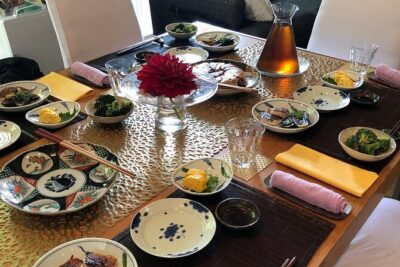
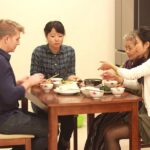
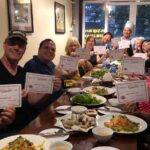
Once cooking wraps up, you sit down for lunch or dinner and eat what you made. This is not an afterthought. It’s part of the learning loop: taste, evaluate, and connect your cooking steps to the final dish.
Traditional meals here may include rice wine alongside your meal. You’ll also have coffee and/or tea. Since Vietnamese Egg Coffee is specifically listed as part of the sample menus, you should expect that to be central to the finish.
For me, this is where the class becomes more than instruction. You’re not just collecting recipes. You’re building a memory of what the dishes should taste like when they’re assembled correctly.
Price and value: what $41.03 buys you in Hanoi
At $41.03 per person, this isn’t the cheapest thing in Hanoi. But it’s also not overpriced for what’s included—especially if you value your time.
You get:
- Hotel pickup and drop-off
- A shared round-trip transfer
- Bottled water
- A local guide and the cooking portion
- Lunch or dinner
- The cooking class itself
- Coffee and/or tea
- The market ingredient-shopping experience
That mix is the value. Cooking classes can be just instruction with no food payoff. Street-food tours can be great for tasting, but you still don’t learn how to cook. This format gives you both: learning steps and eating results, with transport handled so you don’t burn half a day figuring out where to go.
One caution shows up in how some people judge value: if you think $41 should equal a longer, more in-depth cooking session, you may feel the time is tight. But the structure is designed to fit the key parts—market, cooking, and meal—into a single smooth half-day.
Who should book this class (and who should skip it)
This class is ideal if you want:
- A small-group experience with real participation
- A market-to-home cooking flow that helps you understand Vietnamese flavors
- The chance to make at least four dishes instead of one quick demo
- A meal that’s included and tied to your cooking
It also works well if you’re traveling solo or as a couple. The max five-person size makes it easier to ask questions and actually learn.
You might skip it if you’re only looking for a quick taste of Hanoi food and don’t care about cooking. And if you have strong preferences that require very specific adjustments, contact the operator at booking time with your needs so they can accommodate you.
My booking checklist before you go
Here’s how I’d set yourself up to get the most from the experience.
- Pick the menu that matches your mood: Bun Cha and spring rolls (Hanoian Feast), Pho-style soup and grilled fish (Tonkin Origin), or tofu/eggplant and Che (Vegetarian Lover).
- If you have dietary needs, say so when you book. The class specifically asks you to advise dietary requirements ahead of time.
- Plan for the half-day timing. With a 4.5-hour experience, you’ll want your other activities to be light.
- Wear clothes you don’t mind getting a little cooking-daily-life on. You’ll likely be prepping and handling food.
If you’re the kind of traveler who wants a practical skill you can recreate later, this is the kind of Hanoi activity that actually pays off after you return home.
Should you book this Vietnamese home cooking class in Hanoi?
Yes, if you want a hands-on way to understand Hanoi flavors. The market ingredient-shopping, the small-group cooking, and the included lunch or dinner combine into a half-day that feels complete rather than random.
Book it especially if you’re excited by dishes like Bun Cha, spring rolls, Pho-style soup, eggplant with ginger, or Vietnamese Egg Coffee. And choose the morning or afternoon slot based on how your Hanoi day is already planned.
If you hate cooking tasks or you expect a long, slow lesson, then this may feel too fast. But if you want a high-payoff workshop with real results, it’s a strong value bet for Hanoi.
FAQ
What size group is this Hanoi cooking class?
The class has a maximum of five travelers, so it’s designed for hands-on participation.
How long is the experience?
It runs about 4 hours 30 minutes.
Do you get hotel pickup and drop-off?
Yes. Hassle-free pickup and drop-off from your Hanoi hotel is included.
Is there a choice between morning and afternoon?
Yes. You can choose a morning tour (with lunch) or an afternoon tour (with dinner).
What dishes will I learn to make?
You’ll learn at least four Vietnamese dishes. The exact dishes depend on the menu option you choose, with examples including Bun Cha, spring rolls, Pho, grilled fish, tofu in tomato sauce, eggplant with ginger sauce, Che, and Vietnamese Egg Coffee.
Is there a vegetarian menu option?
Yes. There is a Vegetarian Lover menu that includes dishes like tofu in tomato sauce, eggplant with ginger sauce, spring rolls, and Che.
What’s included in the price?
The price includes round-trip shared transfer, bottled water, a local guide, the local tour, lunch or dinner, the cooking class, and coffee and/or tea.
How should I handle dietary requirements?
You should advise any specific dietary requirements at the time of booking.
Can I cancel for a full refund?
Yes. You can cancel up to 24 hours in advance for a full refund, based on the experience’s local time.