REVIEW · TOKYO
Tokyo: Wagyu and 7 Japanese Dishes Cooking Class
Book on GetYourGuide →Operated by Cooking Sun · Bookable on GetYourGuide
Tokyo tastes different when you learn it hands-on. This cooking class turns a Wagyu highlight into a full Japanese meal, taught step by step in a homey studio setting.
I especially like the small-group feel and the way the instructors slow everything down so you can actually do it. The other big win for me is leaving with recipes you can recreate, not just a plate of food you ate and forgot.
One caution: the studio sits in a residential area and it’s not the kind of place with an obvious storefront. If you prefer easy pick-up-and-drop logistics, you’ll want to plan your arrival carefully since there’s no hotel transport.
In This Review
- Key Things I’d Book This For
- A Beige Building, a Real Kitchen, and a Small Group That Lets You Cook
- The Wagyu Main Event: More Than a Fancy Bite
- Dashi and Miso: The Taste Foundation You’ll Want to Use at Home
- Course by Course Cooking: Cutting, Mixing, Stuffing, and Hotplate Timing
- The Cultural Bits You Actually Remember
- Location Logistics: Finding the Studio Without Losing Half a Day
- What’s Included, What’s Not, and Why $67 Makes Sense
- Who This Class Suits Best
- Should You Book It?
- FAQ
- Where is the cooking class located?
- How do I enter the building?
- What should I do if I can’t find the studio?
- How long is the class?
- Is the instructor English-speaking?
- What is the group size?
- What’s included in the price?
- What is not included?
- Can the class accommodate dietary restrictions?
- Do they offer flexible booking and cancellation?
- The Final Take
Key Things I’d Book This For
- Wagyu takes center stage, cooked as part of a proper Japanese meal, not just a token taste
- English instruction for every step, with practical guidance as you cook
- Dashi, miso, and classic flavor building taught in a way you can use at home
- Fresh prep + satisfying hands-on work, from cutting and stuffing to making dessert
- Clean, well-equipped kitchen setup with aprons, towels, and utensils provided
- A cozy residential-studio vibe that feels more local than touristy
A Beige Building, a Real Kitchen, and a Small Group That Lets You Cook
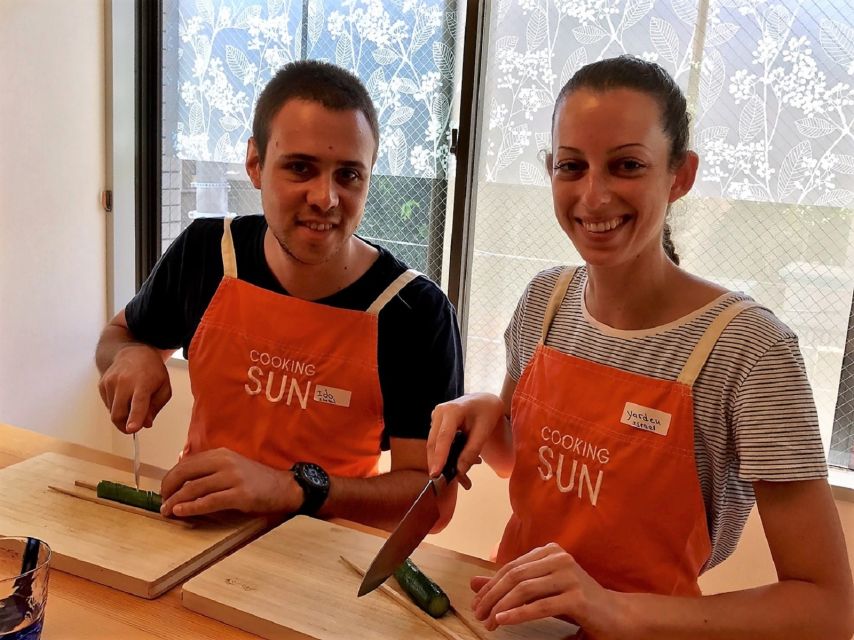
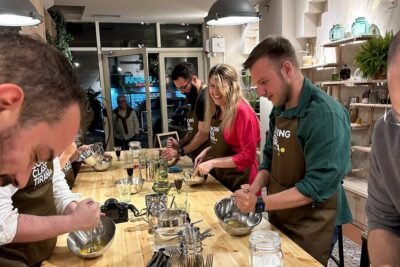
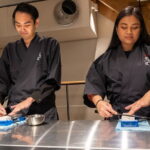
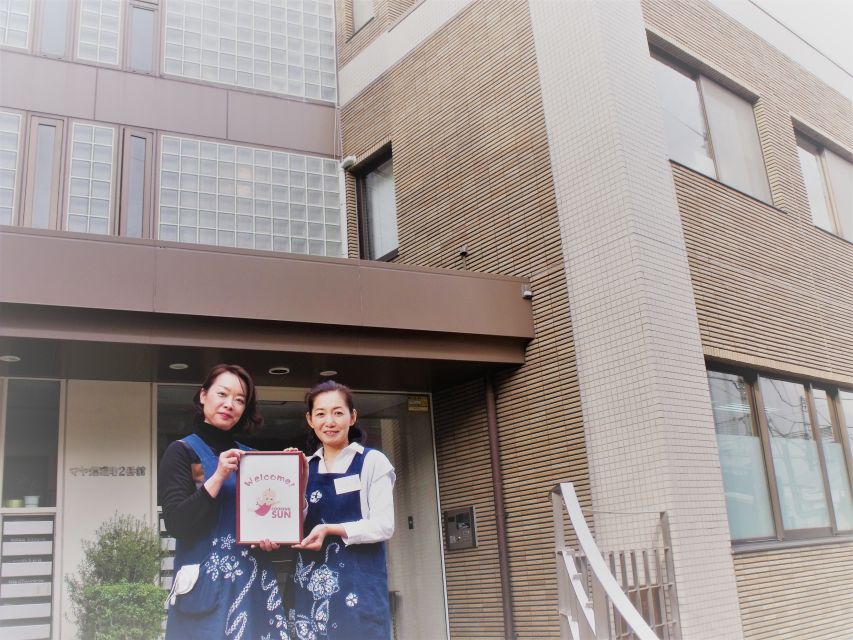
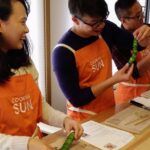
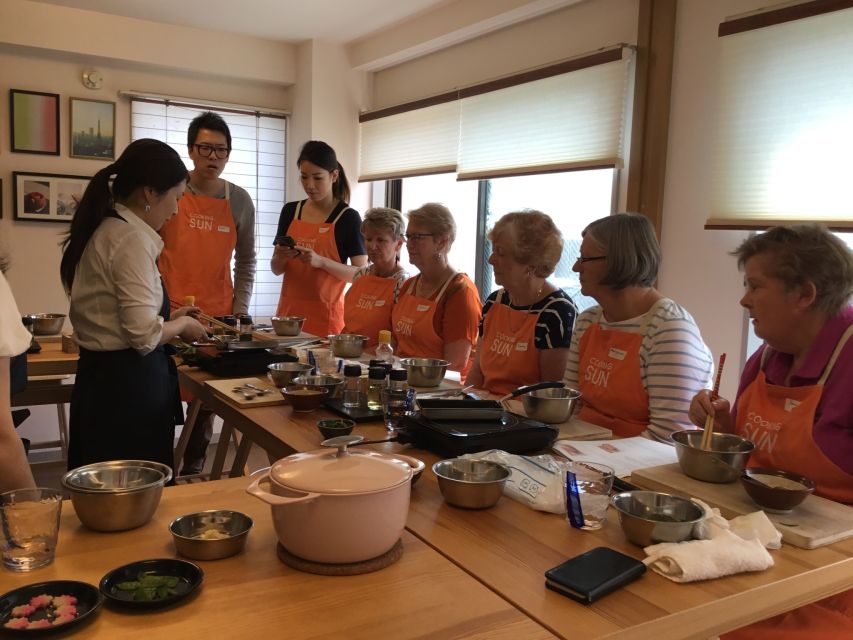
This class happens in a studio that sits on the second floor of a beige residential building. There’s something comforting about that setup: you’re not herded through a factory-style experience. Instead, you’re working at a normal cooking space where the staff can keep an eye on you and help with technique.
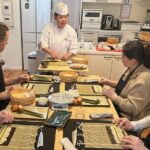
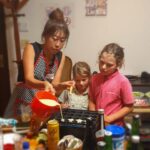
The group is capped at 8 participants, which matters more than you’d think. When the number is small, you don’t spend the session waiting. You’re far more likely to get real-time corrections—like how to handle a knife cut, when to adjust seasoning, or how to manage a pan so your dish turns out the way it should.
In the background, there’s a simple starting point: you’ll get welcome tea, then you begin cooking. Towel and apron rental are included, which sounds small until you’re trying to cook in street clothes that you’re nervous about.
You should also know what you’re walking into: there’s no hotel pickup. If you hate navigation, this could be annoying. But if you enjoy the real texture of Tokyo—side streets, neighbors, and places that aren’t built for tourists—this format is a plus.
You can also read our reviews of more tours and experiences in Tokyo.
The Wagyu Main Event: More Than a Fancy Bite
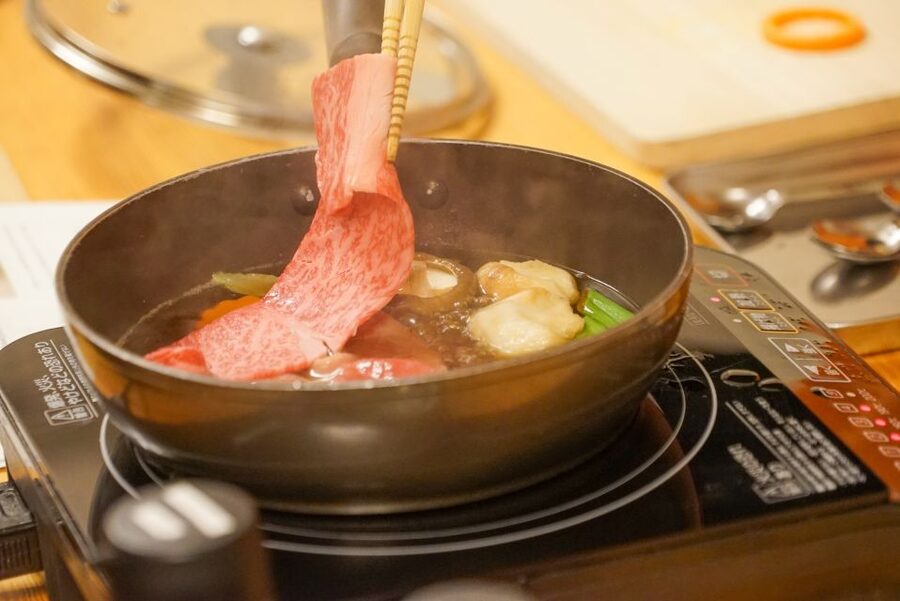
Wagyu is the headline here, and it’s not treated like a museum piece. You’ll cook with it as part of a Japanese hotpot style dish, then sit down and eat the results as a full meal.
What makes this class feel like value is the way the Wagyu experience is tied to technique. Instead of just eating a premium product, you learn how to handle the flavors and timing around it—how the dish comes together, how the other ingredients support the beef, and why it tastes the way it does.
In past classes like this, I’ve found the biggest difference between a home-cook meal and a restaurant one is often the sauce logic: how dashi, soy elements, sweetness, and seasoning build the base. Here, you’re guided through those foundations as you go, so the Wagyu doesn’t feel like the only reason the meal works.
The payoff is obvious at the table. People describe the Wagyu as tender and juicy, and in a restaurant it’s easy to assume you’re paying for the meat alone. This experience helps you understand what else is going on: the broader Japanese flavor structure that makes the beef feel even more luxurious.
Dashi and Miso: The Taste Foundation You’ll Want to Use at Home
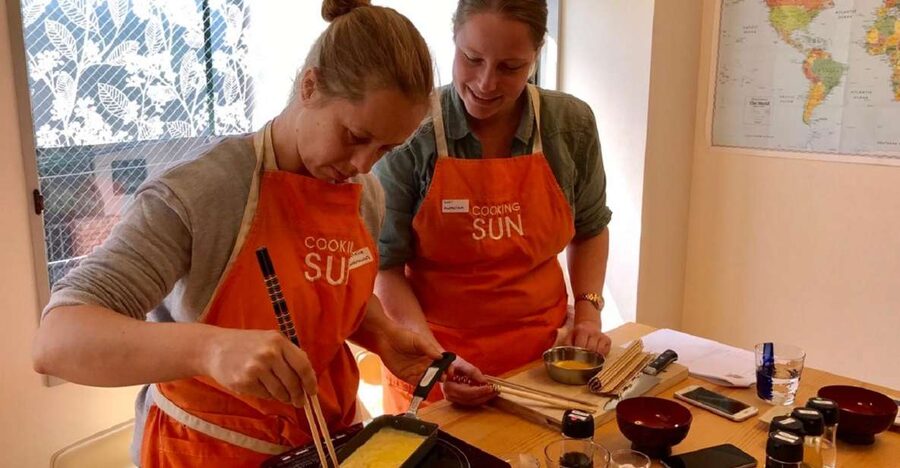
If you want one takeaway that pays off long after Tokyo, it’s how dashi fits into Japanese cooking. This class includes making dashi from scratch for a soup course, then using it to build into miso soup.
That matters because dashi isn’t just a random stock. It’s one of the tools Japanese cooks use to create depth without heavy sauce or complicated steps. Once you understand how the base is made and when it gets added, you’ll start recognizing the flavor pattern in other dishes you try during your trip.
You’ll also see how the soup course changes the mood of the meal. After hands-on cooking, something warm and lightly seasoned cuts through the richness. It keeps the meal balanced and makes the later courses feel more satisfying—not heavy.
One practical benefit: you’re not just handed a finished bowl. You work the process in the kitchen with guidance, so you learn where beginners usually go wrong, like making dashi too aggressively or misunderstanding how miso should be handled in the final stage.
Course by Course Cooking: Cutting, Mixing, Stuffing, and Hotplate Timing
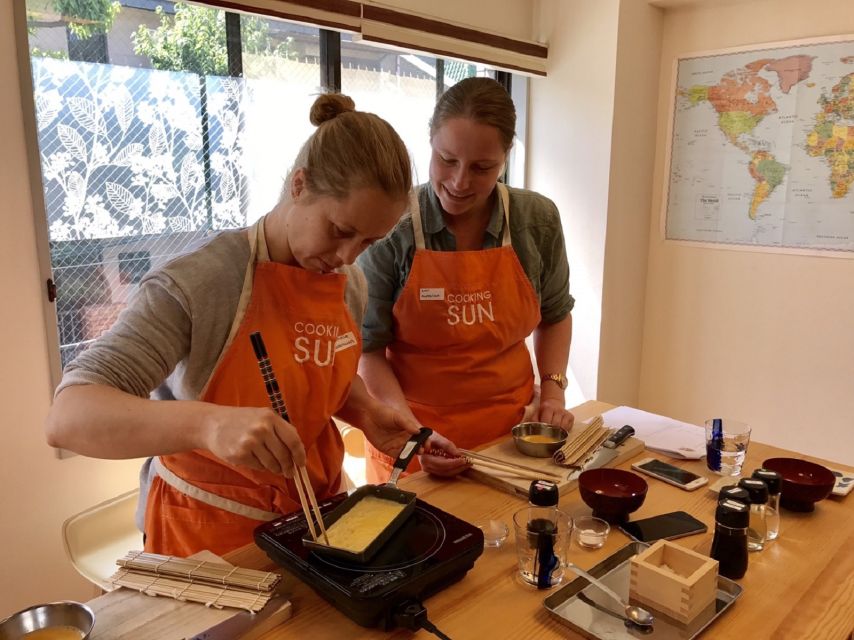
This class is designed so you do real work across multiple dishes. One theme shows up again and again in accounts of the experience: instruction is step-by-step, and the teaching style keeps pace with what you’re doing in your pan or bowl.
Here are examples of the dishes you’ll help make during the session, based on the class menu and past course lists:
- Accordion-style cucumber cuts for a simple salad: the cut shape isn’t just for looks. It helps the cucumber pick up dressing evenly.
- Sesame potato salad: you learn how Japanese-style mayo and sesame flavor can feel both creamy and lighter than expected.
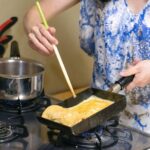
- Egg omelette (rolled): rolling isn’t hard once you’re guided through the method. The skill is useful beyond this class.
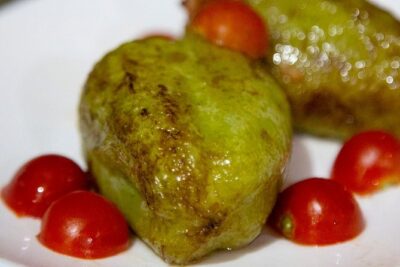
- Tofu stuffed with a savory mix using ingredients like ground chicken, ginger, and edamame: you get practice combining flavors, then cooking until the tofu is tender and the filling is right.
- Wagyu hotpot as the main meat course: you cook it as part of the meal rhythm, not as a side event.
- Dorayaki-style dessert (Japanese pancakes): flour-based sweet comfort, finished in a way you can repeat later.
The “hands-on but not stressful” balance is a major reason people rate this class so highly. The pace is manageable, but you still feel like you made something with your own hands.
Also, the kitchen setup helps. Accounts mention good-quality tools and a spotless, bright working space with knives and pans that make the cooking feel easier. That’s not a luxury detail. When your tools work, your food has a better chance too.
The Cultural Bits You Actually Remember
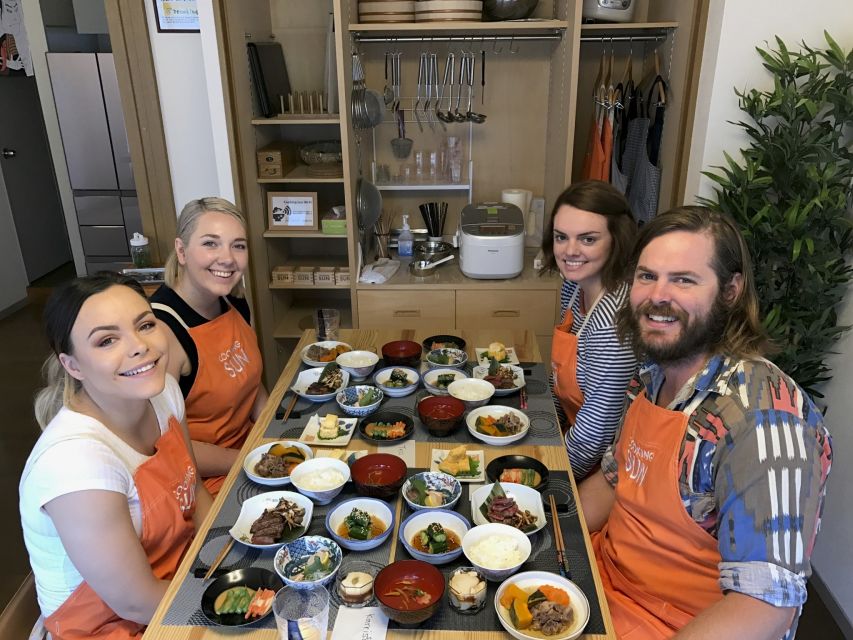
Japanese food can feel intimidating from the outside because it’s so technique-driven. The good news is you’re not studying facts for a quiz. You’re getting the why behind what you’re doing while you’re cooking.
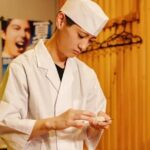
You’ll hear stories about key ingredients and why they show up together—how the flavor base is built, and how ingredients are used in everyday cooking. In past sessions, instructors like Yuki and Yuko (along with Kaori, Bifuka, and Aya referenced by participants) are specifically praised for clear teaching and little history-style explanations that connect the dish to real life.
The practical part is this: you learn what to watch while cooking. Not just what to do, but what sign tells you things are on track—texture cues, timing cues, and seasoning logic.
If you’re the type who wants your vacation to include more than checklists, this is a strong fit. The meal tastes great, but the real win is walking away with a mental map of Japanese flavors.


Location Logistics: Finding the Studio Without Losing Half a Day
This part matters because the class starts in a residential area where it won’t feel like a typical tourist attraction.
Here’s what you need to keep in mind:
- Search Cooking Sun Tokyo on Google Maps (Shinanomachi 18-39, Shinjuku-ku, Tokyo).
- The studio is on the 2nd floor of a beige residential building.
- At the entrance there are two doors. Use the right-side door for the studio.
- To call, press 314 on the intercom.
Even if you’re good at navigation, you might spend extra minutes locating the right entry. Plan buffer time so you’re not rushing. And if you’re arriving by privately arranged vehicle, the instructions are clear: don’t stop or wait in front of the building or neighborhood. Use nearby coin-operated parking if the driver needs to wait.
There’s no hotel pickup, so this is one class where your arrival planning directly affects your mood.
What’s Included, What’s Not, and Why $67 Makes Sense
The price is $67 per person for about 3 hours. You’re not just paying for a meal. You’re paying for ingredients, utensils, and a structured teaching session that turns into a full-course lunch you eat at the end.
Included items:
- Recipes
- All ingredients and utensils
- Towel and apron rental
- Welcome tea
Not included:
- Hotel pickup and transportation
So how does that price hold up? It comes down to what you receive: premium Wagyu included in a multi-dish meal plus instruction plus take-home recipes. If you’ve ever paid Wagyu restaurant prices in Tokyo, you’ll understand why this feels like value when you compare what you typically get at a restaurant—usually just one hot dish and no instruction.
Also, the small group size improves the quality of your learning, which you can’t replicate as easily if you book something larger or more staged. You’re doing, tasting, and adjusting. That’s the expensive part of cooking education.
If you’re on a budget, this is still one of the better “hands-on food” options in Tokyo because you leave with skills, not just souvenirs.
Who This Class Suits Best
This is a strong choice if:
- You want everyday Japanese cooking skills, not only sushi-focused learning
- You’re a beginner who still wants real technique and a clear path
- You like the comfort of cooking with others in a calm, friendly environment
- You want a class that works for both couples and solo travelers (people have specifically mentioned it as a good fit for solo travel)
If you’re someone who hates any hands-on cooking and only wants to watch, this may not satisfy you. The point here is participation. You’ll be chopping, mixing, rolling, and cooking.
It also helps to think of this as a “foundations” experience. One of the best uses for this class is early in your trip, so you can recognize Japanese ingredients and dishes while you’re eating out afterward.
Should You Book It?
Book this if you want Tokyo flavor with actual technique. You’ll get Wagyu cooked as part of a full Japanese menu, plus lessons on core building blocks like dashi and miso. The session length hits the sweet spot—enough time to learn multiple dishes, short enough that you won’t burn your whole day.
Skip it only if your biggest priority is convenience. No hotel pickup, and the studio location is in a residential area. If you don’t plan your arrival, it’s easy to feel rushed.
If you’re even slightly curious about Japanese home-style cooking, this class is one of the few experiences where the outcome is both delicious and useful for the next meal you make.
FAQ
Where is the cooking class located?
The studio is in a residential area in Shinanomachi (Shinjuku-ku). You can use Google Maps to search for Cooking Sun Tokyo (Shinanomachi 18-39, Shinjuku-ku, Tokyo).
How do I enter the building?
The studio is on the 2nd floor of a beige residential building. At the entrance, use the right-side door that leads to the studio.
What should I do if I can’t find the studio?
At the entrance, press 314 on the intercom to call. The instructions also recommend checking Detailed Directions on the website and using Google Maps if you have Wi-Fi.
How long is the class?
The class duration is about 3 hours.
Is the instructor English-speaking?
Yes. The instructor is listed as English.
What is the group size?
It’s a small group limited to 8 participants.
What’s included in the price?
Included are the recipes, all ingredients and utensils, towel and apron rental, and welcome tea.
What is not included?
Hotel pickup and transportation are not included.
Can the class accommodate dietary restrictions?
Yes. The provider says they can substitute ingredients for allergies, gluten-free needs, religious dietary restrictions, vegetarian preferences, and more. Tell them your needs when booking.
Do they offer flexible booking and cancellation?
You can cancel up to 24 hours in advance for a full refund. They also offer reserve now & pay later to keep plans flexible.
The Final Take
I’d treat this class as one of your highest-impact food experiences in Tokyo. You’ll leave with a full meal you made yourself, plus practical recipes and the flavor logic behind what makes Japanese cooking work. If you can handle a short bit of navigation to a residential studio, it’s a very smart use of your time.