REVIEW · ATHENS
Athens Cooking Class and Lunch in our beautiful garden in Greece
Book on Viator →Operated by Mama's Roots · Bookable on Viator
Cook where Athens food stories live. In a 1920s stone house in Kerameikos, you learn Greek cooking from family recipes, then eat a garden lunch built around what is fresh and in season. It is a small, English-taught experience with a relaxed pace and real technique, not just a demo.
I love that this is truly hands-on. You prep and cook with your group, then sit down to eat the results in the courtyard/garden setting. The other big plus: you are learning recipes you can repeat at home, not just tasting your way through Athens.
One thing to consider: the menu can change based on seasonal availability. If you are chasing a specific dish no matter what, be ready for variations by day and ingredient timing.
In This Review
- Key points I’d put at the top of your list
- Kerameikos and the 1920s house: the setting that makes cooking feel easy
- A 3.5-hour flow you can handle: from quick market time to garden lunch
- Meet in Kerameikos
- If it is Tuesday, you get market-first ingredients
- Cook in real stations: prep, cook, and plate together
- Finish with the meal right where you cooked
- The dishes you’ll make: what’s on the menu and why it’s a smart mix
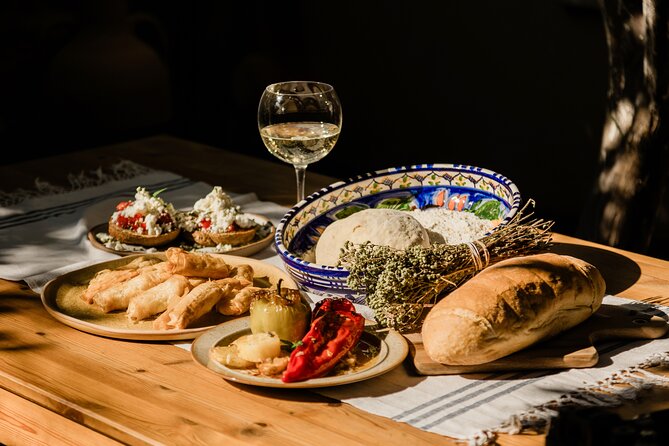
- Yemista: stuffed tomatoes and peppers, cooked the Greek way
- Kagianas (Strapatsada): Greek scrambled eggs with tomatoes and feta
- Spinach mini roll pies: crunchy, herby, and very teachable
- Ntakos (Cretan salad): rusk soaked in olive oil, topped with strong flavors
- Tzatziki: the yogurt-garlic dip that ties the meal together
- Dessert of the day: your sweet finish
- Traditional methods, family stories, and why that matters for cooking at home
- Small group dynamics (up to eight): you’ll feel included
- The practical side: who should book this and what to expect from your body clock
- You’ll want comfortable clothes
- The pace fits beginners and repeat cooks
- You might notice a little wine/rosé
- Price and logistics: is $119.73 a good deal?
- Meeting point and getting there: make Kerameikos your base for a few hours
- Should you book Mama’s Roots? My take
- FAQ
- How many dishes will I cook during the class?
- What types of dishes are on the menu?
- Is this cooking class good for beginners?
- Is it a small group?
- Where does the class meet?
- Is the class taught in English?
- What is the cancellation policy?
- Do you ever visit a farmers market?
Key points I’d put at the top of your list
- Small group (up to eight) means you actually cook, chop, and ask questions
- Kerameikos location puts you in one of Athens’s coolest restaurant-bar neighborhoods
- Tuesday Farmers’ Market stop (about 15 minutes) helps shape what you cook
- Family-recipe approach: dishes made from scratch using traditional methods
- You can expect a multi-course spread, with a dessert included
Kerameikos and the 1920s house: the setting that makes cooking feel easy
This experience starts in the heart of Kerameikos, at Mama’s Roots, Keramikou 82. The area has that Athens energy—bars and restaurants nearby—yet once you step through the place’s gate, it shifts into something quieter and more human-scale.
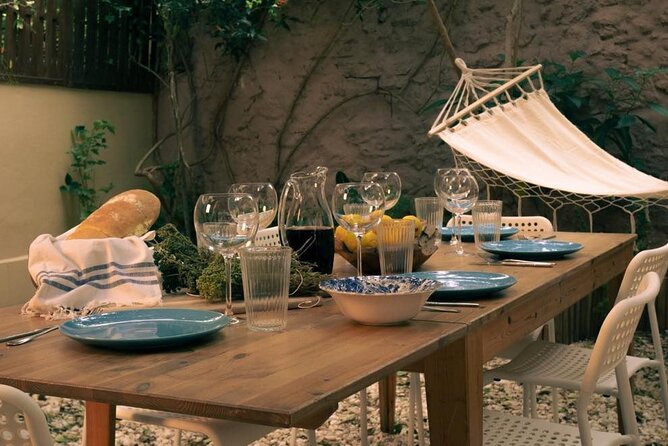
The home base is a stone house from the 1920s, with a kitchen and garden/terrace setup that makes the class feel cozy rather than staged. Several people loved the way there is room for groups to work together, so you do not feel packed in or stuck watching from the side.
And yes, it helps that Kerameikos is also known for its very real local vibe. One detail I like: the neighborhood has been recognized as one of the world’s coolest by Forbes in 2018. That matters because your cooking class is not happening in a random strip-mall corner far from the city. You are in an actual Athens pocket.
You can also read our reviews of more tours and experiences in Athens.

A 3.5-hour flow you can handle: from quick market time to garden lunch
The total duration is about 3 hours 30 minutes, and the pace is built for teamwork. You are not expected to be a chef. The goal is to learn Greek techniques with enough time to participate in each dish.
Here is the rhythm you can expect:
Meet in Kerameikos
You meet at Mama’s Roots at Keramikou 82. The tour is offered in English, and it is set up as a private experience for your group (so you do not blend with strangers from other bookings). That private, capped-at-eight structure makes it easier for the instructor to slow down when someone needs a clarification.
If it is Tuesday, you get market-first ingredients
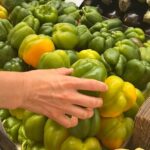
Every Tuesday, the Farmers’ Market takes place right in front of the place. The plan is usually around 15 minutes there to pick up fresh ingredients. Even if you are not a market-person, this helps you understand what Greek cooking is really about: using what is available and at its best.
It also makes the cooking feel grounded. Instead of cooking with random ingredients that could have been delivered days ago, the day’s dishes are tied to what you see and grab nearby.
Cook in real stations: prep, cook, and plate together
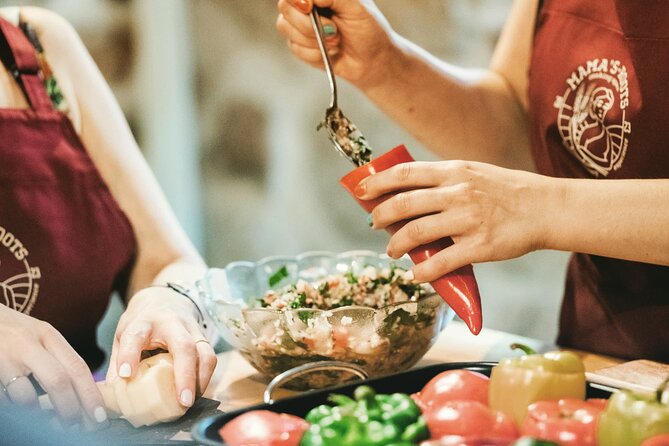
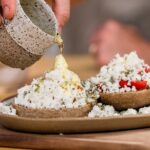
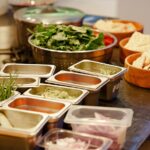
The class is designed around traditional methods and hands-on participation. You will prep components, follow steps for the dishes on the day’s menu, and keep moving from station to station with your group. People specifically highlighted that the chef guides while still letting you do the work—chopping, peeling, slicing, and assembling.
Several hosts were mentioned in different groups, including Kostas (sometimes written as Kostos) and Vasilios, who is also called Bill. The point is consistent: the instructors coach with patience, and they keep the atmosphere friendly rather than formal.
Finish with the meal right where you cooked
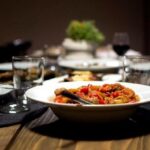
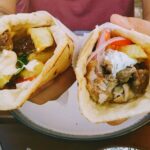
After cooking, you sit down for lunch in the outdoor garden area/terrace. This is not a take-home box situation. The meal is the payoff, and it is part of the learning because you can taste how each dish should come together—fresh, herby, and bright with olive oil.
The dishes you’ll make: what’s on the menu and why it’s a smart mix
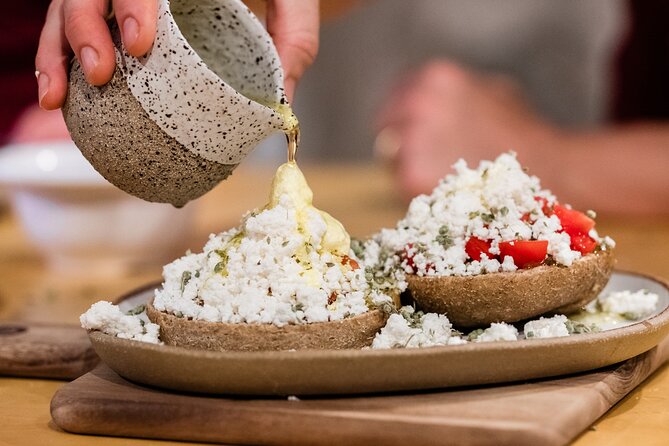
Your menu is built around in-season ingredients and can change. That said, the sample menu gives you a very clear picture of what you’ll learn and eat.
In many cases, the class lands on six courses/dishes. People repeatedly described making around six traditional items and then enjoying them as a proper meal.
Yemista: stuffed tomatoes and peppers, cooked the Greek way
Main dish: Yemista
This is stuffed tomatoes and peppers with rice, herbs, and olive oil. What I like about starting with yemista is that it teaches a core Greek idea: vegetables are not just a side. They are the main event, and they can carry flavor through herbs, oil, and the right stuffing technique.
Kagianas (Strapatsada): Greek scrambled eggs with tomatoes and feta
Starter: Kagianas (Strapatsada)
Greek scrambled eggs with tomatoes, feta, and parsley. This dish is great for beginners because it teaches how Greek flavors build quickly—tomatoes for freshness, feta for saltiness, and parsley for a green finish.
Spinach mini roll pies: crunchy, herby, and very teachable
Starter: Spinach mini roll pies
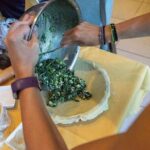
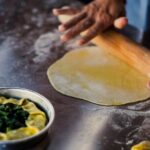
These are mini spinach pies with feta, fresh spinach, leek, and dill wrapped in fyllo dough and baked in the oven. If you have ever been intimidated by making pastry, this format can help you rethink it. You are learning a structured assembly method with a filling you can taste as you go.
Ntakos (Cretan salad): rusk soaked in olive oil, topped with strong flavors
Starter: Ntakos Cretan salad
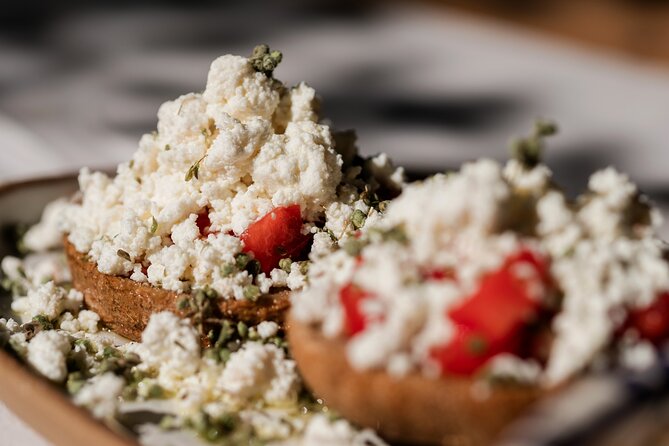
This uses crunchy rusk soaked in extra virgin olive oil, then topped with tomatoes, sour mizithra cheese, capers, and olives. It is a smart learning dish because it shows how Greek salads are often more than lettuce and dressing. It is a texture and flavor lesson: crunchy base, soaked bread, salty-sour cheese, and briny bites from capers/olives.
Tzatziki: the yogurt-garlic dip that ties the meal together
Starter: Tzatziki sauce
Greek yogurt with garlic dip. Tzatziki is the kind of dish you can make at home instantly and adjust to taste. It also teaches seasoning balance—garlic, salt, acidity, and creaminess—so you can use the skill in other meals beyond this class.
Dessert of the day: your sweet finish
Dessert is listed as the dessert of the day. Since the menu shifts by season, the exact sweet may vary, but the consistent idea is a full meal arc rather than stopping at savory.
Traditional methods, family stories, and why that matters for cooking at home
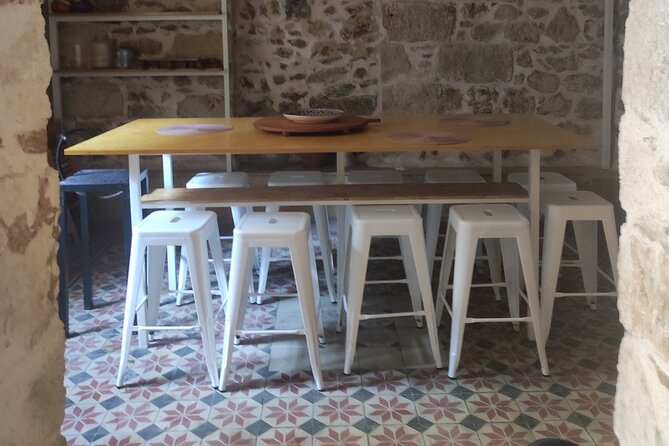
The class is framed as Greek cooking through recipes handed down through a Greek family, with cherished stories mixed into the process. That sounds sentimental, but it actually matters for learning.
When an instructor explains what a dish is supposed to taste like and why certain ingredients go together, you start cooking with a goal. You stop relying on exact measurements for everything and instead learn what cues to look for: tomato sweetness, the saltiness level with feta/mizithra, how herby flavors should smell in the kitchen, and what texture you want for pies or stuffed vegetables.
People also loved the way hosts talked about influences and differences between regions. One group mentioned the chef explaining cultures that shaped the food and how regions in Greece differ. That context turns the class into more than recipe copying. It becomes a way to understand Greek cuisine in your own kitchen.
Small group dynamics (up to eight): you’ll feel included
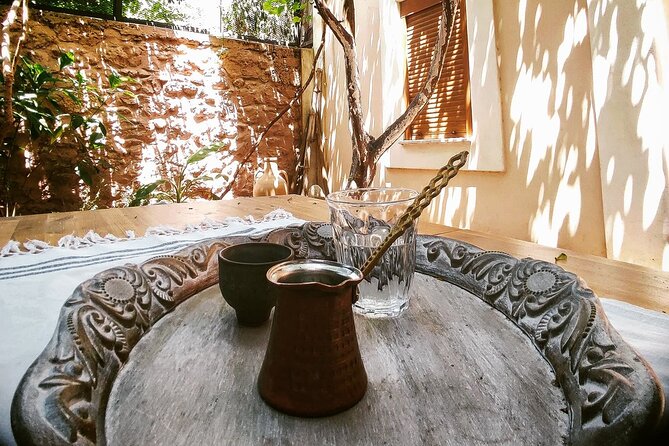
This is capped at eight people, and it is private for your group. That structure makes a big difference in a cooking class.
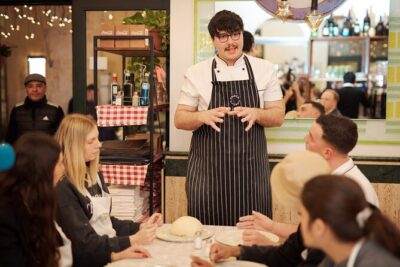
With a larger crowd, the class can become a performance. With eight, you can rotate tasks, keep your hands busy, and get direct coaching when something needs fixing. Multiple people said everyone participated and that the class felt like a family kitchen moment—laughing, chatting, and learning together.
It also helps that the instructors are hands-on while still letting you do the prep work. People repeatedly noted that the chef let them chop, peel, and slice, rather than doing everything themselves.
If you are traveling with family, this is also a friendly group size. One review mentioned college-aged kids enjoying it, and another mentioned that it worked for all skill levels. So if you have one person who wants to cook and another who just wants to enjoy the process, this class can handle that mix.
The practical side: who should book this and what to expect from your body clock
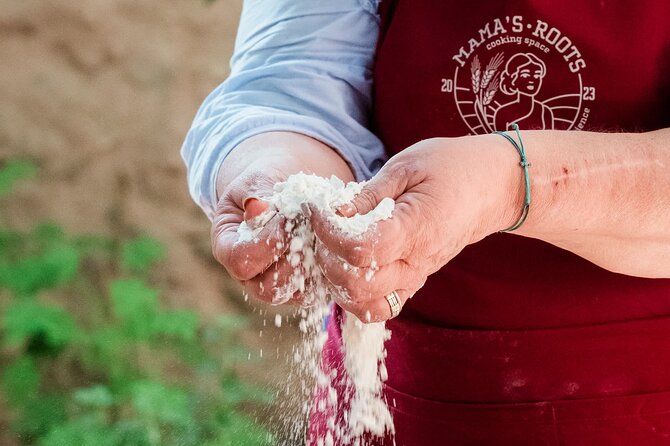
This is a cooking-and-lunch experience, so you should plan to be hungry. A few people specifically warned not to eat before class. Since the class includes multiple courses and dessert, you will likely want to arrive ready to taste and keep working.
You’ll want comfortable clothes
You will be standing and chopping and moving between kitchen stations. Wear comfortable shoes you can stand in for a few hours. If you have long hair, bring a tie.
The pace fits beginners and repeat cooks
The class is designed for both new cooks and experienced ones. The instructions aim for just enough technical detail so you do not feel lost, while still learning useful technique.
You might notice a little wine/rosé
One review mentioned a dry rosé. That doesn’t mean every day is the same, but it suggests the vibe can include a relaxed drink pairing. If you prefer no alcohol, it is smart to let the host know when you arrive.
Price and logistics: is $119.73 a good deal?
The price is $119.73 per person, and the experience runs about 3 hours 30 minutes in English. That number looks straightforward, but the real question is what you get for it.
You are not just paying for ingredients. You’re paying for:
- a small-group, hands-on cooking environment capped at eight
- instruction through multiple traditional dishes (often around six courses)
- a garden/terrace meal you eat together at the end
- a structured way to learn recipes you can actually repeat at home
For Athens, that can be a strong value when you compare it to paying for a full multi-course dinner plus cooking lessons separately. Also, because the market ingredient picking can happen on Tuesdays and the menu uses in-season produce, you’re getting a more local, season-linked experience than a fixed, one-size menu.
If you are planning to spend time in historic sites and then also want one memorable “do it yourself” activity, this tends to hit the sweet spot. It is one afternoon where the outcome is both learning and eating.
Meeting point and getting there: make Kerameikos your base for a few hours
The meeting point is Mama’s Roots, Keramikou 82, Athina 104 35, Greece. The location is near public transportation, and you end back at the same meeting point.
So from a logistics standpoint, it is low-stress. You can slot it into a day without complex transfers. Also, since it is private for your group, you do not need to coordinate your schedule around other strangers.
Should you book Mama’s Roots? My take
I’d book this if you want an Athens experience that is both practical and genuinely fun. It is one of those activities where you end the day with skills, not just photos. The small group size, the hands-on prep, and the fact that you eat what you cook in the garden are the big reasons this works.
I would think twice if you need a strict, unchanging menu. Because the dishes depend on what is in season, you might not get every exact item you had in mind. The good news is the sample menu points to classic Greek comfort food across vegetables, eggs, dips, and baked pies.
Bottom line: if you like food, want to cook Greek dishes from scratch, and enjoy a cozy garden setting in Kerameikos, this is an easy yes.
FAQ
How many dishes will I cook during the class?
The experience includes multiple courses, and in many cases groups cook and eat about six dishes.
What types of dishes are on the menu?
The menu focuses on in-season Greek cooking. A sample menu includes Yemista, Kagianas (Strapatsada), spinach mini roll pies, Ntakos Cretan salad, tzatziki, and dessert of the day.
Is this cooking class good for beginners?
Yes. The experience is described as welcoming whether you are a seasoned chef or new to the kitchen, and people noted it works well even for beginners.
Is it a small group?
Yes. The class is capped at eight people and is private for your group only.
Where does the class meet?
It meets at Mama’s Roots, Keramikou 82, Athina 104 35, Greece, and ends back at the meeting point.
Is the class taught in English?
Yes. The experience is offered in English.
What is the cancellation policy?
You can cancel for a full refund up to 24 hours before the experience’s start time. If you cancel less than 24 hours before the start time, the amount paid is not refunded.
Do you ever visit a farmers market?
On Tuesdays, the Farmers’ Market is in front of the place, and the group usually spends about 15 minutes picking up fresh ingredients.