REVIEW · ATHENS
Traditional Greek cooking class and lunch or dinner with an Acropolis view
Book on Viator →Operated by CookinAthens · Bookable on Viator
Phyllo from scratch, then you eat it. This Athens cooking class is built around a hands-on Greek dinner you help cook from start to finish, and you get the recipes by email so the food can follow you home. The one thing to consider is that the Acropolis view depends on where you’re positioned in the space, so it’s not always a guaranteed view from every cooking spot.
What makes this feel different from a typical demo is the home-style approach. You’ll cook a full menu (usually six dishes plus a sauce/dip), learn key techniques with everyone involved, and then sit down with your group to talk, laugh, and eat what you made with Greek wine and spirits. It’s also tailored for dietary needs if you flag them when you book.
You’re looking at about 3 hours total, in English, for a small group (up to 16). It’s a great half-day plan when you want something real and practical, not just a quick tasting. If you’re traveling in peak summer, expect it to get hot in Athens kitchens even with A/C running.
In This Review
- Key highlights to know before you go
- A six-dish Greek dinner you can actually cook in 3 hours
- What you’ll cook: tzatziki, pie, salad, dolmades, and a main
- Starters: tzatziki plus a Greek cheese or spinach pie
- Another starter: dolmadakia or stuffed peppers
- Greek salad: tomatoes, cucumbers, peppers, and olives
- The main course: moussaka, pastitsio, gemista, or Greek meatballs/soup options
- Dessert: baklava rolls, Greek yogurt mousse, or loukoumades in winter
- Phyllo from scratch: the technique that makes this class worth it
- The meal part: wine, spirits, and eating what you made
- Meeting point and timing: arrive ready to start
- Price and value: what $114.93 buys you in Athens
- Who should book this Greek cooking class (and who might pass)
- A quick note on instructors and class style
- Should you book CookinAthens? My take
- FAQ
- How many dishes will I cook?
- What’s included with the class?
- Is the menu the same all year?
- Can you accommodate dietary needs?
- How long is the experience?
- Does this class run in English?
- What’s the group size?
- Where do I meet, and does it end there too?
- Is there a minimum age?
- Do I get recipes to take home?
Key highlights to know before you go

- Six-dish Greek menu plus a sauce/dip, with dinner at the end
- Phyllo from scratch and other key techniques everyone practices
- Greek wine and traditional spirits included (2 glasses per person)
- Recipes sent by email so you can cook the whole menu later
- Small group setup (max 16) that keeps you involved
A six-dish Greek dinner you can actually cook in 3 hours
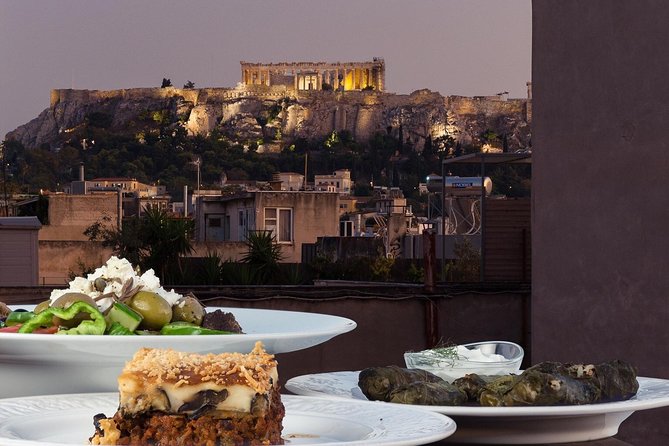
This isn’t the kind of class where you watch while someone else does the work. The format is built so you’re active throughout: you cut, mix, roll, assemble, and cook. The end goal is simple and satisfying: a full traditional Greek meal made by your table.
Because the class is timed tightly (about 3 hours), it rewards people who enjoy doing things with their hands. You’ll be moving from appetizer prep into dough work, then on to salad and mains, and finally dessert. That structure also makes it easier to follow, even if you’ve never cooked Greek food before.
The group size matters here. With a maximum of 16 people, you’re not lost in a crowd. The instruction stays focused, and you can usually get your question answered without feeling rushed. Most people come hungry, and they leave fed.
You can also read our reviews of more tours and experiences in Athens.


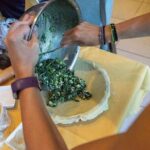
What you’ll cook: tzatziki, pie, salad, dolmades, and a main
The menu rotates by season, but the overall arc stays the same: you’ll cook two starters, then a salad, a main course, and dessert. You’ll also make a key component everyone learns, like dough from scratch.
Here’s what you should expect to see on the menu, based on the typical lineup:
Starters: tzatziki plus a Greek cheese or spinach pie
A lot of the class flavor starts with tzatziki: Greek yogurt, garlic, dill, and cucumber. It’s the kind of dish you can actually replicate at home, because it’s about balance and fresh ingredients, not mystery steps.
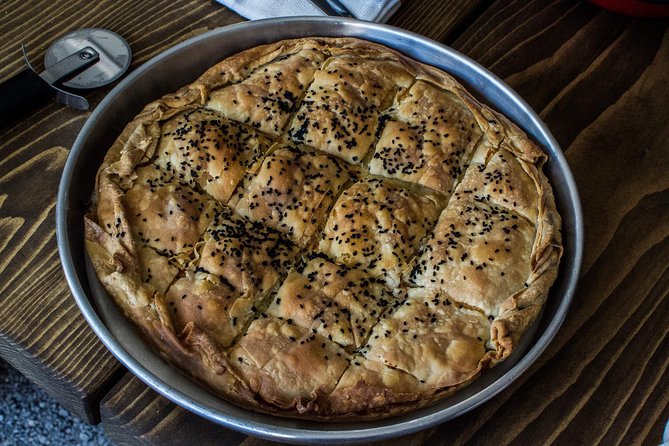
Then you’ll move into pie territory. You might make a cheesepie or spinachpie using phyllo made from scratch. The cheeses mentioned include kaseri and manouri, with spinach, leeks, herbs, and seasoning depending on the version. Even if you don’t remember every ingredient later, you’ll leave with the method for phyllo and filling.
Another starter: dolmadakia or stuffed peppers
Depending on the day, you’ll likely do either:
- Dolmadakia: grape leaves stuffed with rice and herbs
- Stuffed peppers: peppers filled with cheese and thyme
These dishes are all about small details. Grape leaves need careful rolling, and stuffed peppers need the right filling distribution. This is where the class feels most like learning a family recipe rather than following a script.
Greek salad: tomatoes, cucumbers, peppers, and olives
You’ll also make a classic Greek salad. Expect tomatoes, cucumbers, peppers, Kalamata olives, capers, and xinomizithra mentioned as part of the mix. This part is straightforward, but it matters because it anchors the meal with freshness after dough and stuffing work.
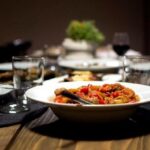
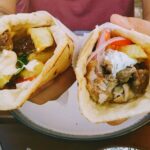
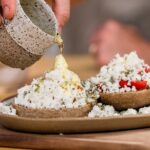
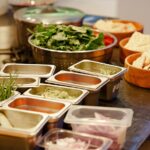
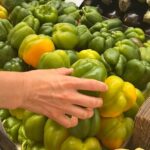
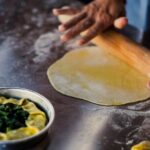
The main course: moussaka, pastitsio, gemista, or Greek meatballs/soup options
Your main depends on what’s available and the season. In the standard menu you may choose from:
- Moussaka
- Pastitsio
- Soutzoukaki (Greek meatballs)
- Gemista (stuffed vegetables)
- Chicken options like lemonato or youvetsi
Winter menus can shift toward heavier comfort foods, including pork with leeks and celery in an egg-lemon style sauce. Other winter options include youvarlakia (meatball soup with rice and herbs in egg-lemon sauce) or egglemon chicken soup.
The practical point for you: this class covers the range of what Greeks cook at home, from baked layered mains (moussaka/pastitsio) to lighter stuffed vegetables or soup-based comfort.
Dessert: baklava rolls, Greek yogurt mousse, or loukoumades in winter
Dessert follows the season too. You could make baklava rolls, Greek yogurt mousse, or loukoumades in winter. It’s a satisfying finish, and it helps that dessert is still within the time window after all the savory work.
Phyllo from scratch: the technique that makes this class worth it
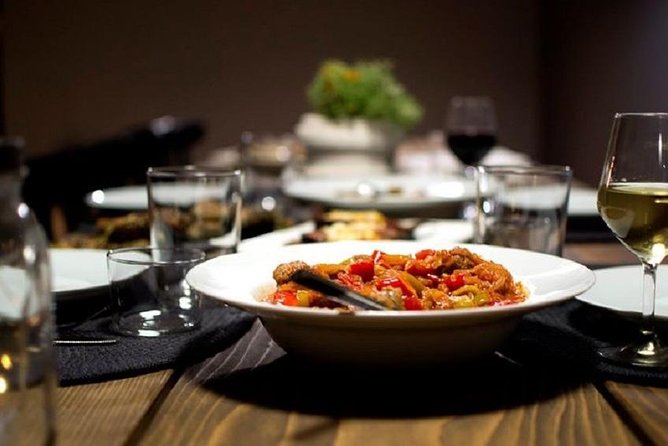
If you want one reason to choose this experience over a quick tasting class, it’s the technique focus. You won’t just learn recipes in theory. You’ll learn the mechanics.
Phyllo is the headline. The course includes making phyllo from scratch as a key technique that participants all practice. One of the most common takeaways in feedback is that phyllo sounded scary before class, but feels manageable once you break it into steps.
Here’s why that matters for you: if you only get a list of recipes, you might struggle when you try again at home. Technique is what makes homemade food work. This class pushes you through the parts that tend to go wrong, like dough handling, stretching, and layering.
You also get a sense of pacing. Ingredients are often set up so you can focus on doing the right action at the right moment. That makes the class feel less like chaos and more like a well-run cooking session.
The meal part: wine, spirits, and eating what you made
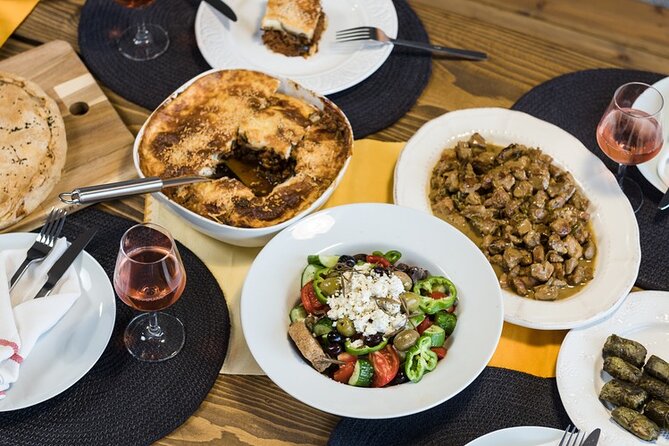
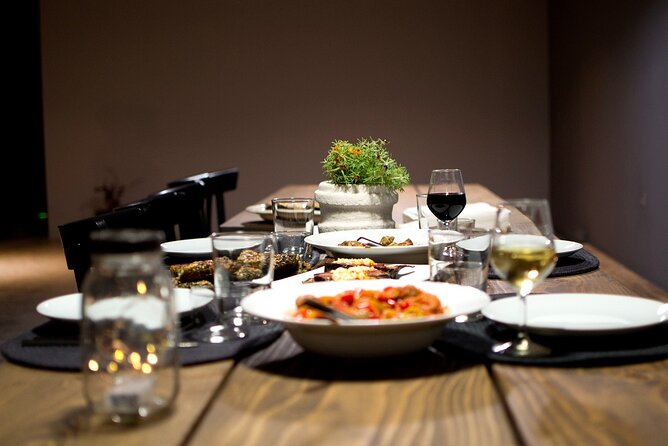
The class ends with you sitting down to eat what you cooked. That’s not an afterthought. In Greek cooking, the table is part of the recipe.
You’ll get Greek wine and beverages, plus traditional spirits included at two glasses per person. If you’re someone who likes food with a story, this format helps. You’re cooking, then you’re tasting, then you can talk about texture and seasoning while it’s still warm.
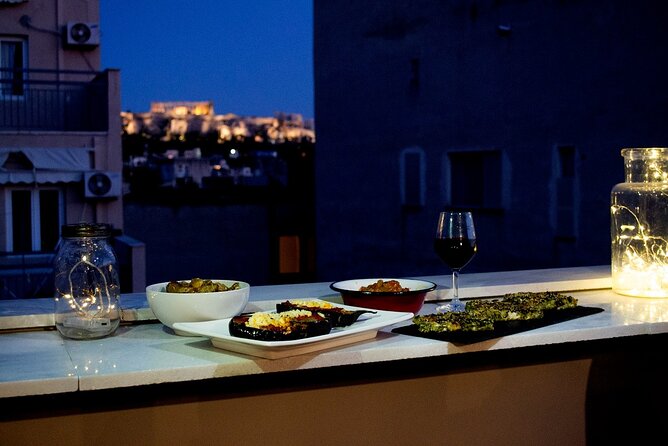
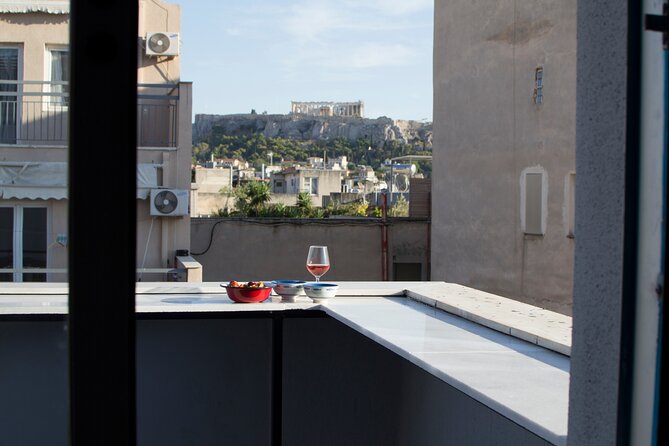
About the Acropolis view: the experience is described as having an Acropolis view, and some people do mention seeing it during the meal. Still, one caution from feedback is that the view may not be visible from every part of the space. If the view is your top priority, keep your expectations flexible and think of it as a bonus rather than the main course.
Meeting point and timing: arrive ready to start
The meeting point is CookinAthens, Evripidou 90, Athens 105 53, Greece. The activity returns to that same point.
The class starts on time, so the advice is simple: arrive about 10 minutes early. This isn’t a big tour with a long buffer. You want time to get situated, wash up, and be ready when instructions begin.
One more practical tip: the location can be a bit tricky to find, so look for the CookinAthens sign on the building. If you’re using maps, still plan to cross-check with what’s visible outside.
Price and value: what $114.93 buys you in Athens
At about $114.93 per person, the value here isn’t only in the ingredients. It’s in what you get to practice and keep.
You’re paying for:
- A full six-dish menu experience (with a sauce/dip included)
- Hands-on instruction with key techniques like phyllo from scratch
- A full meal you cooked yourself
- Wine and spirits included (two glasses per person)
- Recipes sent by email afterward
When you break it down, this is closer to a cooking workshop plus dinner than a light activity. If you’d normally spend on a dinner out, you’re also getting the skills to recreate dishes. That’s the difference between eating Greek food and learning it.
The other value is social. In a small group, you tend to make conversation while you cook and while you eat. Even if you come solo, the format naturally creates table talk.
Who should book this Greek cooking class (and who might pass)
This works best if you:
- Love cooking or want a meaningful food experience beyond eating
- Want recipes you can use at home, not just a memory
- Enjoy learning technique, especially around dough and phyllo
- Want a small-group class (max 16) in English
You might choose a different option if:
- You care only about sightseeing views and want a guaranteed panoramic look at the Acropolis
- You’re sensitive to hot indoor conditions during peak summer (the studio has A/C, but Athens heat can still feel intense)
If you have dietary needs, this experience is designed to be flexible. You’re asked to share requirements when you book, and the class is tailored to those needs.
A quick note on instructors and class style
The tone you’re likely to feel is friendly, organized, and interactive. Names that come up include Marilena as a chef/instructor in multiple accounts, described as kind, informative, and with a sense of humor. Assistants also help run things smoothly, and the space is described as clean and set up for a good cooking flow.
In practice, this matters because a class like this depends on timing. If the instruction is clear and the kitchen setup is tidy, you spend your attention on cooking instead of figuring out what’s next.
Should you book CookinAthens? My take
Book it if you want a hands-on Greek food experience that ends with a real meal and a set of recipes you can use later. The standout value is the technique work—especially phyllo from scratch—paired with a full menu and included wine.
Go into it with two realistic expectations: it’s about cooking first (not a guaranteed view from every seat), and it can feel warm if Athens weather is doing Athens weather things. If those fit your style, this is one of the most satisfying half-day activities you can do in Athens.
FAQ
How many dishes will I cook?
You’ll learn a six-dish menu plus a sauce/dip. The class typically includes two appetizers, Greek salad, a main course, and dessert.
What’s included with the class?
Dinner made from your menu, including Greek wine and beverages. Greek spirits are also included, with two glasses per person.
Is the menu the same all year?
No. The menu changes based on seasonality. If there’s something specific you want to cook, you can request it after booking by email.
Can you accommodate dietary needs?
Yes. The class is tailor made to your preferences. Share special dietary needs when you book.
How long is the experience?
The class and lunch or dinner last about 3 hours.
Does this class run in English?
Yes, it’s offered in English.
What’s the group size?
The maximum group size is 16 travelers.
Where do I meet, and does it end there too?
You start at CookinAthens, Evripidou 90, Athens 105 53, Greece, and it ends back at the same meeting point.
Is there a minimum age?
Yes. Ages 12+ are welcome.
Do I get recipes to take home?
Yes. After the class, you receive an email with recipes for what you cooked so you can recreate the full menu at home.