REVIEW · ATHENS
Athens: Traditional Vegan Cooking Class incl. Drinks
Book on Viator →Operated by SOYBIRD -Vegan Cooking Experience · Bookable on Viator
Greek vegan cooking feels comfortingly real. In Koukaki, near the Acropolis, you cook familiar favorites like tzatziki and vegan moussaka step by step, then eat them together at the end. The small group setup keeps you involved, not stuck watching, and you’ll leave with a digital recipe book to make these dishes again.
One thing to plan for: the class can feel busy and a bit hectic because it is hands-on, with everyone moving through multiple recipes during the 3 hours 30 minutes.
In This Review
- Key things to know before you cook vegan Greek food in Athens
- Why Koukaki is a great place for a vegan cooking class
- Walking into SOYBIRD: the small-group setup and kitchen rhythm
- How the class actually runs: from tzatziki basics to almond-feta dakos
- The mains you’ll learn: vegan moussaka, fava, spanakopita, and koulouri
- Moussaka with cashew bechamel
- Fava with caramelized onions
- Spanakopita (spinach cake)
- Koulouri sesame rings
- Eating what you made: the sit-down meal with wine and beer
- Recipes you’ll actually use: the digital recipe book
- Price and value for a 3.5-hour Athens evening
- Who this class suits best (and who might want a different vibe)
- Should you book this vegan Greek cooking class in Athens?
- FAQ
- How long is the Athens traditional vegan cooking class?
- How much does it cost?
- Where does the class meet?
- What dishes are included in the sample menu?
- Are drinks included?
- What group size should I expect?
- Is the class offered in English?
- Can I cancel for a refund?
- Is it suitable for people with pacemakers?
Key things to know before you cook vegan Greek food in Athens
- Koukaki location near the Acropolis means an easy pairing with your sightseeing day
- Hands-on, small-group teamwork (up to 10 people, max 14 total) keeps the focus on learning
- Greek classics, fully veganized like spanakopita and fava, not just “inspired by”
- The meal includes drinks: water plus white wine and beer
- You get a digital recipe book so your effort doesn’t end when you walk out
Why Koukaki is a great place for a vegan cooking class
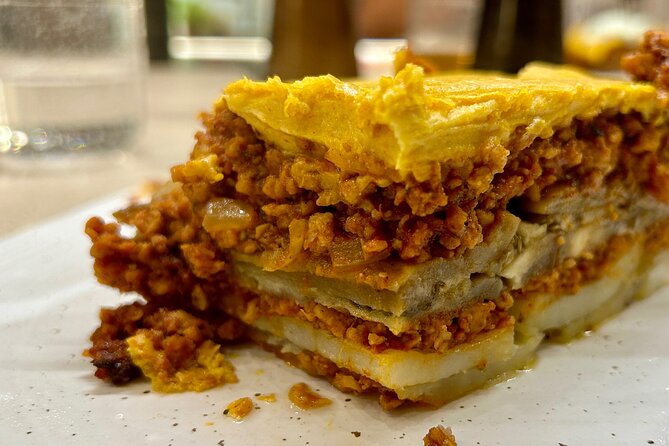
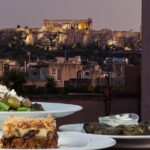
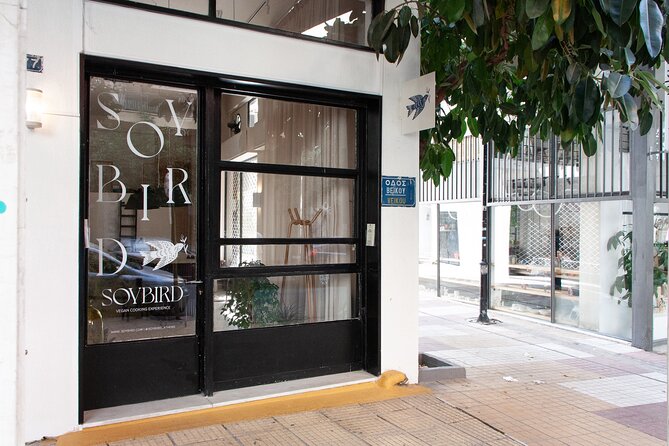
The meeting spot is SOYBIRD – Cooking Classes Athens at Veikou 75-77 in Koukaki (Athina 117 41). That matters because Koukaki is one of the most convenient areas for combining an evening class with an Acropolis day. You can come in from the city already feeling “Athens-y,” then focus on one very specific goal: learning how Greek comfort food tastes when it is 100% plant-based.
Also, since the class ends back at the meeting point, you’re not dealing with a transport headache afterward. Plan dinner near your next plan or just wander the neighborhood while the food is still settling in your stomach.
You can also read our reviews of more tours and experiences in Athens.

Walking into SOYBIRD: the small-group setup and kitchen rhythm
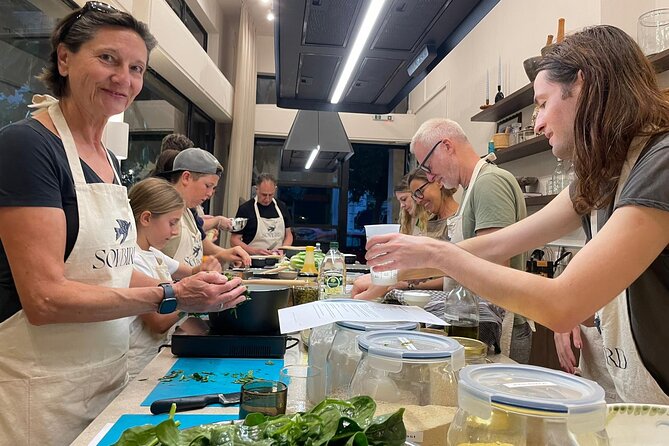
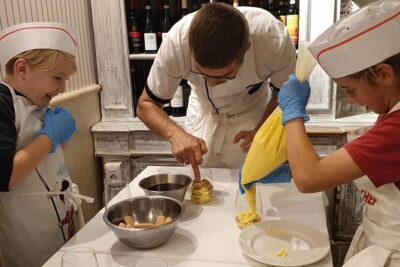
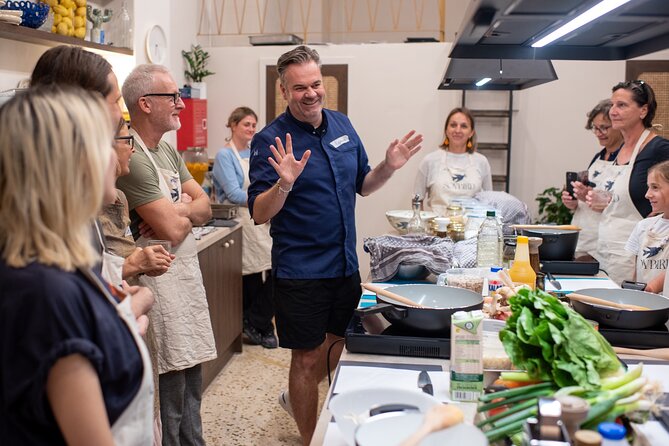
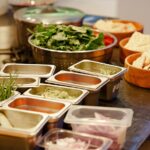
This is a real cooking school setup, but the tone is social. Classes run in small groups with a maximum of 10 active participants, and the overall activity has a maximum of 14 travelers, which helps explain why people say it feels fun but also fast-paced.
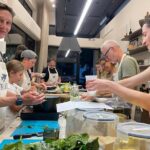
You start with a brief introduction, then the group splits into teams. From there, the structure is step-by-step cooking, with everyone expected to do actual work: mixing, assembling, and cooking along with the rest of your team. That is why the small group size matters. It’s not “everyone watch the chef once.” It is closer to “everyone cooks, then you all eat what you made.”
One more practical note: the stove uses induction cookers, and the activity is not suitable for people with pacemakers. If you fall into that category, don’t plan on this one.
How the class actually runs: from tzatziki basics to almond-feta dakos
You’ll likely notice the class has a hands-on energy right away. There is no long, slow demo where you memorize every move. Instead, you get instructions, then you move. That works well if you learn by doing. It can feel a bit chaotic if you prefer very clear, quiet guidance, but the upside is you’ll make a lot of food in a short time.
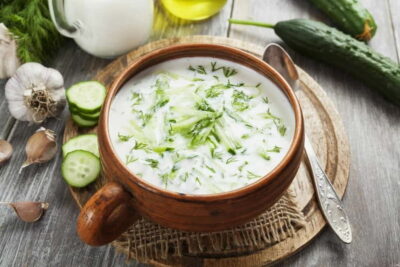
The menu begins with a starter such as tzatziki made vegan. Expect the familiar flavor profile—cool, garlicky, cucumber-forward—but without dairy. This is a good place to pay attention, because it is one of the easiest ways to understand how Greek flavors can shift while staying recognizable.
Another standout starter-style item is dakos with homemade almond-feta. This is not the kind of dish you just “assemble” and call it a day. Almond-feta means you’re learning how to build a tangy, crumbly, cheese-like effect using plant ingredients. It’s also a great lesson in Greek pantry logic: the class keeps you grounded in olive oil, herbs, and grains-bread-salad patterns that you’ll see around Athens.
A couple of small practical tips can make a difference in a busy kitchen:
- Keep an eye out for where your measuring tools are, since the format has lots going on at once.
- If you have long hair, tie it back. Kitchen hygiene is handled well, but you’ll want your own comfort too.
The mains you’ll learn: vegan moussaka, fava, spanakopita, and koulouri
The heart of the class is the Greek comfort food. The sample menu includes multiple mains and a dessert, and the cooking workload is spread across your team.
Moussaka with cashew bechamel
Moussaka is where the class proves the point: you can get that creamy, baked, “this must have dairy” feeling without dairy. The menu uses a cashew bechamel, which means you learn to make a sauce that behaves like bechamel—thick enough to layer and bake—while staying plant-based.
If you’re cooking this at home later, this is the skill you’ll most likely reuse. Cashew bechamel tends to be your gateway sauce for other creamy Greek-style dishes, and you’ll better understand texture and thickness rather than just following a single recipe once.
Fava with caramelized onions
Fava is a classic Greek comfort food made from yellow split peas. In this class it comes with caramelized onions, which adds sweetness and depth. This dish is a strong choice for understanding how flavor builds: slow onion cooking brings that “slow food” taste into something you can still make with plant-based ingredients.
If you have ever had fava and wondered why it tastes so layered, this is where you’ll learn the key mechanism: balance of richness and sweetness.
Spanakopita (spinach cake)
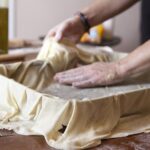
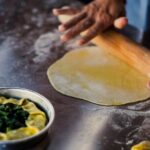
Spanakopita is another big name in Greek food. Here it is made vegan, still delivering the satisfying savory pie vibe. You’re not just stuffing spinach and calling it spinach-and-phyllo. You’re learning how the filling comes together and how to portion it so it bakes into a cohesive slice.
Koulouri sesame rings
Koulouri shows up as well, which is a nice reminder that vegan Greek cooking isn’t stuck on the same two dishes. Koulouri is common street food in Athens, and making it in class helps you connect what you taste during the day to what you might bake or cook later.
Eating what you made: the sit-down meal with wine and beer
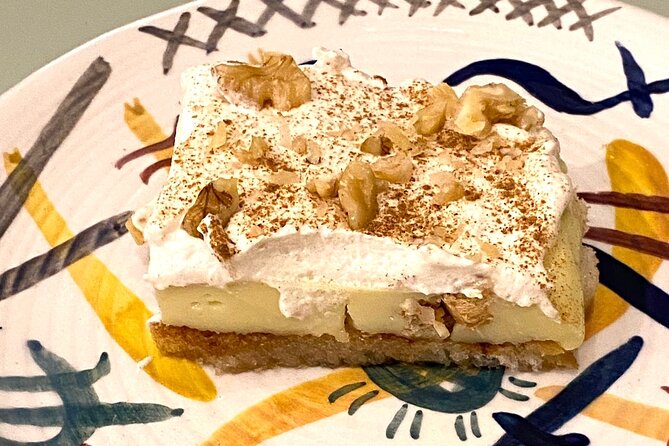
At the end, you all sit down to enjoy the meal you cooked. Included drinks are water, white wine, and beer. This is more than a perk. It changes the mood. You stop focusing on timing and utensils and shift into taste mode—salt balance, texture, and how each dish fits into the same dinner plate.
This part is also one reason people love the experience for social travel. A cooking class naturally mixes people who might not meet otherwise, but the meal turns it from a “task” into an actual shared dinner.
If you’re traveling solo, this is a practical way to meet people without doing a loud bar crawl. If you’re traveling as a couple, it also works as a date idea because you’ll do something together, then share the results.
Recipes you’ll actually use: the digital recipe book
One of the most practical takeaways is that you receive a digital recipe book at the end. That means you can save it on your phone and cook from it at home without hunting for paper.
This matters because Greek vegan cooking is not just about substituting ingredients. You want guidance on steps, timing, and texture. The recipes are designed to let you recreate what you made, not just remember it as an interesting night out.
Tip for using the recipe book later: start by making one component before attempting the full spread. For example, recreate the tzatziki first, or make cashew bechamel on a day when you can take your time. Then build from there.
Price and value for a 3.5-hour Athens evening
At $94.66 per person for about 3 hours 30 minutes, you’re paying for a full evening of instruction plus a full meal and drinks. That is the key value equation here: you’re not just buying recipes. You’re paying for ingredients, cooking space, and the structure that lets a small group create multiple dishes during one sitting.
The other “value” piece is the group size and hands-on approach. With a format that keeps people actively cooking, you get more learning per hour than you would in a more passive class where one person does the work and everyone else watches.
It’s also a strong use of time during a short Athens trip. Instead of “sightseeing only,” you get a skill and a dinner that you made with your hands. Even if you only cook one of the mains again later, the learning usually sticks.
Who this class suits best (and who might want a different vibe)
This class is a good fit if you:
- want Greek food you can eat as vegan without feeling like you’re missing out
- enjoy hands-on cooking and learning by doing
- travel with friends, on your own, or as a couple and want an activity that becomes a shared dinner
- care about flavor and texture, especially creamy sauces and savory pastries like moussaka and spanakopita
It may not be ideal if you strongly prefer slow, quiet instruction with a lot of waiting time. The kitchen style is active and fast, and the small space can create that busy feeling in the moment.
Should you book this vegan Greek cooking class in Athens?
If you want an Athens experience that is not just tasting food but understanding it, I’d book it. The combination of small-group hands-on cooking, a menu of recognizable classics (moussaka, spanakopita, fava, tzatziki), and a sit-down meal with white wine and beer is a solid match for a memorable 3.5-hour evening.
Book it especially if you’re the type who returns home and actually cooks. The digital recipe book plus the amount you make in one session makes this a class you can extend into real life, not just a one-night activity.
FAQ
How long is the Athens traditional vegan cooking class?
It runs for about 3 hours 30 minutes.
How much does it cost?
The price is $94.66 per person.
Where does the class meet?
The start point is SOYBIRD – Cooking Classes Athens, Veikou 75-77, Athina 117 41, Greece.
What dishes are included in the sample menu?
The sample menu includes moussaka with cashew bechamel, fava with caramelized onions, dakos with homemade almond-feta, spanakopita (spinach cake), koulouri (sesame rings), tzatziki, and ekmek (dessert speciality).
Are drinks included?
Yes. The meal includes water, white wine, and beer.
What group size should I expect?
Classes run with a minimum group size of 5. There’s a maximum of 10 people in the class, and the overall activity has a maximum of 14 travelers.
Is the class offered in English?
Yes, it is offered in English.
Can I cancel for a refund?
Yes, free cancellation is available. You can cancel up to 24 hours in advance for a full refund.
Is it suitable for people with pacemakers?
No. The class is not suitable for people with pacemakers because it uses an induction cooker.