REVIEW · CHIANG MAI
Half-Day Cooking Class with Market Tour
Book on GetYourGuide →Operated by Tom Yum Thai Cooking School · Bookable on GetYourGuide
Thai food starts at the market. This half-day Chiang Mai class pairs a hands-on market tour with cooking in a real Thai home, not a showroom kitchen. I love that you see the vegetables, herbs, and seasonings you’ll actually use, and I like that the instruction is built around making food you can repeat later.
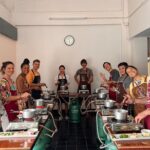
Second, I really like the small-group setup (up to 10 people), with an English-speaking guide and a station-style class where you’re actively cooking. You also get a recipe book, so the day does not end with just full stomach memories.
One thing to plan for: you will eat a lot, so come ready to go hungry. If you eat beforehand, the experience can feel less fun because the class keeps feeding you course after course, including sticky rice with mango.
In This Review
- Key highlights you’ll care about
- Chiang Mai market tour: the fastest way to understand Thai ingredients
- Hotel pickup and the Thai-home cooking school flow
- Picking your dishes: how the menu choice shapes your class
- What you actually do during the cooking lesson
- Flavor lessons you can bring home (not just recipes)
- Dietary needs: tell them what you need early
- Price and value: $36 for a full Thai-meal experience
- Morning vs evening class: which fits your Chiang Mai day
- Who this cooking class suits best
- Should you book Tom Yum Thai Cooking School in Chiang Mai
- FAQ
- What is the duration of the cooking class?
- Where does the class take place?
- How much does the class cost?
- What times are available for the morning and evening classes?
- How many people are in the group?
- What dishes do I cook?
- What’s included in the price?
- Can you accommodate allergies or special requests?
Key highlights you’ll care about
- Market tour that matches the menu, so shopping feels useful, not extra
- Thai-home cooking school, cozy and relaxed with your own cooking station
- Choose your dishes, then cook them in a structured 5-course format
- Spice and flavor lessons you can replicate, from curry paste to sour-salty soup
- Shared dessert for everyone, plus plenty of snacks and seasonal fruit
- All in about 5 hours, with hotel pickup and drop-off within 3 km of the old city
Chiang Mai market tour: the fastest way to understand Thai ingredients
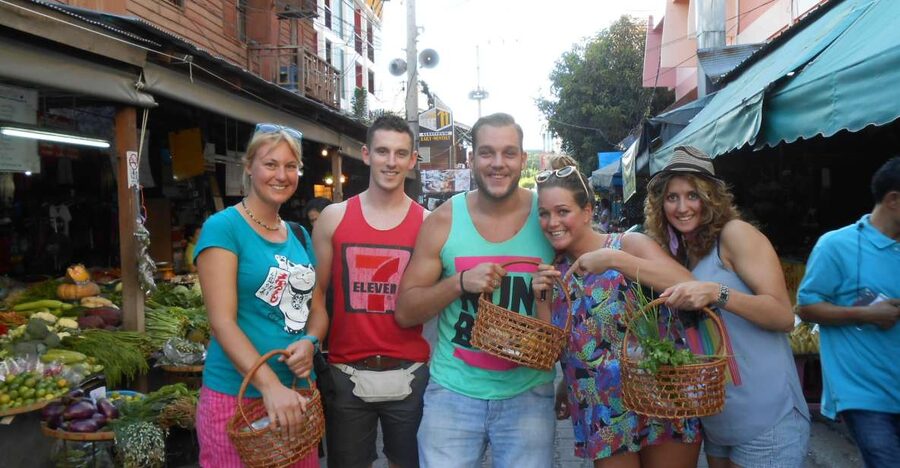
This experience starts the smart way: with ingredients. You get picked up from your hotel if you’re within about 3 km of Chiang Mai old city, then head to a local market to look at what Thai cooks actually buy. It is not just a walk for photos. You’re building a mental map of the flavors you’ll taste later.
You’ll notice Thai markets are ingredient-focused. Vegetables show up alongside herbs, roots, and aromatics, and seasonings don’t feel like an afterthought. That matters because Thai food is not only about heat. It’s about balance: sweet, sour, salty, and fragrant, all in the same bowl.
I like that the market time sets you up to cook with confidence. When you see fresh items in context, you stop treating Thai recipes like a list of mystery powders. You start understanding why a salad tastes the way it does, or why a curry paste smells the way it does.
You can also read our reviews of more tours and experiences in Chiang Mai.
Hotel pickup and the Thai-home cooking school flow
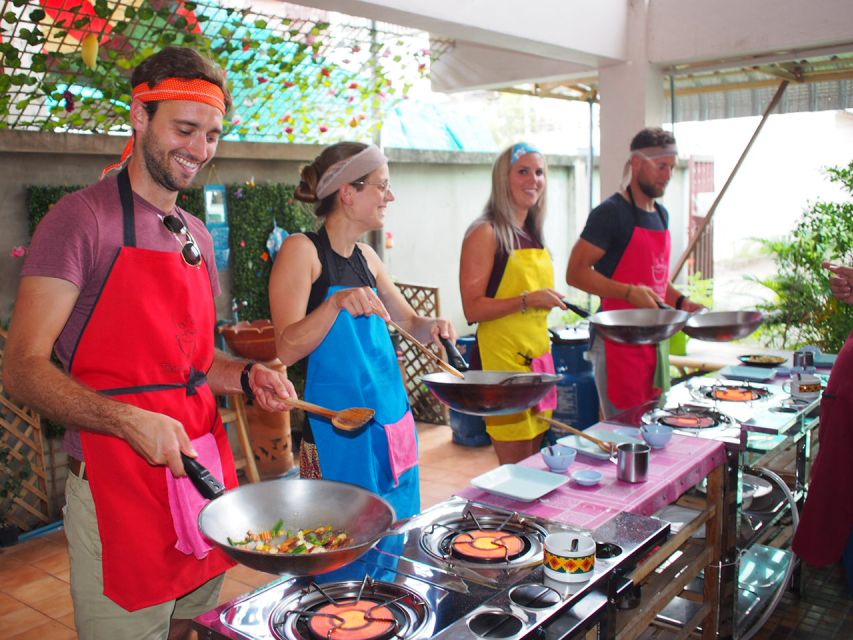
The class runs about 5 hours, with two options. The morning session is 9:00 am to 1:30 pm, and pickup is around 8:45 to 9:15. The evening session runs 3:30 pm to 8:30 pm with pickup around 3:00 to 3:30.
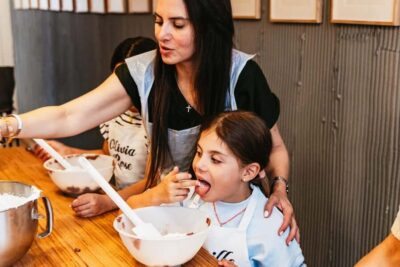
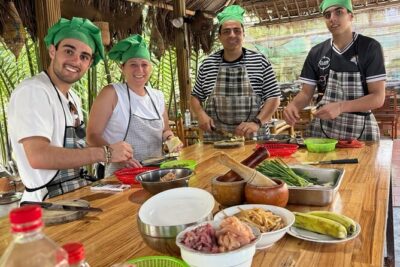
From the start, you’ll feel the organization. Pickup and transport are included (hotel-to-school within the nearby old-city area), and the group stays small, limited to 10 participants. That size helps in two ways: you get hands-on attention, and it stays friendly instead of chaotic.
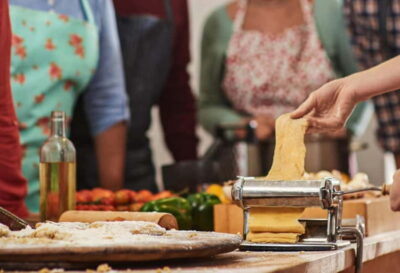
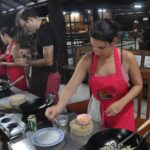
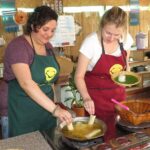
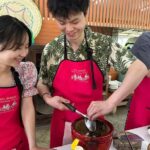
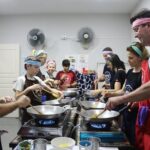
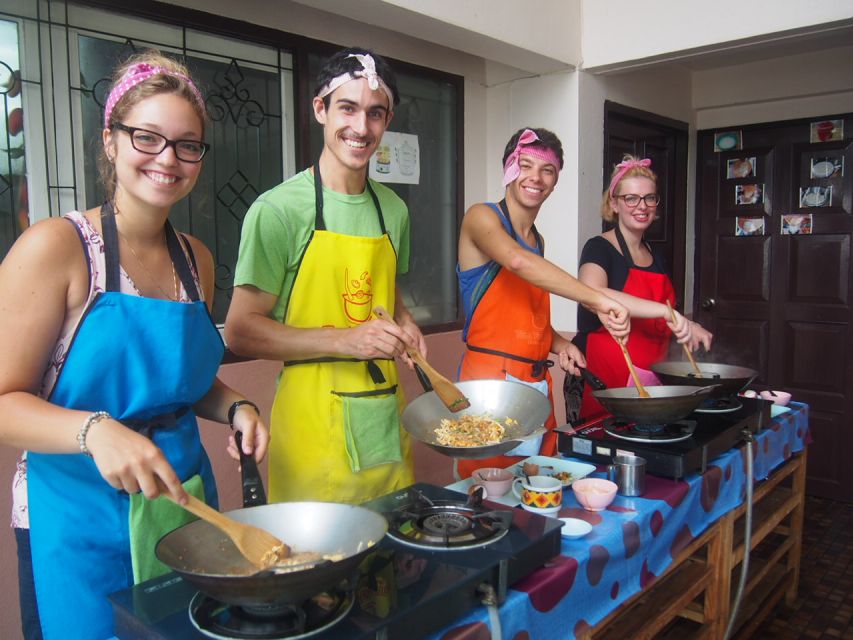
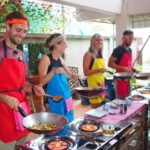
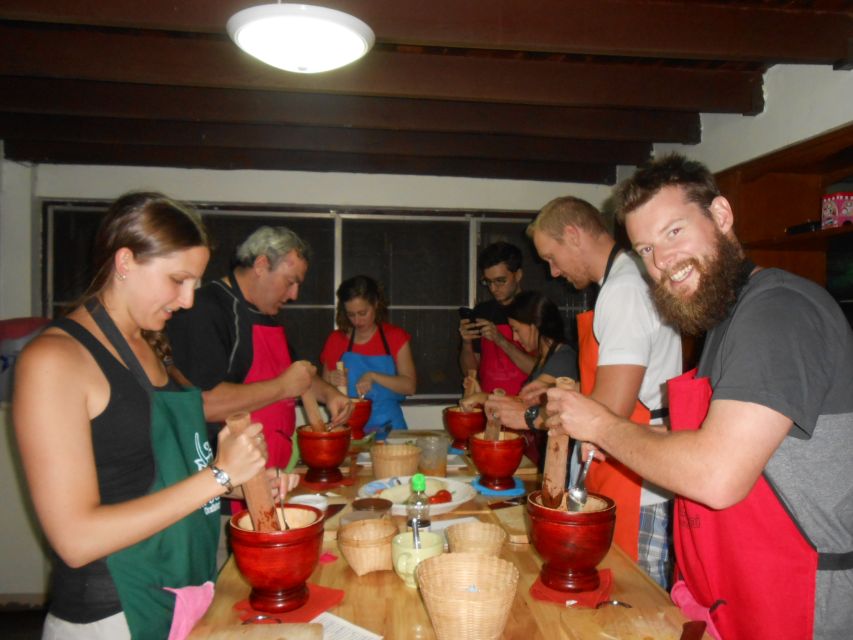
The cooking takes place in the instructors’ home, described as a Thai-home sweet home setup. In practice, that means the kitchen feels lived-in and welcoming, not sterile. Many small classes can feel like you are “watching cooking” before you step in. Here, the format pushes you to chop, stir, taste, and finish your own dishes.
A detail I found especially useful: the layout is designed for smooth movement between prepping, cooking, and eating. You’re not stuck in one room doing every step. That keeps energy up and helps avoid the classic class bottleneck where everyone waits.
Picking your dishes: how the menu choice shapes your class
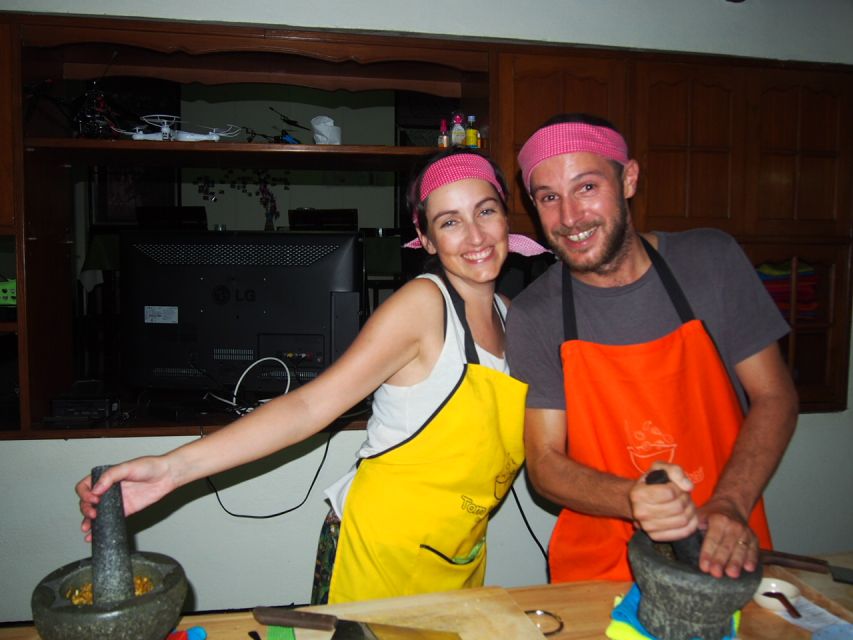
Here’s the fun part: you don’t get forced into a fixed menu. You choose dishes from the options provided, and the class is structured so everyone ends up making multiple items. The format centers on 5 savory dishes, plus the dessert everyone shares.
Your menu categories include:
Stir-fried
- Pad Thai
- Cashew Nut with Chicken
- Pad See Ew
Soups
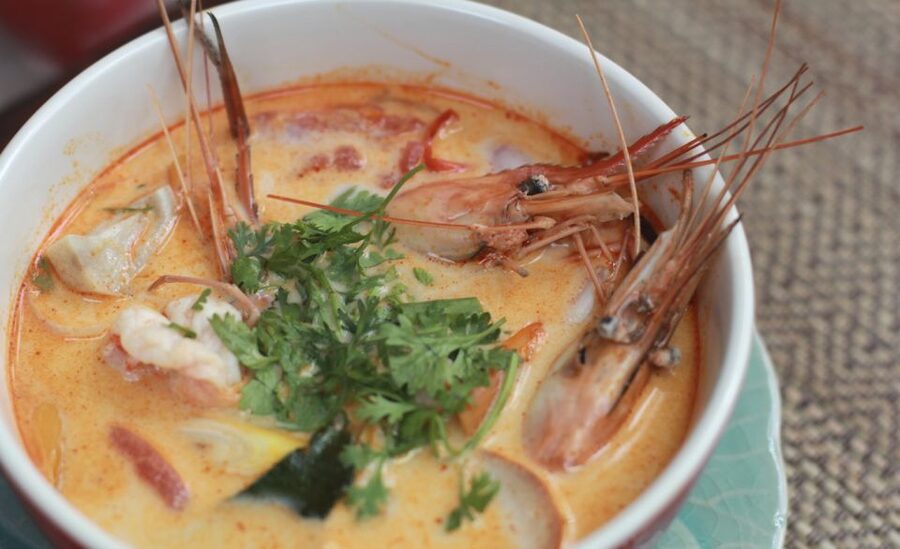
- Hot and Sour Prawn Soup (Tom Yum)
- Chicken in Coconut Milk Soup
Appetizers
- Spring Roll
- Papaya Salad
- Cucumber Salad
Curry paste
- Green curry paste
- Panang curry paste
- Khao Soi curry paste
Curries
- Green curry
- Panang curry
- Khao Soi
Dessert (for everyone)
- Sticky rice with mango
What I like about this setup is that you can customize around what you love eating. Want something sour and spicy? Go for Tom Yum. Prefer creamy comfort? Choose the coconut milk soup and a curry that matches. And if you’re traveling with a friend, you can coordinate so you share bites across different choices.
The curry paste section is also a key learning moment. It’s one thing to order curry at a restaurant; it’s another to see how paste is built into the dish. That is where many people start realizing Thai curries taste different not only because of the sauce, but because the base flavors are distinct.
What you actually do during the cooking lesson
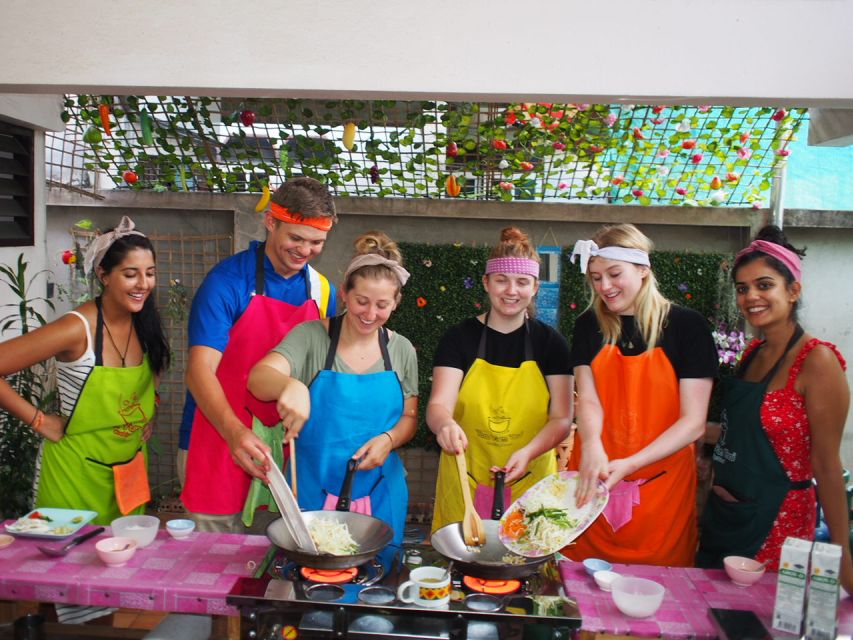
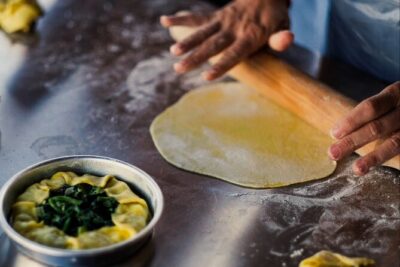
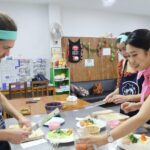
The class is hands-on from early on. You’ll do prep work (chopping and assembling) and then cooking at your station. The biggest difference between this and many cooking classes is the pacing: you are tasting and eating as courses are ready, rather than waiting until the very end to finally eat what you made.
You can also expect snacks and fruit in season during the day. That’s helpful because even though this is a “half-day” class, the full meal experience is substantial. You will get water, plus tea and coffee included.
Most importantly, you’re not just following instructions. You’re learning what to look for while cooking. For example:
- Stir-fries require attention to timing and heat so noodles and sauce cling correctly.
- Salads need balance so you don’t end up with only sour or only salty.
- Tom Yum style soups are about that sharp sour-salty aroma, not just spice.
If you’re a beginner, you’re in good shape. The class is designed so each person can cook without feeling lost. In group settings, the biggest risk is someone else’s pace becoming your pace. Here, the station setup helps you move at your own speed while the instructor keeps things moving.
Flavor lessons you can bring home (not just recipes)
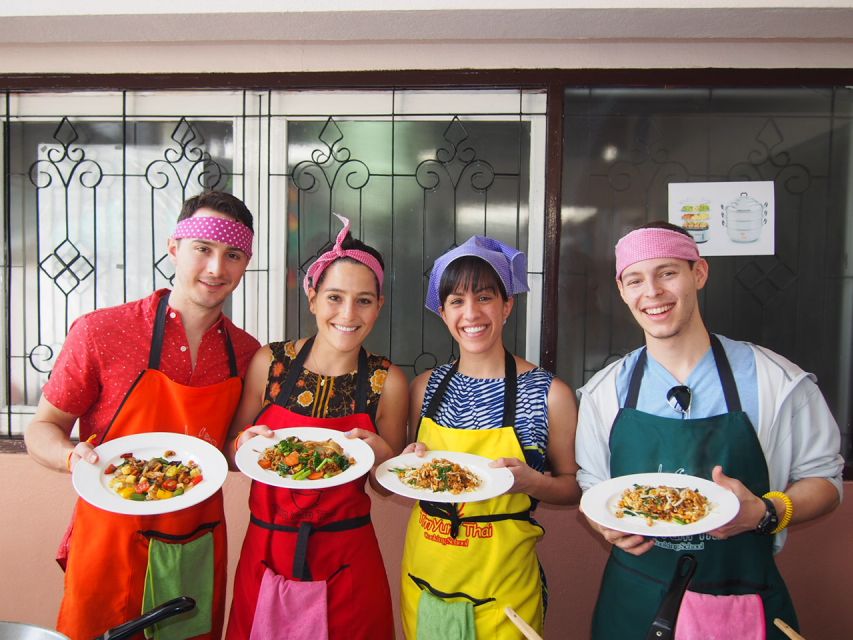
I consider market-first cooking the best kind of “souvenir.” A recipe book gives you instructions, sure. But market context teaches you how to buy and identify ingredients so the recipe works at home.
During the class, you’ll learn how Thai vegetables and seasoning work together. You also get practical guidance for handling Thai flavors that feel intense when you just taste them once. Thai cuisine often uses multiple flavor drivers at the same time: aromatics, acidity, saltiness, and sweetness, plus chili heat.
Some dish examples and what to watch for:
- Pad Thai: focus on getting the sauce to coat rather than pool.
- Papaya salad: adjust to your preferred balance of sour, salty, and a little sweetness.
- Green or Panang curry: the curry paste smell is a big clue; cook it properly so the aroma spreads through the coconut base.
- Khao Soi style: learn how the curry and topping elements create the final texture and taste contrast.
- Sticky rice with mango: treat it as a must-follow process dish, not a last-minute add-on.
If you usually cook at home and want Thai food to taste like Thai food, this class is built for that goal. You will leave with a better sense of what ingredients should taste like and what the dish should feel like once it’s right.

Dietary needs: tell them what you need early
If you have allergies or special dietary requests, you should let the organizers know ahead of time. The class explicitly asks for allergy and special requests, and the experience is set up to accommodate different needs when given notice.
You can also expect the instruction to be flexible in practice. Many cooking students care most about two things: safety and taste. When the class is planned around substitutions, you don’t feel like you’re attending a separate version of the same event.
If you’re vegetarian or cooking around dietary restrictions, consider sending a clear note describing what you avoid. That gives the team a better chance to adjust dishes within the menu structure.
Price and value: $36 for a full Thai-meal experience
At $36 per person for about 5 hours, this is one of the more cost-effective ways to learn Thai cooking in Chiang Mai—mainly because it is not just a demo and not just a snack. You get:
- A local market visit
- Hotel pickup and drop-off within 3 km of old city
- Tea, coffee, and drinking water
- Snacks and seasonal fruit
- Cooking instruction in a Thai-home kitchen
- A shared dessert, plus multiple savory dishes you cook
- A recipe book to take home
The value lands best if you go hungry and plan to eat what you cook. The “meal” part is a big deal here. People often come in thinking they’ll learn techniques for a couple of dishes and leave. Instead, the format is built around eating what you made—so the cost feels tied to a real food experience, not just paying for class time.
Morning vs evening class: which fits your Chiang Mai day
Both sessions work, but choose based on your plans.
Morning (pickup 8:45 to 9:15, class 9:00 to 1:30) is ideal if you want your market learning and cooking early, then spend the rest of the day exploring. It also pairs well with an active morning itinerary, because you’re done before the late-day crowds and heat can take over.
Evening (pickup 3:00 to 3:30, class 3:30 to 8:30) is great if you prefer a slower day and want dinner later. Just remember: even though the start is earlier afternoon, you still get a full set of dishes and dessert. Plan your day so you do not stack another heavy meal right afterward.
Who this cooking class suits best
This is a strong match if you want:
- A hands-on Chiang Mai cooking class with a real market ingredient component
- A small group experience that stays manageable
- A lesson that helps you recreate Thai flavors at home, not just eat them once
- A cozy Thai-home setting with English instruction
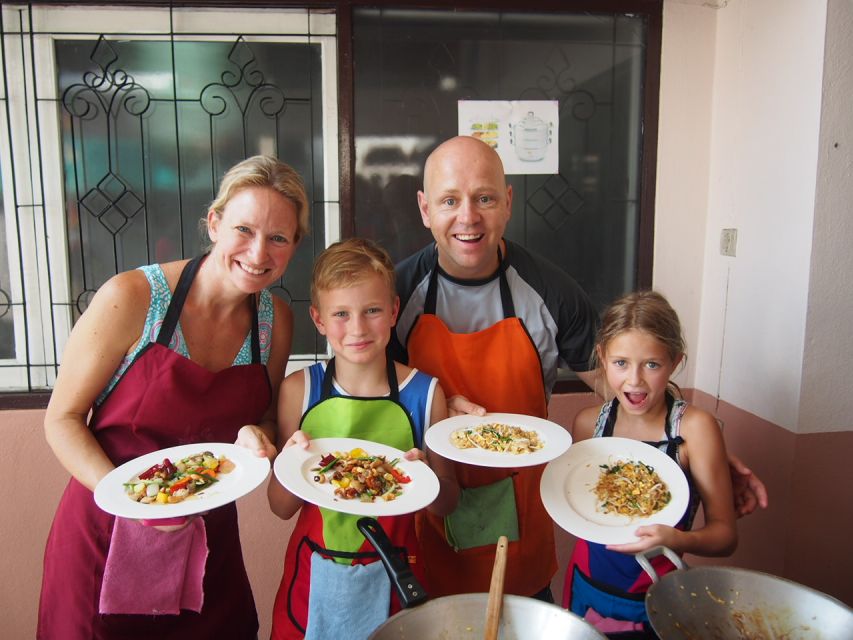
It also fits couples and families because the pace supports shared moments: you can cook, taste, and then compare your dishes. If your priority is learning how Thai curries, salads, noodles, and soups are built from scratch, you’ll get plenty of practice in one session.
The class is also beginner-friendly in tone and structure, since each person cooks at their station and the teaching is geared toward clear steps.
Should you book Tom Yum Thai Cooking School in Chiang Mai
I think you should book this class if you’re hungry for real Thai flavors and want more than a generic cooking demo. The market-first approach, the Thai-home setting, and the fact that you cook a full set of dishes make the day feel like a complete food experience.
I’d skip it only if you’re not comfortable with eating a lot during one sitting, or if your schedule doesn’t allow a solid 5-hour block. Also, if you have serious allergies, make sure you communicate them clearly ahead of time so the menu and ingredients can be adjusted safely.
FAQ
What is the duration of the cooking class?
The class lasts about 5 hours.
Where does the class take place?
It runs in Chiang Mai Province, in a cooking school located in a Thai home.
How much does the class cost?
The price is $36 per person.
What times are available for the morning and evening classes?
The morning class runs 9:00 am to 1:30 pm with pickup around 8:45 to 9:15. The evening class runs 3:30 pm to 8:30 pm with pickup around 3:00 to 3:30.
How many people are in the group?
The group is small, limited to 10 participants.
What dishes do I cook?
You will cook 5 dishes chosen from options such as Pad Thai, Pad See Ew, Tom Yum, coconut milk soup, spring rolls, papaya salad, cucumber salad, and different green or Panang curry and Khao Soi options. Everyone also makes sticky rice with mango.
What’s included in the price?
Included are the local market visit, drinking water, tea and coffee, a recipe book, and hotel pickup and drop-off within 3 km of Chiang Mai old town.
Can you accommodate allergies or special requests?
Yes. You’re asked to let them know in advance about food allergies and special requests.