REVIEW · CHIANG MAI
Sunset Thai Cooking with Grandma – Farm & Evening Feast
Book on Viator →Operated by Grandmas Home Cooking School · Bookable on Viator
A sunset cooking class in Chiang Mai feels like dinner with a view. This one happens on an organic farm with golden-hour cooking, so you’re not just learning recipes; you’re seeing where the ingredients come from. You’ll tour rice fields and gardens, then cook and eat as the countryside cools down.
Two things I really like: you get your own cooking station, and the instruction is built for people who don’t cook Thai at home. Instructors with names like Kiki, Garnet, Mac, Brian, Best, Anne, and Joy have been praised for clear, patient teaching that keeps you moving, not stuck waiting for someone else.
One possible drawback to plan for: it’s an outdoor class, and it can be hot and humid during the farm time and cooking. If that sort of weather hits you hard, wear comfortable shoes and expect to sweat a bit before dinner.
In This Review
- Key things that make this class worth the trip
- Why a Chiang Mai sunset cooking class hits differently
- Grandma’s Home Cooking School: what happens before the stove
- The open-air kitchen and your own station (how the class stays easy)
- The five dishes you’ll cook, plus the Mango Sticky Rice payoff
- Organic farm flavors: herbs, mushrooms, and chickens in the real world
- Food, drinks, and portions: plan for a full evening
- Price and value: is $45.31 fair for 3.5 hours?
- Timing, logistics, and what to wear
- Who this class is best for (and who should reconsider)
- Should you book Sunset Thai Cooking with Grandma?
- FAQ
- What time does the cooking class start, and how long is it?
- Is hotel pickup included?
- What do you do on the farm before cooking?
- What dishes will you cook?
- Can I get vegetarian or Halal options?
- Are gluten-free or allergy needs accommodated?
- What drinks and water are included?
Key things that make this class worth the trip
- Farm-to-kitchen start: tour rice fields, herb and vegetable gardens, the chicken coop, and the mushroom hut before you cook
- Your own station: everyone cooks at their own setup, which makes the 3.5-hour schedule feel manageable
- Five-dish lesson: you’ll prepare a full spread, including Thailand’s beloved dessert, Mango Sticky Rice
- Dietary adjustments ahead of time: vegetarian and Halal options are available, and gluten-free or allergy needs can be handled if you mention them early
- Time-saving, take-home recipes: you get a digital recipe e-book (plus drinks and water during class) so you can recreate dishes later
Why a Chiang Mai sunset cooking class hits differently
Chiang Mai evenings have a sweet spot: the light turns softer, the air cools a little, and the countryside feels calmer than the city streets. This class is timed to land you at the farm right around that transition, so your meal has the feeling of an occasion, not a classroom activity.
The best part is that the sunset isn’t just a backdrop. You’ll spend the evening moving from garden to kitchen to table, which keeps the experience active. You’ll walk the farm, learn what’s growing, then switch gears and cook your own Thai dishes while you’re still in that relaxed, evening mood.
You can also read our reviews of more tours and experiences in Chiang Mai.
Grandma’s Home Cooking School: what happens before the stove
Your day starts with hotel pickup (for places within 5 km of Chiang Mai city center), then a ride out to the organic farm. The goal is simple: arrive with enough time to settle in, enjoy the farm atmosphere, and get ready to cook.
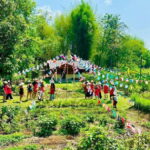
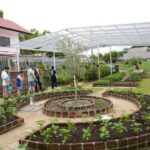
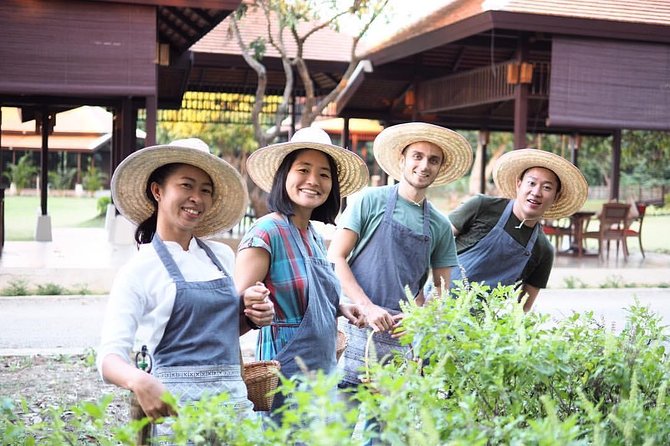
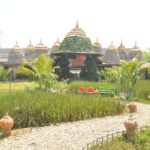
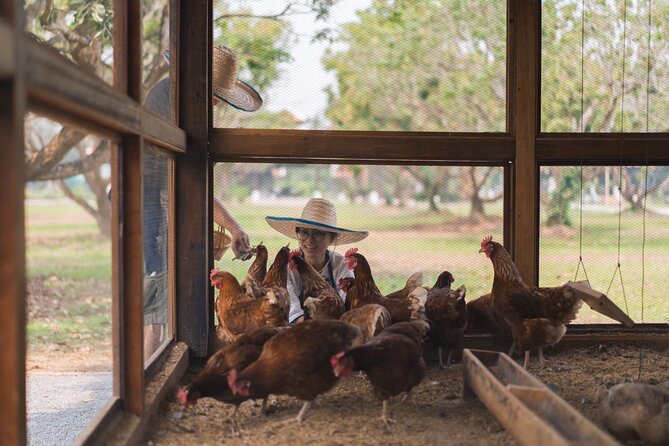
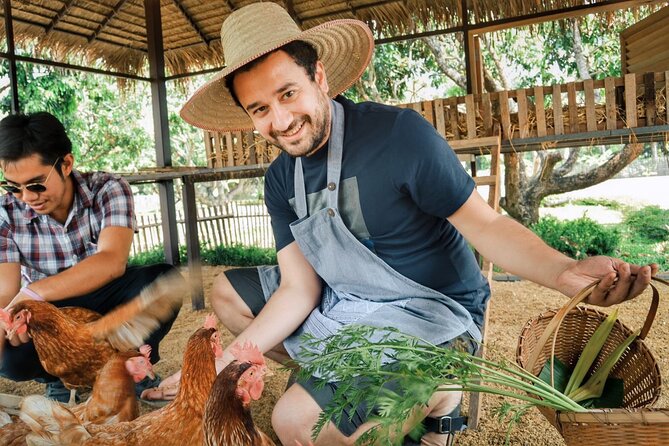
Once you get there, you don’t jump straight to chopping. You get a farm tour that includes the rice fields, herb and vegetable gardens, the chicken coop, and a mushroom hut. Then you get to do hands-on farm activities like feeding and hugging chickens and collecting fresh eggs. Mushrooms are also part of the mix, but vegetable picking and mushroom picking depend on what’s ready at the time.
This matters more than you might think. Knowing what ingredients look like when they’re growing makes the flavors click later when you’re cooking at home. It also makes the class feel genuinely local, because you’re working with produce that’s tied to the farm’s daily routine.
The open-air kitchen and your own station (how the class stays easy)
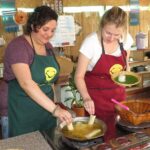
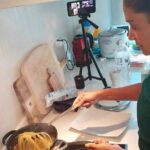
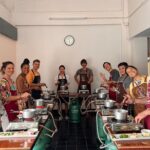
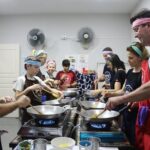
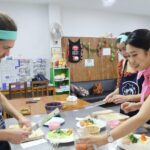
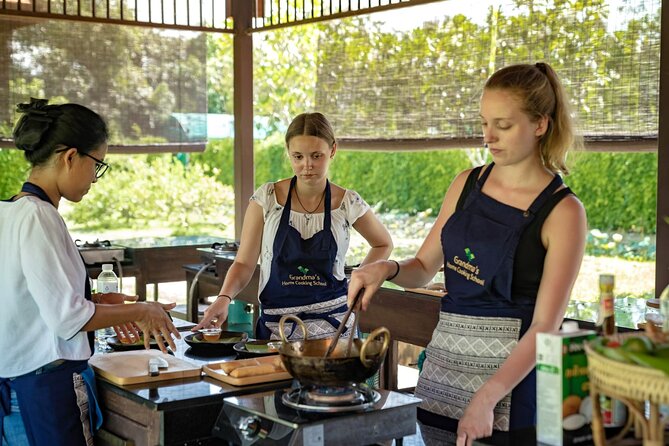
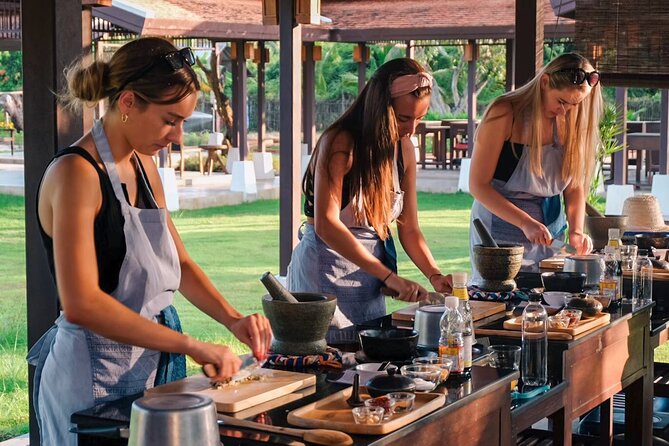
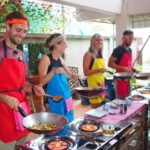
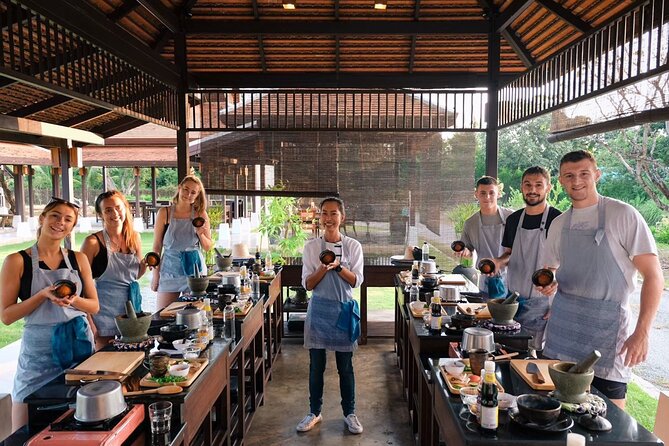
The cooking happens in a cozy open-air kitchen. Instead of crowding around one counter, you’ll have your own cooking station. That one detail changes the whole experience: you can keep pace, ask questions while you cook, and actually finish the dishes instead of watching.
The instructors use step-by-step guidance, and the setup is designed to reduce the scary parts of cooking over a real wok flame. Many people specifically mention how patient the teachers are and how they tidy up between dishes so stations stay efficient.
Another nice touch: each participant chooses their menu at the start of class before cooking begins. Depending on what’s offered for that session, you may be able to select protein options for certain dishes, including vegetarian choices. This is one reason the cooking doesn’t feel like a one-size-fits-all demo.
The five dishes you’ll cook, plus the Mango Sticky Rice payoff
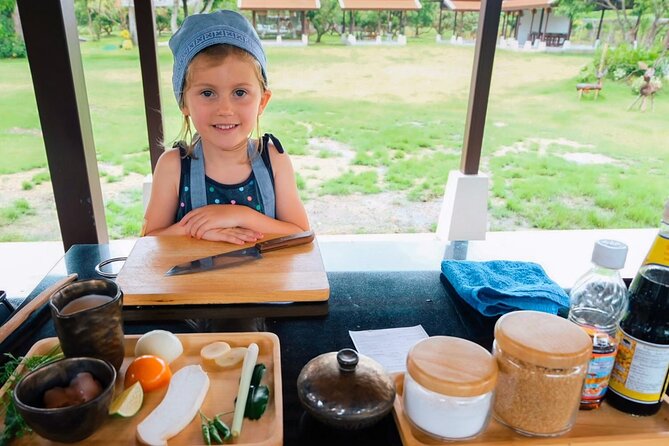
This class is built around cooking five authentic Thai dishes. The exact mix can vary, but common items you might prepare include familiar favorites like hot and sour soup and Thai green curry. Other dishes that come up for many sessions include things like Khao Soi, Tom Kha Gai, and Pad Thai.
What makes the class feel like real progress is that it doesn’t stop at one dish. You’re building a Thai meal in sequence: savory dishes, a curry, and then dessert.
And dessert here is the star. Mango Sticky Rice is included, and people consistently single it out as a standout. If you’ve tried mango sticky rice before and wondered what made the best versions taste so balanced, this is the moment to learn the method, not just eat the result.
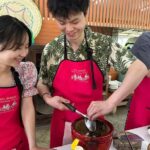
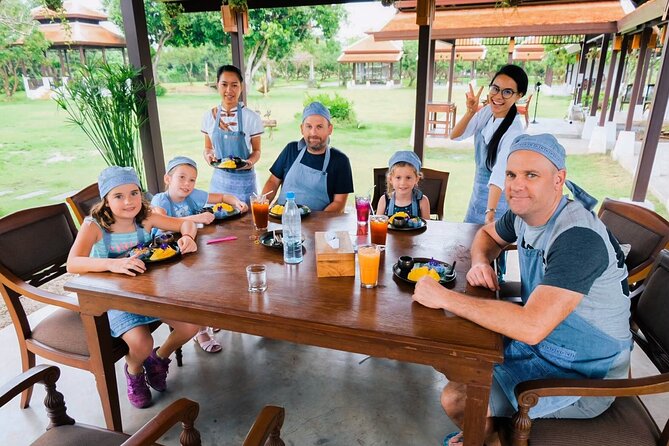
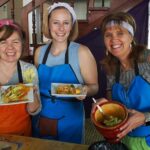
You’ll cook, then share your homemade dishes together right after. That rhythm is a big reason the class feels fun instead of exhausting: you’re not only learning techniques; you’re also tasting the results while the flavors are still hot and fresh.
Organic farm flavors: herbs, mushrooms, and chickens in the real world
A Thai cooking class can stay generic if the ingredients are all pre-packaged. This one pushes you toward the real-world side of cooking by focusing on what’s grown on-site.
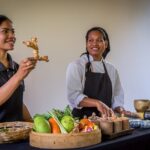
You’ll learn about Thai herbs and vegetables you collect from the garden. Some sessions also include small tastings of ingredients straight from the farm, which helps you recognize common flavor players like fragrant basils and citrusy leaves when you see them in prepared dishes later.
The chicken and eggs part is also more than a cute photo moment. If you’ve never collected eggs before, it helps put “farm-to-table” into motion. It’s a hands-on connection that makes the meal feel like something you earned, not just something you bought.

Food, drinks, and portions: plan for a full evening
This isn’t a light snack class. You’re cooking five dishes and then eating them as a group, so you’ll want to arrive hungry.
You also get a welcome drink (Thai milk tea, lemon tea, or butterfly pea flower tea). Bottled water is unlimited during the class, and there’s also a free herbal drink. Alcohol isn’t included, but beer is available for purchase if you want it.
One more practical point: because the class is designed to keep you cooking at your own station, you tend to finish dishes while the kitchen team manages the flow. That helps keep the meal tasting fresh instead of sitting too long.
Price and value: is $45.31 fair for 3.5 hours?
At about $45.31 per person, this class lands in the “good value” zone for Chiang Mai. You’re paying for more than cooking instruction. You’re also getting hotel pickup and drop-off within 5 km, a farm tour, hands-on farm activities, multiple dishes cooked at your own station, and a take-home recipe e-book.
If you compare this to cooking classes that only do a quick recipe talk and then hand you ingredients to assemble, the farm time and the full meal here make the price feel more grounded. You’re also not just tasting—you’re learning how the dish comes together.
Where value can feel different is your expectations. If you want a quiet, museum-style Thai culture lesson, this is more hands-on. But if you want a practical, food-focused evening that ends with a meal you cooked, it’s hard to beat.
Timing, logistics, and what to wear
The class starts at 4:00 pm and runs about 3 hours 30 minutes. That timing matters. It’s late enough for sunset to feel special, but early enough that you’ll still be comfortable moving around the farm and cooking before it gets too dark.
Hotel pickup is included only within 5 km of Chiang Mai city center. If you’re farther out, you’ll either be directed to a nearby meeting point or charged a small extra fee. Either way, it’s worth checking your exact pickup eligibility.
For clothing, the guidance is straightforward: wear comfortable shoes for the farm walk. The cooking space is open-air, and the farm portion can be warm, so plan to dress for heat.
Who this class is best for (and who should reconsider)
This is a strong fit if you:
- want a Thai cooking class that starts with on-farm ingredients, not just a kitchen counter
- like learning by doing, with your own station
- have dietary needs (vegetarian, Halal, gluten-free, allergies) and want adjustments handled before cooking starts
- enjoy evening activities that feel like a local routine, with rice fields and mountains in the background
It may be less ideal if:
- you hate outdoor heat and don’t do well in humid conditions
- you’re looking for a purely indoor, slow-paced experience
It also works well for families, with one important rule: children under 10 are treated as visitors and don’t have their own station. They can join cooking with parents, but if you want them to have their own station, you’d book an adult price.
Should you book Sunset Thai Cooking with Grandma?
I’d book it if you want an evening that ends with a full meal you cooked, in a setting that feels like the real rhythm of Chiang Mai food. The combination of farm activities (including eggs and chickens), a kitchen designed for hands-on learning, and a dessert that almost nobody skips makes it a memorable use of your time.
If you’re heat-sensitive or you prefer indoors only, plan carefully. Otherwise, this is the kind of class that gives you skills you can actually use later—plus recipes you can take home and trust.
FAQ
What time does the cooking class start, and how long is it?
It starts at 4:00 pm and runs about 3 hours 30 minutes.
Is hotel pickup included?
Hotel pickup and drop-off are included for hotels within 5 km of Chiang Mai city center.
What do you do on the farm before cooking?
You’ll tour the organic farm, including rice fields, herb and vegetable gardens, a chicken coop, and a mushroom hut. You can also feed and hug chickens, collect fresh eggs, and pick mushrooms (vegetable picking depends on what’s ready).
What dishes will you cook?
You’ll cook five authentic Thai dishes. Mango Sticky Rice is included, and menus may include dishes like hot and sour soup and Thai green curry, plus other Thai favorites depending on the session.
Can I get vegetarian or Halal options?
Yes. Vegetarian and Halal options are available if you tell the provider before the class starts.
Are gluten-free or allergy needs accommodated?
Yes. If you share gluten-free needs, allergies, or special requirements before the class starts, they will adjust ingredients for your station.
What drinks and water are included?
You’ll get a welcome drink, unlimited bottled water, and a free herbal drink during the class. Alcoholic beverages are not included, but beer is available for purchase.