REVIEW · KYOTO
Sushi – Authentic Japanese Cooking Class – the best souvenir from Kyoto!
Book on Viator →Operated by Japanese Cooking Class Roujiya · Bookable on Viator
Sushi lessons in a real Kyoto home. This small-group class is about more than eating—you learn etiquette, then you make your own sushi (plus soup and pickled ginger).
I especially like the hands-on pace and the fact that the instructor, Kaori, teaches step-by-step in English and checks that you’re doing it right. You also get a takeaway guide (one guest called out a 4-page manners-and-recipe sheet), so the lesson sticks after you leave.
One thing to consider: it’s short and focused—about 2 hours—so if you want a long, lots-of-variety tasting, this is more “learn the fundamentals well” than “sushi buffet for hours.” Also, Kyoto addresses can be confusing, so confirm the exact meeting pin before you go.
In This Review
- Key Things I’d Book This For
- Where This Kyoto Class Fits in Your Trip
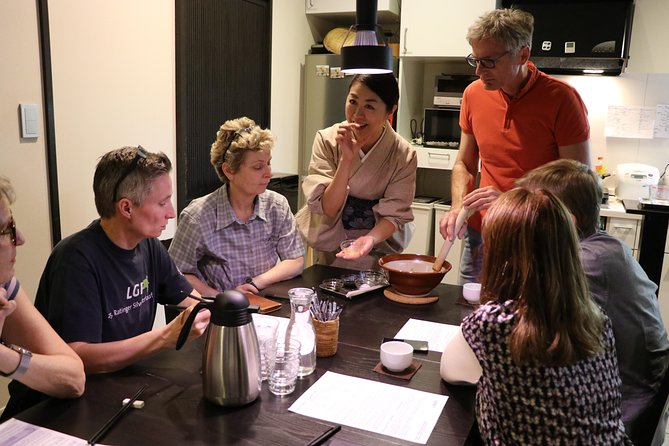
- Roujiya Kitchen Setup: A Small Group, Real Human Teaching
- What You Actually Make: Sushi Rice, Dashi Soup, and Pickled Ginger
- Sushi basics (with multiple types)
- Japanese soup: dashi in action
- Pickled ginger
- The Etiquette Lesson You Can’t Get From Takeout
- Step-by-Step Class Flow: From Soup to Sushi Plates
- English Instruction That Actually Helps You Cook
- Why the Price Feels Reasonable (and Not Like a Tourist Trap)
- Logistics That Matter in Kyoto (So You Don’t Waste Time)
- Who This Cooking Class Is Best For
- A Quick Reality Check: What It Is and Isn’t
- Should You Book Sushi at Japanese Cooking Class Roujiya?
- FAQ
- How long is the sushi cooking class?
- What is the price per person?
- What’s included in the experience?
- Is there any guidance for dietary needs?
- Do I get recipes to take home?
- Can I cancel for a full refund?
Key Things I’d Book This For
- Small group size: capped at 12 travelers for a more personal, calm lesson
- Etiquette built into the cooking: you learn table manners alongside making sushi
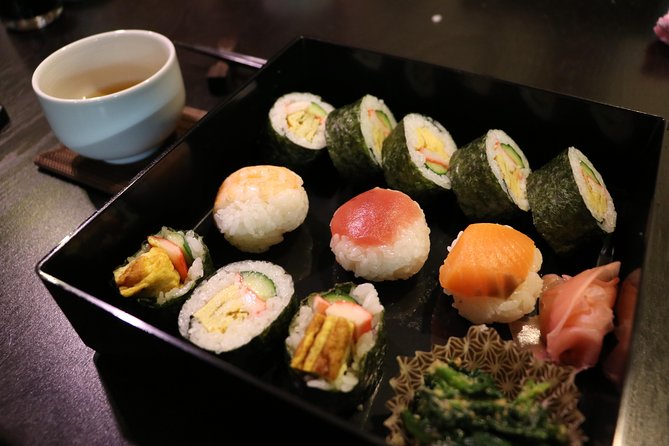
- You make the core items: sushi, Japanese soup (dashi-style), and pickled ginger
- English instruction and clear guidance: multiple reviews highlight excellent English and patience
- Take-home recipes: you receive recipes and a written guide to help you recreate it later
- A proper meal pairing: an aperitif plus Japanese green tea are included
Where This Kyoto Class Fits in Your Trip
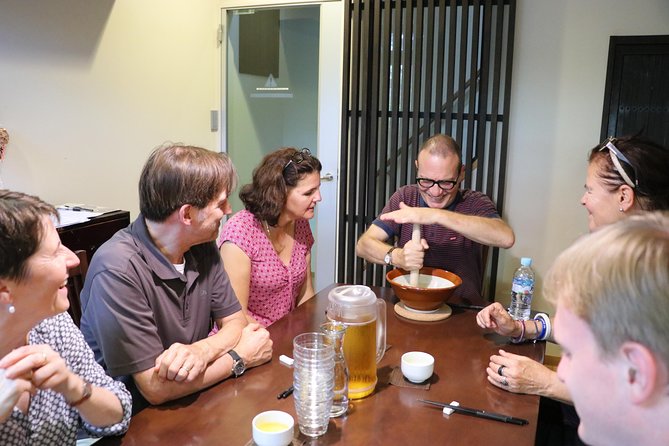
Kyoto has a lot of great food experiences—street eats, tempura, kaiseki spots—but this one is different. You’re not just buying dinner; you’re learning the system behind Japanese sushi: rice technique, flavor balance, and the rules of how you’re supposed to eat it.
That matters, because sushi is one of those foods where small choices change everything. Rice seasoning, cooling time, dashi flavor, even how you handle chopsticks—these details are what separate good sushi from sushi that feels right. The class gives you those basics in a practical way, without turning it into a theory exam.
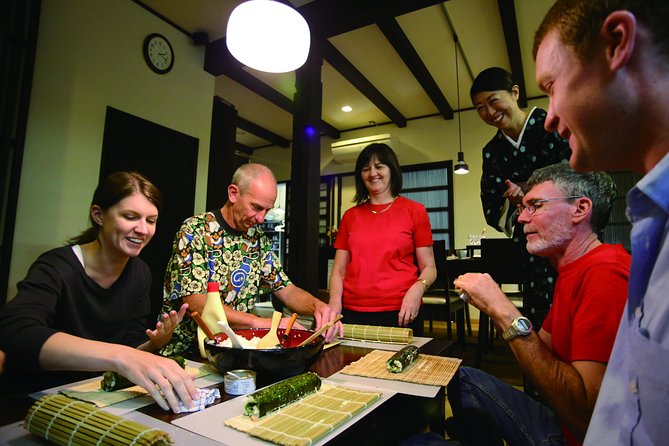
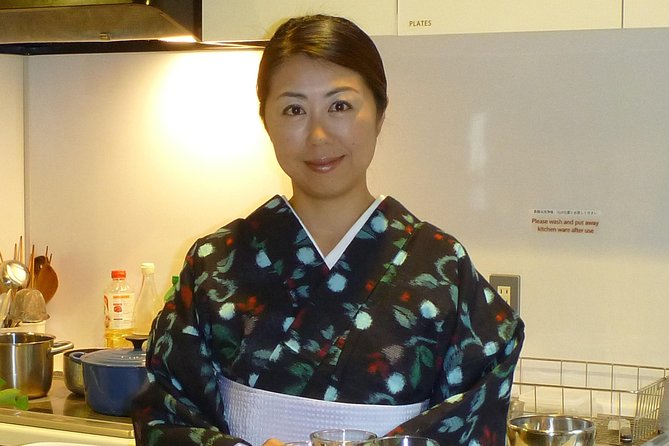
And you’ll like the tone. It’s capped small (max 12), and it’s taught in the home-style kitchen of Kaori (Japanese Cooking Class Roujiya). Several reviews mention a clean, easy-to-follow setup, plus a friendly, welcoming atmosphere.
You can also read our reviews of more tours and experiences in Kyoto.
Roujiya Kitchen Setup: A Small Group, Real Human Teaching
You’ll meet at Roujiya at 11:30 am at 22-58 Nishinokyō Ikenouchichō, Nakagyo Ward, Kyoto. The class ends back at the same meeting point, so you’re not bouncing around town.
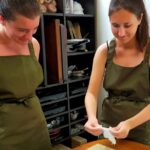
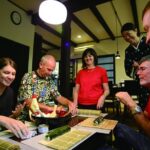
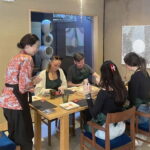
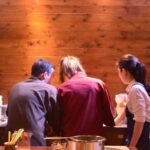
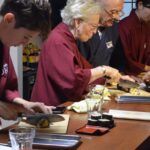
The vibe is part of the value. With a maximum of 12 travelers, you get actual attention while you work with your hands. In reviews, guests repeatedly praise Kaori’s patience and her habit of walking you through steps and correcting technique in the moment.
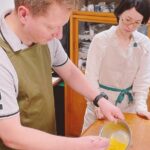
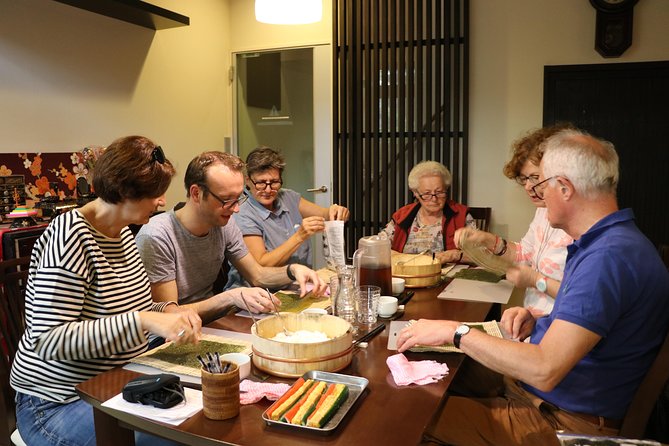
Also, this isn’t a “watch then eat” demo. You’re cooking. Reviews mention a nice mix of looking and participating, and that the class stays well-paced for the full 2 hours.
For me, that matters because sushi technique is physical. Sushi rice isn’t something you truly understand until you’ve handled it and felt the timing. Same with dashi and the finishing steps.
What You Actually Make: Sushi Rice, Dashi Soup, and Pickled Ginger
The menu isn’t just “sushi.” You work on a small set of core Japanese flavors that show up across the cuisine.
Sushi basics (with multiple types)
You’ll make several types of sushi, not just one. Reviews mention learning sushi rice and then moving on to different sushi styles. The instructor also talks about why certain steps matter, like seasoning and handling.
A couple guests specifically called out explanations around umami and how it connects to dashi. Others mention learning why you fan sushi rice—cooling and drying it just enough changes texture and sheen.
If you’ve only eaten sushi out, this is the part where the mystery goes away. You’ll see how much of sushi is controlled by rice technique and flavor building.
Japanese soup: dashi in action
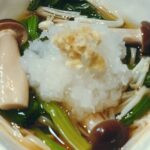
You’ll also learn Japanese soup, with dashi-style flavor described in reviews. One review highlights making dashi using seaweed and bonito flakes. Even if you’ve never heard the word dashi before, you’ll leave knowing what it is and how it supports the rest of the meal.

Pickled ginger
You’ll make pickled ginger too. That’s a small item, but it’s a big deal in sushi culture. It helps reset your palate and it has its own flavor story, so learning it makes your “at-home sushi night” feel complete.
The Etiquette Lesson You Can’t Get From Takeout
A lot of cooking classes teach food. This one also teaches the human side: Japanese table manners and sushi etiquette.
You’ll get guidance on how to eat sushi properly, and you’ll also learn about chopsticks and how they relate to Japanese food habits. One guest mentioned learning why Japanese chopsticks are shorter than Chinese ones. Whether you use chopsticks often or not, you’ll start to understand the logic behind the style.
Why this is valuable: in Japan, etiquette isn’t just politeness—it’s part of how the food is presented and experienced. Knowing the basics helps you feel comfortable ordering sushi after class, and it helps your at-home attempt feel more like the real thing.
Step-by-Step Class Flow: From Soup to Sushi Plates
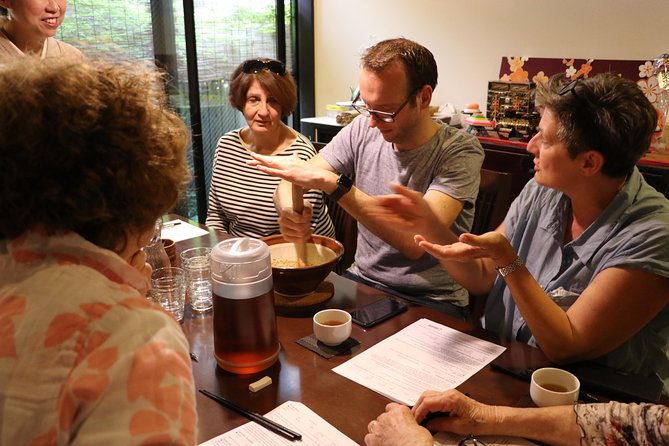
Here’s how the experience is structured in a way that makes learning stick.
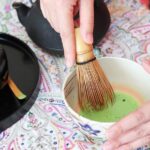
You start with an aperitif and Japanese green tea, then move into cooking. Reviews describe beginning with soup and then transitioning into sushi rice. After that, you learn different sushi types and the finishing touches.
During the cooking, Kaori gives background context alongside instruction. Guests mention getting culture facts that connect directly to what they’re doing, not random trivia. You’ll hear about the tastes behind umami and how dashi fits in, for example.
Then comes the best part: eating what you made. Reviews consistently call out how delicious the finished sushi is—and how satisfying it feels after you’ve built it from scratch.
If you’re curious about drinks, one review notes that tea, sake, and beer may be offered after you’ve made the sushi, as an extra expense. So plan on staying hydrated even if you choose not to add alcohol.
English Instruction That Actually Helps You Cook
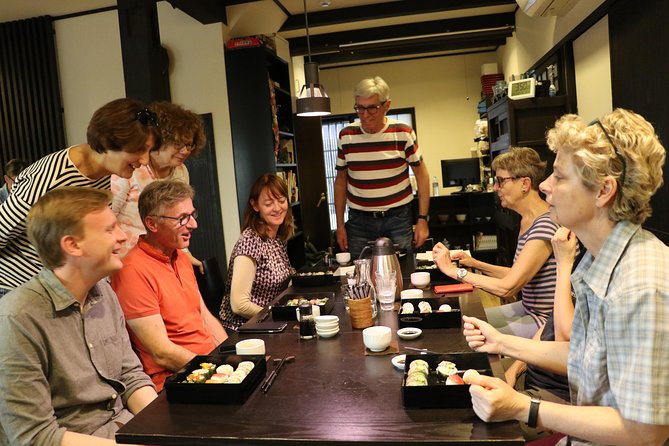
This class runs in English with an English-speaking instructor. Reviews repeatedly emphasize that Kaori’s English is excellent and that she explains why you’re doing each step—not just what to do.
That’s the difference between learning a recipe and learning technique. If you understand the purpose, you can adapt at home when your rice brand or fish situation differs.
Also, the small-group setup means it’s easier for the instructor to notice when something needs adjustment—rice texture, handling, seasoning balance, and so on.
Why the Price Feels Reasonable (and Not Like a Tourist Trap)
The price is $72.67 per person for about 2 hours. On paper, that might sound steep—until you line up what’s included.
You get:
- a meal (you eat what you make)
- all ingredients
- an English-speaking cooking instructor
- recipes to take home
- an aperitif
- Japanese green tea
For sushi especially, the “ingredients” aren’t the cheap part once you factor in quality rice, seasonings, and the time required to teach technique. Paying for instruction is where classes earn their keep, and this one is built around hands-on work in a home kitchen.
Also, many guests talk about leaving with confidence to repeat the dishes at home. If you’re the kind of traveler who likes souvenirs you can use—not just photograph—this fits.
Logistics That Matter in Kyoto (So You Don’t Waste Time)
This is a “show up and cook” experience. There’s no hotel pickup or drop-off listed, and the class ends back at the meeting point.
Because Kyoto addresses can be tricky, I’d treat the meeting point like a checklist item:
- confirm the exact pin/route before leaving
- plan a little buffer time for getting there via public transportation
- double-check any written details provided after booking
The location is described as near public transportation, which helps. A smooth arrival matters here because the class is only 2 hours, and you don’t want to start late.
Who This Cooking Class Is Best For
I’d book this if any of these sound like you:
- You want a real Kyoto food memory that’s not just a meal you ate and forgot
- You care about the cultural side of sushi, not only the recipe
- You’re traveling as a couple or small group and want a calm, personal class (max 12)
- You’ve tried sushi before but want to understand why it tastes the way it does
- You want a hands-on souvenir you can repeat at home with confidence
Families also seem to be a good fit. One review specifically mentions family friendliness and that kids enjoyed it, with everyone able to follow instructions.
A Quick Reality Check: What It Is and Isn’t
It’s not:
- a long multi-course tasting
- a huge group show-and-tell
It is:
- a structured, hands-on lesson in sushi basics
- a chance to learn etiquette and Japanese food culture with your hands, not just your ears
- a meal you helped create, with recipes to bring home
If you’re expecting a “sushi-making montage,” you’ll be happier with the more focused mindset: learn the technique, understand the flavor logic, then eat what you made.
Should You Book Sushi at Japanese Cooking Class Roujiya?
Yes, I’d strongly consider booking this if you want a Kyoto experience that gives you more than a full stomach. The standout points are the small-group attention, Kaori’s step-by-step teaching in English, and the fact that you leave with both recipes and cultural etiquette knowledge.
Book it especially if you want a souvenir you’ll use—your at-home sushi night will be dramatically better after learning rice handling, dashi thinking, and pickled ginger.
Skip it if you’re mainly chasing variety or a long timeline. This class is built for depth in a short window, not for hours of endless tasting.
If you can arrive on time and you’re ready to cook with your hands, you’ll likely come away feeling like you learned sushi the way sushi people think about sushi.
FAQ
How long is the sushi cooking class?
The class runs for about 2 hours.
What is the price per person?
The price listed is $72.67 per person.
What’s included in the experience?
You’ll receive a meal, all ingredients for cooking, an English-speaking instructor, recipes, an aperitif, and Japanese green tea.
Is there any guidance for dietary needs?
You can advise specific dietary requirements at time of booking.
Do I get recipes to take home?
Yes. Recipes are included.
Can I cancel for a full refund?
You can cancel for a full refund if you cancel at least 24 hours before the experience’s start time. If you cancel less than 24 hours before, the amount paid is not refunded.