REVIEW · TOKYO
Gyoza Making from Scratch- Tokyo Ultimate Cooking Class
Book on Viator →Operated by Patia's Japanese Cooking Class · Bookable on Viator
Freshly made gyoza beats store-bought any day.
This Tokyo gyoza class is interesting because you don’t just shape dumplings, you also make the wrappers from scratch and then compare them side-by-side with store-bought. You’ll work in a modern central-Tokyo kitchen with step-by-step help, so the whole thing feels practical, not performative.
What I like most is the focus on results: you learn the technique for juicy filling and you actually pan-fry yaki-gyoza the way it’s meant to be eaten. Second, the class doesn’t stop at gyoza—there’s soup and a side dish plus several dipping sauces, so you’re building a mini meal instead of just snacks.
One consideration: if you want chicken instead of pork, you need to request it at least 48 hours ahead. Otherwise, you’ll be working with pork filling as the default.
In This Review
- Key things that make this class worth your time
- Making gyoza wrappers changes what you think dumplings are
- The juicy filling lesson (and how to keep it that way)
- Cooking together: yaki-gyoza, soup, and a side dish
- Patia Kitchen studios in central Tokyo: small group, real kitchen work
- Sauces, digital photos, and an English recipe you can use
- Price, time, and what you’re really paying for
- Who should book this gyoza class
- Should you book this gyoza class?
- FAQ
- What do I make in this class?
- Do you make the wrappers yourself?
- How long is the cooking class?
- Is chicken filling available instead of pork?
- Are meals included?
- Does the class include photos and a recipe?
- Is there hotel pickup or drop-off?
- How big is the class?
- What if I need to cancel?
Key things that make this class worth your time
- Wrappers from dough to finished rounds, so you understand what changes taste and texture
- A direct comparison between handmade and store-bought wrappers
- Folding techniques taught step-by-step, not just a quick demo
- Pan-fried yaki-gyoza, so you practice the classic texture contrast
- Take-home support via an English recipe and later-downloadable photos
Making gyoza wrappers changes what you think dumplings are
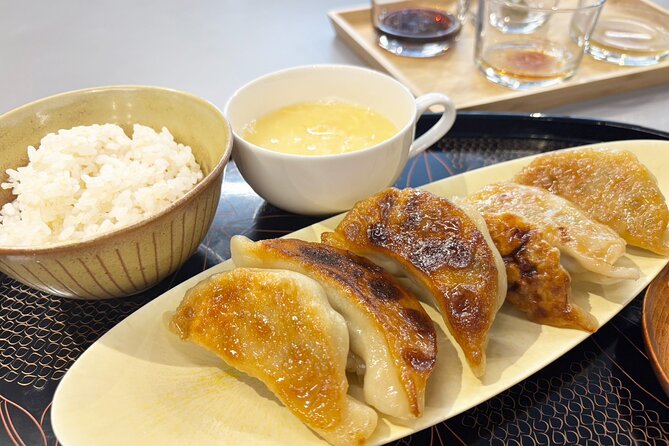
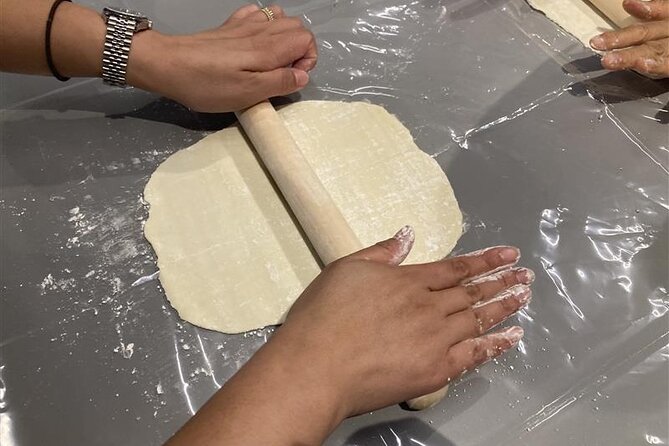
Most cooking classes let you skip to the fun part: mixing filling and folding. This one starts earlier, with making the dough for the wrappers and producing the wrapper sheets/skins you’ll use for your dumplings. If you’ve only ever eaten gyoza made by other people, this is the moment things click.
You knead and prepare the wrapper dough using fresh ingredients, then make the wrappers you’ll use in class. The value here isn’t just “cool, I made dough.” It’s that you’ll learn what the wrapper brings to the final bite: thickness, pliability, and how well it seals during folding and pan-frying.
Then comes the smart twist. You also fold and cook store-bought wrappers along with your handmade ones, and you compare the difference in taste and texture. That comparison is worth the extra effort because it tells you what you’re actually doing when you make wrappers at home. Instead of trusting vague impressions, you can feel the structural difference between dough made from scratch and a factory-processed wrapper.
Practical tip for your future self: when you make wrappers at home, treat the dough and its consistency like the foundation. Everything else—how neatly the pleats form, how the dumpling browns, even how the filling behaves—depends on that base.
You can also read our reviews of more tours and experiences in Tokyo.

The juicy filling lesson (and how to keep it that way)
The class emphasizes a secret approach to making filling that stays juicy, and that matters more than people think. Dumpling filling can go dry if the balance of ingredients is off, if the handling is heavy, or if the cooking method squeezes moisture out too fast. Here, you practice the process with guidance, learning the technique to keep the filling tender.
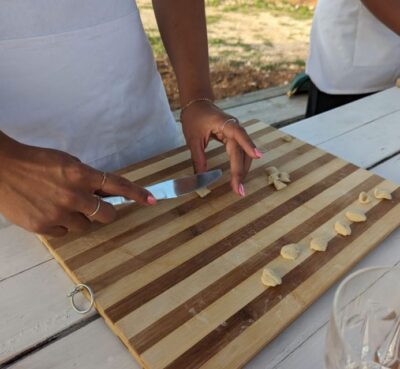
You’ll make the filling and then fold dumplings using learned folding techniques. The folding part is not just artistic. Good folding helps seal the dumpling, keeps filling from escaping during cooking, and influences how evenly heat reaches the filling and wrapper.
You also get the chicken option if you request it more than 48 hours in advance. That’s useful if you don’t eat pork, want variety, or just prefer chicken flavor. If you don’t request a switch early enough, plan on pork filling as the standard.
A big plus for confidence: the instructor guides you step by step and focuses on the mechanics. When people struggle with gyoza, it’s usually because they don’t know what “good” looks like—how much filling is right, how to form the pleats, and how to seal without tearing wrapper. This class is built to get you past those common frustrations.
Cooking together: yaki-gyoza, soup, and a side dish
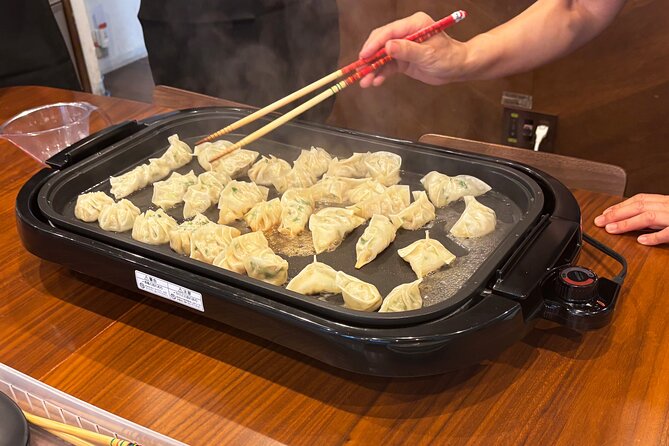
Once your dumplings are folded, you move to cooking—specifically pan-fried yaki-gyoza. Pan-frying is where gyoza becomes gyoza. The goal isn’t just heat; it’s texture. You want browned bottoms, a tender wrapper, and filling that stays juicy instead of shrinking into something sad.
You’ll cook the dumplings you made (including both handmade and store-bought batches). That’s another reason the comparison matters: you can see how wrapper type affects browning and mouthfeel.
Then you shift from dumplings to a simple Japanese meal setup. You learn how to prepare soup and a side dish to enjoy with your gyoza. Even though your hands are already busy, this part is useful because it trains you to think like a home cook: you’re learning how to pair food, not just execute one dish.
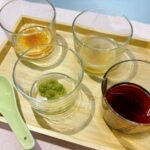
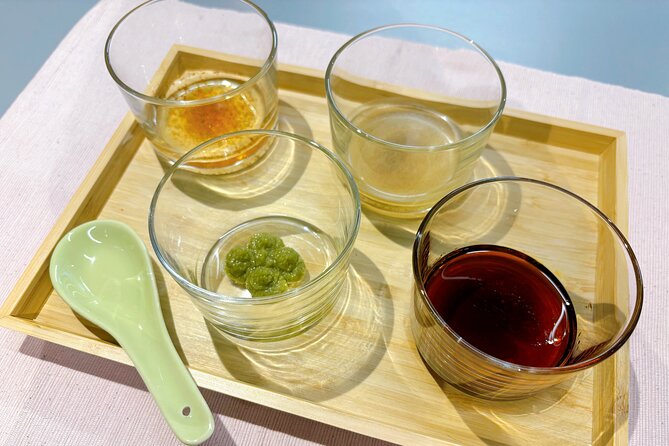
The class also includes several dipping sauces. This matters because gyoza is flexible. Some people prefer classic soy-vinegar styles, others like chili, garlic, or sweeter balances. Having multiple dipping options during the class helps you figure out your personal favorite flavor profile without guesswork.
Patia Kitchen studios in central Tokyo: small group, real kitchen work
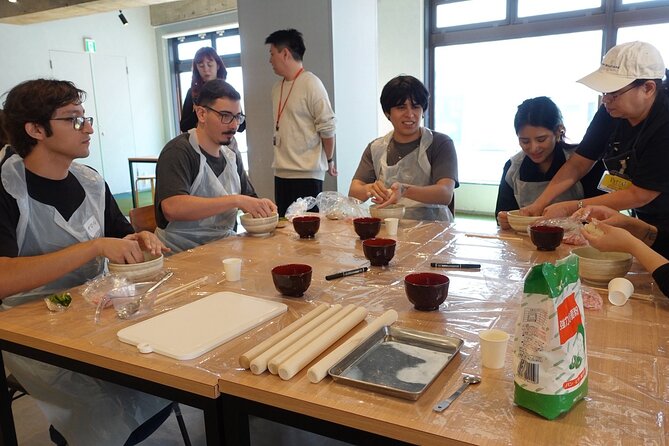
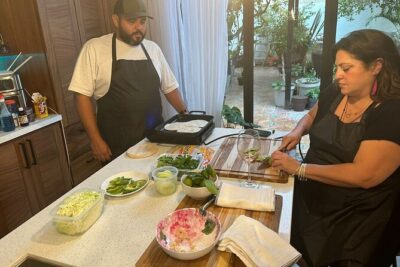
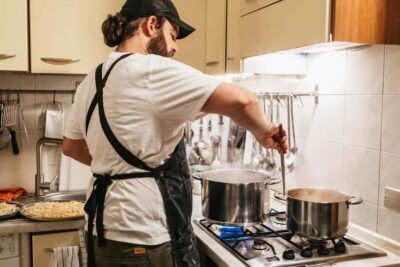
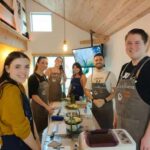
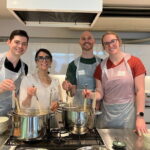
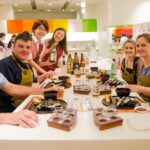
This class takes place at the Patia Kitchen studios in central Tokyo. The kitchens are modern and fully equipped, and the space is described as spacious, which makes a difference when you’re working with dough, knives, and hot pans. In smaller kitchens, you can feel cramped; here, you have room to focus.
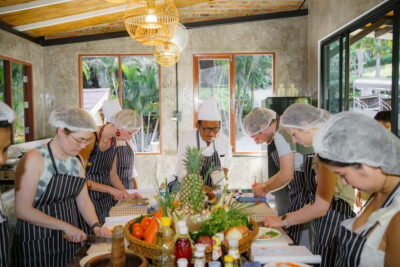
Group size is capped at 12 travelers. That’s a sweet spot. It’s small enough for the instructor to actually guide you, and it’s not so big that you spend half the class waiting for instructions. You also get practice rather than just watching.
You’ll find the studio near public transportation, so you’re not stuck planning a complicated commute. The class uses a mobile ticket, and it doesn’t include hotel pickup or drop-off. That means you’re in charge of getting there, but it also keeps the schedule simple and avoids the typical time sink of shared transfers.
If you’re traveling with kids, this is one of the few food experiences where the “hands-on” part is the main event. If you’re traveling solo or as a couple, the small group also means it’s easy to get comfortable quickly.
Sauces, digital photos, and an English recipe you can use
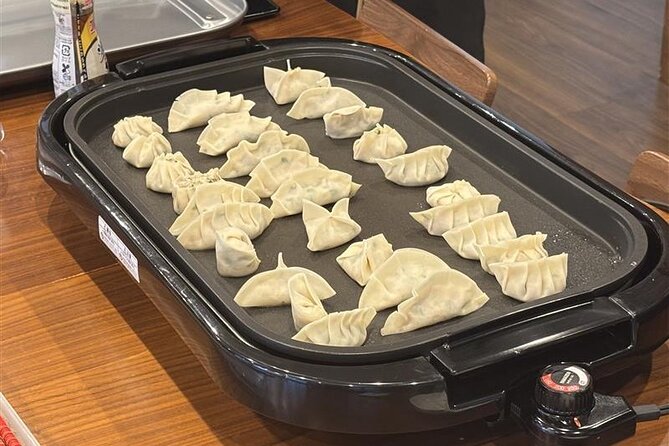
You’ll eat your gyoza with the dipping sauces included in the class, plus the soup and side dish you prepare. This turns the session into a full tasting experience, not just a cooking workshop.
You also receive English support materials. After the class, you get an English recipe you can use to recreate gyoza at home. For most visitors, that’s the real souvenir. A photo on your phone is nice, but an actual recipe you can follow again is what turns the experience into something you can repeat months later.
On top of that, you receive digital photos after the class. The class also mentions later-downloadable photographs during the experience, so you’re covered even if you’re busy cooking and can’t stop to take pictures every step.
If you like learning by doing, having the recipe in English is the difference between tasty memory and successful home cooking.

Price, time, and what you’re really paying for
The price is $92.24 per person for about 1 hour 50 minutes. That’s not cheap, but it’s also not just paying for food. You’re paying for:
- instruction in multiple skills (wrappers, filling, folding, pan-frying)
- ingredient use for a full meal experience (dumplings plus soup and a side dish)
- small-group attention in a central Tokyo studio kitchen
- an English recipe you can follow later
- digital photos as a souvenir
So the value is in the skills and the structure. If you only care about eating dumplings, there are cheaper options across Tokyo. If you want to leave knowing how to make them, this price is easier to justify.
One more detail that affects value: this experience is rated 5 out of 5 with strong satisfaction, and it’s recommended by 100% in the provided summary (based on 26 reviews). I wouldn’t treat that as a guarantee, but it’s a good signal that the class generally lands well for people who want hands-on cooking.
Also, chicken filling is available upon request with at least 48 hours notice. If you need that flexibility and you plan ahead, you get more control over what you eat.
Who should book this gyoza class
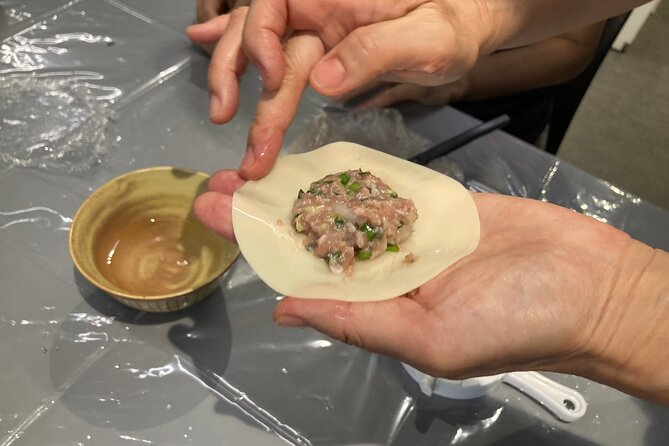
This is a great fit if you:
- want a genuinely hands-on cooking session, not a lecture
- care about learning the craft (wrappers, folding, pan-frying)
- like the idea of comparing homemade vs store-bought wrappers
- want an English recipe to bring home
- enjoy eating the results you make with multiple dipping sauces
It’s also a good choice for mixed ages since the class is described as suitable for kids to seniors. If you’re a beginner, the step-by-step instructor guidance should help you avoid getting overwhelmed.
If you’re short on time, make sure 1 hour 50 minutes is workable for your schedule, and plan your transit to the central Tokyo studio. And if you’re picky about filling type, request the chicken option in time.
Should you book this gyoza class?
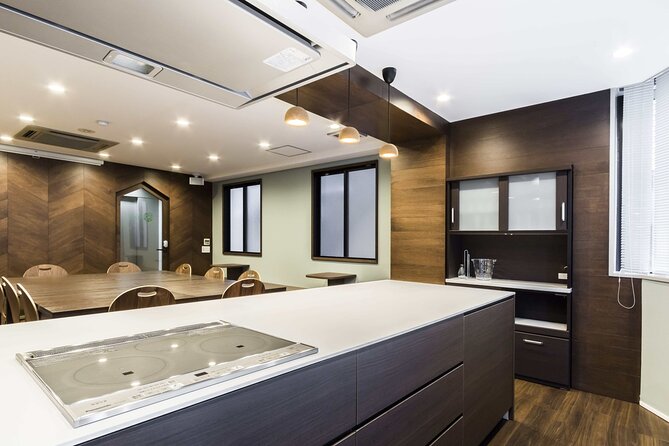
If you want to eat gyoza, you can do that anywhere. If you want to understand gyoza—how wrapper, filling, folding, and pan-frying create that final bite—this class is the kind of experience that actually changes what you do next time.
I’d book it if you’re the type who enjoys learning technique and then using it at home. The small group size, the wrapper-making focus, and the take-home English recipe and photos make it feel like more than a one-time meal.
If you’re only interested in eating and you’re hoping to skip the hands-on work, then you’ll probably prefer something simpler. But for most food travelers, this is a smart way to spend a chunk of your Tokyo time and leave with skills you’ll use again.
FAQ
What do I make in this class?
You’ll make gyoza wrappers and filling from scratch, fold the dumplings, and cook pan-fried yaki-gyoza. You also learn how to prepare soup and a side dish to enjoy with your gyoza.
Do you make the wrappers yourself?
Yes. You will make gyoza wrappers from scratch using fresh ingredients, then you also cook using store-bought wrappers so you can compare differences.
How long is the cooking class?
The class runs about 1 hour 50 minutes.
Is chicken filling available instead of pork?
Chicken filling is available upon request. You need to request the change at least 48 hours in advance to switch from pork to chicken.
Are meals included?
Yes. The experience includes meals, and you’ll enjoy the gyoza along with soup and a side dish.
Does the class include photos and a recipe?
You’ll receive later-downloadable photographs during the experience and an English recipe to recreate gyoza at home.
Is there hotel pickup or drop-off?
No. Hotel pickup and drop-off are not included, so you’ll travel to the studio on your own.
How big is the class?
The maximum group size is 12 travelers.
What if I need to cancel?
Cancellation is free up to 24 hours before the experience starts for a full refund. If you cancel less than 24 hours before the start time, the amount paid is not refunded.