REVIEW · TOKYO
Shibuya Tokyo: Onigiri & Tamagoyaki Cooking Class
Book on GetYourGuide →Operated by Sorisso · Bookable on GetYourGuide
Rice balls feel surprisingly technical. This small Shibuya Tokyo workshop at Sorisso turns onigiri into a hands-on skill lesson, from picking the right rice to wrapping with nori seaweed.
I love that you get clear, step-by-step coaching and leave with food you personally made: three rice balls and half a rolled omelet per person. The small group also keeps the work comfortable and personal, though you’ll handle transportation to and from the venue yourself.
In This Review
- Key things I’d bet you’ll care about
- A 90-minute onigiri and tamagoyaki class that feels practical
- What you’re actually making: 3 onigiri + half rolled omelet
- Rice choice and texture: the skill behind good onigiri
- Shaping techniques: triangles and creative designs
- Nori wrapping with intention, not guesswork
- Fillings: traditional comfort and modern twists
- The tamagoyaki side: rolled omelet practice in a small portion
- Enjoying the meal: eating what you built
- Sorisso’s cozy kitchen vibe (and why it helps you learn)
- English support that actually makes a difference
- What’s included in the $49 price (and what you should compare)
- Logistics that are easy to miss: transportation is on you
- Who this class is perfect for
- Should you book this onigiri and tamagoyaki workshop?
- FAQ
- How long is the onigiri and tamagoyaki cooking class?
- How many people are in the small group?
- What will I make during the class?
- Is the class taught in English?
- Is this class suitable for children?
- Can the class accommodate dietary restrictions or allergies?
- Is transportation included to and from the venue?
- Is there free cancellation?
Key things I’d bet you’ll care about
- Right rice, right texture: you learn what makes good onigiri rice work.
- Nori wrapping technique: the class focuses on how the seaweed is used and handled.
- Shaping goes beyond triangles: you’ll practice classic forms and creative designs.
- Fillings that range from traditional to modern: you try options including vegetarian ideas.
- English support in a tiny kitchen: max 8 people means real attention at your station.
A 90-minute onigiri and tamagoyaki class that feels practical
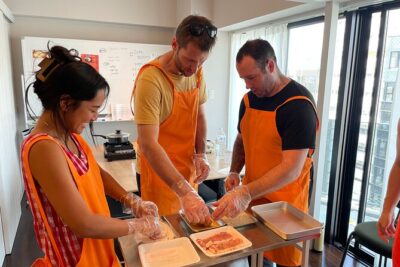
Shibuya Tokyo is a fun place to visit, but this class adds something even better: a chance to learn cooking skills you can repeat at home. In about 90 minutes, you’ll work through making onigiri (rice balls) and a tamagoyaki-style rolled omelet portion, guided in English by the host team at Sorisso.
This isn’t a big show or a lecture. It’s more like a friendly kitchen lesson where you do the steps, make the food, and then eat what you made. That hands-on format is the whole point—and it’s why I think the time flies.
You can also read our reviews of more tours and experiences in Tokyo.


What you’re actually making: 3 onigiri + half rolled omelet
The class is built around a straightforward payoff: you’ll make 3 rice balls and half a portion of rolled omelet. That portion size is smart. You get enough practice to feel confident without spending your whole day cooking.
You’ll also be experimenting along the way. The lesson covers choosing the right rice and nailing the texture, then moving into wrapping techniques with nori seaweed. After that, you’ll shape the onigiri and add fillings—everything from more traditional choices to modern interpretations (including vegetarian options).
Rice choice and texture: the skill behind good onigiri
One of the best parts is that the teaching starts at the foundation: rice. If you’ve ever wondered why some onigiri taste comforting and others feel dry or off, this is the reason. The class focuses on the nuances of selecting the right rice and getting the feel right after cooking.
Why that matters for you: onigiri is deceptively simple. It’s only rice, seaweed, and fillings—but it lives or dies by texture. Learning what to look for (and how it should feel in the process) gives you a template you can use even when you’re cooking at home.
Shaping techniques: triangles and creative designs
Once the rice is ready, you’ll practice shaping. The instruction covers classic forms like triangles, but it also encourages creativity. That’s a good sign for beginners, because you’re not being judged for making it perfect—you’re learning the motion, the pressure, and the basic shape.
In other words, you’re not just copying. You’re understanding how the rice behaves when you shape it. That’s the difference between leaving with a souvenir photo versus leaving with a repeatable method.
Nori wrapping with intention, not guesswork
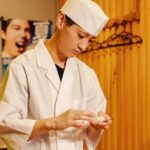
Nori seaweed is where many people mess up when they try on their own later. In this class, you learn traditional wrapping techniques using nori, so you’re not stuck figuring it out from memory or from a YouTube clip.
The key advantage is technique. You’ll see how the seaweed is applied and how it should hold its role with the rice ball. And because you’re doing it right next to the host, you can fix small mistakes immediately instead of rewriting the process later.



Fillings: traditional comfort and modern twists
Onigiri is more than a rice vehicle. Part of the lesson is exploring a variety of fillings, including traditional options and newer ideas. You’ll also have vegetarian choices included in the mix.
For your planning, this matters because fillings change everything: flavor, salt level, and how the rice ball feels when you bite in. By sampling multiple kinds, you’ll learn what combinations work—and what doesn’t—without having to buy a week’s worth of ingredients.
The tamagoyaki side: rolled omelet practice in a small portion
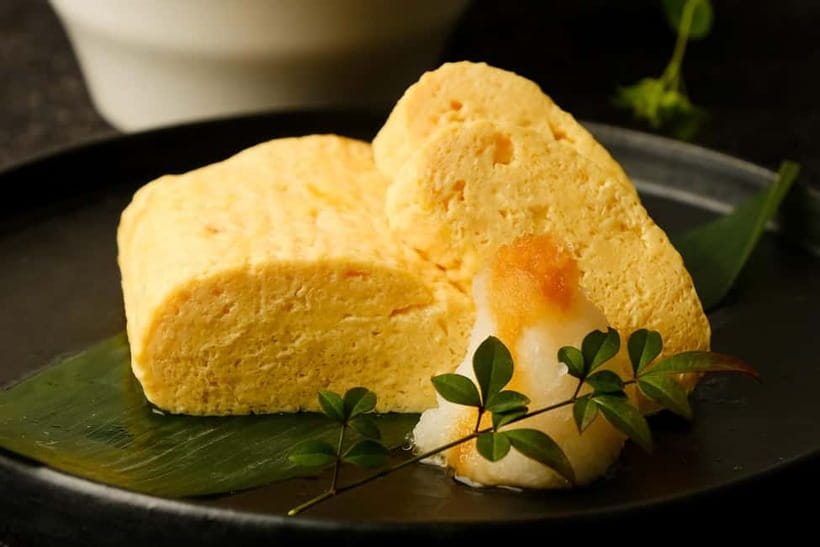
You’ll also make a tamagoyaki-style rolled omelet portion—half per person. Even though it’s not the full dish, it’s a useful introduction to rolling and portioning, and it rounds out the meal with something distinct from the rice ball texture.
I like that the class doesn’t pretend everyone can produce restaurant-level tamagoyaki in a short session. You get a workable portion and real guidance, which is exactly what you want from a 90-minute workshop.
Enjoying the meal: eating what you built
After the hands-on work, you share the food you made. That’s more than just a nice moment at the end. Sitting down and eating your own onigiri helps you connect the technique to the results—rice texture, wrapping feel, and filling balance all show up in the bite.
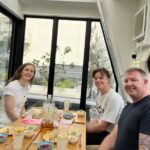
One nice touch: when the class stays small, sharing the meal with the people around you feels easy. In at least some sessions, the group can be very small, which makes the whole experience feel less like a class and more like a friendly food get-together with structured instruction.
Sorisso’s cozy kitchen vibe (and why it helps you learn)
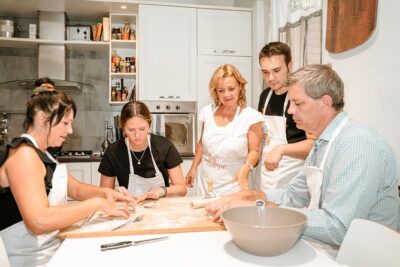
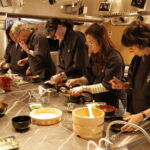
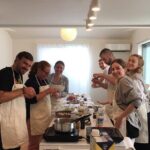
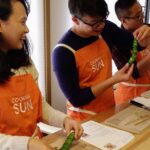
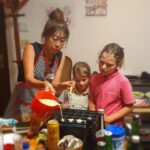
The setting matters for cooking classes, and this one keeps things comfortable. The instruction takes place in a small shop with a cozy kitchen setup, but there’s enough space to work comfortably at your station.
The staff also get the basics right: friendly, encouraging energy and very clear guidance. With an English-speaking host and a small-group format (limited to 8 participants), it’s easier to ask questions and adjust your technique while you’re still in the moment.
English support that actually makes a difference
If you’re worried about terminology, don’t be. The class is taught in English, and the host guides each step so you can keep up. Clear instructions are especially important for cooking tasks like shaping and wrapping, where a tiny correction can prevent the whole rice ball from turning into a sticky mess.
This is also why the small group size is valuable. When you’re not waiting for the instructor to finish with everyone else, you spend more time practicing the steps that matter.
What’s included in the $49 price (and what you should compare)
The cost is $49 per person, and the value comes from what you’re given, not just the instruction. You get a cooking class, ingredients and utensils to make 3 rice balls and a half portion of rolled omelet, plus an apron rental.
You also take home recipes and a small souvenir. That recipe booklet part matters more than you might think. If you want to re-create what you learned, having the notes and method in your hands beats guessing later.
Compared to doing this on your own in Tokyo, the savings aren’t always obvious at first. Store-bought ingredients can run up quickly if you’re buying rice, nori, fillings, and omelet ingredients without knowing what you need. Here, you’re paying for guided use of everything in the right amounts—plus the coaching that helps you avoid waste.
Logistics that are easy to miss: transportation is on you
One practical note: transportation to and from the venue isn’t included. That’s normal for small cooking workshops, but it changes your planning. Build in time to get there on your own, especially if you’re hopping between neighborhoods.
The location is described as easy to find, which helps. Still, if you’re traveling with limited time or you hate navigating new areas, give yourself a buffer.
Who this class is perfect for
This workshop is a strong fit if you want real cooking skills in a short window. It’s also a good choice if you don’t have experience. The class is structured for beginners, and the host guidance is there to get you moving confidently.
I’d especially recommend it if you:
- Want a hands-on food experience with small-group attention
- Like learning foundational techniques (rice, shaping, nori use)
- Prefer a vegetarian-friendly option among the fillings
- Want a takeaway recipe booklet for cooking at home
It’s also a solid family option for older kids, but there’s one limit: it’s not suitable for children under 5.
Should you book this onigiri and tamagoyaki workshop?
Book it if you want more than tasting Japanese food—you want to make it. The combination of onigiri rice technique, nori wrapping practice, shaping (including triangles and creative designs), and tamagoyaki rolling in one compact session is exactly the kind of skill-building experience that pays off later.
Skip it only if you’re looking for a long, multi-stop food tour or you’re not comfortable handling transportation logistics on your own. Otherwise, for $49 and 90 minutes, this is a practical, confidence-building class with a cozy kitchen feel and English coaching that helps you get it right.
FAQ
How long is the onigiri and tamagoyaki cooking class?
The class runs for 90 minutes.
How many people are in the small group?
It’s limited to a maximum of 8 participants.
What will I make during the class?
You’ll make 3 rice balls and a half portion of rolled omelet per person.
Is the class taught in English?
Yes. The instructor/host guidance is in English.
Is this class suitable for children?
It’s not suitable for children under 5 years.
Can the class accommodate dietary restrictions or allergies?
You can let them know in advance and they will do their best to accommodate where possible. Gluten-free options may be available upon request, but it is not suitable for guests with severe or life-threatening food allergies.
Is transportation included to and from the venue?
No. Transportation is not included.
Is there free cancellation?
Yes. You can cancel up to 24 hours in advance for a full refund.