REVIEW · SEOUL
Korean Cooking Class Full Meal with BBQ on an All in One Table
Book on Viator →Operated by Soop Table: The Hansik Atelier · Bookable on Viator
Korean food tastes better when you make it. This hands-on class at Soop Table: The Hansik Atelier turns a full Korean meal into your project, in a calm kitchen inspired by traditional Hanok architecture. You’ll work with seasonal vegetables and fermented pastes like doenjang and gochujang, and you’ll eat like Koreans do: everything planned to land together on one table.
Two things I really like about the setup. First, you’re not just watching or sampling—you’ll cook multiple dishes yourself, then plate your own bibimbap the way you like it. Second, the lesson structure is built around real Korean dining timing, not a Western-style sequence of one item at a time.
One consideration: this is not a market-and-street “food tour.” If you’re hoping to wander around buying snacks or doing lots of outside stops, you’ll want a different kind of tour.
In This Review
- Quick highlights you’ll care about
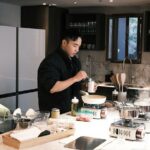
- Soop Table in Mapo-gu: Hanok vibes and a kitchen made for cooking
- The 3-hour Korean table flow: tea, banchan, bibimbap, BBQ, dessert
- 1) A seasonal welcome tea to start the clock
- 2) Four kinds of Korean side dishes (banchan)
- 3) Choose your main dish and your soup or stew
- 4) Plate your own bibimbap (your style, your choices)
- 5) Eat the meal the Korean way: grilled pork belly and more
- 6) Make a popular Korean dessert together
- Banchan practice: seasonal vegetables, fermented flavor, and real table building
- Bibimbap plating: the fun skill you’ll actually remember
- BBQ on an all-in-one table: what you cook vs what the chef handles
- Price and value in Seoul: is $89 worth it?
- Who this Korean cooking class is perfect for (and who should skip)
- Tips to get the most from your 3-hour session
- Should you book this Seoul cooking class?
- FAQ
- Where does the class start?
- How long is the Korean cooking class?
- How many people are in the class?
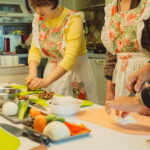
- Is this class hands-on?
- Do I choose what I cook for the main dish and soup or stew?
- Is bibimbap included?
- Do we eat grilled meat as part of the meal?
- Is dessert included?
- What ticket type do I receive?
- What is the cancellation policy for a full refund?
Quick highlights you’ll care about
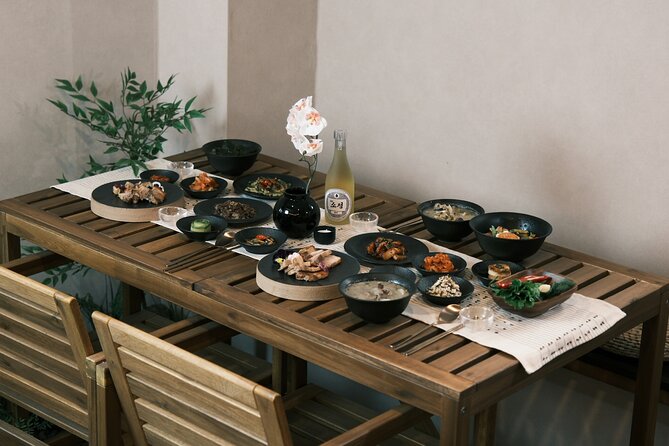
- Hanok-inspired studio kitchen that feels calm and special, not like a school cafeteria
- Full-meal format: tea, 4 banchan, soup/stew, main, bibimbap plating, then dessert
- BBQ is chef-served (grilled pork belly), so you focus on cooking everything else
- Small group size (max 8) for more attention and smoother instruction
- Fermented staples like doenjang and gochujang are part of the experience, plus some ingredients from the chef’s hometown
- Host coordination: Woody checks in about dinner choices and timing after you book
Soop Table in Mapo-gu: Hanok vibes and a kitchen made for cooking
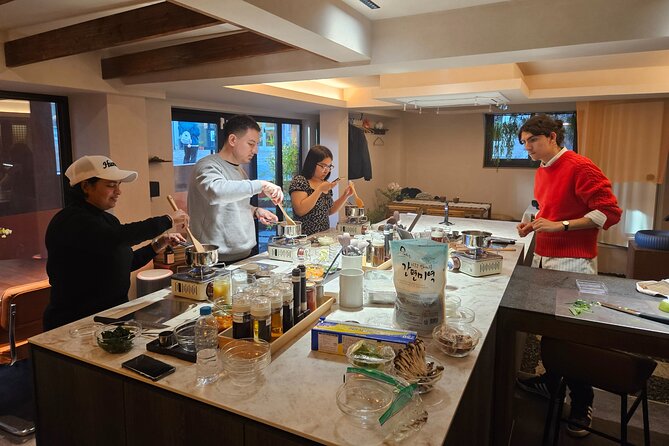
The experience starts at Soop Table: Korean Cooking Class in Mapo-gu, near public transportation (Donggyo-ro 46-gil, 34 1층). It’s the kind of location that makes sense for a day in Seoul: you can reach it without a huge hassle, and you’re back where you started when the class ends.
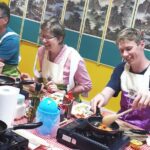
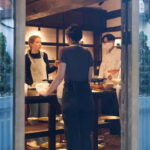
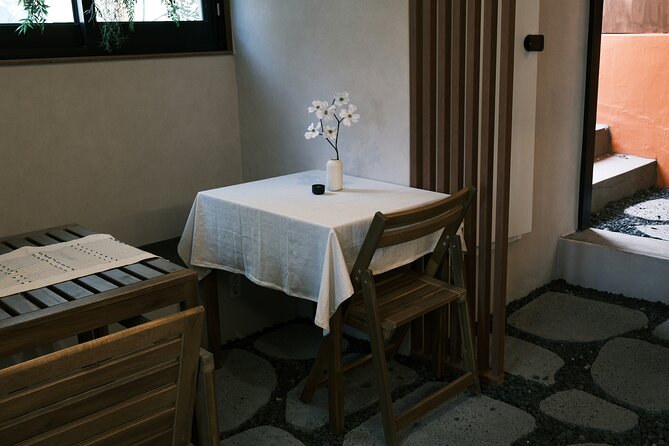
Inside, the space has that “you’re here for something” feeling. One review called out the ambience and even noted a lava and slate walkway, which sounds like exactly the sort of detail that helps you switch modes from sightseeing to slow, focused cooking. The kitchen itself is described as well-equipped and inspired by traditional Hanok architecture—so you get the cozy, lived-in atmosphere that supports hands-on work.
Why that matters for you: when you’re cooking, you want enough room to move, clear instructions, and a place that doesn’t rush you. A setting like this helps the class feel like a real home-style meal project rather than a timed production line.
You can also read our reviews of more tours and experiences in Seoul.
The 3-hour Korean table flow: tea, banchan, bibimbap, BBQ, dessert
The class runs about 3 hours, which is a sweet spot. Long enough to actually cook, but not so long that you’re stuck indoors all day with a growling stomach.
Here’s how your time is likely to move, in the same spirit as the class description:
1) A seasonal welcome tea to start the clock
You begin with a seasonal Korean welcome tea. It’s a small start, but it helps you settle in. You’re not launching straight into chopping and stirring—you’re getting oriented and in the right mood for the meal.
2) Four kinds of Korean side dishes (banchan)
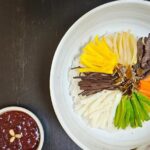
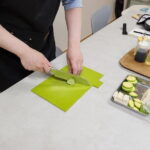
Next comes what many people think of as the heart of Korean meals: banchan. You’ll make four kinds using fresh vegetables, guided toward Korean ways of handling ingredients and balancing flavors.
This is where the fermented-paste theme shows up. You’ll work with ingredients like doenjang and gochujang, and the class description notes that some pastes and ingredients are brought directly from the chef’s hometown. That matters because it’s not just “learn a recipe.” It’s more like: learn the ingredients that shape Korean flavor year-round, and understand why they show up again and again.
A practical tip for you: watch your sauce proportions and taste as you go. Korean banchan often feels simple at first glance, but the difference is in how well the seasoning is adjusted to the vegetable you’re using.
3) Choose your main dish and your soup or stew
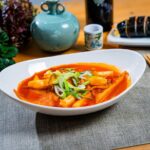
Then you switch from sides to a bigger decision. You pick one main dish and one soup or stew based on your taste. That choice keeps the class from feeling generic, and it also helps you eat something you genuinely want after you work for it.
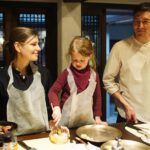
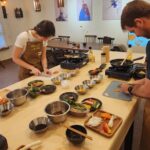
Unlike some cooking classes that send you home with a single “showpiece” dish, this one is designed for a full table. The class description also calls out that Korean meals are served all at once, and the plan reflects that. In other words, you’re cooking with the goal of timing and coordination, not just finishing tasks.
4) Plate your own bibimbap (your style, your choices)
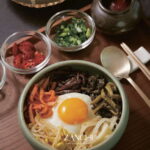
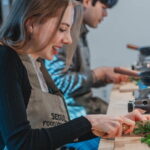
You’ll plate bibimbap and get to do it visually—your dish, your style. That’s a big part of the experience, and a glowing review specifically praised the presentation angle as a highlight.
This is worth paying attention to. In many places, you can eat bibimbap and still never see how people build it. Here, you learn how the components come together as one bowl: the balance of textures, color, and how everything sits so it’s ready for mixing.
If plating sounds stressful: it doesn’t need to be. Think of it as organization. Keep your ingredients separated until the moment you mix or eat, and aim for neat placement rather than perfect symmetry.
5) Eat the meal the Korean way: grilled pork belly and more
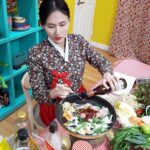
During the meal, the chef serves grilled pork belly BBQ, and you’ll also get a taste of traditional liquor. BBQ is the one part you don’t cook yourself. The class keeps you hands-on for the dishes you prepare, then brings in the chef for the BBQ so you can enjoy the meal without juggling too many heat-heavy tasks at once.
For you, this works well if you want both: skill-building in the kitchen, plus the pleasure of letting a chef handle the grilling at the right moment.
6) Make a popular Korean dessert together
After eating, you’ll make a popular Korean dessert together. This is a nice endcap because it shifts you from savory focus to something lighter and playful. It also gives you a final “I did that” moment before you head back out.
Banchan practice: seasonal vegetables, fermented flavor, and real table building
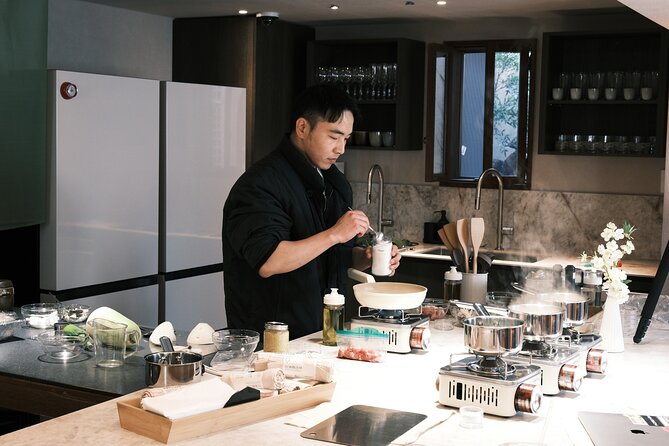
Banchan is where Korean cooking can feel deceptively hard—until you understand the logic. The class is structured around making four kinds of side dishes with seasonal vegetables. That means your banchan aren’t random side quests; they’re part of a balanced table.
You’ll also learn essential sauces and ingredients, and how they connect to nature and season. Even without getting overly technical, you’ll see how ingredients like doenjang and gochujang fit into everyday Korean flavor—savory, salty, tangy, and spicy in ways that make the rest of the meal taste more coherent.
And yes, you’ll taste it as a table. That’s the point: you’re not cooking and then waiting to eat. The class is designed so the banchan, soup/stew, main, and bibimbap come together as you’d experience a Korean meal in real life.
If you’re worried about language barriers, don’t. Reviews praised instructions as easy to follow, and the host Woody reached out to confirm dinner choices and timing. That kind of prep helps you walk in knowing what to expect.
Bibimbap plating: the fun skill you’ll actually remember
Bibimbap is often treated like a single dish, but the magic is in the assembly. This class leans into that. You’ll plate it yourself, and the focus on presentation isn’t decorative—it’s practical.
When you build a bibimbap bowl, you’re learning:
- how to keep components separate so textures stay distinct until mixing
- how to distribute ingredients so every bite gets a mix
- how the bowl becomes a visual map of the meal
One of the reasons this class earns strong ratings is that it makes presentation feel teachable, not intimidating. You leave with an understanding of how Korean dining turns “food” into an organized meal you share.
BBQ on an all-in-one table: what you cook vs what the chef handles
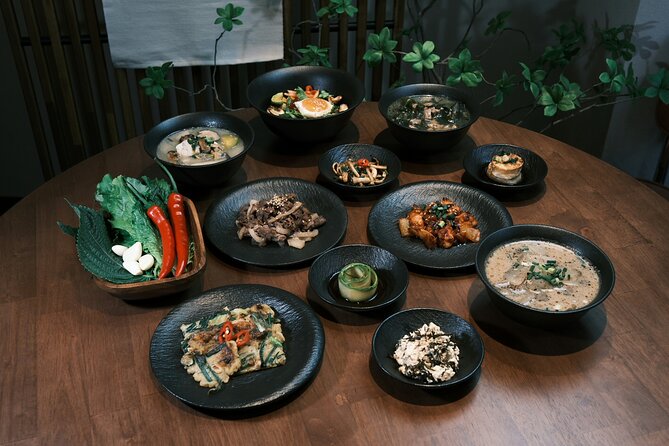
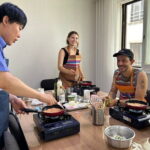
A key detail here is the cooking division of labor. Everything you prepare is in your hands, except for the BBQ, which is served by the chef. You still get the Korean table experience—grilled pork belly BBQ plus a taste of traditional liquor—without turning the whole session into chaos.
Why that’s a good trade for your time: grilling requires heat control and timing. If you had to manage grilling while also finishing soup/stew and plating bibimbap, you’d spend more energy multitasking than learning.
So you get the best of both worlds:
- You do the hands-on cooking for the core dishes.
- You enjoy the BBQ when it’s ready, as part of the shared meal rhythm.
Also, the “all-in-one table” approach is a quiet but important cultural point. Korean meals are meant to be communal and interactive. Even if you’re eating with strangers in a small class group, the table layout and timing encourage you to treat the meal as one event, not a set of separate dishes.
Price and value in Seoul: is $89 worth it?
At $89.00 per person, this isn’t a budget snack class. But it’s also not a short “taste and go” experience. For the money, you’re buying several things at once:
- a full meal experience (banchan, soup/stew, main, bibimbap plating, dessert)
- hands-on cooking for the dishes you make
- a small group format (max 8), which generally means you get more attention and better pacing
- ingredient access you might not recreate easily on your first attempt, including fermented pastes like doenjang and gochujang
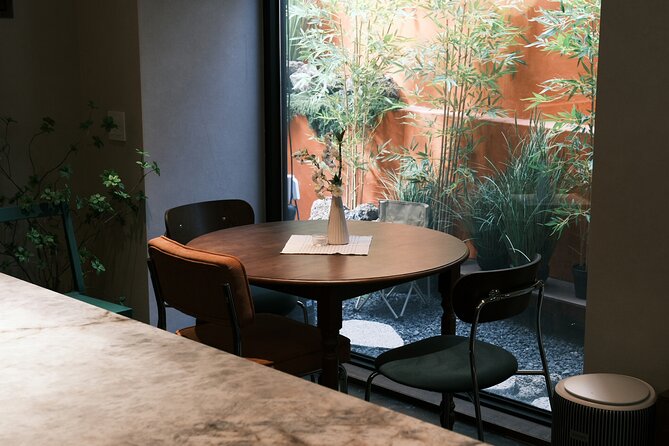
- a studio-style setting inspired by Hanok architecture, plus BBQ and traditional liquor as part of the meal
In other words, you’re paying for an entire session of guided cooking plus the food outcome. If your goal is to learn how Korean cooking actually becomes a table—then $89 starts to feel like a fair “skills + meal” price.
If your goal is mostly to collect photos or just nibble interesting bites, you might decide it’s better to choose a different type of Seoul food experience. This one is cooking-first.
Who this Korean cooking class is perfect for (and who should skip)
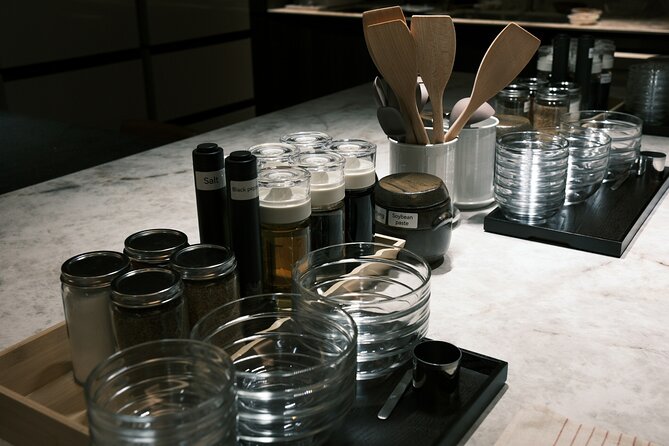
This fits best if you want:
- real hands-on instruction in Seoul without needing a car or complex travel
- a full Korean table experience (not a market wander)
- to learn more about fermented ingredients and how they show up in everyday cooking
- a small group class where you can focus
It’s also a strong option for couples. One review mentioned booking the class for a girlfriend, and the structure supports that: you cook together, eat together, then wrap up with dessert.
You might skip it if:
- you’re specifically craving a market tour or outdoor sightseeing
- you dislike any structured choices (because you do pick a main dish and a soup/stew based on your taste)
- you prefer classes where everything is hands-on, including grilling (here, BBQ is chef-served)
Tips to get the most from your 3-hour session
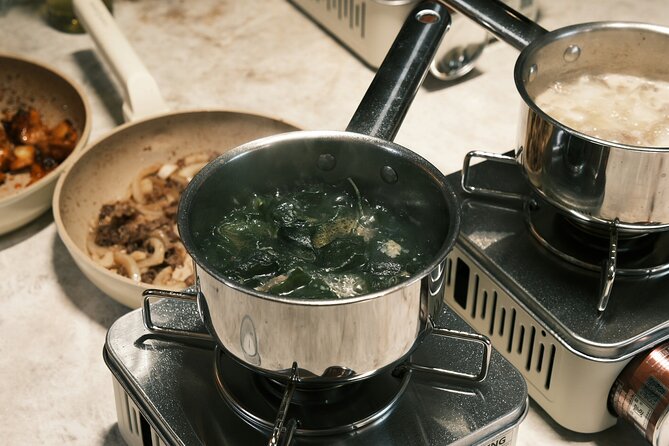
Keep these in mind before you go:
- Go hungry. You’re making and eating a full table, plus dessert.
- Pay attention early to fermented sauce use. That’s the flavor backbone for a lot of Korean dishes.
- Don’t rush the plating. Bibimbap looks like art, but it’s also about order.
- If you have a preference for the main dish or soup/stew, think about it before you arrive. Woody is described as confirming dinner choices and timing after booking, so responding promptly helps.
And wear comfy clothes. You’ll be standing and moving during active cooking, even if it’s a calm kitchen.
Should you book this Seoul cooking class?
I think you should book this Korean cooking class if you want a focused, authentic cook-and-eat experience in Seoul—one where you learn Korean table-building, not just Korean flavors. The small group size, the Hanok-inspired studio setting, and the full-meal structure (including bibimbap plating, chef-served BBQ, and dessert) make it a solid value.
Skip it if you’re chasing a street food vibe or a market tour. This is about cooking in a kitchen and enjoying the shared meal rhythm afterward.
If you’re on the fence, your best move is to decide what you want more: time outside, or time learning how Korean home cooking comes together.
FAQ
Where does the class start?
The meeting point is Soop Table: Korean Cooking Class, South Korea, Seoul, Mapo-gu, Donggyo-ro 46-gil, 34 1층.
How long is the Korean cooking class?
It lasts about 3 hours.
How many people are in the class?
The maximum group size is 8 travelers.
Is this class hands-on?
Yes. You cook every dish yourself, except for the BBQ, which is served by the chef.
Do I choose what I cook for the main dish and soup or stew?
Yes. You choose one main dish and one soup or stew based on your taste.
Is bibimbap included?
Yes. You’ll plate your own bibimbap beautifully.
Do we eat grilled meat as part of the meal?
Yes. During the meal, the chef serves grilled pork belly (BBQ).
Is dessert included?
Yes. After eating, you make a popular Korean dessert together.
What ticket type do I receive?
You receive a mobile ticket.
What is the cancellation policy for a full refund?
You can cancel up to 24 hours in advance for a full refund.