REVIEW · SIEM REAP
Siem Reap Cooking Class
Book on Viator →Operated by Angkor Wat Shared Tours · Bookable on Viator
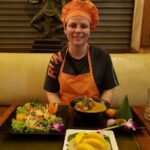
Skip Angkor for a hot meal lesson. This Siem Reap class pairs a market tour with hands-on Khmer cooking at a garden pavilion, guided by Chef Dee. You’ll learn practical steps, then sit down with the food you made.
I like that you get a guided ingredient hunt first, including items shown separately and even some that come from Dee’s garden. I also love the payoff: you cook three dishes (starter, main, dessert) and then eat them, so the class isn’t just about photos.
One thing to keep in mind is that the experience depends on good weather and meeting a minimum number of participants, so plan for a little flexibility.
In This Review
- Key Points You Should Care About
- Market Tour First: Learn Khmer Ingredients Without Guesswork
- Chef Dee’s Garden Pavilion: The Setup Makes Cooking Feel Doable
- What You’ll Cook in 3 Hours: Starter, Main, Dessert Options
- Your Time Plan: Pickup, Market, Cooking, and Eating
- Small Group Cooking: Why the Max 8 Size Is a Real Benefit
- Dietary Needs and Skill Levels: Beginner-Friendly and Adaptable
- Value for $35: What You’re Really Paying For
- Tips to Make the Most of Your Khmer Cooking Class
- Should You Book This Siem Reap Cooking Class?
- FAQ
- How long is the Siem Reap cooking class?
- Where does the experience start and end?
- Do they pick me up from my accommodation?
- What dishes will I cook?
- Do I need cooking experience to join?
- How many people are in the group?
- What if the class can’t run due to weather or the minimum number of participants?
Key Points You Should Care About
- Market tour before cooking: get oriented to Khmer ingredients and what goes into each dish
- Chef Dee runs the class: hands-on teaching focused on the basics you can repeat at home
- Three dishes, one meal: you choose a starter, main, and dessert to make and eat
- Small group size: up to 8 people, which keeps questions from getting lost
- Built for beginners and families: no cooking experience required, child-friendly, good for groups
- Vegetarian options may be possible: recipes can be adapted for dietary needs
Market Tour First: Learn Khmer Ingredients Without Guesswork
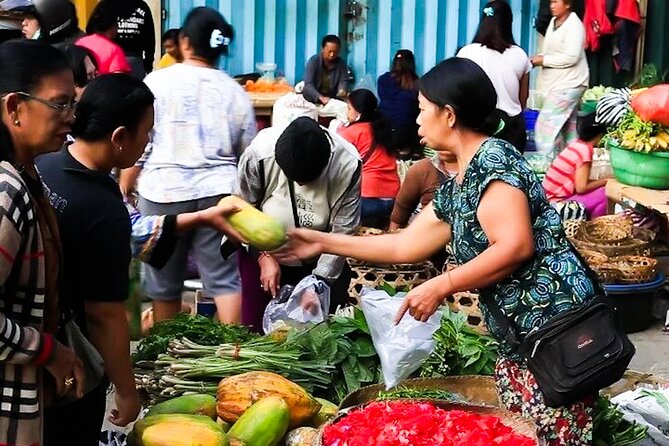
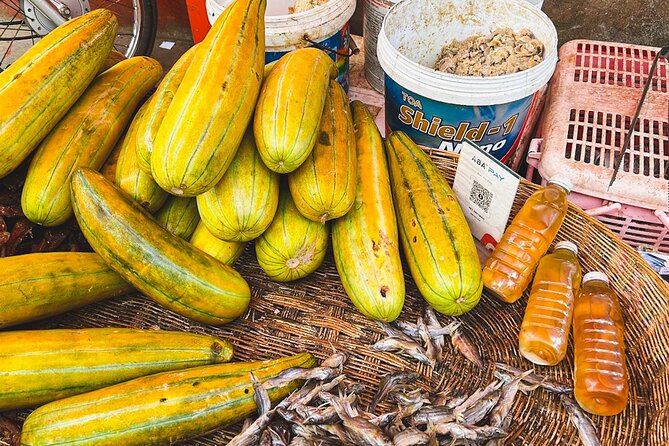
A lot of cooking classes jump straight to the stove. This one starts with a market tour, and that makes the rest of the lesson click faster. You’ll go out with a local guide and Chef Dee, then look for ingredients used in classic Khmer dishes. The point isn’t to memorize a list. It’s to understand what you’re working with—how ingredients look, what they’re called, and how they function in Khmer cooking.
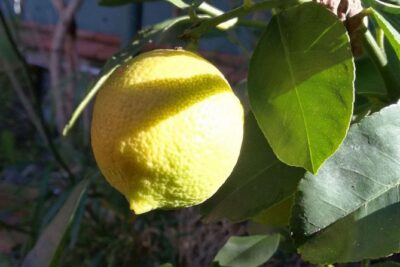
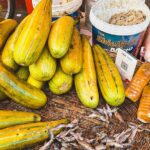
In particular, I like the way Dee teaches ingredients separately rather than throwing everything into one big pile. Some items come from her garden, so the market trip feels tied to real sourcing, not just tourism. You’ll also see fruits, vegetables, fish, and meats up close, which helps you stop thinking of the menu as a mysterious set of labels.
If you’ve been to Siem Reap markets before, you might still enjoy this step because it’s practical. You’re not shopping for souvenirs. You’re collecting clues for the three dishes you’ll cook later.
You can also read our reviews of more tours and experiences in Siem Reap.
Chef Dee’s Garden Pavilion: The Setup Makes Cooking Feel Doable
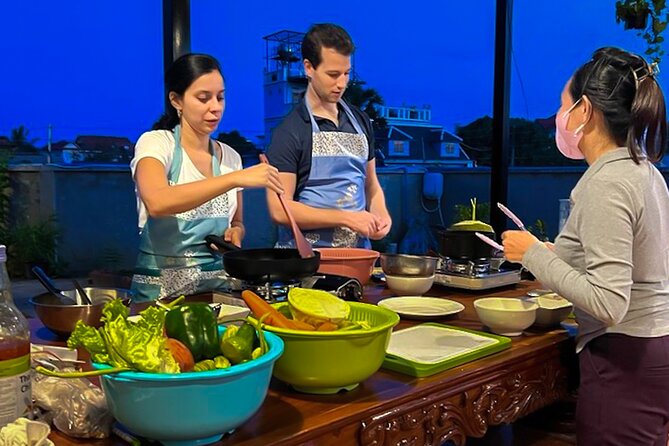
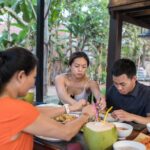
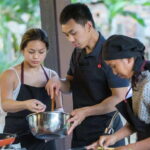
After the market, you head to the cooking spot: a purpose-built garden pavilion. This matters more than it sounds. It’s not a random kitchen corner with cramped space. You’re in a setting that’s designed for an interactive class, so you can actually cook while learning.
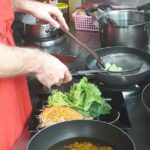
The class is led by Chef Dee, and the teaching style is hands-on. You’ll learn basic processes for Khmer dishes and then practice them yourself. In the experience, people are taught to cook from the start, so you don’t need confidence with knives, sauces, or unfamiliar spices.
Practical touches also help: the kitchen is described as very clean, and cold water is provided throughout the activity. Those sound like small details until you’re standing over hot pans for a couple hours. It makes the whole session feel comfortable rather than stressful.
And because the group is capped at a maximum of 8 participants, the pace stays human. You can ask questions without feeling like your hand is waving in the void.
What You’ll Cook in 3 Hours: Starter, Main, Dessert Options
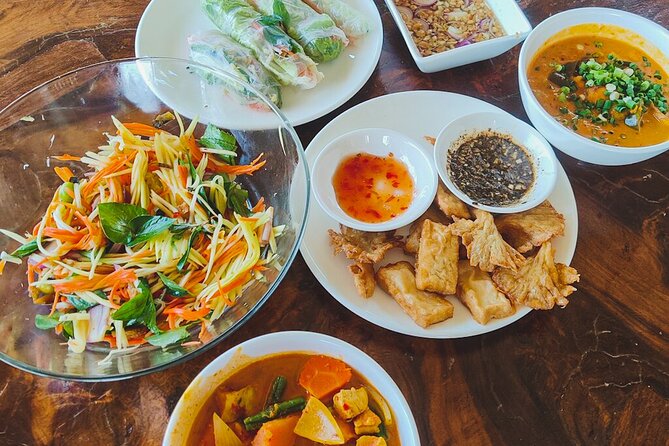
The format is simple and satisfying: you choose three dishes from the Khmer menu, typically one starter, one main, and one dessert. Then you cook them during the lesson and eat what you make afterward.
Here are the dish examples you can expect to see offered:
- Fish Amok (served with steam rice)
- Spring rolls, vegetable or meat
- Bananas in palm sugar with coconut juice
What I like about this selection is that it covers different cooking styles: something steamed and savory, something fried or rolled, and something sweet. That variety gives you a better sense of Khmer flavors rather than repeating one technique three times.
Also, the class is built around basics. So even if you don’t plan to cook Khmer food at home every week, you’ll leave with repeatable techniques—like how to prep components, how to balance flavors, and how to manage timing while multiple elements cook.
If you’re traveling with people who have different comfort levels in the kitchen, this setup helps. You can produce an impressive-looking meal even if your skills are still forming.
Your Time Plan: Pickup, Market, Cooking, and Eating
This class runs about 3 hours. That’s a good length for a half-day plan: enough time to shop, cook, and eat, without eating up your entire day.
Pickup is offered, which is ideal in Siem Reap when temple days already require mental logistics. You’ll be collected from your accommodation—just make sure you provide your lodging details when you book, along with a contact number.
If you’re not getting pickup, the meeting point is:
- Start: Siem Reap Pub Hostel, behind Angkor Night Market (Siem Reap, Cambodia)
The activity ends back at the meeting point.
There’s also mention of mobile ticket and that the location is near public transportation. Translation: you likely won’t feel trapped if your plans change or your tuk-tuk driver needs a better landmark.
Also, the experience is popular enough that it’s typically booked about 33 days in advance. If you’re traveling in peak season or on a tight temple schedule, booking early helps.
Small Group Cooking: Why the Max 8 Size Is a Real Benefit
A max group size of 8 people might sound like a brag line. In practice, it changes the class experience.
With a smaller group:
- the chef can check what you’re doing,
- questions get answered without cutting off your cooking,
- and you spend less time waiting for the next step.
That’s a big deal for learning. Cooking isn’t passive. You’re doing things with your hands, and you need feedback while it’s still easy to fix.
It’s also one reason the class is good for groups and students. If you’re traveling with friends, you’ll have a shared activity that still feels personal. If you’re learning as a skill, you’ll get the kind of attention that helps you connect instruction to technique.
Dietary Needs and Skill Levels: Beginner-Friendly and Adaptable
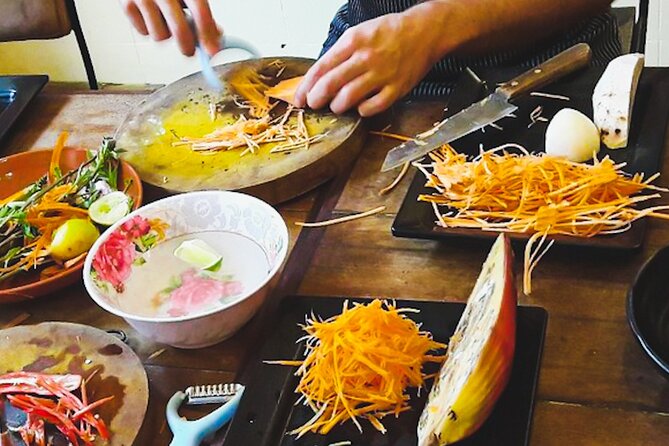
The class is explicitly beginner-friendly—no prior cooking experience is required. That’s exactly what you want if you’re coming straight from Angkor temple walks and don’t want to spend your afternoon feeling “behind.”
There’s also evidence that the chef can adapt recipes for dietary preferences. One example mentioned is vegetarian adaptation. So if your group has vegetarian needs, it’s worth asking when you book so the menu can match your situation as closely as possible.
For families, it’s described as child-friendly. That’s a good sign for energy levels and pacing. Just keep expectations realistic: it’s still a hands-on cooking class with hot items involved, so kids may need extra supervision and careful handling.
Value for $35: What You’re Really Paying For
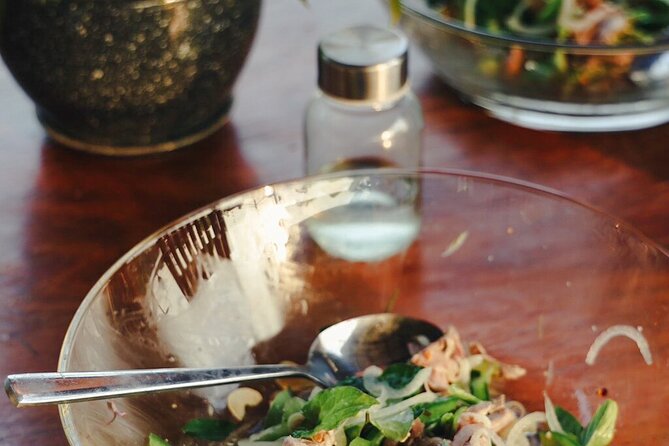
At $35 per person, you’re not just buying a meal. You’re paying for a full package:
- market tour with a local guide,
- chef-led teaching,
- hands-on cooking for three Khmer dishes,
- and you get to eat what you cook.
When you break it down, the best value is the learning-to-eating ratio. Many tours show you food. This one helps you make food, then you taste your results immediately. That’s how you actually remember techniques later.
The other value point is structure. In Siem Reap, it’s easy to spend a lot of time hopping around. This class keeps the day tight: market, then garden pavilion, then dinner—no complicated maze of stops.
One more practical value factor: the class is designed for small groups and includes pickup when requested. Those details reduce friction, and friction is what turns a “great plan” into a “meh afternoon.”
Tips to Make the Most of Your Khmer Cooking Class
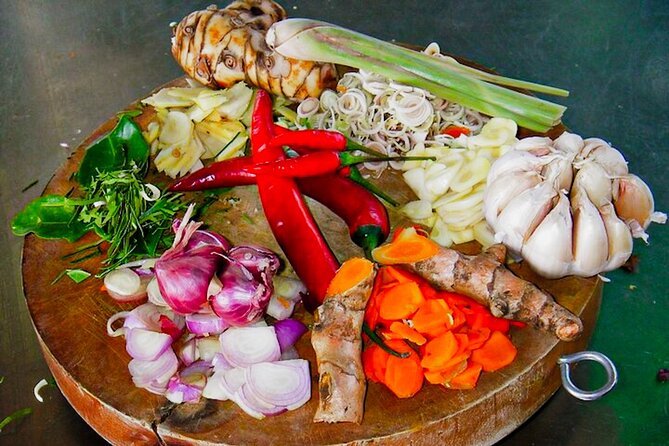
A few practical moves will help you get the most out of your 3 hours:
Bring an appetite. You’ll cook three dishes and then eat them, so plan to skip a heavy lunch beforehand. You’ll enjoy it more if you’re ready for the meal.
Wear comfortable clothes and shoes you don’t mind getting a little kitchen-adjacent. Markets and cooking spaces aren’t always spotless in the way a staged cooking studio is.
If you have any dietary needs, communicate them ahead of time. The experience data indicates vegetarian adaptation can happen, but it’s still best to confirm so the menu works for your group.
If you’re not getting pickup, use the meeting point landmark—Siem Reap Pub Hostel behind Angkor Night Market. It keeps day-of confusion to a minimum.
Finally, go in curious, not competitive. You’re learning basics. If your spring rolls aren’t picture-perfect, it still counts. The goal is to understand the process well enough to repeat it at home.
Should You Book This Siem Reap Cooking Class?
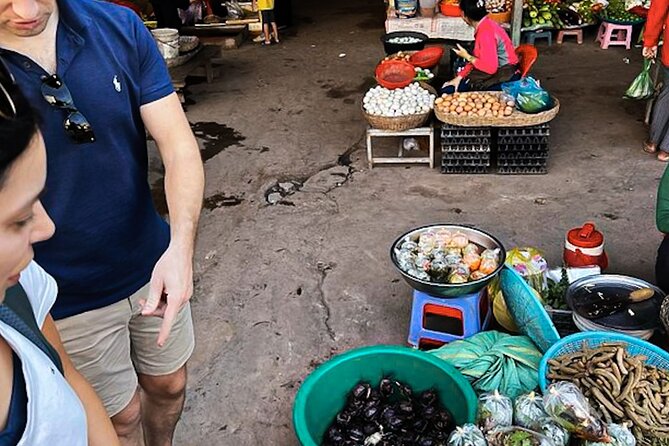
If you want a break from temple touring that still feels cultural and useful, I think this is a strong pick. You get a market tour, a chef-led hands-on class, and a full meal outcome—all in about 3 hours. It’s also a good choice if you’re traveling with mixed cooking experience levels or you want a fun group activity that doesn’t feel like a bus ride.
I’d skip it only if you can’t be flexible about timing. The experience depends on good weather and a minimum number of participants. If your itinerary is ultra-tight and you hate the idea of rescheduling, you’ll want to plan around that.
If your answer is mostly yes—book it. Khmer cooking is one of the best souvenirs you can actually use later, and the garden pavilion format makes it feel like a real lesson, not just a performance.
FAQ
How long is the Siem Reap cooking class?
The class lasts about 3 hours.
Where does the experience start and end?
It starts at Siem Reap Pub Hostel, behind Angkor Night Market (Siem Reap), and it ends back at the same meeting point.
Do they pick me up from my accommodation?
Pickup is offered. You’ll need to share where you’re staying and a contact number when you book.
What dishes will I cook?
You’ll choose dishes from the Khmer menu and cook three total. Examples include Fish Amok with steam rice, spring rolls (vegetable or meat), and bananas in palm sugar with coconut juice.
Do I need cooking experience to join?
No experience is necessary. The class is designed for beginners.
How many people are in the group?
The maximum group size is 8 participants.
What if the class can’t run due to weather or the minimum number of participants?
The experience requires good weather. If it’s canceled due to poor weather, you’ll be offered a different date or a full refund. If the minimum number of participants isn’t met, you’ll be offered a different date/experience or a full refund. You can cancel up to 24 hours in advance for a full refund.