REVIEW · OSAKA
Osaka: Cooking Class & Sake Tasting with Local Market Visit
Book on GetYourGuide →Operated by MagicalTrip · Bookable on GetYourGuide
Osaka tastes better when you cook it yourself. I love the market visit for fresh ingredients and the hands-on small-group cooking that stays relaxed and personal. The main thing to consider is that gluten-free options aren’t available.
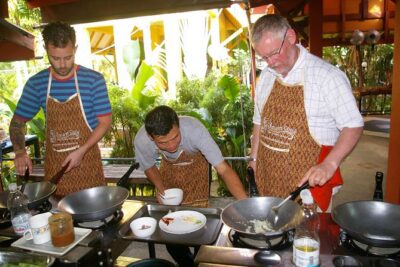
You’ll start at FamilyMart near Minami Morimachi Station, shop with your English-speaking guide, then cook iconic Osaka dishes at the MagicalTrip Original Cooking Studio. Expect a friendly pace, plenty of food for lunch, and drinks like canned sake or beer while you learn.
In This Review
- Key Takeaways Before You Go
- Finding The Studio: Minami Morimachi Meeting Point Made Simple
- Why the Local Supermarket Stop Matters for Osaka Cooking
- Class Flow in 4 Hours: Niku-sui, Okonomiyaki, and Gyoza
- Niku-sui: The Beef Soup You’ll Want to Repeat
- Okonomiyaki: Osaka’s Savory Pancake With Many Variations
- Gyoza: Folding Dumplings That Make You Feel Competent
- The Sake Tasting Breaks: Canned Drinks, Tea, and Conversation
- How the Guides Teach: English Support and Small Moments That Land
- Lunch and Portion Reality: What You’ll Actually Eat
- Taking the Recipes Home: Downloads and Photos by Email
- Price and Value: Is $90 Reasonable for Osaka?
- Dietary Notes and Practical Limits (Gluten-Free, Allergies, Timing)
- Who Should Book This Osaka Market-to-Table Experience
- Should You Book This Tour or Skip It?
- FAQ
- What dishes will I cook on this Osaka cooking class?
- Where is the meeting point?
- How long is the experience?
- Is this class available for beginners?
- What drinks are included?
- Are gluten-free meals available?
- Can vegans or vegetarians join?
- Is the tour suitable for people with mobility issues?
Key Takeaways Before You Go
- Shop for lunch where locals shop: a supermarket stop sets you up with fresh ingredients right before cooking.
- Three Osaka classics, hands-on: niku-sui, okonomiyaki, and gyoza are all made during the session.
- A social meal, not just a class: you’ll cook, eat, and chat with options like sake or beer.
- Small group means real help: limited to 7 participants, so questions don’t get lost.
- You leave with take-home tools: recipes are downloadable, and your guide sends tour photos by email.
Finding The Studio: Minami Morimachi Meeting Point Made Simple
Your tour starts with an easy meet-up: in front of FamilyMart, about a 1-minute walk from the 4B Exit of Minami Morimachi Station. That’s good news if you’re already using the subway to get around Osaka. You don’t need a scavenger hunt. Just be there on time and you’ll be in the right place fast.
Small group tours work best when everyone arrives together. This one starts on schedule, and late arrivals can’t join once the tour has begun. I’d plan to arrive a few minutes early, especially if you’re dealing with summer heat or winter cold.
Also, this isn’t a sit-and-watch class. Cooking involves cutting and heating, so the tour is for people over 12. If you’re traveling with family, you’ll likely find it a fun activity—but if you’re bringing younger kids, check the age rule first.
You can also read our reviews of more tours and experiences in Osaka.
Why the Local Supermarket Stop Matters for Osaka Cooking
This experience doesn’t jump straight to a kitchen. You begin with a trip to a local supermarket to pick up the ingredients you’ll use in your dishes. That small step changes everything.
When you shop right before cooking, you understand what “authentic” means in real life. You see the ingredients people actually use. You also get a practical sense for what you can realistically replicate later. The recipes in this class are designed to stay true to Osaka flavors while using ingredients that are not overly complicated to find at home.
It’s also a fast cultural reset. Even if you’ve only been in Osaka a day, the supermarket stop gives you a quick glimpse into daily life. I like how it sets the tone: food isn’t a museum. It’s an everyday habit.
Class Flow in 4 Hours: Niku-sui, Okonomiyaki, and Gyoza
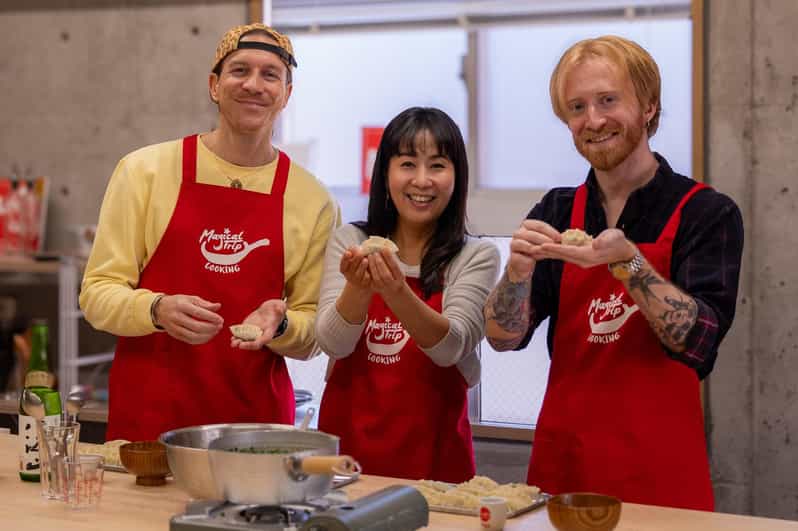
The heart of the class is the food you make. You’ll cook three Osaka favorites: niku-sui, okonomiyaki, and gyoza. You’ll likely do them in a guided sequence that fits into the 4-hour schedule.
Niku-sui: The Beef Soup You’ll Want to Repeat
Niku-sui is a flavorful beef soup loved locally. Think of it as comfort food with real character. The class approach here is practical: you learn a method you can repeat, not a vague cooking concept.
This is a great first dish because it teaches you how the soup style works—build flavor, balance the elements, and end with a satisfying meal you can’t mess up into something bland.
Okonomiyaki: Osaka’s Savory Pancake With Many Variations
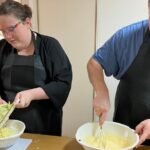
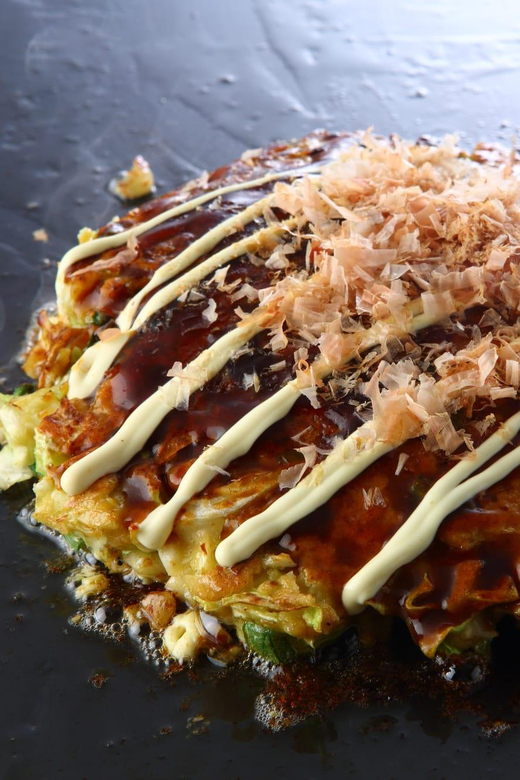
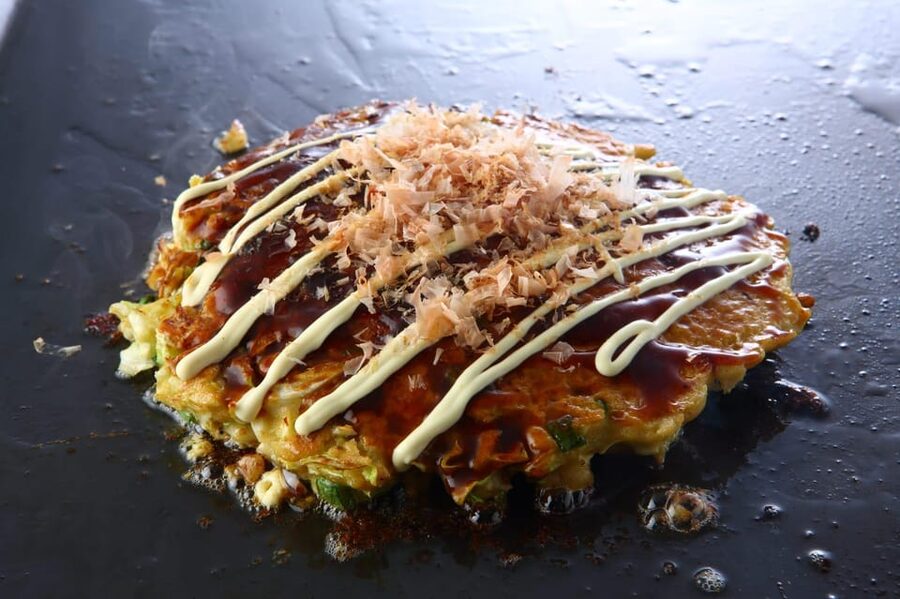
Then you move to okonomiyaki, Osaka’s famous savory pancake. What I like about the way this tour presents it is that it emphasizes personal variation. Locals take pride in how they make it. Your goal isn’t to memorize one perfect version; it’s to learn the core technique so you can adapt with confidence.
This part tends to feel fun because okonomiyaki is visually rewarding. Even if your first try looks slightly different than the person next to you, you’ll still be cooking something unmistakably Osaka.
Gyoza: Folding Dumplings That Make You Feel Competent
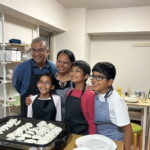
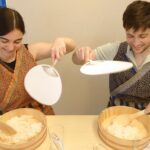
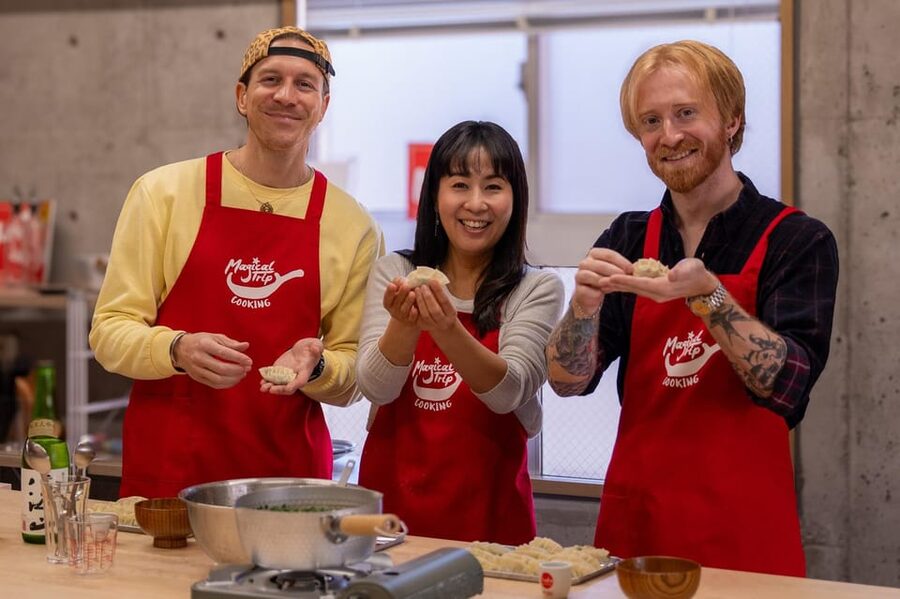
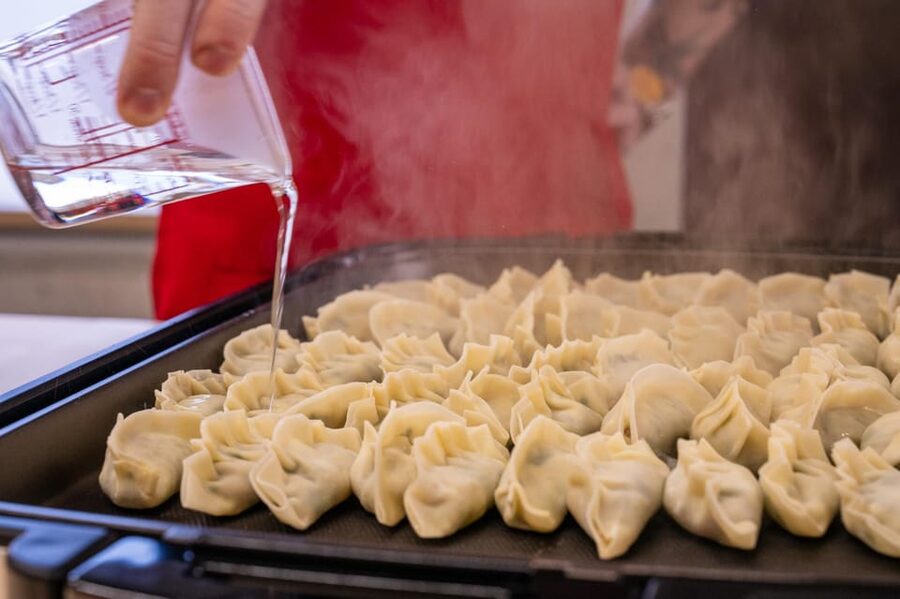
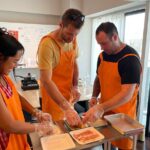
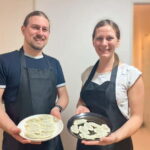
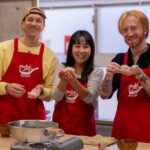
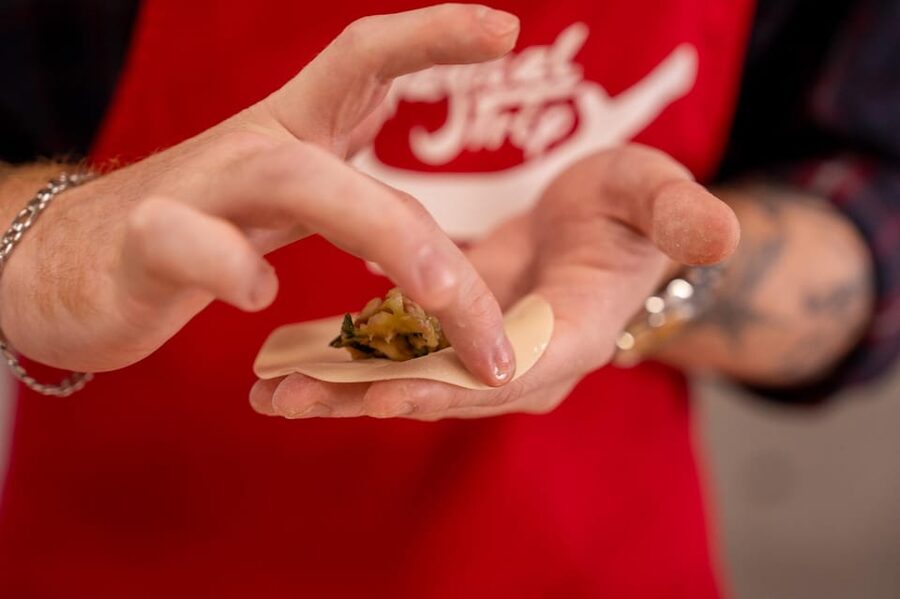
Finally, you’ll work on gyoza. Folding dumplings sounds simple, until you realize it’s also oddly satisfying. The class keeps it interactive, and you’ll feel your confidence grow as you repeat the process.
Gyoza is also where the group vibe often turns into laughter. Everyone is aiming for the same goal, but each fold can look a little different. That’s part of the charm. You’ll leave knowing you can actually make dumplings without needing special skills.
And if you have no cooking experience, you’re still in the right place. The guide walks you step-by-step, and the recipes are set up to be authentic but manageable with simple ingredients.
The Sake Tasting Breaks: Canned Drinks, Tea, and Conversation
This tour isn’t just food. It also includes time to relax while you cook. You’ll have three canned drinks during the experience—alcoholic or non-alcoholic options are included—and tea is served as well.
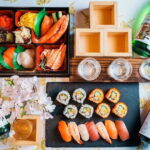
Canned sake can be a bit of an unexpected entry point, and that’s a plus for many first-timers. It’s easy to try without the pressure of ordering something fancy you don’t understand yet. If you’d rather skip alcohol, you can still take part fully with non-alcoholic choices.
What makes this work well is pacing. You’re not “drinking on the side.” You cook, chat, taste, and take breaks at natural moments. It turns the class into a social meal, not a teacher-only performance.
One detail I found especially memorable from past sessions: guides sometimes go beyond the basic plan. For example, Linda was praised for going out of her way to help buy sake. That’s not guaranteed, but it hints at the overall approach some guides take—friendly, attentive, and happy to make the experience feel personal.
How the Guides Teach: English Support and Small Moments That Land
This is an English-speaking class with a local guide, and the teaching style seems to be a big part of the high ratings. Guides like Chie, Eri, Akko, Emi, and Ayu have all been specifically called out for making the cooking feel easy and fun, while also adding context about products and Osaka.
Here’s what stands out in a practical way:
- You get clear guidance for each step, so you’re not guessing.
- The guide answers questions about city life and culture, so the class doubles as a mini briefing for your Osaka trip.
- Some guides make it feel personal. One host, Eri, was described as friendly and helpful. Another, Chie, was praised for combining cooking with explanations about Japanese history and local products.
- You can even get creative with the atmosphere. One group noted they could choose the background music during cooking, which makes the studio feel more like your hangout than a classroom.
If you want a food experience that also helps you understand what you’re eating and why it tastes the way it does, this guide-led format is a strong fit.
Lunch and Portion Reality: What You’ll Actually Eat
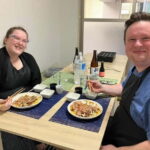
Lunch is included, and you’re not just tasting a sample. You cook multiple dishes—niku-sui, okonomiyaki, and gyoza—and then eat the results. That means you’ll leave satisfied in a way that simple tasting tours often don’t deliver.
I also like that the lunch feels earned. You made it. You watched the steps. You had a hand in the dumplings and the pancake process. Even if your okonomiyaki comes out slightly different, you’ll understand what you did and how to adjust next time.
The drinks help too. With tea plus three canned drinks, you’re covered for the meal’s pacing. You won’t be scrambling mid-cook for something to drink, and it keeps the table relaxed.
Taking the Recipes Home: Downloads and Photos by Email
The best cooking classes solve two problems: you learn something, and then you can repeat it later. This one handles both.
After the tour, you can download the recipes, designed to be authentic yet simple so you can recreate the dishes at home. That matters because Osaka cooking is full of technique and “build” flavors. A written recipe you can follow turns your memory into a real dinner plan.
You also get tour photos taken by your guide, sent after by email. It sounds like a small add-on, but it’s useful. When you’re later looking at the recipe and wondering what that step looked like, having a visual reference helps.
Price and Value: Is $90 Reasonable for Osaka?
At $90 per person for about 4 hours, this class has a clear structure: ingredients, lunch, drinks, and guided cooking all roll into one price.
Here’s where the value comes from, beyond the headline cost:
- You’re paying for time and translation: an English-speaking local guide is not just there for safety. They teach technique and answer questions.
- Ingredients are included: that’s a big practical savings compared with doing a DIY cooking day where you still need to buy everything.
- You get the market-to-studio workflow: the supermarket stop gives you context and freshness that many cooking classes skip.
- Small group size (up to 7): in many group activities, you end up waiting your turn. Here, the limit means more hands-on involvement and quicker help.
- Take-home recipes and photos: that turns the experience into something you can use again, not a one-time meal.
If you enjoy learning by doing, $90 looks much more reasonable. If you only want to eat and you don’t care about technique, you might find it pricier than a simple meal out. But for a hands-on class with market shopping and lunch included, it’s strong value.
Dietary Notes and Practical Limits (Gluten-Free, Allergies, Timing)
Let’s keep this part real and practical.
- Gluten-free options are unavailable. If gluten is a strict requirement, this isn’t the right match.
- Vegans and vegetarians are welcome, as stated. But keep in mind that dietary needs and ingredient substitutions may have limits.
- If you have allergies, inform the operator at least one day in advance. Same-day requests can’t be accommodated.
- Even with communication, the tour can’t guarantee allergy-free meals, because food is prepared in external kitchens. The team will try to compensate at other stops, but you should plan as if cross-contact is possible.
This matters because the class includes multiple dishes and external preparation environments. If your allergy risk is serious, I’d treat this as a “needs careful review” activity.
Finally, Japan’s weather can be intense. Summer highs can reach 40°C (110°F), and winter lows can fall to -5°C (20°F). Dress for the season and be ready for walking at the start near the station and FamilyMart.
Who Should Book This Osaka Market-to-Table Experience
This class fits best if you want an Osaka food day that’s hands-on, social, and structured.
You’ll probably enjoy it if:
- You like Japanese cooking and want techniques you can use at home.
- You enjoy chatting while you cook and taste, not just following a script.
- You’re traveling with a friend group, couple, or family and want a shared activity that doesn’t require perfect Japanese.
- You want a market visit paired with actual cooking, not just photos and tasting bites.
It may not be the best fit if:
- You need gluten-free meals.
- You have mobility challenges. The tour may include locations that aren’t accessible by wheelchair or stroller. If that’s your situation, a private tour is suggested.
Also, since it involves cutting and heating, come prepared to participate. You don’t have to be a chef. You do have to be willing to get involved.
Should You Book This Tour or Skip It?
Book it if you want a real Osaka food day: supermarket shopping, cooking three iconic dishes, and sharing drinks while learning in English. The small group size, take-home recipes, and guide style are exactly what make these sessions feel worth the money.
Skip it if gluten-free is non-negotiable for you, or if you prefer a purely observational activity. Also, if you’re very sensitive to allergy risk, this setup isn’t described as allergy-guaranteed.
If you’re in the middle, like most people who love food and want to bring something home, this is a smart pick. It’s one of those experiences where you leave hungry during the tour and still think about the recipes later.
FAQ
What dishes will I cook on this Osaka cooking class?
You’ll cook three Osaka dishes: niku-sui, okonomiyaki, and gyoza.
Where is the meeting point?
Meet in front of FamilyMart, about a 1-minute walk from the 4B Exit of Minami Morimachi Station.
How long is the experience?
The tour lasts 4 hours.
Is this class available for beginners?
Yes. The guide provides step-by-step instructions, so there’s no requirement for prior cooking experience.
What drinks are included?
You get 3 canned drinks during the experience, which can be alcoholic or non-alcoholic, plus tea.
Are gluten-free meals available?
No. Gluten-free options are unavailable.
Can vegans or vegetarians join?
Yes. Vegan and vegetarian participants are welcome. If you have dietary needs, you should inform the operator at least one day in advance.
Is the tour suitable for people with mobility issues?
It may include locations that are not accessible by wheelchair or stroller, so it’s not recommended for mobility issues. A private tour is suggested if mobility is a concern.