REVIEW · MARRAKECH
Vegetarian and vegan cooking class
Book on Viator →Operated by Dounia Alaoui · Bookable on Viator
Mint tea and tagines, right in the medina. This 3-hour class is interesting because you start with a walk through the old souk to pick ingredients, then return to a home kitchen for a step-by-step Moroccan meal. It’s hands-on, friendly, and very local in feel.
I love the fresh mint tea part, where you make the Moroccan mint tea together right before you eat. I also like the small group size (max 8) since you get enough time for questions without feeling rushed.
One thing to consider: this isn’t an exclusively vegetarian or vegan setup. You may be cooking a plant-based menu, but you can still share the cooking time with others preparing different dishes.
In This Review
- Key Points to Know Before You Go
- A Cooking Class That Starts With Real Ingredients
- Finding Bab Doukkala Mosque (and Getting Started Smoothly)
- Souk Shopping: Why This Market Walk Is More Than a Photo Stop
- Inside the Family Kitchen With Dounia, Kawtar, and Khimsa
- What You’ll Cook: Vegan/Vegetarian Moroccan Dishes (and a Note on the Other Tables)
- Moroccan Mint Tea: The Skill You’ll Actually Remember
- Meal Time: Eating What You Made (Plus Tea)
- Allergy and Dietary Requests: Ask, Then Enjoy
- Price and Value: Is $44.32 Worth It?
- Logistics That Help: Mobile Ticket, Public Transit, and Location
- Tips to Make Your 3 Hours Feel Effortless
- Who This Cooking Class Suits Best
- Should You Book This Marrakech Vegan Cooking Class?
- FAQ
- What is the duration of the vegan and vegetarian cooking class in Marrakech?
- Where does the experience start?
- Does the class include a trip to the souk?
- How many people are in the group?
- Is the class exclusively vegetarian or vegan?
- Can the hosts adapt the class for allergies or dietary needs?
- What is the cancellation policy window?
Key Points to Know Before You Go
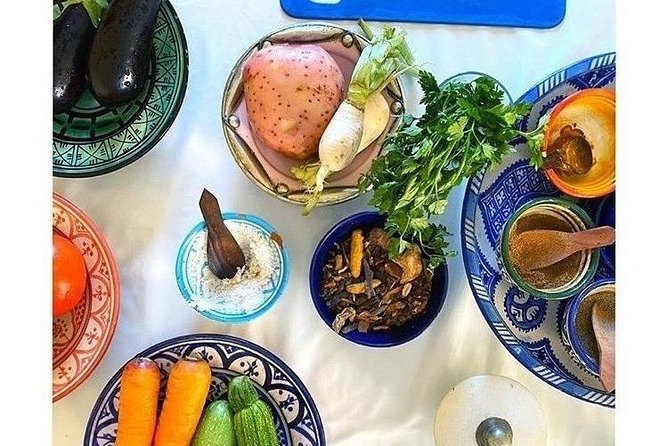
- Old souk ingredient hunt: You’ll shop for what you’ll actually cook, not just hear about it.
- Vegan-focused menu at the table: The meal you prepare is designed as vegan/vegetarian, and the class menu can be 100% vegan.
- Hosts like Dounia, Kawtar, and Khimsa: You’re welcomed into a family-style atmosphere, with clear guidance.
- Moroccan mint tea you make together: You won’t just drink it; you’ll see how it’s prepared.
- Small group pacing (up to 8): Better interaction, fewer people to compete with at the counter.
- Classic Moroccan dishes, modern dietary care: The hosts say they can adapt to allergies and dietary needs.
A Cooking Class That Starts With Real Ingredients
The best Marrakech cooking classes don’t begin in a kitchen. They begin in the market, when you can actually see, smell, and choose what will end up in your tagine or salad.
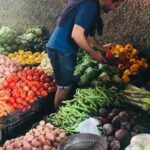
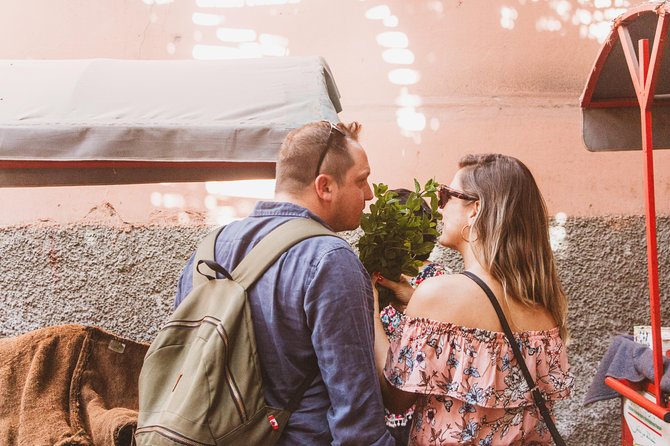
Here, you meet at Bab Doukkala Mosque in the medina area, then head to the old souk to shop for the ingredients. That small change matters. It turns cooking from something you do on autopilot into something you understand. You also get a quick, practical lesson in how Moroccan shopping works in real life—what looks freshest, what people are buying, and how spices and produce show up for everyday cooking.
After the souk, you go back to the hosts’ house—right in the heart of the medina—for the cooking portion. This is where the experience feels most authentic: you’re not in a classroom-style kitchen. It’s a warm family setup, with the kind of relaxed rhythm where questions are normal and people chat while cutting, mixing, and seasoning.
You can also read our reviews of more tours and experiences in Marrakech.
Finding Bab Doukkala Mosque (and Getting Started Smoothly)
Your start point is Mosquée Bab Doukkala, Marrakech 40000. It’s a recognizable landmark, and the class is designed so you can locate the meeting spot in Marrakech without drama.
A practical tip: when you arrive, take a minute to orient yourself—medina streets can look similar fast. Once you spot the meeting point, the rest is straightforward. The experience ends back at the meeting point, so you’re not left figuring out a complicated end location after your meal.
Also note the timing: the class runs about 3 hours. That’s long enough to shop, cook, eat, and enjoy mint tea, but short enough that you can still plan the rest of your day without losing it to your schedule.
Souk Shopping: Why This Market Walk Is More Than a Photo Stop
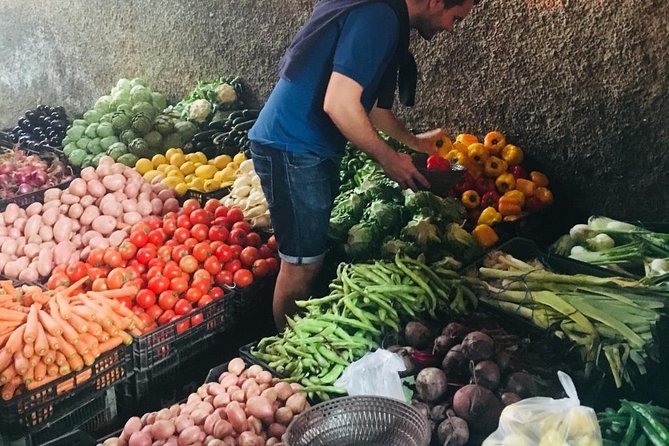
The souk portion isn’t just scenic. You’re shopping for what you’ll cook later. That means you’ll pay attention in a way you probably won’t during normal market wandering.
In particular, you’ll walk in the souk to buy fresh ingredients, guided by your host. This is a great time to ask questions like:
- What ingredients matter most for the dish you’re making?
- What spices will you notice right away in the flavor?
- If I’m used to cooking one style, how do you keep Moroccan food balanced?
Some reviews highlight that the market visit and ingredient selection helped make the cooking feel real, not scripted. And since your meal happens right afterward, the shopping choices actually matter. You’ll taste the results.
Inside the Family Kitchen With Dounia, Kawtar, and Khimsa
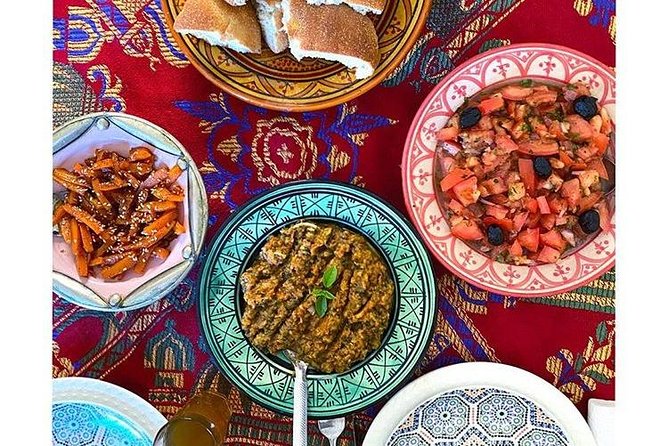
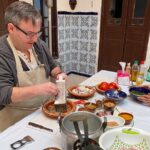
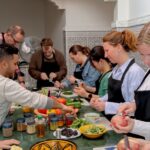
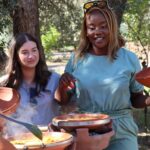
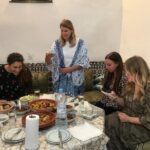
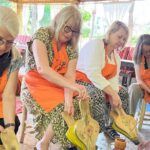
Once you return, the class shifts from street walking to step-by-step cooking. You’ll prepare typical Moroccan dishes together, in a warm, family atmosphere.
The host named Dounia welcomes you and explains the process. Other reviews credit the hosting team—especially Kawtar and Khimsa—for their friendliness and accommodations to different cooking levels. If you’re brand-new in the kitchen, you should feel okay here. The tone from reviews is that they’ll guide you through what to do and when to do it.
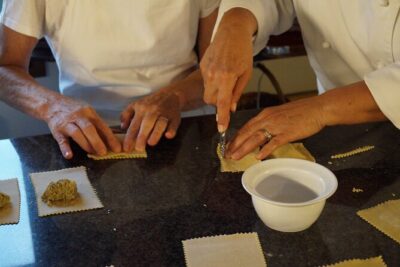
The setup also helps you learn in a practical way. Instead of watching everything from afar, you’re doing the work—cutting, mixing, assembling, and following the instructions in sequence. That’s the difference between a nice food show and a class you can recreate at home.
What You’ll Cook: Vegan/Vegetarian Moroccan Dishes (and a Note on the Other Tables)
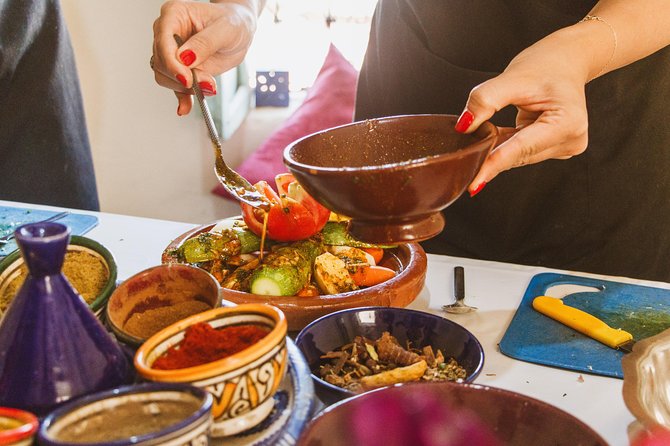
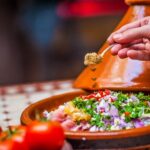
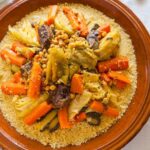
This is described as a vegetarian and vegan cooking class, and the emphasis is on preparing a vegan and vegetarian Moroccan meal. In at least one review, the group cooked a vegetarian tagine while another table cooked chicken tagine—same time, different menus.
Here’s the part you should plan around: the class is not guaranteed to be exclusively vegan/vegetarian across the whole room. One review specifically mentioned disappointment about sharing the cooking space with others preparing meat. The host response clarifies that the menu prepared by their group can be 100% vegan, but the class setting itself may include other participants cooking different dishes.
So for you, the practical takeaway is simple:
- If you care most about your own food being vegan/vegetarian, this can be a great fit.
- If you need a fully meat-free cooking environment for comfort or ethics, message the provider in advance and ask what the room setup looks like that day.
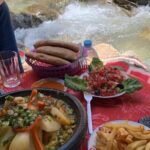
On the positive side, multiple reviews mention a satisfying spread: Moroccan starters, a veggie (or vegan) tagine, and often dessert. Some also mention salads and spice explanations. Even when the overall class is mixed, the plant-forward focus seems consistent.
Moroccan Mint Tea: The Skill You’ll Actually Remember
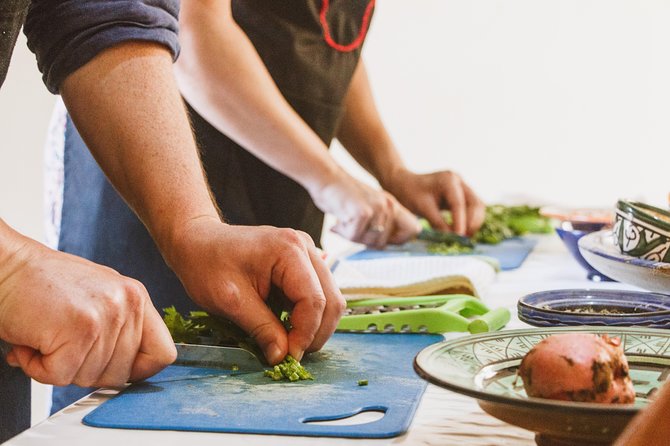
Moroccan mint tea is one of those foods you think you understand until you watch how it’s made. In this class, you don’t just get a cup—you prepare the tea together.
Expect the experience to feel celebratory. You’ll learn the mint tea process and then sit down to enjoy what you made. Reviews repeatedly call out the fresh mint green tea as a highlight. That matters because it rounds out the lesson: you’re not only learning savory cooking, you’re also learning how locals share tea alongside the meal.
It also gives you a natural pause in the middle of cooking. After chopping and seasoning, you get to step back, taste, and reset.
Meal Time: Eating What You Made (Plus Tea)
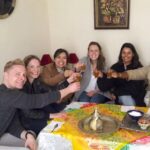
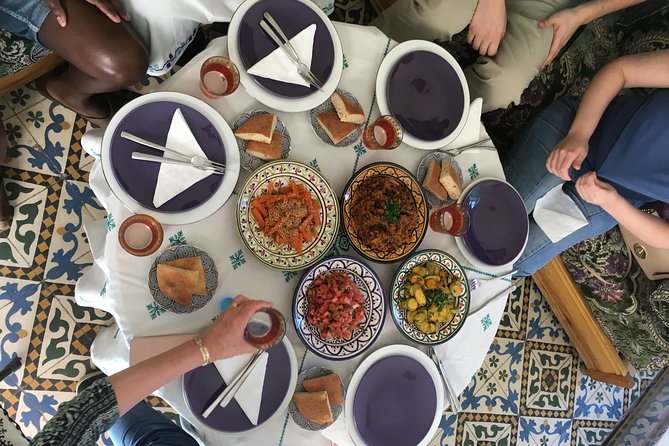
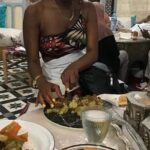
After cooking, you’ll enjoy the food together, with traditional Moroccan tea.
This is one of those small things that turns into a big travel memory. Lots of classes end with a snack. This one is built around eating the meal you prepared. Reviews describe it as a fun, filling afternoon, with clear instructions and a satisfying result—particularly for the tagine.
And because your group is small (max 8), you’re more likely to have a relaxed meal with real conversation. One review mentions the joy of cooking and then enjoying it together while getting to know others.
Allergy and Dietary Requests: Ask, Then Enjoy
One detail I really respect: the host says they’re happy to adapt the class to allergies, dietary requirements, and preferences. That’s exactly what you want from a home-kitchen experience.
If you have a serious allergy—especially to common ingredients—you should tell them ahead of time. Even if your request feels obvious to you, kitchens handle details differently. The more specific you are, the smoother it will be.
If you’re strict vegan, and especially if dessert matters to you: ask directly how they handle dessert ingredients. There’s at least one mention of dessert not being vegan in one review, while other reviews strongly emphasize vegan dishes. Since menus can vary by group day, confirming helps.
Price and Value: Is $44.32 Worth It?
At $44.32 per person for about 3 hours, this can be solid value—mainly because you’re not paying for a quick demonstration. You’re paying for:
- a guided walk to the souk for ingredient selection,
- hands-on Moroccan cooking instructions,
- a shared meal, and
- Moroccan mint tea.
The “small group” angle also matters. With up to 8 travelers, you’re more likely to actually participate rather than stand around. And the class being in a medina home kitchen gives you something you typically can’t buy as easily with a higher-priced cooking tour.
One more value clue from reviews: people repeatedly mention the food tasting better than restaurants and the experience feeling like a highlight. I’d treat that as a sign that the class is designed to deliver real satisfaction, not just a cultural outing.
Logistics That Help: Mobile Ticket, Public Transit, and Location
You’ll receive a mobile ticket, and the meeting point is near public transportation. That’s useful in Marrakech, where medina walking can be the norm but you still want easy access to transit at the start and end.
The class also allows service animals. If that applies to you, it’s good to know before planning.
And because the confirmation is sent within 48 hours of booking (subject to availability), you should book with enough lead time if your schedule is tight. Many people reserve around 12 days in advance on average, so peak weeks can fill.
Tips to Make Your 3 Hours Feel Effortless
Here are a few practical things you can do to make the class smoother:
- Wear comfortable shoes. You’ll be walking in the medina and souk area before cooking.
- Bring a bottle of water. Tea is served, but the market walk can still feel warm and active.
- Come with an open mind about setup. Since it may not be exclusively vegan/vegetarian across the whole room, check what matters most to you: your own meal, or a totally meat-free space.
- Tell them about allergies and strict preferences early. They say they can adapt, but you’ll get the best outcome when you’re specific.
Who This Cooking Class Suits Best
This class is a good match if you want:
- a hands-on Moroccan cooking lesson (not just watching),
- a vegan/vegetarian-focused meal,
- a market experience that leads directly into cooking,
- and a smaller group setting that makes questions easier.
It’s also ideal if you enjoy the combination of food plus culture. The souk visit gives you the ingredient context, and the tea keeps it social and grounded.
If you’re traveling solo and want to meet people, small-group cooking can be a friendly way to do it. If you’re traveling with friends who all want vegan or vegetarian food, this is also a strong way to share a meal and compare what you made.
Should You Book This Marrakech Vegan Cooking Class?
I’d book it if you’re excited by the idea of shopping for ingredients in the souk and then cooking a Moroccan vegan/vegetarian meal in a home kitchen with mint tea at the end. At around $44 for roughly 3 hours, the value comes from what you actually do: you cook, you eat, and you learn steps you can repeat.
I’d pause and ask a couple of questions before booking if you need a strictly meat-free environment from start to finish. The class can be mixed in the sense that others may cook different dishes, even while your menu is designed as vegan/vegetarian.
If your priority is your food being vegan or vegetarian—and you’re okay with a shared classroom setup—this feels like the kind of Marrakech experience that turns into a real memory fast.
FAQ
What is the duration of the vegan and vegetarian cooking class in Marrakech?
The class runs for approximately 3 hours.
Where does the experience start?
The meeting point is at Mosquée Bab Doukkala, Marrakech 40000, Morocco.
Does the class include a trip to the souk?
Yes. You’ll start with a walk to the old souk to buy fresh ingredients before cooking.
How many people are in the group?
The class has a maximum of 8 travelers.
Is the class exclusively vegetarian or vegan?
The experience is described as vegetarian and vegan, but it is not exclusive. Other people may join to cook different menus.
Can the hosts adapt the class for allergies or dietary needs?
Yes. The host says they are happy to adapt the class to allergies, dietary requirements, and preferences. Just let them know about special requests.
What is the cancellation policy window?
You can cancel up to 24 hours in advance for a full refund. If you cancel less than 24 hours before the start time, the amount paid will not be refunded.