REVIEW · UBUD
PRIVATE Authentic Balinese Cooking Class in Ubud at Putu’s Home
Book on Viator →Operated by Traveling Spoon · Bookable on Viator
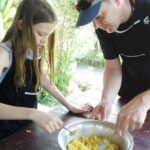
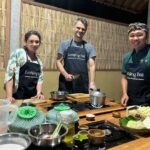
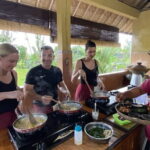
Cooking in a real Balinese home changes your trip. In Ubud, Putu and her family teach you hands-on how to make Balinese dishes from farm-fresh ingredients, then you sit down to eat what you cooked. It’s not a demo-and-walk-out class; you grind, chop, and grill with people who live this way every day.
My favorite part is how much culture you get along with the food. Putu explains the home temple layout and the meaning behind everyday ingredients, including the traditional medicines her family prepares. One possible drawback: you’re heading a bit away from central Ubud, so plan your day around the full door-to-door timing instead of stacking tight appointments right afterward.
In This Review
- Key takeaways before you book
- Putu’s home kitchen: what makes this class feel real
- What you’ll cook: five Balinese dishes you make yourself
- Garden-to-compound details: where the ingredients come from
- The temple tour: understanding Balinese Hindu life through daily spaces
- Spices, hands-on methods, and why the kitchen is simple
- The meal: a Balinese feast plus local alcohol
- Lunch vs dinner: choosing the right time in Ubud
- Timing and transfers: how the 3 hours really feels
- Price and value: is $75 per person fair?
- Who this is perfect for (and who should think twice)
- Practical tips to make your day go smoothly
- Should you book Putu’s private cooking class in Ubud?
- FAQ
- What dishes will I learn to cook?
- Is the class lunch or dinner?
- Where does the class take place?
- How long is the cooking class?
- Do I get to eat what I cook?
- Is alcohol included?
- Is transportation included?
- Is the experience private or group-based?
- Are vegetarian or vegan options available?
Key takeaways before you book
- Private, hands-on format: only your group, taught in a real home kitchen—not a classroom setup.
- Five dishes from scratch: plan on prepping multiple items and then eating a full family-style feast.
- Ingredients from the family compound and farm: you’ll see produce and learn how it feeds daily cooking.
- Temple stories and Balinese Hindu life: you get context for why meals, spaces, and ingredients matter.
- Lunch or dinner choices: pick what fits your energy level and schedule in Ubud.
Putu’s home kitchen: what makes this class feel real
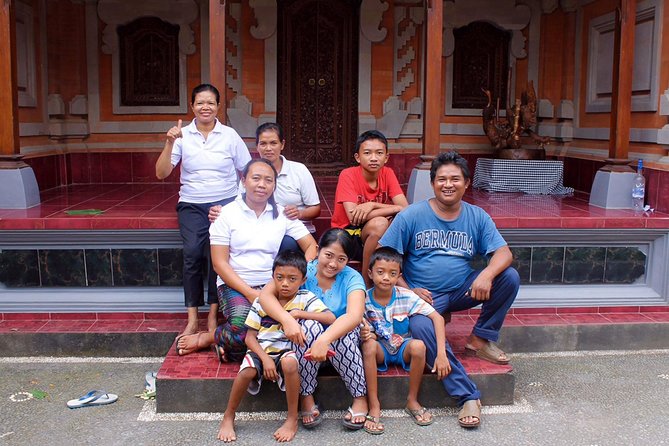
This is the kind of cooking class where the setting is part of the lesson. You start with a warm welcome at Putu’s traditional compound home, meet the multigenerational household, and get a feel for how family life is organized around shared spaces. Even before you touch food, you’ll get the sense that cooking here is social, practical, and spiritual.
Food is the main event, and it’s handled with care. Putu’s teaching style comes through in the small, concrete steps: how ingredients are prepped, how flavors are built, and how spice level can be adjusted. You don’t just learn recipes—you learn technique and timing, which makes it easier to repeat at home.
You’re also eating in the real way a home eats. The meal isn’t an afterthought. It’s the reward for the work you’ve done, plus it’s where the culture becomes tangible—how everyone sits, shares, and moves through the meal.
You can also read our reviews of more tours and experiences in Ubud.
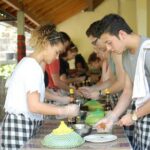
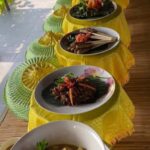
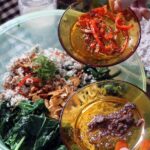
What you’ll cook: five Balinese dishes you make yourself
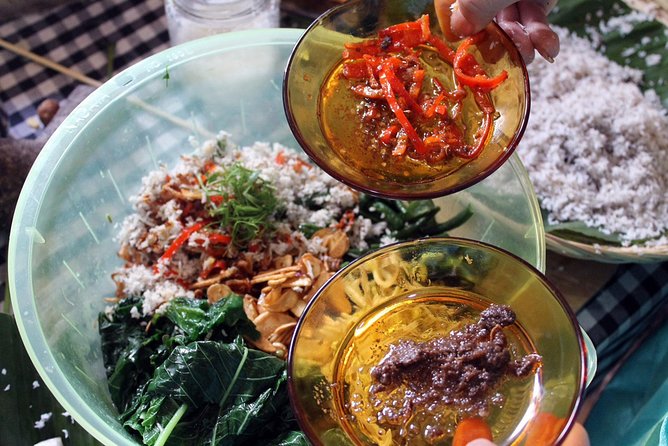
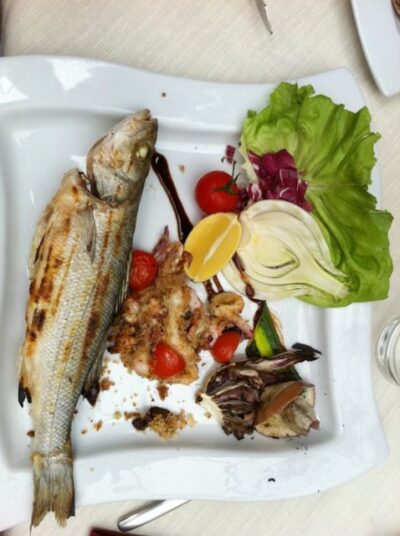
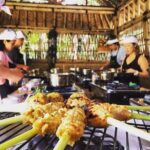
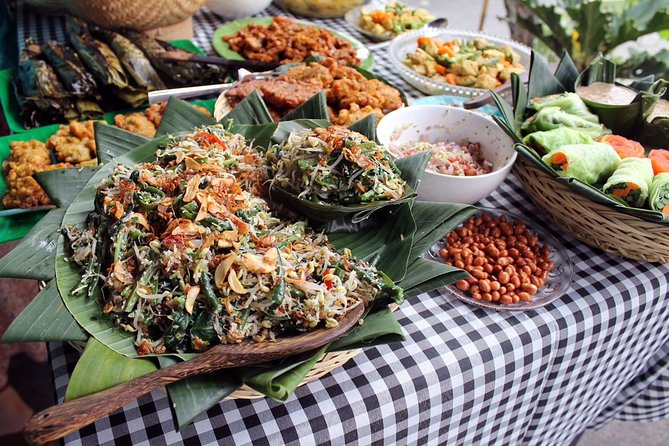
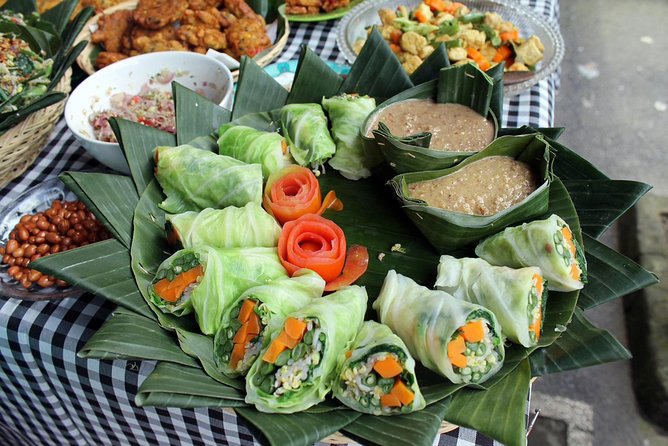
The class is built around preparing five authentic Balinese dishes, chosen based on season. The menu can vary, but you can expect the cooking to cover a mix of styles and flavors, like grilled fish, curry-style dishes, and banana leaf parcels.
Here’s the core idea: you’ll do enough steps that you’re not just tasting. You’ll get hands-on practice with:
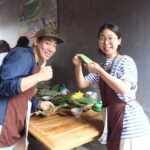
- Chopping and assembling ingredients for dishes like parcels
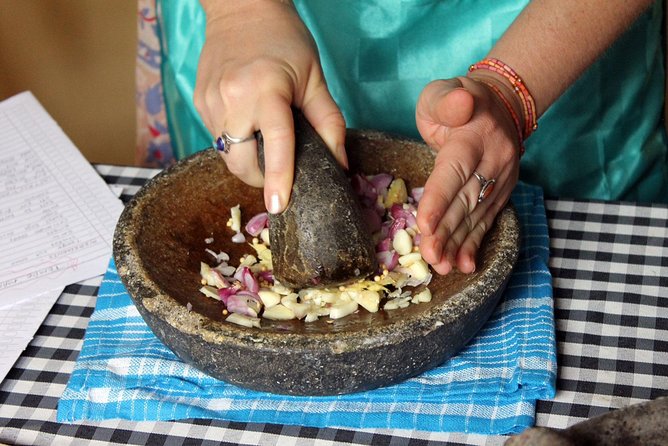
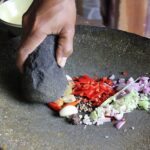
- Grinding spices by hand (you may see traditional methods like manual grinding for things such as satay-style components)
- Cooking with simple, traditional tools, including wood-fired or stove-based methods you might not expect in a modern kitchen
From the dish types taught, it’s clear the class focuses on Balinese flavor logic, not just Indonesian cooking in general. That means you learn how different ingredients behave together, especially spices, aromatics, and how leaf-wrapped items cook evenly.
Because it’s private, the pace can match your group. If you cook lightly or you’re comfortable in the kitchen, you’re still involved in meaningful steps rather than standing by.
Garden-to-compound details: where the ingredients come from
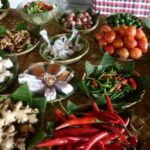
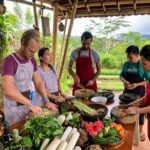
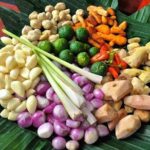
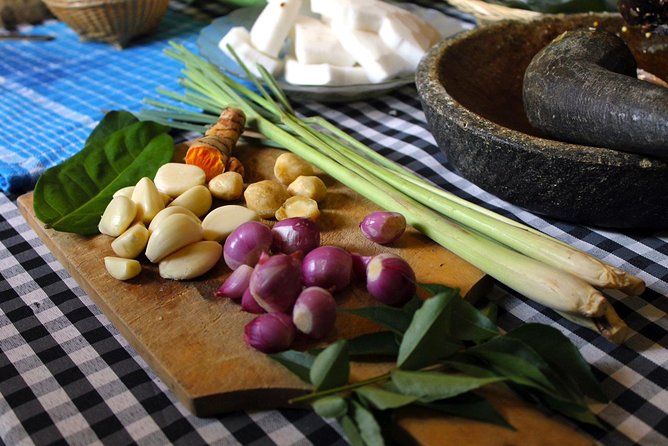
One of the strongest reasons to do this class is the ingredient story. Putu takes you around the family garden and compound and points out what’s growing—fruits and vegetables, plus the daily supplies that end up on the table. You might even taste seasonal items straight from the property.
This matters because Balinese cooking isn’t just about spices; it’s about using ingredients at their best moment. When you see the source, it’s easier to understand why certain flavors pop. It also helps you remember what to look for at home: the herb-like aromatics, the right kind of heat, and the way fresh ingredients change the finished dish.
You also get a sense of how the household and farm work link together—especially through rice. The experience includes rice associated with Putu’s grandparents’ farming, so rice isn’t treated like a default side dish. It’s part of the food system.
The temple tour: understanding Balinese Hindu life through daily spaces
If you only cared about food, you’d still come away happy. But the cultural component is a big part of the value here. Putu explains the significance of different parts of a traditional Balinese home temple and how daily life is connected to that layout.
This isn’t museum talk. It’s delivered in a way that connects to cooking and eating. For example, the household spaces and the roles of ingredients make more sense once you understand why certain areas exist and how rituals and daily habits are intertwined.
The tone also helps. Putu has a great sense of humor, so the visit doesn’t feel like a lecture. You’ll leave with practical knowledge—stuff you can use to read what you’re seeing around you in Ubud—rather than just facts to forget later.
Spices, hands-on methods, and why the kitchen is simple
The kitchen setup can be straightforward: you may cook outdoors, and the tools can look basic by Western standards. That’s not a drawback here; it’s part of the point. You’ll see how complex flavor comes from simple steps when you do them carefully.
You can expect instruction on things like:
- How to combine chili and other spice elements to match your preference
- How to grind spices so they release aroma and flavor
- How to handle leaf-wrapped cooking (banana leaf parcels, for example, require the right assembly and heat)
- How to balance a curry base so it tastes layered, not just hot
What I like about this approach is that it teaches control. You learn what to change if you want more heat, less heat, or a different balance. That’s useful because most people struggle at home with the difference between a spice mix and a finished sauce.
Also, the class tends to be well-organized. Even in a simple kitchen environment, you should find clear staging of ingredients and stations so you’re not waiting around.

The meal: a Balinese feast plus local alcohol
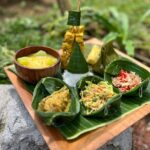
After cooking, you eat everything you prepared. This is a full family-style meal experience where the food isn’t reduced to a few plated bites. It’s the point where you can finally relax and taste the results of your work.
Local alcohol is included as one to two glasses, along with non-alcoholic beverages. The adult drinks are small enough to keep the tone social rather than party-focused. If you prefer no alcohol, you’ll still be included in the meal and taught the same way—just confirm any preferences when you book.
One detail that shows up often in the experience: portion sizes can be generous. You may find you leave with leftovers for later (some people report food to take away), which makes this class a better value for your budget than a typical dinner out.
Lunch vs dinner: choosing the right time in Ubud
You can choose a lunch or dinner class based on your schedule. Lunch often fits best if you want the rest of your afternoon free for Ubud sights. Dinner can be great if you prefer a slower evening and don’t mind a later start.
If you pick dinner, you should consider that cooking may happen in a space that needs lighting after dark. In at least some cases, the experience is described as being well lit at night, so it doesn’t feel like you’re cooking in the dark. Still, if you’re sensitive to evening glare or darker paths, it’s smart to dress for comfort and visibility.
No matter the meal time, the cooking portion is about 1.5 hours, with the rest of the experience tied to welcome, cultural time, and the full shared meal.
Timing and transfers: how the 3 hours really feels
The total duration is listed at about 3 hours. That’s a good range for a private home lesson because it includes the practical pieces: pickup, the class, and returning you to your accommodation.
Pickup is part of the deal for hotels in Ubud with round-trip private transfers. That means you’re not wrestling with taxis or mapping rural roads. It also means you should plan to be ready on time, since the host needs to coordinate the drive back and forth.
One practical consideration: you might be about 40 minutes from Ubud center, so don’t book this class as a quick stop between nearby activities. It works best when you treat it like a core experience, not a filler.
If you’re staying outside Ubud, there’s an extra transportation charge. In that case, include your hotel name so your host can arrange pickup smoothly.
Price and value: is $75 per person fair?
At $75 per person, this class is priced like a premium cultural activity. The good news is that you’re not just paying for a recipe. You’re paying for:
- Private instruction in a real home
- Hands-on cooking of five dishes
- A guided cultural component (home temple life and ingredient meaning)
- Food and included beverages, including local alcohol (1–2 glasses)
- Round-trip transport within Ubud
When you compare it to a regular cooking class plus dinner elsewhere, it’s easier to see the value. You leave with a full meal you cooked yourself, and you also gain context that helps you appreciate what you see later in Bali.
If your group is family-sized or includes multiple ages, private format tends to be more comfortable and more inclusive than shared classroom tours. The class is also flexible with vegetarian and vegan options—if you need that, plan ahead when booking.
Who this is perfect for (and who should think twice)
This is a strong match if:
- You like food and you also like stories and context
- You want real Balinese home cooking rather than generic cooking lessons
- You’re comfortable interacting with a host family and learning in an informal home environment
- You want a private experience that works for couples and small groups
You should think twice if:
- You dislike travel time for activities (because you’re going outside central Ubud)
- You’re looking for a very polished, restaurant-style production with a modern kitchen setup
- You have a tight schedule right after (because the class flow needs space)
Practical tips to make your day go smoothly
A few things will help you enjoy it more:
- Choose lunch or dinner based on your energy, not just convenience. The meal comes after active cooking.
- Tell them about dietary needs early. Vegetarian and vegan options are available, and the menu can vary by season.
- Plan to communicate quickly if your host uses WhatsApp. Having it set up in advance makes pickup smoother.
- Bring comfortable clothing for chopping and time outdoors. Even if the kitchen is well organized, you’ll be working with heat and aromas.
- Expect spice adjustments. You’ll be taught and can often fine-tune heat to what you like.
Should you book Putu’s private cooking class in Ubud?
Yes, if you want a cooking class that feels personal, practical, and connected to everyday Balinese life. The combination of hands-on cooking, family garden ingredients, and temple-home context is what makes it worth your time. You’re also getting a full meal (and included beverages), which makes the price feel more reasonable once you factor in what you actually take part in.
If you’re short on time or you need to be back in central Ubud quickly, choose your timing carefully. For most people in Ubud with a flexible afternoon or evening, this is the kind of experience you’ll remember because you’re part of it, not just watching it.
FAQ
What dishes will I learn to cook?
You’ll prepare five Balinese dishes, and the exact menu can vary by season. Dishes may include options such as grilled fish, banana leaf parcels, or curry.
Is the class lunch or dinner?
You can choose between a lunch or dinner class to match your schedule.
Where does the class take place?
The class happens in Putu’s home kitchen in her ancestral village area in Ubud, in a traditional compound home.
How long is the cooking class?
The cooking lesson lasts about 1.5 hours, and the total experience is about 3 hours including the rest of the flow.
Do I get to eat what I cook?
Yes. The experience ends with a shared meal of everything you’ve prepared.
Is alcohol included?
Yes. Local alcohol is included as 1–2 glasses, along with non-alcoholic beverages.
Is transportation included?
If you’re staying in Ubud, round-trip transport from your hotel is included. If you’re outside Ubud, there’s an extra transportation charge.
Is the experience private or group-based?
It’s private, and only your group participates.
Are vegetarian or vegan options available?
Yes. Vegetarian and vegan options are available—tell the host about your needs when you book.