REVIEW · KYOTO
Private Ramen or Gyoza Cooking Class in Kyoto with Chef Midori
Book on Viator →Operated by Traveling Spoon · Bookable on Viator
Midori’s kitchen lessons feel like a visit to family. This private class near Gion gives you one-on-one time with Chef Midori and a relaxed cooking flow, then you sit down and eat what you made. I love how practical the teaching is, and how the focus stays on real home-style flavors you can repeat later.
Two things I really like: you choose from set menus (including vegetarian and vegan choices), and you get personal attention instead of fighting for space in a group kitchen. One possible drawback is that your menu options are limited to the available set choices, so you can’t freely customize every dish.
In This Review
- Key points before you book
- A private Kyoto studio near Gion, with Chef Midori at the center
- Choosing your ramen or gyoza menu (and how to handle dietary needs)
- What happens during the cooking session, step by step
- The meal part: eating what you made and getting Kyoto guidance
- Private doesn’t mean stiff: the class feels relaxed and conversational
- Price and value: is $169 worth it in Kyoto?
- Logistics that actually help in Kyoto
- Who should book this cooking class
- A fair caution: what to consider before you choose
- Should you book Chef Midori’s ramen or gyoza cooking class?
- FAQ
- What’s the duration of the cooking class?
- Where does the class take place?
- What do I cook in the class?
- Are vegetarian or vegan options available?
- Can the class accommodate kosher or halal diets?
- Is this experience private?
- Is there an animal in the home?
- Can I cancel for a refund?
Key points before you book
- Chef Midori’s 30+ years of teaching means you’re learning the why, not just the steps.
- Private, just-for-your-party setup keeps questions easy and makes the pace comfortable.
- Choice of set menus includes vegetarian, vegan, kosher, and halal options if you request in advance.
- You eat the results right after the cooking session, not later or somewhere else.
- Shopping and Kyoto recommendations come with the meal time, including where to buy food and souvenirs.
- Lesson recording is possible, so you can rewatch techniques later if you want.
A private Kyoto studio near Gion, with Chef Midori at the center
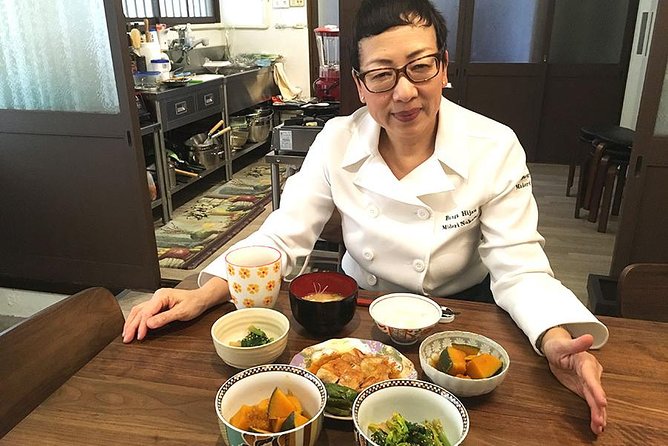
This experience is all about swapping crowded “watch and snack” tours for a real kitchen conversation. You start at a local cooking studio meeting point in Kyoto (Shimogyo Ward), and you’re brought into the space as a small group, not as part of a parade.
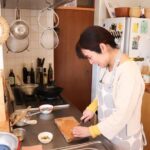
Chef Midori is the main event. She’s known for being welcoming, funny, and warm, and the class style is hands-on rather than lecture-heavy. Instead of rushing, she builds the lesson around simple techniques you can actually reproduce at home.
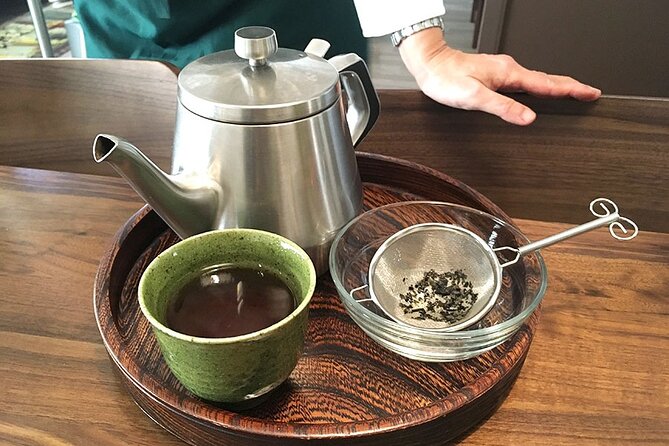
You’ll also get a traditional touch right away with a cup of Japanese tea when you arrive. It’s small, but it sets the tone: calm, local, and focused on cooking rather than sightseeing checklists.
You can also read our reviews of more tours and experiences in Kyoto.

Choosing your ramen or gyoza menu (and how to handle dietary needs)
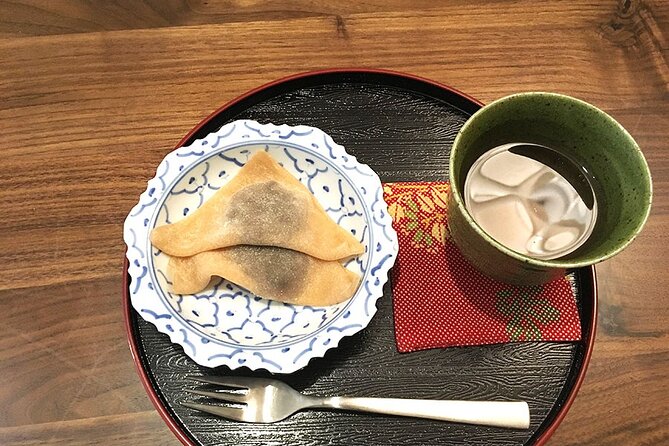
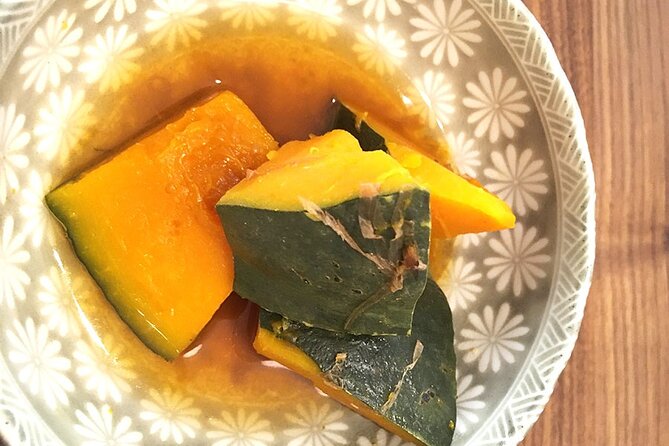
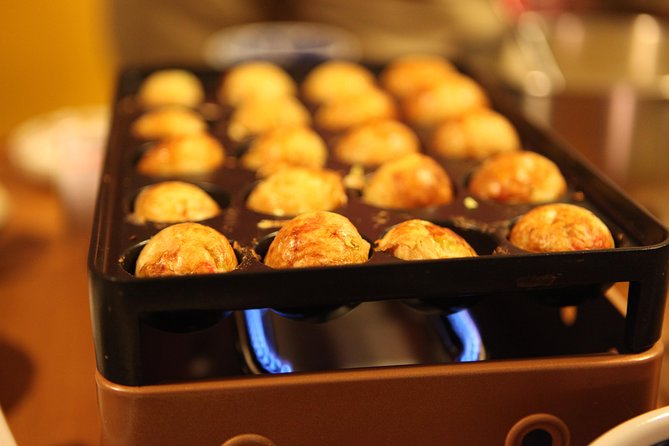
The class is built around set menus. In your booking, you pick from five menu options, and your group cooks the dishes included in that choice. Depending on the menu, you might work with items like teriyaki chicken, sushi, tonkatsu, or Kansai-style street-food favorites such as gyoza, takoyaki, or okonomiyaki.
If you’re traveling with dietary restrictions, this is one of the stronger points of the experience. Vegetarian and vegan options are available, and the studio can also accommodate kosher and halal needs if you tell them in advance. That matters because cooking classes can be frustrating when substitutions are treated as an afterthought.
One practical note: because you’re selecting from the provided set choices, it helps to look at the menu options ahead of time. If you’re hoping for a very specific ramen variation or a particular dumpling filling, you’ll want to pick the menu that matches your goal as closely as possible.
What happens during the cooking session, step by step
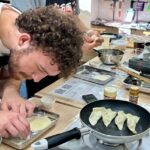
The whole experience runs about 2 hours 30 minutes total, with the main cooking time lasting around 1.5 hours. You’re not just watching someone else cook; you’re actively involved while Chef Midori guides you through the process.
The lesson starts with the building blocks of Japanese home cooking. You’ll get introduced to key ingredients such as soy sauce, mirin, sake, and miso. Chef Midori’s teaching style is practical here: she explains how these flavor anchors work together, so you’re not stuck memorizing steps without understanding.
As you move into the recipes, the class keeps things at a comfortable pace. You’ll learn time-honored techniques and how to handle the ingredients properly. Expect a lot of back-and-forth—questions, corrections, and quick tips—because the group size is kept small and personal.
A nice detail for people who like to cook later: you can often record the lessons for future reference. That’s especially useful if you’re worried about remembering exact timing or sauce ratios after you get back home.
The meal part: eating what you made and getting Kyoto guidance
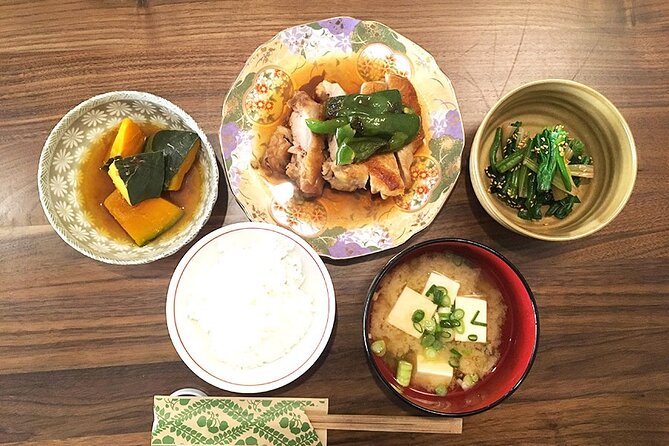
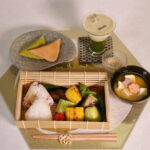
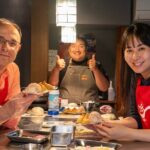
After the cooking time, you share a meal featuring what you helped prepare. This is one of those “simple but important” parts that turns a class into a full experience. You get to taste the results while everything is still fresh, and you can ask Chef Midori about flavor adjustments right on the spot.
This is also when you receive insider advice. Chef Midori shares favorite local restaurant recommendations and practical tips on where to shop for food and souvenirs in Kyoto. That’s the kind of help that saves time because you’re getting guidance from someone who lives in the rhythm of the city.
If you’re the type who likes to eat your way through Japan, this meal section is where the class connects to real travel. You don’t just learn recipes—you learn how to think about ingredients and what to look for when you’re browsing markets or specialty shops.
Private doesn’t mean stiff: the class feels relaxed and conversational
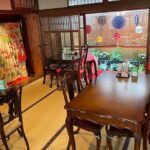
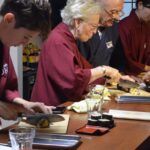
The teaching style is intentionally relaxed, more like cooking with a friend than following a rigid workshop script. You’re welcomed into a cozy studio environment, and you’ll have time to talk with Chef Midori about cooking and about Kyoto.
From the way the class is described, it’s also built around personalization. Chef Midori takes an interest in what you’re curious about, and she’s willing to answer questions as they come up. People who want a class that includes genuine conversation (not just a performance) usually end up loving this format.
There’s also a small home detail you should know about: a cat resides in the home, but it stays upstairs and does not enter the kitchen or dining area. That’s helpful if you’re wondering about comfort and cleanliness, and it means the focus stays on cooking and eating.

Price and value: is $169 worth it in Kyoto?
At $169 per person, this isn’t a bargain-basement class. But it does have several value drivers that matter more than price alone.
First, you’re paying for a truly private experience with Chef Midori. That one-on-one attention usually costs more than group classes because the teaching time and guidance are not diluted.
Second, you’re not just learning recipes—you’re also eating the meal you made. In many cooking classes, the food is minimal or feels like a snack; here, the class includes an actual shared meal portion.
Third, you get practical takeaways: ingredient foundations, techniques you can redo at home, and direct local recommendations. If you’re the type to cook after trips (or just want better Japanese flavor at home), that makes the class feel more like an investment than a one-off activity.
Lastly, the location near the Gion area helps you place this in a typical Kyoto itinerary without feeling like you’ve traveled across town for a short lesson.
Logistics that actually help in Kyoto
This experience uses a mobile ticket, which keeps the day simple. Confirmation is provided after booking, and the studio is near public transportation, so you’re not locked into a taxi plan.
The meeting point is in Kyoto (Shimogyo Ward), and the experience ends back at the same starting point. That back-to-back flow is useful when you’re planning around dinner reservations or evening walks—especially in Kyoto, where schedules can get tight.
Timing-wise, plan for a morning or early afternoon feel depending on your day. With about 2.5 hours total and a full meal afterward, you’ll probably want to treat it as your main food activity rather than squeezing it between two distant plans.
Who should book this cooking class
This is a strong fit if you want:
- A private, interactive class with lots of Q&A
- Japanese cooking instruction you can recreate at home
- A meal experience tied directly to what you cook
- Dietary flexibility (vegetarian, vegan, kosher, halal options with advance notice)
- A local perspective on where to shop and where to eat in Kyoto
It’s also a good honeymoon or couple-friendly option because the “just your party” setup makes it feel personal instead of crowded. Families can do well here too, since the format is hands-on and conversational rather than just watching.
A fair caution: what to consider before you choose
Because you pick from set menus, the biggest limitation is choice flexibility. If you’re hoping for a very specific dish not offered in the menu options, you’ll want to select carefully during booking.
Also, this isn’t a full-day food course. It’s focused—enough time to learn key techniques and make a meal, but not enough to turn it into a deep, multi-dish cooking marathon. If you want a long, multi-course cooking immersion, you might prefer a longer class format.
Should you book Chef Midori’s ramen or gyoza cooking class?
If you want a Kyoto experience that’s less about ticking boxes and more about learning real skills, I’d book it. The combination of private instruction, set-menu flexibility (including vegetarian and vegan), and the meal + local tips package makes the class easy to justify.
Book it especially if you care about food quality and want something you can use after your trip. And if you’re traveling with dietary needs, send the request clearly when you book so Chef Midori can accommodate your menu choice.
If your dream is maximum menu customization or an ultra-long cooking session, you may find the set-menu structure a bit limiting. But for most people, the trade-off is worth it because you’re getting personal attention and a full meal in a genuine local studio environment.
FAQ
What’s the duration of the cooking class?
The cooking session lasts about 1.5 hours, and the full experience is approximately 2 hours 30 minutes, including the meal afterward.
Where does the class take place?
It’s held in a local cooking studio in Kyoto near the Gion area. The meeting point is at the Traveling Spoon address in Shimogyo Ward, Kyoto.
What do I cook in the class?
You choose from set menus, and the dishes depend on your selected option. Options can include teriyaki chicken, sushi, tonkatsu, and Kansai street snacks such as gyoza, takoyaki, or okonomiyaki.
Are vegetarian or vegan options available?
Yes. Vegetarian and vegan options are available, and you should advise your dietary needs when booking.
Can the class accommodate kosher or halal diets?
Yes. Kosher and halal options are available, as long as you notify the host in advance.
Is this experience private?
Yes. It’s a private, personalized experience where only your group participates.
Is there an animal in the home?
A cat resides in the home but stays upstairs during the class and does not enter the kitchen or dining area.
Can I cancel for a refund?
You can cancel for a full refund up to 24 hours before the experience’s start time. Cancellation within 24 hours of the start time is not refundable.