REVIEW · KANDY
Kandy Village Cooking Class
Book on Viator →Operated by Kandy Village Cooking Class · Bookable on Viator
Food tells the truth in Kandy. This market tour and village kitchen class pairs street-smart ingredient shopping with real cooking work in someone’s home area. I love how hands-on it is, and I love the way the spice and ingredient talk makes the recipes feel doable. One drawback: confirm what transport covers for your return so you do not end up paying unexpectedly.
At about 3 hours for $25 per person, this is good value if you want more than a cooking demo. You’re not just eating. You’re building a meal, tasting what you cook, and learning enough to try it again later with confidence. The group stays small, with a maximum of 15 travelers, so you’re not lost in a crowd.
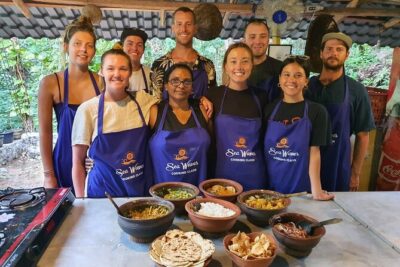
The heart of the experience is the host family’s teaching. In multiple accounts, the instructor name that comes up is Shyama, often teaching alongside her husband. You’ll also get to choose the protein (either chicken or fish) and select vegetables at the market before you cook.
In This Review
- Key points that make this class worth your time
- Arriving in Kandy: Where the day starts and how it feels
- The Kandy market tour: Buying ingredients the right way
- Kandy sights on the way: Lake views, a dance show, and a temple stop
- The village kitchen setting: Traditional cooking, real hospitality
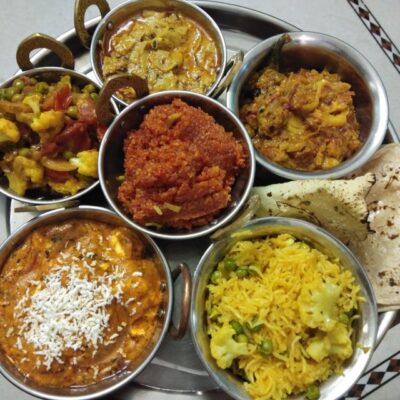
- What you actually cook: Multiple dishes, not a single curry
- The tasting: Finally eating your work
- Price and value: Why $25 can make sense here
- Who should book this cooking class
- Practical tips so your day runs smoothly
- Should you book the Kandy Village Cooking Class?
- FAQ
- How long is the Kandy Village Cooking Class?
- How much does it cost?
- Is pickup offered?
- What happens during the market visit?
- What does the class include in the village?
- How big are the groups?
- Is gluten-free cooking available?
- Where do we meet?
Key points that make this class worth your time
- Market visit first, with help choosing five vegetables and explaining spices and ingredients.
- Pick chicken or fish, then build your meal around those choices.
- Hands-on cooking in a village setting, led by Shyama and family in a traditional home kitchen area.
- You cook multiple dishes, often around 8 to 11, not just one curry.
- Taste everything at the end, so you get results, not just recipes.
- Small group size (up to 15) keeps the lesson practical.
Arriving in Kandy: Where the day starts and how it feels
Your start point is the Kandy Municipal Central Market on Central Market Road (144 Central Maket, Kandy 20000, Sri Lanka). This matters because you’re going into the cooking with one foot in real daily life, not inside a hotel kitchen. The market is where the lesson gets grounded: you see produce, spices, and the logic behind what goes into Sri Lankan dishes.
If you’re trying to plan your day in Kandy, I suggest you treat this as your main “activity focus.” It takes a good chunk of the afternoon and will leave you with food you’ll want to eat and remember.
Also, the class includes pickup offered, but different travelers report different transport experiences. Some get picked up from the hotel; one report notes a separate return cost. So, when you book, ask one simple question: do I get round-trip transport, or only a one-way ride to the market/village area?
You can also read our reviews of more tours and experiences in Kandy.

The Kandy market tour: Buying ingredients the right way
The market visit is the first big win. You do not just stroll and take photos. You’re guided through selecting five vegetables from the variety available. That selection step is key because Sri Lankan cooking often depends on the right produce at the right ripeness, plus how you cut and cook it.
You also get to choose a protein: chicken or fish. That choice shapes the meal and also affects spice balance and cooking method. If you’re vegetarian or avoiding one option, you should ask ahead. The class information clearly states the chicken-or-fish choice, so you cannot assume other proteins will be available.
One of the most practical parts here is the explanation of spices and other ingredients at the market. You learn what things are and how they function in cooking. That turns the later “stir this, roast that” steps into something you understand, instead of memorizing instructions.
One more reason I like this market step: it makes the entire lesson feel personal. You carry your ingredients back in your head as you cook. It stops the day from feeling like a scripted restaurant workshop.
Kandy sights on the way: Lake views, a dance show, and a temple stop
Along the route, the experience includes sightseeing stops around Kandy. You’ll pass through and stop at points like Kandy Lake, a view point, and the Kandy Lake Club for a cultural dance show. There’s also time marked for Kandy City Center, the Kandy District, and a visit to the Temple of the Sacred Tooth Relic.
This part of the day is not about deep study. It’s more like orientation with culture folded in. If you’re new to Kandy, it helps you understand where things sit, what people gather around, and why the city feels the way it does.
A simple planning note: if you’re sensitive to crowds or you like quiet time, keep expectations realistic. Temple and dance stops in a major city can be busy. Bring a little patience and comfortable clothes.
The village kitchen setting: Traditional cooking, real hospitality
After the market, you head to the village setting for the cooking class. This is where the experience becomes genuinely different from cooking classes that happen in a rented room.
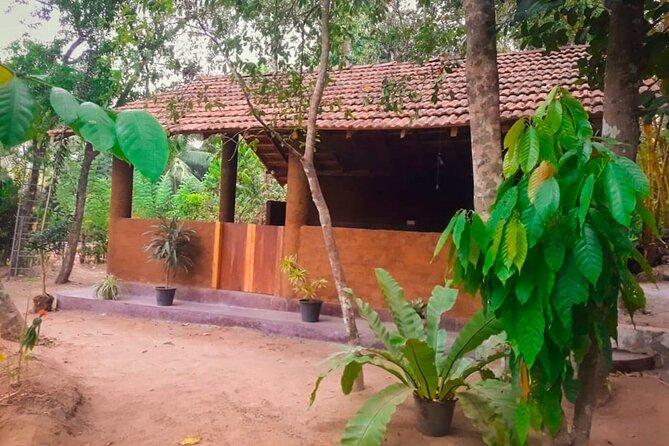
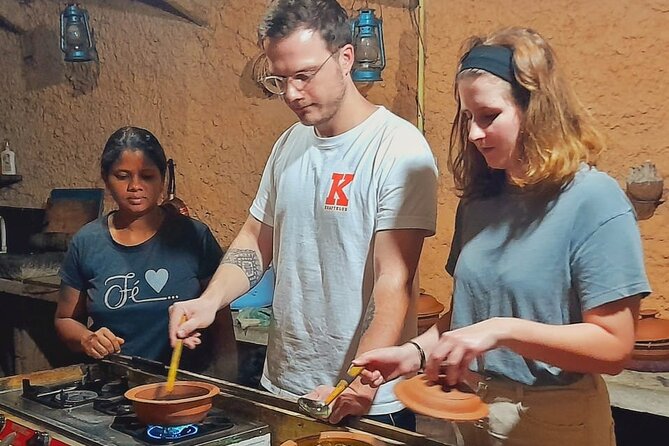
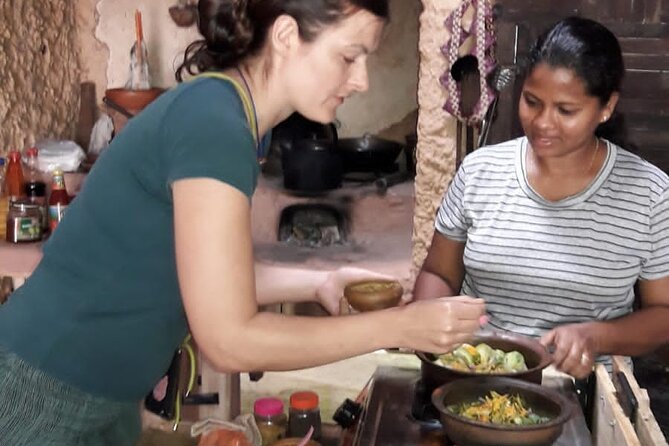
Many accounts highlight a warm welcome in a traditional home area, with cooking taking place in an outdoor or village-style kitchen setup. The setting is part practical and part memorable: you learn in context, not in a stage-managed space.
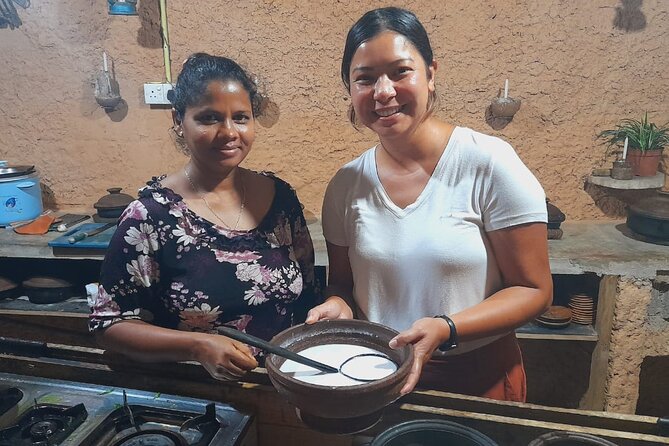
You’ll be guided through preparation and cooking of authentic Sri Lankan dishes. The teaching focus is on techniques and spices, not just recipes on paper. In multiple descriptions, Shyama is specifically called out as an excellent teacher—friendly, clear, and good at answering questions.
If you like cooking that makes sense—chopping, toasting, simmering—you’re in the right place. If you’re hoping for a hands-off “watch and sample” class, you might find it too active. This one is hands-on by design.
What you actually cook: Multiple dishes, not a single curry
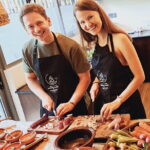
The class is built around making a complete meal. By the end, you’ll have prepared and then tasted a range of dishes. Several accounts mention cooking 8, 9, 11, or similar numbers of items, which suggests the exact count depends on group size and pace.
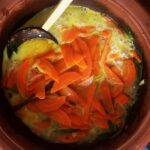
Expect a mix of curries and sides. You’ll also likely see desserts or sweet finishes mentioned, including caramel pancakes with coconut. One standout detail from an account: they made coconut milk from scratch, which is a huge difference from using packaged coconut milk.
Another practical point: the class seems to provide recipes to take home. Multiple accounts say you get recipes so you can repeat the dishes later. Even if you only cook one or two at home, that can be worth the price.
Diet notes matter here. One traveler with celiac disease reported there were no gluten-free options, but ingredients were removed for them (they mentioned soy sauce, mustard, papadam, and pancakes being adjusted). If you have a serious allergy or celiac, contact the provider ahead and explain your needs clearly. Do not assume a safe version will automatically exist.
The tasting: Finally eating your work
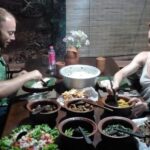
This is one of those parts people love, because you do not finish with a plate that tastes like someone else cooked it. You taste what you made.
That meal is the payoff: after all the chopping, mixing, frying, and simmering, you see how everything comes together. And Sri Lankan meals are meant to be eaten together—spice, coconut, sour, heat, and sweetness all working in the same sitting.
If you’re the kind of person who learns best by feedback (how the curry should taste before it’s “done”), this format fits you well.
Price and value: Why $25 can make sense here
At $25 per person for around 3 hours, this is priced like a budget-friendly activity. The value comes from four things you do that you don’t always get in cooking classes:
- You shop for key ingredients at a market with guidance.
- You choose chicken or fish plus vegetables, so you’re not stuck with someone else’s plan.
- You cook multiple dishes in a true teaching format.
- You eat what you cook at the end.
If your trip goal is to bring home skills, not just souvenirs, this is one of the better ways to spend time in Kandy.
Still, value depends on expectations. If you want a hotel pickup, a long guided tour of Kandy’s highlights, and a fully catered meal with no active work, you may feel this is too hands-on. But if you want to learn how flavors build and how to put them together, the price looks reasonable fast.
Who should book this cooking class
This class is a strong fit if you:
- Want a real taste of Sri Lankan cooking, with market shopping + hands-on cooking.
- Enjoy small-group settings (up to 15 travelers).
- Want to take home ideas you can replicate with your own pantry and time.
It’s also a good choice for couples and individuals. One account described a solo experience where the traveler felt welcomed into the group. Families can also work well; a very large family group (around 14 people) described it as a trip highlight.
You might reconsider if:
- You want a mostly passive activity.
- You have complex dietary needs like celiac and cannot risk cross-contact or ingredient substitutions (since gluten-free options were reported as not available).
- You’re very strict about transport being included end-to-end; ask before you go.
Practical tips so your day runs smoothly
Keep it simple and you’ll enjoy it more.
- Ask about return transport when you confirm pickup. The class offers pickup, but at least one report mentioned paying for return.
- Bring a small appetite buffer. You’ll cook and then eat, so plan your next meal around that.
- Wear comfortable clothes you don’t mind getting a bit warm or stained from kitchen work.
- If you have allergies, message ahead and be specific about ingredients.
And do this: ask questions during the spice explanations. The market talk becomes way more useful once you understand what you’re smelling and why it matters in the pot.
Should you book the Kandy Village Cooking Class?
If you want one Kandy experience that feels hands-on, local, and practical, I think it’s an easy yes. The combo of a guided market visit, ingredient choice, and traditional village-style cooking with Shyama’s instruction makes this more than a meal event. For $25 and about 3 hours, you get skills and food, which is the best kind of souvenir.
Only hold back if transport details (return ride) or serious dietary needs are a concern. If those are clear ahead of time, book it and plan to show up ready to cook.
FAQ
How long is the Kandy Village Cooking Class?
The class lasts about 3 hours (approx.).
How much does it cost?
It costs $25.00 per person.
Is pickup offered?
Yes, pickup is offered. The end of the activity is listed as returning to the meeting point.
What happens during the market visit?
You visit the local market and are guided to select five vegetables, with explanations about spices and other ingredients. You can also choose either chicken or fish.
What does the class include in the village?
You cook traditional Sri Lankan dishes in a village setting, with a brief visit to a nearby village included as part of the experience.
How big are the groups?
The group size is capped at 15 travelers maximum.
Is gluten-free cooking available?
Gluten-free options were not described as available. One account with celiac disease said ingredients were removed/adjusted, but gluten-free options were not provided as a separate full choice.
Where do we meet?
The meeting point is Kandy Municipal Central Market, 144 Central Maket, Kandy 20000, Sri Lanka.