REVIEW · UBUD
From Ubud: Authentic Cooking Class Visit Traditional Market
Book on Viator →Operated by Smile Bali Tours · Bookable on Viator
Cooking in Ubud starts with shopping, not spreadsheets. This class is built around a morning-style traditional market hunt, then a real kitchen lesson that turns ingredients into Balinese recipes you can recreate later. I like that it covers both the buying and the cooking, not just one or the other, though you’ll want to arrive ready to move a bit in the market and cooking space.
Two things I really like: the food you cook is fully part of the experience (you eat what you make), and the class comes with both a physical and digital recipe booklet. A fair consideration: it runs about 3 to 3.5 hours, so if you’re on a tight schedule, plan your day with buffer time—especially with pickup.
The vibe sounds spot-on from past guests too. The chef Ron gets called out as both informative and funny, and the pickup runs on time when it’s scheduled. Combine that energy with a stop in the Celuk area for craft work, and you get a full, practical Bali morning-to-afternoon flow in one package.
In This Review
- Key Highlights You’ll Care About
- Why Ubud’s Market-to-Kitchen Flow Feels Right
- Pickup and Timing: Planning a Smooth 3 to 3.5 Hours
- The Traditional Market Stop: Choosing Ingredients Like Locals
- Celuk Village and the Art Village Side Trip
- Inside the Kitchen: Pastes, Sauces, and a Full Menu
- The Farm Tour: Where Ingredients Get Context
- Diet, Allergies, and Vegan-Friendly Options
- Who This Suits Best (And Who Might Want Another Option)
- Price and Value: What $45 Buys You Here
- What to Bring So You Enjoy It More
- The Bottom Line: Should You Book This Cooking Class?
- FAQ
- What is the duration of the Ubud cooking class?
- How much does it cost per person?
- Is pickup available, and where does it pick up from?
- Is this tour private or shared?
- What will we do at the traditional market?
- How many dishes and desserts will we cook?
- Does the class accommodate dietary needs and allergies?
- What is included in the price besides the cooking class?
- What art/craft visit is included?
- What is the cancellation policy?
Key Highlights You’ll Care About
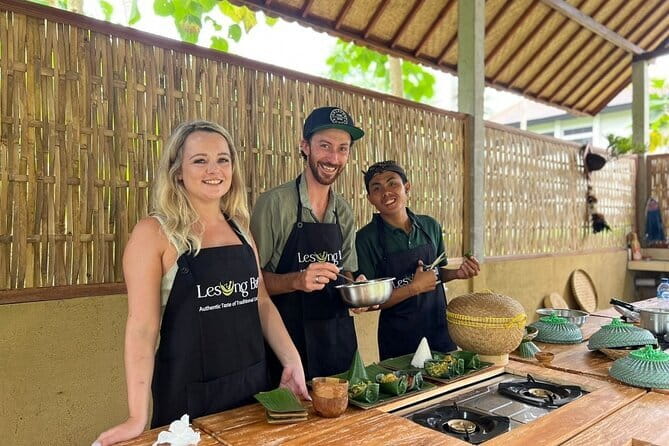
- Market-first ingredient shopping so you know what goes into your dishes
- Chef-led cooking focused on sauces and pastes, not just cutting vegetables
- 5 dishes plus 1 dessert so you actually leave with a full meal education
- Celuk art village stop tied to famous local crafts like batik and metalwork
- Dietary options on request including vegan and allergy needs
- Private group experience with pickup across major Bali areas
Why Ubud’s Market-to-Kitchen Flow Feels Right
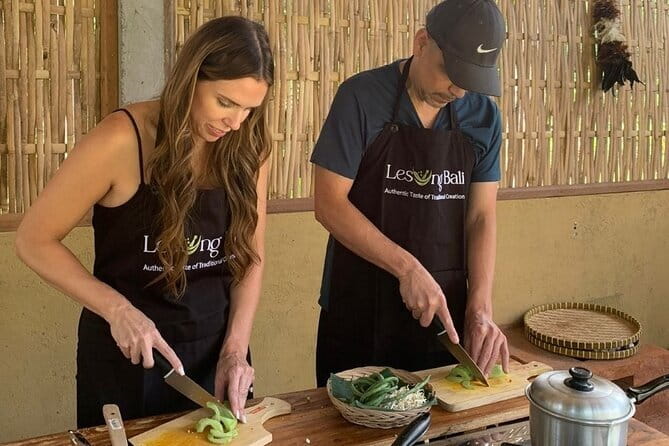
Most cooking classes in Bali are either all lesson or all performance. This one feels more like how locals actually start: you look at ingredients first, then you cook with intention. You begin by picking items in the traditional market, which makes the later steps with spices, sauces, and pastes much easier to understand.
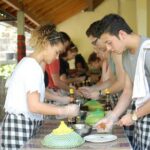
I also like the pacing. You’re not stuck in a lecture room. You’re tasting, choosing, and then hands-on cooking while the flavors are still fresh in your mind. The welcome drink and snacks are a small touch, but they help you settle in before the cooking starts.
One more practical win: you’re not just watching someone else cook. The class is designed so you eat what you make, with a total set of 5 dishes and 1 dessert. That matters. A class can teach you technique, but it’s this meal that makes it stick.
You can also read our reviews of more tours and experiences in Ubud.
Pickup and Timing: Planning a Smooth 3 to 3.5 Hours
Your experience is built around pickup from Ubud and several popular coastal areas: Kuta, Seminyak, Canggu, Legian, Jimbaran, Nusa Dua, and Sanur. You’ll ride in private transport with comfortable air conditioning and an English-speaking driver, plus mineral water included.
Duration is listed as about 3 hours, and the cooking class itself is around 3.5 hours. Either way, expect a half-day block, not a quick stop. If you’re trying to fit it between temple visits or a beach plan, give yourself breathing room. Market walking plus transport time adds up.
Also note the format: it’s a private tour/activity, meaning only your group participates. That’s great for families and couples because you get attention without the usual crowd noise.
The Traditional Market Stop: Choosing Ingredients Like Locals
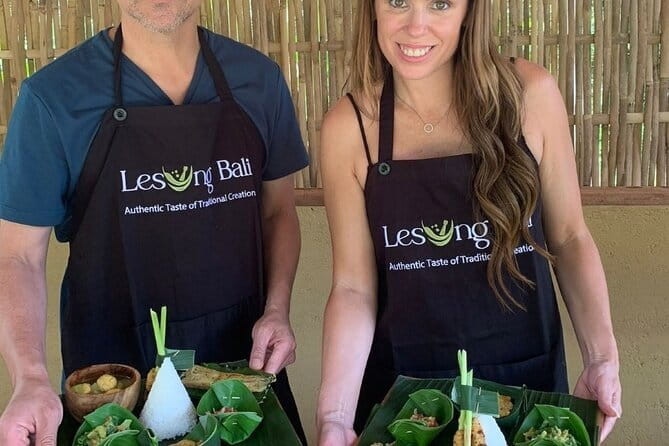
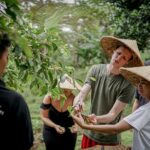
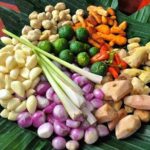
The first real learning step is the market visit. This is where you pick ingredients you’d actually find on Balinese menus, not just tourist-friendly items. Expect options like meats, fish, exotic spices, poultry, and tropical fruits. You’re guided through selection so you can match what you choose to what you’ll cook later.
Here’s what I think this part does best: it turns ingredients into names and decisions. Instead of eating a finished dish and guessing what’s inside, you learn the ingredients’ role. When you later work with pastes and sauces, those choices start making sense.
It also helps you see what you might not notice on your own. Tropical fruit selection, spice bundles, and how different proteins are handled are all part of the learning curve. Even if you don’t buy souvenirs, you’ll leave with a better eye for what’s real and what’s packaged.
Practical consideration: markets can be busy and warm. Wear comfortable shoes and light layers. You’ll walk and stand more than you expect.
Celuk Village and the Art Village Side Trip
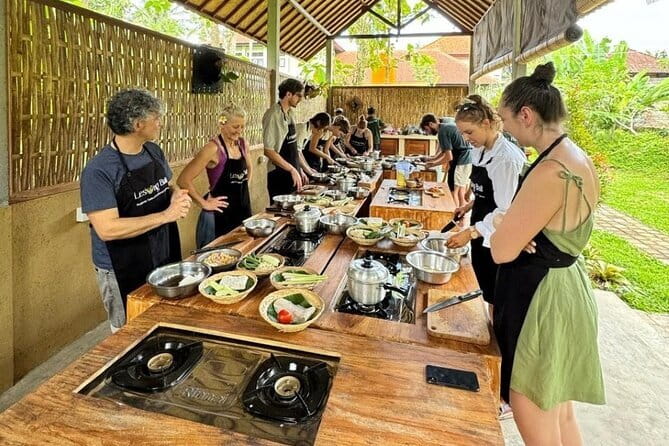
After the cooking portion, you’ll visit an art village stop in the Celuk area (often associated with the craft reputation here). This is where you see local artisans making traditional handicrafts, including batik, wooden carving, and gold and silver smithing.
This part is a nice change of pace from food. Cooking teaches you how Balinese flavors come together. Craft work reminds you that the island’s culture shows up in materials and process too—hands-on work, long practice, and techniques passed down.
There’s also a practical value here. If you’re the type who likes to understand where something comes from, you’ll connect dots. Spices aren’t the only part of Bali that’s made with patience. The art side reinforces that mindset without requiring you to sit through a long talk.
If you’re short on time, keep expectations realistic: this is a look-and-watch stop, not a full studio tour that lasts hours. Still, it’s a meaningful cultural add-on for a half-day experience.
Inside the Kitchen: Pastes, Sauces, and a Full Menu
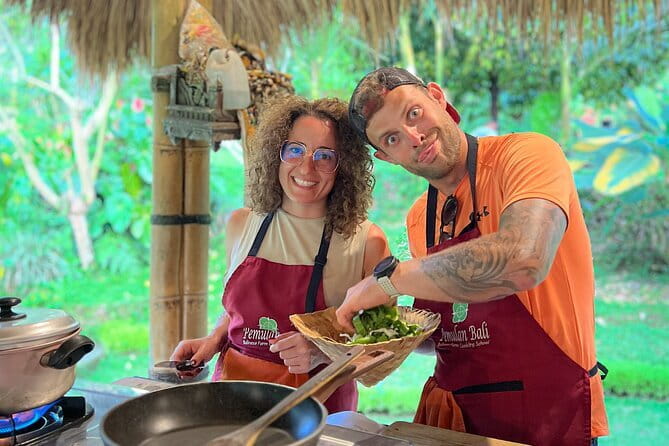
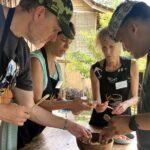
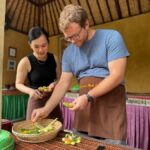
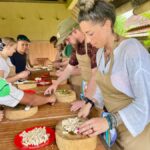
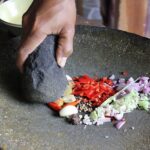
Once you’ve picked ingredients, the experience shifts to the kitchen, where the teaching is built around key Balinese cooking building blocks. You learn the art of making sauces and pastes, plus side dishes and main courses.
That structure matters. Many cooking classes focus on chopping or assembling. Here, the emphasis is on flavor foundations—those blended pastes and sauce components that make Balinese food taste like Balinese food.
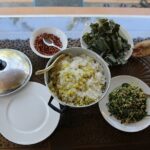
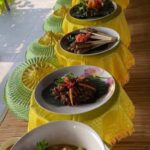
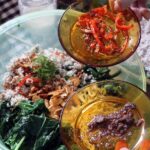
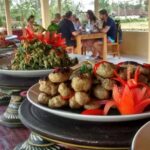
You’ll cook a set menu: 5 dishes and 1 dessert. The exact dishes can vary with the class flow, but the consistent promise is that you’ll make multiple items, not just one highlight dish. And again, you eat what you make, which is part of the value equation. You’re paying for a whole meal plus skills, not just a demo.
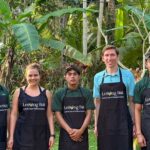
One more detail I appreciate from the feedback: the chef Ron is described as both informative and funny. That’s the right combo for a cooking class. You want clarity without stuffiness, especially if you’re learning spice-heavy techniques in a language setting that may still feel new.

The Farm Tour: Where Ingredients Get Context
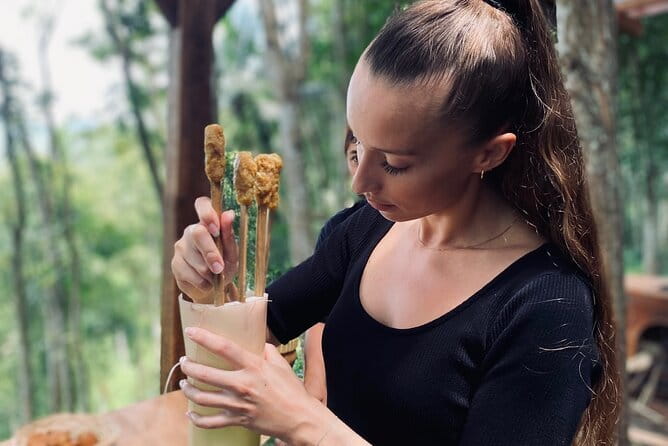
This experience also includes a farm tour. Even when you’re not getting a long scientific explanation, farm stops add context that you don’t get from supermarkets back home. You start to connect ingredients to how they’re grown and sourced.
I like this because it turns the market experience into a bigger story. The market is about picking and using. The farm stop is about origin. Put together, your brain stores the lesson better: you’ll remember not only what you cooked, but why those ingredients matter.
Don’t expect this to replace a full countryside tour. It’s one part of a 3 to 3.5 hour program, so it’s best seen as a quick, practical add-on to support the cooking lessons.
Diet, Allergies, and Vegan-Friendly Options
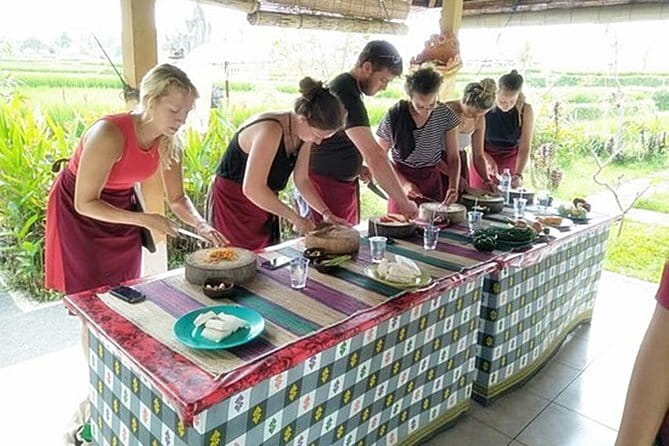
Food needs can make or break a cooking class. The good news here is that the organizers cater to dieters, vegans, and allergies. You can request this after booking or before the experience, and the class is designed to accommodate those needs.
That’s a big deal for value. A class that ignores dietary restrictions might still be technically possible, but you end up stuck with plain food and fewer chances to learn. With an option for vegan and allergy needs, you’re more likely to cook and eat alongside the group.
My practical advice: when you request your diet, be clear about what you avoid. If you have allergies, include the specific ingredient(s) you need to avoid so the team can adjust your ingredients.
Who This Suits Best (And Who Might Want Another Option)
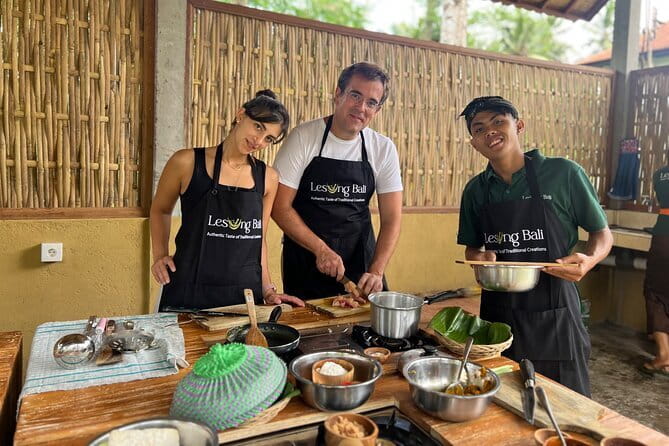
This cooking class works especially well for:
- Families who want an activity with food at the center
- Couples who want a memorable shared experience beyond a restaurant dinner
- Small groups that want a private format with attention from the chef
The private group format is useful if someone in your group gets restless in large crowds. It also makes it easier to ask questions, especially with an English-speaking driver and a chef guiding you through the steps.
Who might reconsider? If you’re extremely time-crunched, the market-to-kitchen pacing can feel like a lot. This is not a one-hour taste test. It’s hands-on learning plus eating, plus a craft stop.
Also, if you don’t enjoy markets at all, you might wonder why it’s the starting point. The whole class is built around that ingredient selection, so skipping it would break the logic.
Price and Value: What $45 Buys You Here
At $45 per person, you’re not just paying for a cooking lesson. You’re paying for a package:
- Pickup and private AC transport
- Traditional market visit and included ingredients used in cooking
- Cooking class plus welcome drink and snacks
- Farm tour
- The full meal: 5 dishes and 1 dessert
- A recipe booklet in both PDF and physical form
That combination is the main value story. Many classes charge similarly but skip one of these pieces—often market shopping, or transport, or a full meal. Here, you’re getting the complete arc: see ingredients, make food, eat food, and take it home in a recipe format.
Also worth knowing: there are group discounts, and it’s booked fairly ahead of time (around 20 days in advance on average). If you’re traveling in peak season or aiming for a specific day, booking earlier helps you avoid scrambling.
One more small plus: you’ll get a mobile ticket, which tends to make the check-in smoother when you’re hopping between activities.
What to Bring So You Enjoy It More
This experience includes transportation and food, so you’re not packing heavy gear. Still, a couple basics help:
- Comfortable shoes for market walking
- A light layer for AC ride time
- A small bag for any recipe-related items and personal purchases
If you have dietary needs, bring or prepare your notes ahead of time. It reduces confusion and saves time once you’re in the flow.
And plan to be hungry. This class is built to feed you, and the tasting part makes the learning feel rewarding.
The Bottom Line: Should You Book This Cooking Class?
If you want Bali food explained in a way that sticks, I’d book it. The market-first ingredient picking, the hands-on focus on sauces and pastes, and the fact that you cook and eat a full set of dishes make it a practical experience, not just entertainment.
I’d lean especially toward this if you like the idea of a cultural double feature: food plus a visit to the Celuk craft side where batik and metalwork are part of everyday creative life. The chef Ron being described as informative and funny is a good sign too—you’ll want a teacher who can keep energy up while explaining technique.
The main reason not to book is simple: if your schedule can’t handle a half-day window, or if markets and walking are a hard no for your group.
If you’re flexible on time and ready to learn by doing, this is one of those Bali activities that leaves you with both memories and recipes you can use.
FAQ
What is the duration of the Ubud cooking class?
The experience runs about 3 hours, with the cooking class listed at around 3.5 hours.
How much does it cost per person?
It costs $45 per person.
Is pickup available, and where does it pick up from?
Yes. Pickup is available from Ubud, Kuta, Seminyak, Canggu, Legian, Jimbaran, Nusa Dua, and Sanur.
Is this tour private or shared?
It’s a private tour/activity, so only your group participates.
What will we do at the traditional market?
You’ll visit the morning market to pick ingredients such as meats, fish, exotic spices, poultry, and tropical fruits.
How many dishes and desserts will we cook?
You’ll cook 5 dishes and 1 dessert, and you’ll eat what you cook.
Does the class accommodate dietary needs and allergies?
Yes. You can request vegan options, dietary needs, and allergies either after booking or before the experience.
What is included in the price besides the cooking class?
Included are an English-speaking driver, mineral water, private AC transport, the traditional market visit, welcome drink and snacks, farm tour, all ingredients and the food you cook, and a recipe booklet plus PDF.
What art/craft visit is included?
You’ll visit Art Village/Celuk Village to see traditional handicrafts such as batik and wooden carving, plus gold and silver smithing.
What is the cancellation policy?
Free cancellation is available. You can cancel up to 24 hours in advance for a full refund, and changes within 24 hours aren’t accepted.