REVIEW · OSAKA
Osaka Sushi Cooking Class “Learn here and make it at home”
Book on Viator →Operated by WashokuYanen · Bookable on Viator
Sushi class in Osaka, hands-on and fun. You’ll learn how to make two popular homemade treats—maki sushi rolls and temari sushi rice balls—while an instructor walks you step by step. It’s a short, focused class with a relaxing tasting at the end, plus drinks to go with your hard-earned creations.
I especially like the flow: a short 30-minute orientation to get your bearings, then a good chunk of time doing the real work with your hands. The group stays small at up to 8 people, so questions don’t vanish and you’re not stuck watching from the sidelines.
One thing to think about: alcohol is included only for travelers 20 and up, so if your group includes younger kids or teens, plan on the non-alcoholic drinks instead.
In This Review
- Key things I found most useful
- Why this Osaka sushi class works (even if you’re a beginner)
- The 3-hour rhythm: orientation, cooking, then a no-stress tasting
- 1) Orientation and prep (about 30 minutes)
- 2) Hands-on cooking (about 1.5 hours)
- 3) Taste your sushi with drinks (about 1 hour)
- What you’ll actually make: maki rolls and temari rice balls
- Maki sushi: learn the core rolling idea
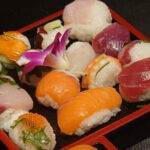
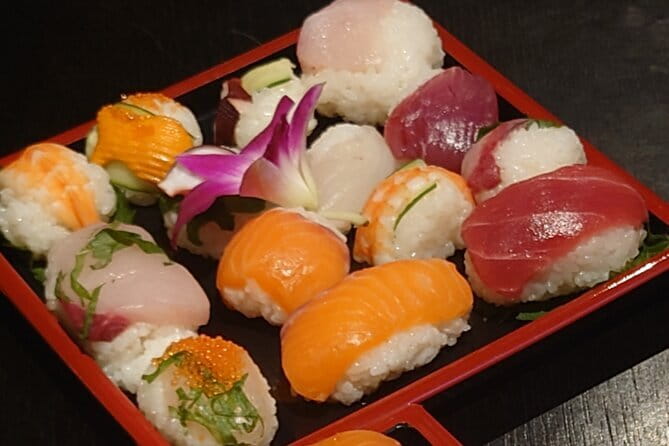
- Temari sushi: bite-sized, adorable, and easier than it looks
- Where the class is in Osaka (and why that matters)
- Language support: what multilingual teaching feels like in practice
- Value and price: is $70 a fair deal?
- Who this class is best for (and who might feel under-matched)
- Smart tips to get the most out of your sushi-making session
- Drinks and age rules: keep expectations clear
- What to expect from the overall vibe
- Should you book this Osaka sushi cooking class?
- FAQ
- What dishes will I learn to make?
- How long is the class?
- What is the class schedule?
- Where is the meeting point?
- How close is it to public transportation?
- What languages are available for instruction?
- Are drinks included?
- Is alcohol included for everyone?
- Do I need to bring any tools or ingredients?
- Can I request vegetarian or allergy options?
- Is there free cancellation?
Key things I found most useful
- You make two dishes, not just one: maki sushi rolls and temari rice balls
- Hands-on time is the point: after a quick intro, you get to cook for about 1.5 hours
- Multilingual instruction is built in: English is included, with Japanese/Spanish available upon request
- You taste your results with drinks: sake, beer, and soft drinks are part of the experience
- Convenient central location: about a 5-minute walk from Shinsaibashi and Honmachi stations
- Small group size (max 8): better for pace, questions, and comfort
Why this Osaka sushi class works (even if you’re a beginner)
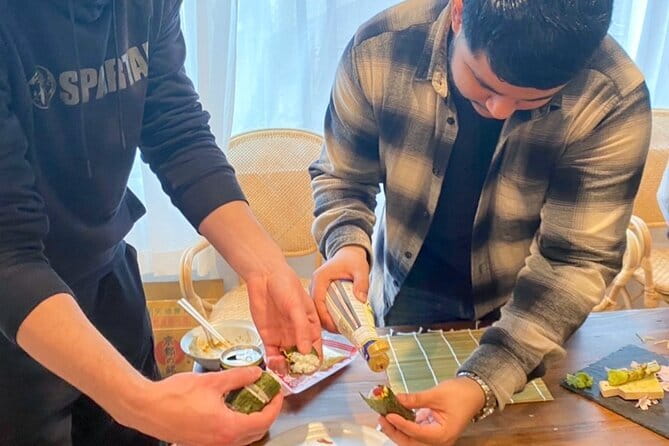
This class is designed for real-world travelers: you don’t need sushi skills, special ingredients, or kitchen experience. You show up, you cook, and you eat what you made. That’s a big deal in Japan, where it’s easy to find classes that feel more like demonstrations than true practice.
The two dishes also make smart sense. Maki sushi gives you a classic Japanese home-cooking skill—rolling seasoned rice with fillings inside seaweed. Temari sushi is shorter, bite-sized, and playful. If maki feels a little intimidating, temari tends to feel more immediately doable because it’s shaped by hand.
You’re also not stuck on a rigid schedule all day. The total time is about 3 hours, split between orientation, cooking, and a tasting break. You’ll leave with enough learning to repeat the basics back home, but you won’t feel like you spent your entire vacation in a kitchen.
You can also read our reviews of more tours and experiences in Osaka.

The 3-hour rhythm: orientation, cooking, then a no-stress tasting
Here’s what the timing means for you once you’re there.
1) Orientation and prep (about 30 minutes)
This is the part where you learn what matters before your hands start moving. You’ll get guidance on the sushi rolls and sushi rice balls you’ll make, plus how the station is set up for tools, ingredients, and cleanup.
For beginners, orientation is where you get your bearings fast. It helps you avoid the most common mistake: trying to improvise before you understand the basic structure. For repeat cooks, it’s a nice reset—Japan does things with a little different logic than many home kitchens.
2) Hands-on cooking (about 1.5 hours)
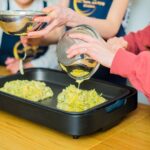
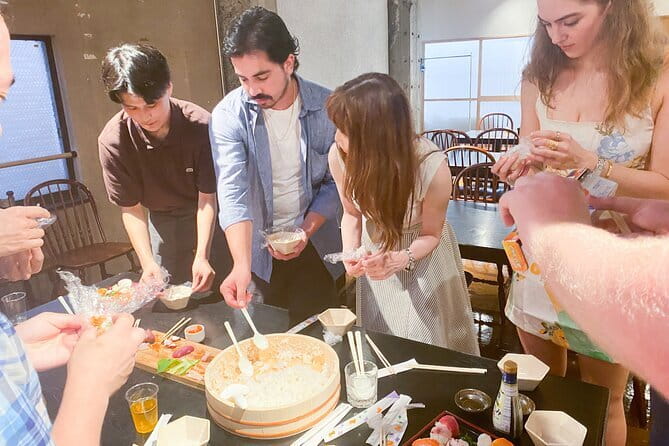
This is where the experience earns its value. You’ll prepare maki sushi (a roll-style sushi) and temari sushi (bite-sized rice balls topped with fish or vegetables). The class includes kitchen tools, ingredients, aprons, and disposable plastic gloves, so you’re not scrambling for supplies.
What I like about this setup is that it lowers the stress level. Rolling and shaping foods can get messy, but the class gives you the barriers and tools so the mess stays manageable. You focus on technique and taste, not on wondering whether you’re holding things the wrong way.
Also, because it’s a small group (max 8), you get chances to ask for help before mistakes turn into frustration.
3) Taste your sushi with drinks (about 1 hour)
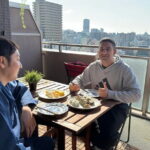
After cooking, you get to sit back and enjoy what you made. Drinks include sake, beer, and soft drinks. If you’re traveling with mixed ages, this is still a win: only adults 20 and older get the alcohol; under-20 guests get non-alcoholic options.
This tasting hour is more than a reward. It’s a practical check of what you learned. You can compare your maki texture and your temari shaping, then adjust the next time you try it.

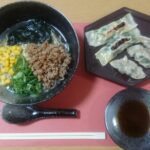
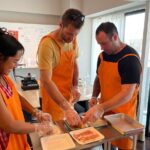
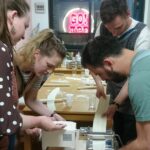
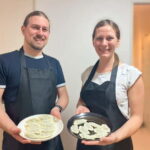
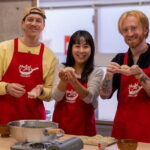
What you’ll actually make: maki rolls and temari rice balls
Maki sushi: learn the core rolling idea
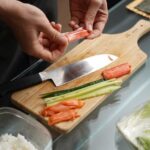
Maki sushi is the most common type of sushi roll—rice plus fish and vegetables inside a sheet of seaweed. You’ll be guided through the steps, and you’ll get hands-on practice building the roll.
The big value here is structure. Even if you can’t replicate the exact fillings later, you’ll understand the core idea: how sushi is assembled as a unit that cuts cleanly and eats well.
Temari sushi: bite-sized, adorable, and easier than it looks
Temari sushi is a cute, bite-sized version: rice shaped into a ball and topped with fish or vegetables. One helpful tip from people who have done this class is that temari can feel surprisingly easy using simple shaping methods like plastic wrap.
So if you’re worried you’ll spend the whole class struggling with perfect-looking rolls, temari is a confidence booster. It’s also a great option for families because kids tend to enjoy shaping food into something that looks like a little work of art.
Where the class is in Osaka (and why that matters)
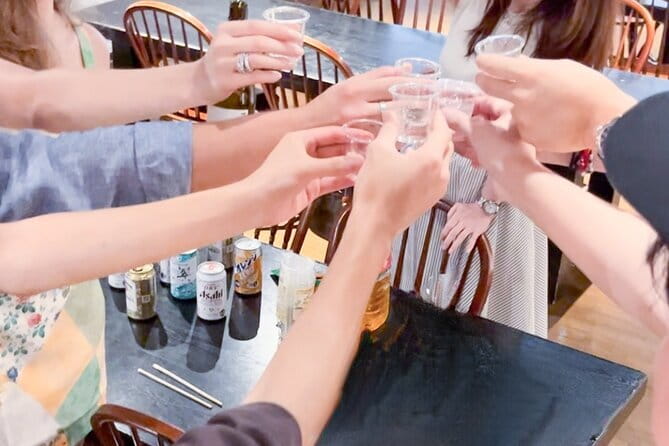
The kitchen is in the heart of Osaka, in a calm neighborhood. It’s about a 5-minute walk from both Shinsaibashi and Honmachi stations, on the Osaka Metro.
That location is practical for two reasons:
First, it’s easy to fit into your day. Shinsaibashi is a common base area for shopping and dinners, and Honmachi is handy if you’re using the subway more than walking long distances.
Second, you don’t feel like you’re taking a trek out to the outskirts. Central Osaka is lively outside, but the class is in a quiet spot, which helps you focus on what you’re doing rather than rushing through traffic and crowds.
Language support: what multilingual teaching feels like in practice
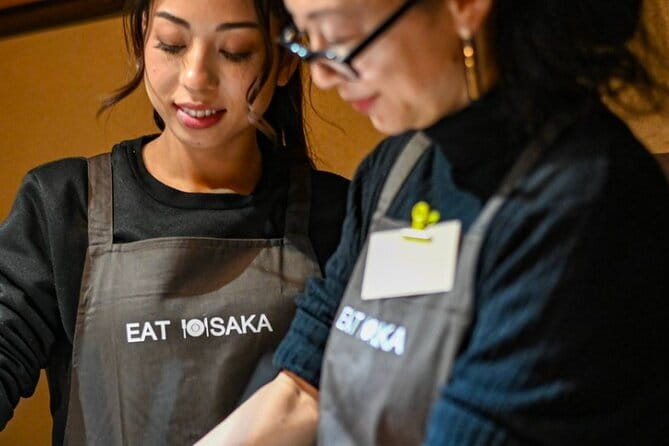
The class includes an English-speaking instructor, and you can request Spanish and Japanese speaking instructors. That matters more than it sounds.
In a cooking class, you’re not just listening to explanations—you’re following hand motions. Having instructors who can clarify in your language can be the difference between a roll that holds together and one that falls apart on your cutting board.
If you’re traveling with a language mix in your group, this format makes it easier to keep everyone engaged.
Value and price: is $70 a fair deal?
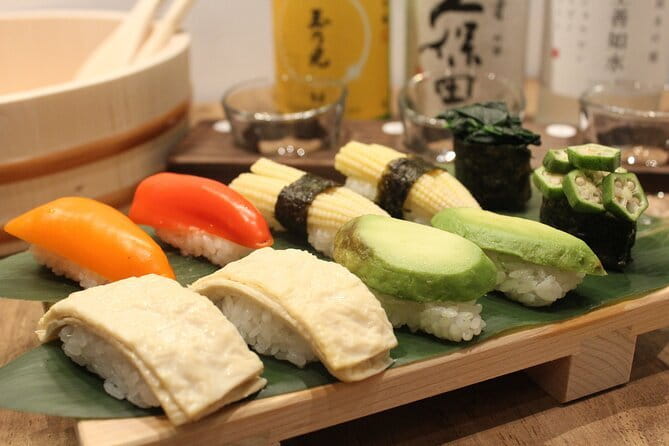
At $70 per person for about 3 hours, this class sits in a sweet spot for Osaka. You’re paying for several things you’d otherwise have to piece together:
- An instructor guiding your hands through two sushi styles
- All ingredients and kitchen tools
- Aprons and disposable plastic gloves
- A tasting hour with drinks (including sake and beer for adults)
If you tried to recreate this at home without local guidance, you’d likely spend time (and money) on ingredients plus trial-and-error. Here, the class gives you the shortcuts: technique, pacing, and feedback while you cook. That’s the real value.
Also, the small group size (max 8) helps justify the price. You’re not competing for attention in a huge room.
Who this class is best for (and who might feel under-matched)
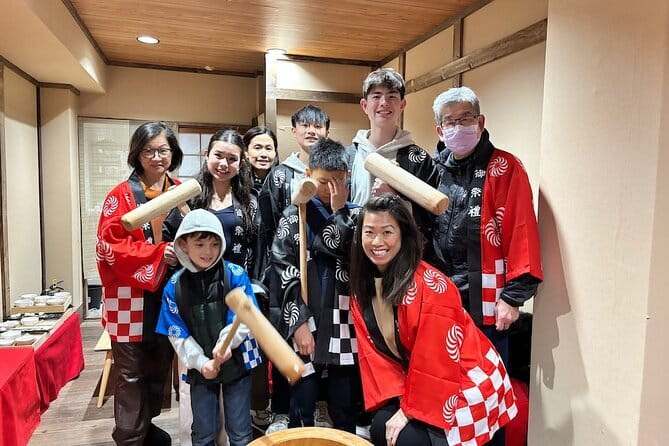
This is a strong fit if you want a practical skill you can repeat. You’ll get experience with two major sushi styles—maki and temari—so you’re not leaving with only one narrow trick.
It’s also a good choice if you’re traveling with family. The class format is hands-on, and the finished temari look fun on a plate. Kids often do well when the steps are structured and the food is simple to shape.
You might want to think twice if you’re looking for a long, deep culinary training experience. This is not an all-day sushi immersion course. It’s a well-paced introduction that ends with tasting, not a multi-session mastery track.
Smart tips to get the most out of your sushi-making session
You don’t need cooking prep at home, but you can still help yourself during the class.
First, arrive ready to get a little messy. Gloves and aprons are provided, but sushi prep can still be a hands-on activity. Come with a relaxed mindset and you’ll enjoy the learning curve.
Second, pay attention during orientation. The small early lesson helps later when you’re rolling, shaping, and building flavors. If you wait until cooking feels confusing, you’ll lose time trying to figure out what’s going wrong.
Third, plan to taste what you made. The tasting hour is part of the teaching. Try to notice what feels right: roll firmness, topping balance, and overall flavor.
Drinks and age rules: keep expectations clear
Drinks are included: sake, beer, and soft drinks. The key detail is the age rule—alcohol is served only to travelers 20 and above.
If you’re traveling with teens, this usually doesn’t break the experience. They still get soft drinks, and you still get that satisfying wrap-up where everyone eats and relaxes.
What to expect from the overall vibe
The class style is social and upbeat, but not chaotic. Because the group is limited, you can talk with your instructor and move at a comfortable pace.
Also, this is the kind of activity that tends to feel better than a pure meal stop. You’re doing something, not just watching. And when you finish, you have a food souvenir you can’t buy in a shop: the memory of making it yourself and doing the steps correctly once.
Should you book this Osaka sushi cooking class?
Book it if you want a practical Osaka food experience with real take-home skill. Maki sushi and temari sushi cover two classic styles, the class lasts about 3 hours, and you get guided instruction plus a tasting hour with drinks. The location near Shinsaibashi and Honmachi also makes it easy to fit into a day without logistics headaches.
Skip it (or consider another option) if you’re chasing a long, highly specialized training program. This is an approachable introduction, not a multi-day, instructor-run advanced sushi certification.
If your goal is: I want to learn two sushi types, I want to eat them right away, and I want the basics I can repeat at home—this is a solid bet.
FAQ
What dishes will I learn to make?
You’ll learn how to make maki sushi (sushi rolls) and temari sushi (bite-sized rice balls).
How long is the class?
The experience lasts about 3 hours total.
What is the class schedule?
The program includes an orientation and preparation period (about 30 minutes), cooking time (about 1.5 hours), and a tasting with drinks (about 1 hour).
Where is the meeting point?
The start location is 南船場コレット9044-chōme-3-1 Bakurōmachi, Chuo Ward, Osaka, 541-0059, Japan.
How close is it to public transportation?
It’s about a 5-minute walk from both Shinsaibashi and Honmachi stations on the Osaka Metro.
What languages are available for instruction?
English is included. Spanish-speaking instruction is available upon request, and Japanese speaking instruction is also available upon request.
Are drinks included?
Yes. Drinks are included, including Japanese sake and beer (for eligible adult travelers) and soft drinks.
Is alcohol included for everyone?
No. Alcohol is served only to travelers 20 years old and above. Guests under 20 will be served non-alcoholic drinks.
Do I need to bring any tools or ingredients?
No. The class provides kitchen tools, ingredients, aprons, and disposable plastic gloves. You just come ready to cook.
Can I request vegetarian or allergy options?
You can request options for vegetarian or food allergies by contacting the provider after booking.
Is there free cancellation?
Yes, you can cancel for a full refund up to 24 hours in advance. The experience also requires good weather, and if it’s canceled due to poor weather, you’ll be offered a different date or a full refund.