REVIEW · UBUD
Afternoon Cooking Class & Making Bali Offering with Dinner
Book on Viator →Operated by Wayan Aris · Bookable on Viator
Nine dishes can fit one afternoon. This Ubud experience is interesting because you learn the core Balinese spice paste technique and then use it to cook a 9-dish menu you’ll actually eat. One consideration: the afternoon format may not include the market stop, depending on what’s scheduled.
I like the family-at-home feel, and the setup is run by host Wayan Aris with a small group (up to 12). You’ll start with a welcome drink (cold ginger tea), then make a Canang Bali offering as part of daily Balinese practice before you step into the cooking lessons.
Logistics are simple if you’re staying near central Ubud. Free pickup/drop is only for the Ubud center area; if you’re outside it, you’ll need to request pickup (extra charges may apply) and bring some cash for any add-ons.
In This Review
- Key things you’ll notice right away
- Why the 2:00 pm timing feels right in Ubud
- Getting to the right place: Ubud Palace pickup and meeting point
- Cold ginger tea and Canang Bali: you start with culture, not recipes
- Spice paste basics: the skill that powers up to nine dishes
- The 9-dish cooking plan: what the hands-on session really feels like
- Where the meal lands: dinner at the family house
- What you get for $46: value check, not just a price tag
- Who should book this (and who should consider a different slot)
- Practical tips so your afternoon runs smoothly
- Should you book Afternoon Cooking Class & Making Bali Offering with Dinner?
- FAQ
- What time does the afternoon class start?
- How long is the experience?
- Is hotel pickup included?
- Does the class include a market visit?
- Do I cook the food myself?
- What should I bring or pay for?
Key things you’ll notice right away
- Canang Bali offering first: you learn the ritual side before the food side
- Spice paste is the main skill: the same base shows up across multiple dishes
- Up to nine recipes, one meal: you cook and taste as you go, then sit down together
- Family-run pace with a small group: more hands-on, less waiting around
- Afternoon timing starts at 2:00 pm: good if you want a late lunch-style dinner plan
- Pickup is limited to Ubud center: outside areas require an extra request
Why the 2:00 pm timing feels right in Ubud
This is built around an afternoon schedule, with the start time listed as 2:00 pm and a duration of about 5 hours. For many people in Ubud, that means you can skip the morning rush and still get a full cooking-and-dinner plan.
You also get a clear rhythm: cultural start, hands-on cooking, then a sit-down meal at the family house. If you’re the type who likes doing one focused activity instead of hopping from stop to stop, the timing works.
You can also read our reviews of more tours and experiences in Ubud.
Getting to the right place: Ubud Palace pickup and meeting point
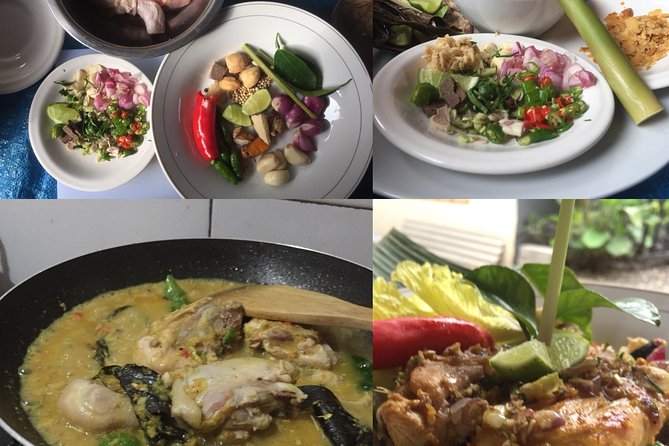
The meeting point is at Ubud Palace (Jl. Raya Ubud No.8, Ubud), and the activity ends back at that meeting point. The important part is how pickup works for your exact location.
- Free pickup/drop is included for the Ubud center area only.
- If you’re outside Ubud, pickup may require an additional charge and you must request it; otherwise, pickup won’t be arranged.
If you’re staying just outside the pickup zone, do a quick sanity check with the operator message you get after booking. Also plan to arrive on time—this class is scheduled and runs with a steady flow.
Cold ginger tea and Canang Bali: you start with culture, not recipes
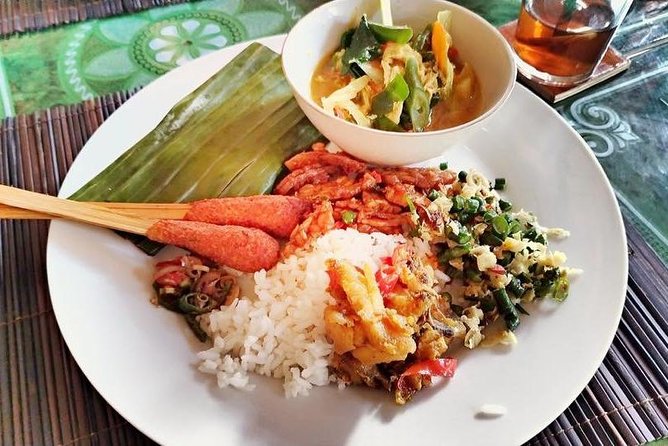
Before any cutting board drama, you’ll be welcomed with a cold ginger tea. It’s a small touch, but it sets the tone: this isn’t just about learning to cook; it’s about learning in a real household setting.
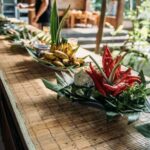
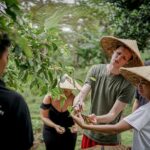
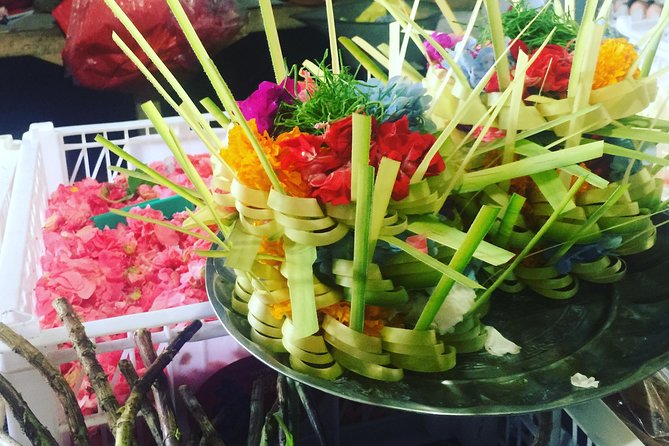
Then comes making a Canang Bali offering. Canang offerings are part of everyday Balinese life, so you’re not simply doing a craft. You’re learning why something small and practiced matters in daily rhythm—then you carry that same mindset into the cooking.
In my book, this is one of the best parts of the experience because it explains context early. Food lessons stick better when you understand what people are honoring and why flavors and routines go together.
Spice paste basics: the skill that powers up to nine dishes
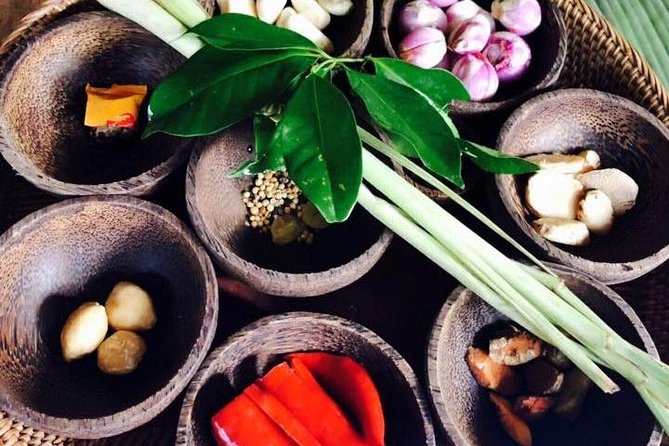
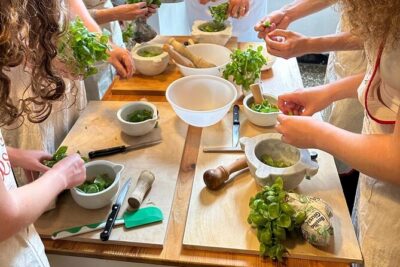
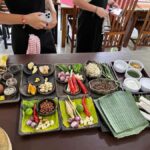
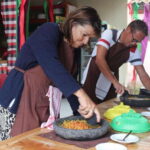
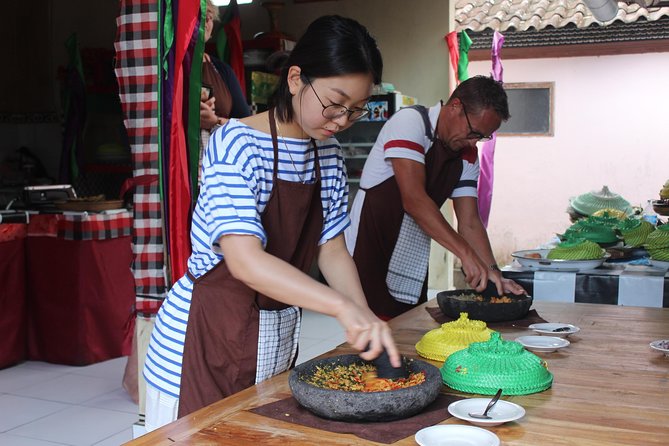
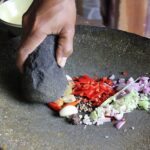
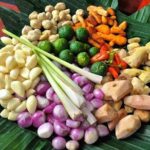
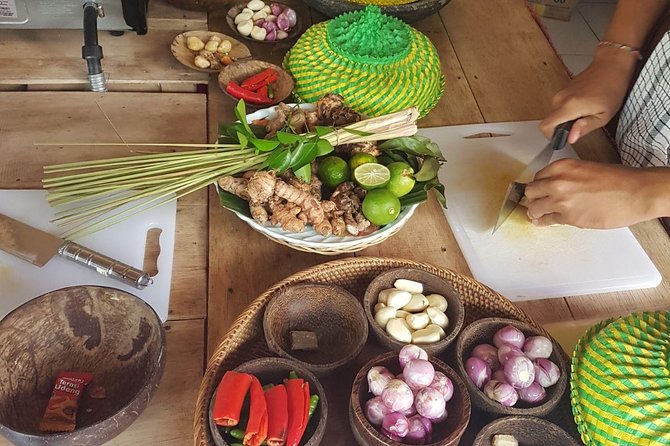
The class centers on making Balinese spice paste, described as a base used for many dishes. This is the core technique that turns a pile of ingredients into something you can build on again and again.
Here’s what I’d watch for if you’re hoping to take skills home: try to learn the logic behind the paste. Even if you don’t measure like a chef at home, you can still learn texture and balance—how it looks, how it smells, and how it behaves when it hits heat.
This matters because you’re not cooking just one item and calling it a day. The paste approach helps you connect the dishes, so the class feels like one continuous lesson rather than nine unrelated recipes.
The 9-dish cooking plan: what the hands-on session really feels like
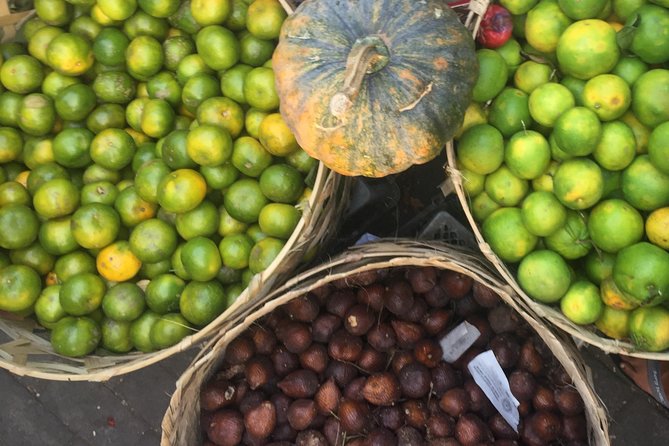
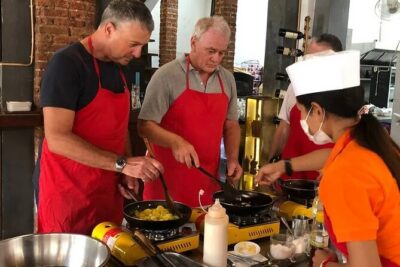
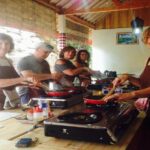
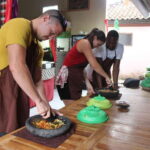
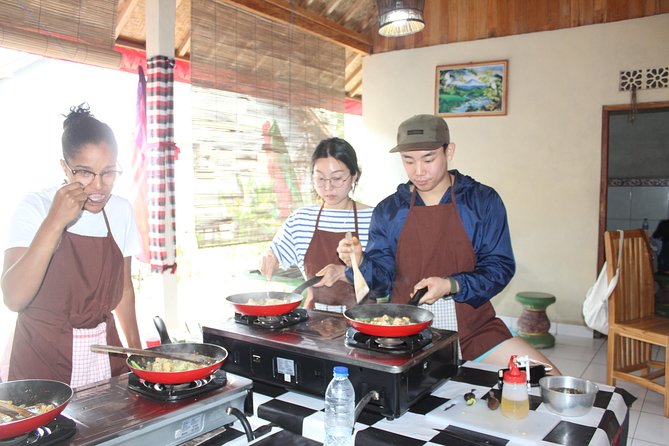
You’ll cook up to nine Balinese recipes. In practice, you’re likely to move through a sequence: you’ll learn a step, make a dish, taste it, and then move forward to the next one.
The big win here is that you’re not just standing back and watching. The experience is set up so that you do the cooking yourself and then taste what you made at the family house.
One note on pacing: some prep may be handled in advance (the structure of the program suggests parts like chopping or partial prep can be done before you take over). That can make the class feel faster, and in a good way—more time eating and less time stuck waiting.
Also, you’ll be given time to sample your food as part of the experience. That’s a smart approach for a cooking class because it helps you understand when something tastes right.

Where the meal lands: dinner at the family house
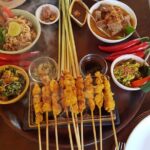
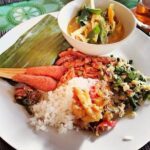
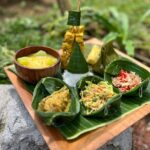
After the cooking, you’ll enjoy your meal at your host’s home with the family setup. Dinner is included, and the program explicitly describes a big meal made from what you cooked.
This is where the afternoon turns from class to experience. Instead of eating in a restaurant where you can’t tell who made what, you sit down with the result of your own work in a home setting.
One extra practical bonus: the experience includes a PDF sharing of a copy of the 9 Balinese recipes. That means you can recreate at least the main dish flow later, even if your memory fades after the fun.
Some people also mention that extra food can be packed for you to take back. I’d treat that as a “might happen” perk, but it’s a real possibility based on past experiences.
What you get for $46: value check, not just a price tag
At $46 for about 5 hours, this is priced like a serious hands-on class, not a quick demo. The value comes from three places:
- You get a full dinner included with what you cook.
- You learn a transferable base technique (spice paste) tied to multiple dishes.
- You get transport support for the Ubud center area plus bottled/mineral water.
If you’ve done Bali cooking classes before that feel like a show-and-snack deal, this one has a stronger “you do the work” structure. With a maximum of 12 travelers, it also tends to feel more personal and less crowded, which affects how much attention you actually get.
Is it perfect value for everyone? If you’re only looking for a short cultural outing with light cooking, you might find it longer than you need. But if you’re hungry for technique and you want a real dinner out of it, the price makes sense.
Who should book this (and who should consider a different slot)
This is a great fit for you if you:
- want a hands-on cooking class where you cook multiple dishes
- like culture that ties directly to food (Canang offering + cooking)
- prefer a small group setting
- want a dinner plan that isn’t just eating out again
It may be less ideal if you’re specifically chasing a market tour. The information for the afternoon format states no market visit. Still, that depends on scheduling—other formats may include a market stop, and some people have compared experiences based on morning vs afternoon choices.
If your top priority is ingredient shopping in a local market, you might want to check the morning option timing. If your priority is cooking, spice paste skills, and eating a full meal you made, the afternoon works beautifully.
Practical tips so your afternoon runs smoothly
A few things will help this go from good to great:
- Wear clothes you don’t mind getting a bit fragrant or stained. Cooking means seasoning and possible splashes.
- Plan to have cash on hand, since you may need money to buy something or for additional charges if you’re outside Ubud.
- If you’re in the border zone for pickup, confirm whether your hotel is treated as part of Ubud center.
Also, be ready to work at a steady pace. This experience packs a lot into about five hours, so show up rested and ready to cook.
Should you book Afternoon Cooking Class & Making Bali Offering with Dinner?
I’d book it if you want your afternoon in Ubud to end with a real meal you made with your own hands. The combination of Canang Bali offering, learning spice paste as a base, and cooking up to nine dishes gives you both culture and cooking skills—not just a photo-friendly activity.
Skip it only if you’re coming mainly for a market visit or you know you’ll be frustrated by a tighter schedule that may not slow down for extra stopping points.
If you fit the “cook, taste, and learn at a family home” style, this is a strong value for the money and a memorable way to spend a day in Ubud.
FAQ
What time does the afternoon class start?
The experience starts at 2:00 pm.
How long is the experience?
It runs for about 5 hours (approx.).
Is hotel pickup included?
Pickup is offered for the Ubud center area for free, and drop-off is included. If you’re outside Ubud, pickup needs to be requested and may cost extra.
Does the class include a market visit?
For the afternoon class, it states no market visit is included.
Do I cook the food myself?
Yes. You learn the spice paste base and then make up to nine Balinese recipes, tasting what you prepare. Dinner is included, based on what you cook.
What should I bring or pay for?
Bring cash money for any purchases. If you’re out of the Ubud area, you may also need to pay additional charges if pickup is arranged.