REVIEW · SEOUL
Seoul: Temple Vegan Cooking Class & Oriental Medicine Tour
Book on Viator →Operated by TRIPPER KOREA · Bookable on Viator
Your day starts with Buddhist vegan cooking. This Seoul experience pairs a monk-led class with Korean herbal medicine markets that most visitors only glance at from the outside. You get an English interpreter, so the why behind the food and remedies actually lands.
I especially like how the format mixes hands-on cooking with practical wellness stops, not just sightseeing. You’re in a small group (up to 20), it runs about 4 hours, and you can use a mobile ticket. Expect a “see, taste, learn, reset” kind of morning or afternoon.
One heads-up: there’s no hotel pickup, and you’re moving through Seoul by public transit. If you’re not feeling confident with subway transfers or walking directions, budget extra patience (and wear good shoes).
In This Review
- Key things to know before you go
- Temple vegan cooking with a monk at the Korean Temple Food Center
- From ginseng remedies to museum-level history: Yangnyeongsi and K-Medi Center
- A quick reality check on the massage experience
- Old theater Starbucks and vintage LG: why the Gyeongdong Market area matters
- Underground shopping and market bites: Gyeongdong Market and omija
- Cheongnyangni Fruit and Vegetable Market: seasonal produce as a wellness idea
- Price and logistics: does $77 feel fair for a 4-hour format?
- Best-fit travelers (and who should skip it)
- Should you book this Seoul temple vegan cooking and oriental medicine tour?
- FAQ
- How long is the Seoul temple vegan cooking and oriental medicine tour?
- Where do I meet, and where does the tour end?
- What’s included in the price?
- What happens at the Korean medicine center?
- Is hotel pickup or drop-off included?
- How big is the group?
- What is the cancellation policy?
Key things to know before you go
- Monk-led temple cooking at the Korean Temple Food Center (plant-based dishes with guidance and interpretation)
- Korean medicine stops focused on history, massage therapy, and a cafe drink
- Herb and produce markets for ginseng/herbal remedies and seasonal fruit-and-veg ingredients
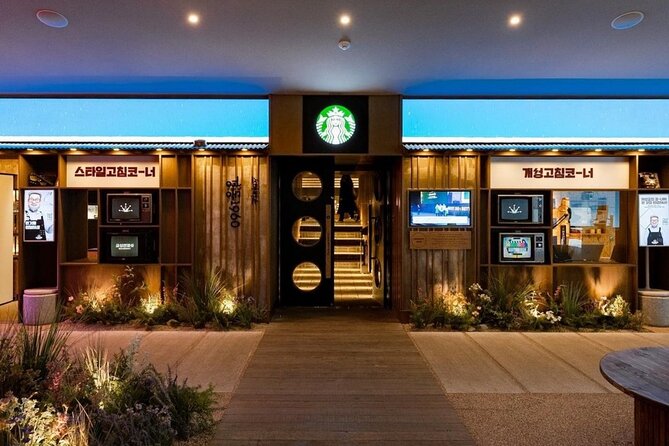
- Interesting culture detours like Starbucks Gyeongdong 1960 and Gold Star Radio LG
- Market food tasting including simple bites and healthy drinks such as omija
- Small group pace with up to 20 people and a fixed meeting/start-to-finish route
Temple vegan cooking with a monk at the Korean Temple Food Center
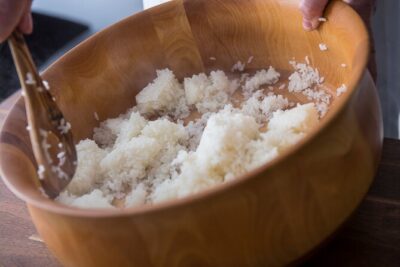
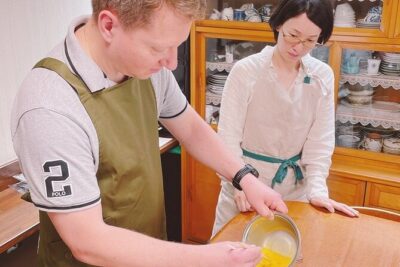
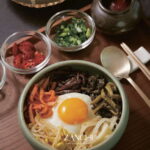
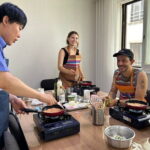
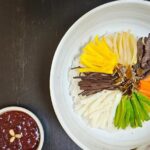
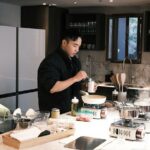
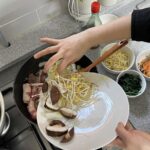
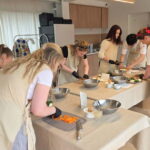
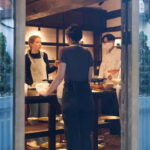
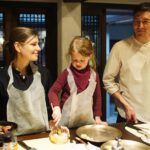
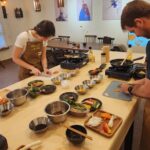
The tour really starts where it matters: food, made with intention. At the Korean Temple Food Center, you learn traditional Buddhist cuisine from a real monk. The style is plant-based and rooted in Buddhist philosophy, meaning it is less about Western-style “diet” and more about balance—how flavors, texture, and ingredients fit into everyday life and wellbeing.
What you’ll get out of this part:
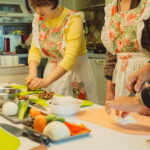
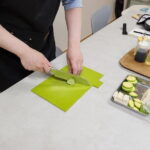
- Clear, step-by-step instruction during a cooking experience
- Context for why certain flavors and ingredients show up in temple food
- A chance to ask questions through the English interpreter, instead of guessing your way through culture
A practical tip: bring curiosity, not perfection. Temple cooking is often about simplicity and restraint. Even if you’re not a fast cook, this is the kind of class where the group moves at a human pace.
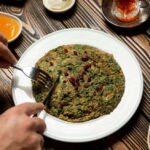
Also, because this is temple food, you’ll likely feel good afterwards. It’s not a heavy, meat-and-sauce meal. It’s the sort of first stop that can make the rest of the tour feel calmer.
You can also read our reviews of more tours and experiences in Seoul.
From ginseng remedies to museum-level history: Yangnyeongsi and K-Medi Center
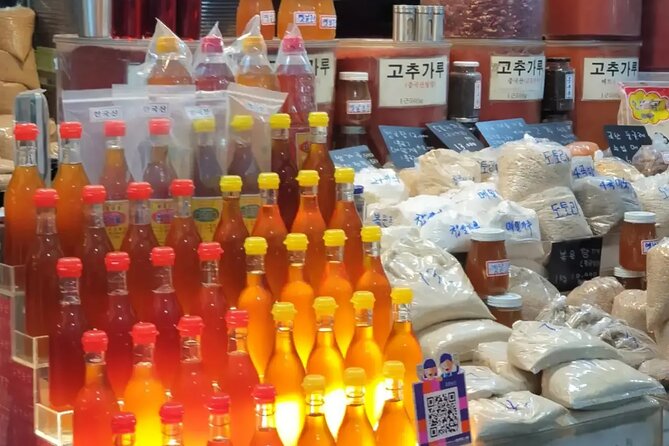
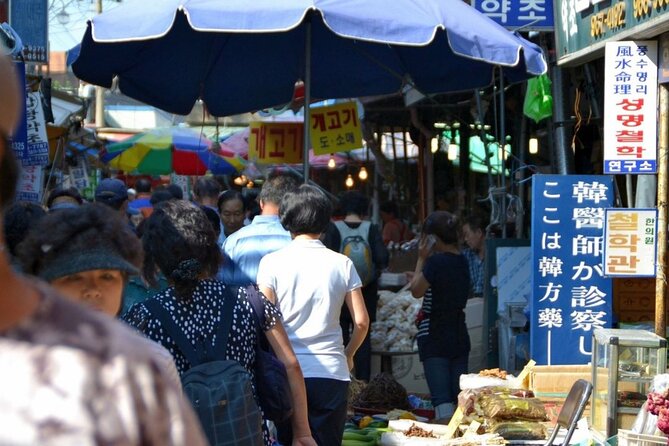
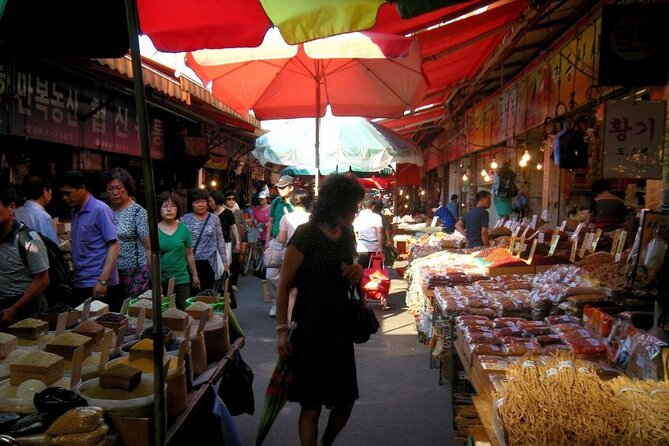
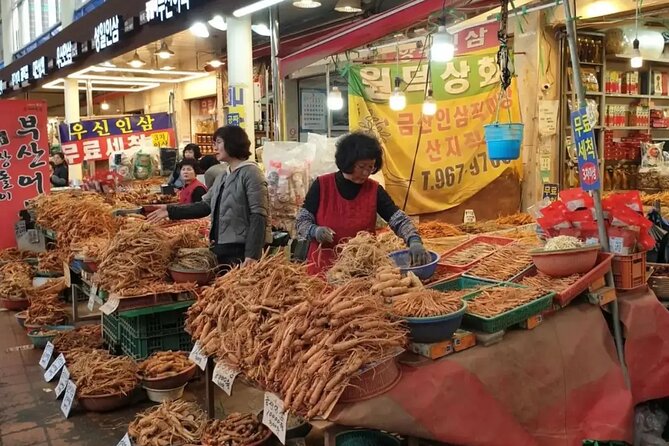
After the cooking class, you head into the world of Korean medicine. First is Seoul Yangnyeongsi Market, one of the best-known medicinal herb markets in the city. This is where you’ll see herbs and healing ingredients tied to traditional remedies.
It’s a short stop, but it’s not just a “look and leave” moment. The value here is that you can connect physical ingredients to the cultural idea of health and balance—especially if you’ve only encountered herbal medicine in teas back home. You’re also going to see ginseng’s importance, which is central to how Korean traditional medicine is discussed.
Then comes the Korean medicine experience inside the K-Medi Center area. You’ll visit a museum focused on the history of Korean medicine, and the program is structured around three activities:
- A museum visit to learn about the history of Korean medicine
- Traditional Korean massage therapy where you try massaging areas like your waist, eyes, hands, and feet to relieve fatigue
- A drink break at the Korean Medicine Cafe (you get one cup)
Why this works for your day:
- It makes the concept of Korean medicine feel tangible, not abstract
- The massage portion helps you experience the “relieve fatigue” idea right away
- The cafe drink gives you a gentle finishing touch instead of sending you straight into more walking
A quick reality check on the massage experience
The massage therapy part is included, but the exact method can vary. One experience report described the massage as being done by machine, not purely hands-on. Another described the massage as great. So if you prefer a very human, fully hands-on treatment, keep your expectations flexible. Either way, it’s still a good cultural and body-oriented add-on to the rest of the tour.
If you get a guide like Jade (mentioned for being kind and patient), you’ll likely get more confidence during the hands-on portions and better explanations while you’re doing it.
Old theater Starbucks and vintage LG: why the Gyeongdong Market area matters
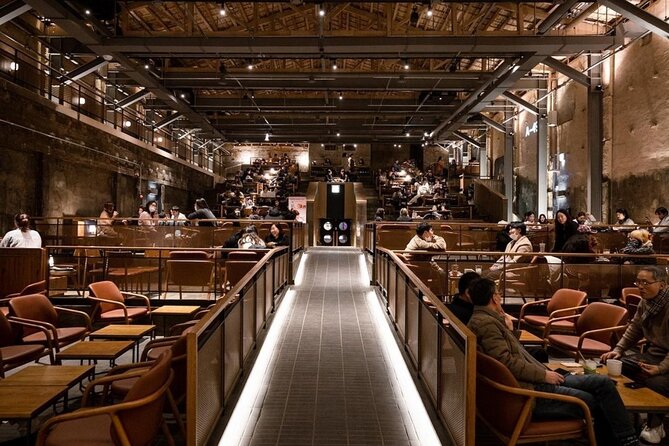
Some tours in Seoul sprinkle in history. This one uses history as a contrast tool.
You’ll stop at Starbucks Gyeongdong 1960. This café is reconstructed from an old theater, which means you’re not just ordering a drink—you’re in a building that carries a story about Seoul’s change over time. It’s a good waypoint when you want a break from market walking without losing the cultural thread.
Next up is Gold Star Radio LG, featuring vintage Korean electronics. This isn’t a random side stop. It supports a theme of development—how Korea moved from older forms of everyday tech and design into what became a global industry. If you like seeing how objects reflect a country’s era, you’ll enjoy this.
These two stops are short, so treat them as a “glance and context” stop, not a long museum day. Still, they help the day feel like more than wellness and food. You’re getting a sense of Korea’s mindset: respect the past, keep building.
Underground shopping and market bites: Gyeongdong Market and omija
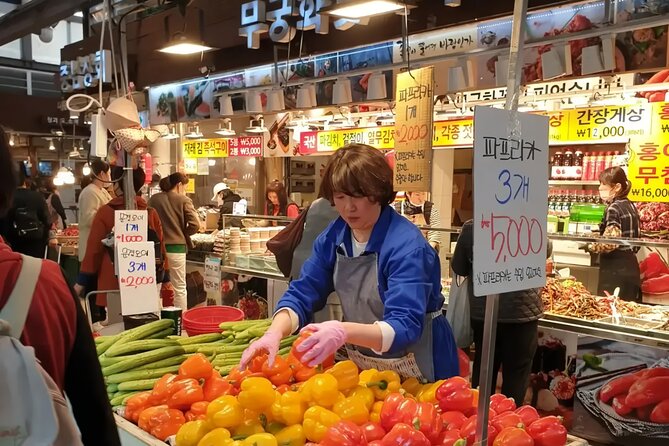
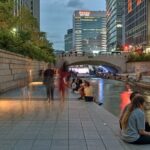
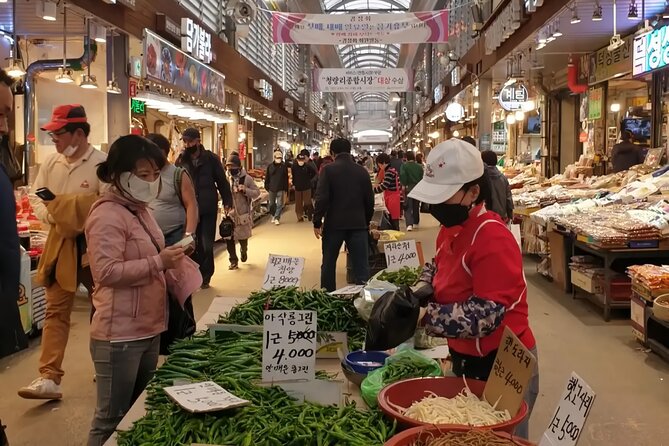
After the tech-and-culture pauses, you head into the market side of Seoul, including Gyeongdong Market Underground City. This subterranean shopping area is known for preserving an old market feel from the 1980s. That matters because it gives you something different from the typical mall experience—more everyday commerce, more texture, and a sense of how people shopped and socialized in a different era.
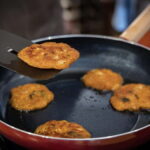
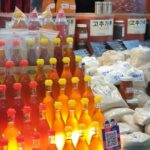
Then you’ll have a chance to try local market food. The tour includes simple bites such as fruits and vegetables, plus healthy drinks like omija. Omija is a traditional fruit drink that’s often described as tart and refreshing, and it’s a classic way to taste something that doesn’t feel like another generic soda.
What I think you should do here:
- Take the smallest samples first. Markets can overwhelm your senses fast.
- Eat slowly enough that you notice flavors, not just quantity.
- Use the included snacks/drinks as your “fuel,” because the rest of the tour still involves walking.
Also, if you’re sensitive to crowds: this area can feel packed, especially on weekends. The tour covers a small number of fixed stops, but that doesn’t eliminate crowds in central Seoul.
Cheongnyangni Fruit and Vegetable Market: seasonal produce as a wellness idea
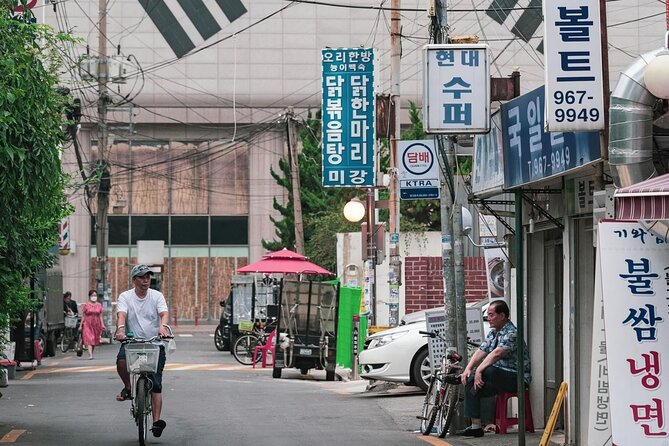
The final food-and-wellness piece connects back to ingredients. At Cheongnyangni-dong’s Traditional Fruit and Vegetable Market, you’ll see an array of seasonal produce and get time to taste exclusive fruits that are unique to Korea.
This is where the tour’s wellness theme turns practical. Instead of talking only about remedies and massage, you’re looking at produce as part of health—what’s in season, what’s local, and how those ingredients shape everyday eating.
It’s also a great stop for photos, but more importantly, it’s a chance to understand what you’re actually buying and tasting in Korea. If you like cooking at home, this is the part that can give you ingredient inspiration without needing a fancy pantry.
Price and logistics: does $77 feel fair for a 4-hour format?
At $77 per person for about 4 hours, this tour lands in the “good value if you care about food and culture” category.
Here’s why the pricing can make sense:
- Temple food cooking experience plus admission to a Korean medicine museum
- A guided program with an English interpreter
- Included tastings: fruits, healthy beverages, snacks, and simple market food
- A massage therapy component and a cafe drink
- Transportation fees included, which reduces your hassle cost
Here’s what you’re giving up:
- You’re not getting hotel pickup or drop-off. You need to make your own way to the start point and then finish at the end point.
One more logistics tip: you’ll receive detailed info one day before the tour with the guide’s contact via WhatsApp (as long as you provide a phone number available on WhatsApp). If you plan to rely on that info for meeting clarity, make sure the phone number is active. If not using WhatsApp, double-check your email inbox.
Best-fit travelers (and who should skip it)
This tour is a strong match if you want a Seoul day that mixes:
- Vegan/plant-based cooking with a real cultural teacher
- Korean traditional medicine explained through a museum, massage, and food/drinks
- Market time that includes tasting, not just looking
You might skip it if:
- You hate public transit and lots of short walking segments
- You prefer long, free-time wandering. This is a structured route with fixed stops
- You want only hands-on massage treatment. The method may be mechanical depending on the setup
Should you book this Seoul temple vegan cooking and oriental medicine tour?
Yes, if you want a rare Seoul combo: cooking class at a temple-style food center plus Korean medicine learning you can feel in your body. The tour’s best strength is how it connects ingredients, remedies, and wellbeing into one day—without turning it into a lecture.
Book it especially if you like practical travel: eat something you learned how to make, try a traditional drink like omija, and see markets and cultural landmarks that explain Korea’s past-and-present relationship. If you’re strict about hotel pickup or you get stressed by subway transfers, plan carefully and use the guide contact info so the start doesn’t become a scavenger hunt.
FAQ
How long is the Seoul temple vegan cooking and oriental medicine tour?
It runs for about 4 hours.
Where do I meet, and where does the tour end?
You start at Artist Bakery, 167 Anguk-dong, Jongno District, Seoul. The tour ends in Jegi-dong, Dongdaemun District, Seoul.
What’s included in the price?
The tour includes a professional licensed English guide, snacks and fruits and healthy beverages, admission fee for the Oriental Medicine Museum, one drink at an Oriental Medicine Cafe, the temple food cooking experience, and transportation fees.
What happens at the Korean medicine center?
At the Korean Medicine Development Center area, you visit a museum about Korean medicine history, try traditional Korean massage therapy (including the waist, eyes, hands, and feet), and enjoy a drink at the Korean Medicine Cafe.
Is hotel pickup or drop-off included?
No. Hotel pickup and drop-off are not included.
How big is the group?
The tour has a maximum of 20 travelers.
What is the cancellation policy?
You can cancel for a full refund if you cancel up to 24 hours before the experience starts. If you cancel less than 24 hours before, the amount paid is not refunded.