REVIEW · MARRAKECH
4-hour Cooking Class in a Moroccan Kitchen with a Chef
Book on Viator →Operated by Cooking class with Oumaima · Bookable on Viator
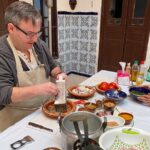
Tagine lessons start in the Marrakech market. With Chef Oumaim and Laila, you shop, season up, and cook a 3-course meal in about four hours.
This is the kind of Marrakech experience that turns food into real knowledge, not just entertainment.
I love the market check where you learn how to judge produce quality and herbs. I also like the hands-on rhythm, from an argan oil-based appetizer to a chicken or beef tagine using Moroccan spices.
One thing to consider: your exact menu and ingredients depend on a short allergy check when you arrive. If you’re late or unsure about what you can eat, it can throw off the flow.
In This Review
- Key Highlights You’ll Care About
- Why This 4-Hour Moroccan Cooking Class Works in Marrakech
- Meeting at Hammam Ziani and Choosing Your Menu
- Market Time: How to Shop Like You Mean It
- Moroccan Tea Lesson: A Small Step With Big Payoff
- Appetizer Focus: Cooking With Argan Oil
- Tagine Main Course: Chicken or Beef With Ras El Hanout
- Dessert Step: Ending on a Sweet Note
- Eating Together: Your 3-Course Lunch or Dinner
- Price and Value: Is $33.73 a Good Deal?
- Who This Class Suits Best (And Who Might Skip It)
- Practical Tips Before You Go
- Should You Book This Marrakech Moroccan Cooking Class?
- FAQ
- What time does the cooking class start in Marrakech?
- How long is the Moroccan cooking class?
- Where does the class meet?
- Is this a small group class?
- Can the class accommodate vegetarian or vegan menus and allergies?
- What dishes will I cook during the class?
- Is there free cancellation?
Key Highlights You’ll Care About
- Market shopping that teaches quality: you’ll learn what makes good produce and spices worth buying
- Moroccan tea practice: you’ll learn the tea method early, before the cooking heats up
- Argan oil + ras el hanout: classic flavors you’ll actually cook with
- Vegetarian and vegan options: your menu is selected to match your needs before you start
- Small group cooking: capped at 10 travelers, so you’re not lost in the crowd
- A free surprise at the end: a nice extra after the meal
Why This 4-Hour Moroccan Cooking Class Works in Marrakech
You don’t need a full day to get the core of Moroccan cooking. This class is built around a tight loop: market → kitchen → 3-course meal. In about four hours, you’ll go from picking ingredients with guidance to eating what you made.
What makes it feel real is that you’re not just copying a recipe. You’re learning the logic behind it: how to spot quality in the market, which spices matter, and how the timing works when you’re building an appetizer, a tagine-style main, and dessert.
Also, the value is strong. At $33.73 per person, you’re paying for expert instruction plus a full meal experience. Many food tours in Marrakech leave you hungry for seconds. This one is about leaving the table satisfied and knowing what you did.
You can also read our reviews of more tours and experiences in Marrakech.


Meeting at Hammam Ziani and Choosing Your Menu
The class starts at 10:00 am at Hammam Ziani 14, Rue Riad Zitoun el Jdid, Marrakesh 40000. It’s also convenient that the activity is near public transportation, and the tour uses a mobile ticket.
When you meet the chefs, you’ll do two important things up front:
- You check for food allergies.
- You choose a suitable menu, including vegetarian and vegan options.
That first step matters more than people think. Moroccan cuisine relies heavily on herbs, spices, and the way ingredients are layered. If you have an allergy or dietary preference, it changes what you can safely cook and how substitutions work. Getting this sorted early helps the kitchen flow instead of turning into last-minute scrambling.
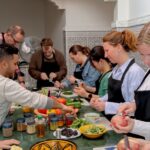
The group is capped at 10 travelers, which helps you get real attention. In a bigger class, you might only taste. Here, you’re likely to participate.
Market Time: How to Shop Like You Mean It
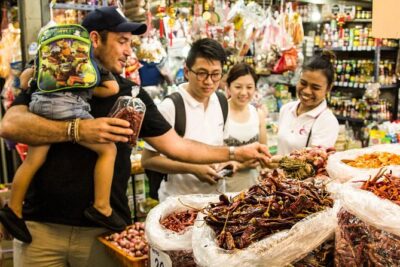
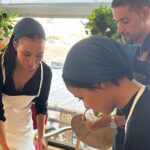
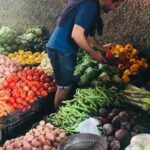
Your shopping part starts right after the menu and allergy check. You’ll head to the market with Chef Oumaim and Laila to pick fresh produce and key spices.
Here’s the best part: you’re not just buying ingredients. You’ll learn how to determine the quality of what you choose. That could mean looking for the right color, smell, firmness, or freshness—things that are easy to miss if you’re only thinking about what sounds good.
This market stop gives you two big benefits:
First, it teaches you what Moroccan home cooks pay attention to. Spices are not all equal, and neither are vegetables. When you learn what to look for, you stop treating recipes like rigid steps and start treating them like judgment calls.
Second, it turns Marrakech into more than a background for photos. You’ll notice how produce and herbs get handled, and you’ll understand why some dishes taste deeper. Even if you’ve cooked tagine before, this shopping logic can level up your results.
Moroccan Tea Lesson: A Small Step With Big Payoff
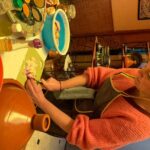
Before the main cooking begins, you’ll head to where you have breakfast and learn how to make Moroccan tea.
You might see Moroccan tea everywhere in Marrakech, but a lot of people experience it as something served to them, not something they understand. Learning the method changes the way you taste it. You’ll notice the balance of the tea, the sweetness, and how the flavor feels when it’s made the traditional way.
Think of this part as a reset button:
- You slow down.
- You settle your nerves.
- You switch from street wandering to cooking mode.
And it sets the flavor mood. Moroccan tea is often the first taste that cues the rest of the meal.
Appetizer Focus: Cooking With Argan Oil
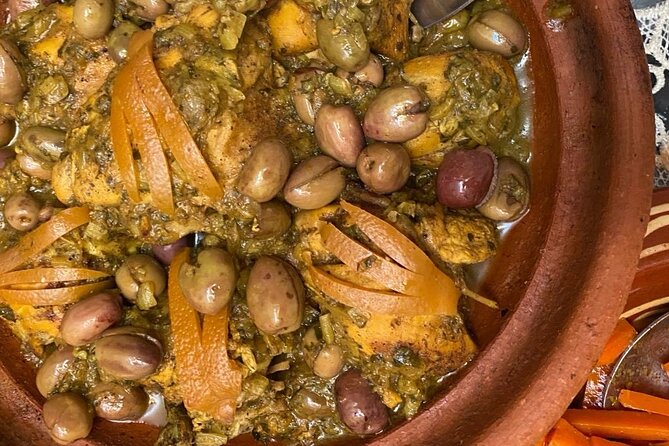
The class appetizer uses argan oil, and this is a great intro ingredient because it makes you pay attention. Argan oil isn’t just a generic cooking oil. It has a distinct flavor profile, and using it teaches you how a single ingredient can steer the whole dish.
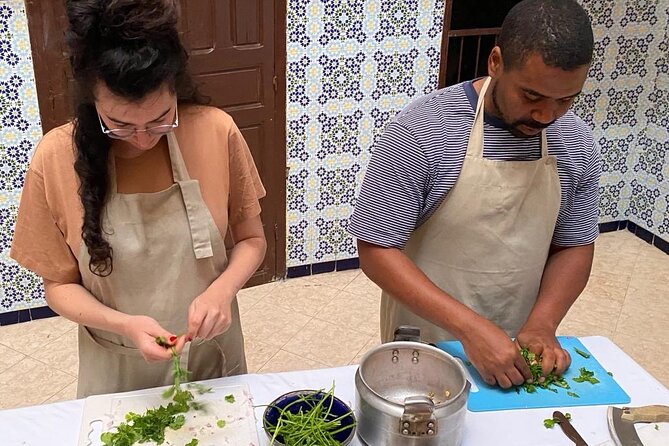
In practice, this part of the class is where you get comfortable with the kitchen process: prepping, tasting as you go, and understanding how heat and seasoning work together. It’s also a good moment to ask questions, since the appetizer stage is usually less pressured than the main course.
If you like food that feels both familiar and unusual, this appetizer is a strong start. It’s classic Moroccan flavor without being bland or overly complicated.

Tagine Main Course: Chicken or Beef With Ras El Hanout
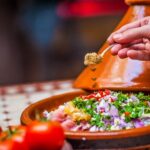
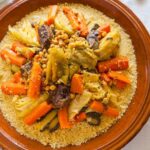
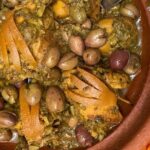
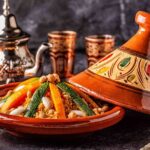
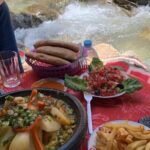
Now you move into the star show: the main course. You’ll cook a tagine using Moroccan spices, specifically ras el hanout. Your exact version is chosen for your group, either chicken tagine or beef tagine, based on the menu selection.
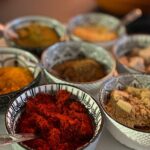
Let’s talk about ras el hanout for a second. It’s not one single spice. It’s a blend, and it’s designed to bring depth. That means when you cook with it, the aroma hits first, then the flavor evolves as the dish cooks.
This is the part where you’ll understand tagine as more than a name. You’re learning how Moroccan spice blends behave with meat (and with the fats and liquids that carry flavor). You’ll also learn how seasoning choices can affect whether the dish tastes warm and rounded or flat.
Possible consideration: if you’re picky about meat, be ready to choose your chicken or beef option during the menu selection. The chefs plan around what the group is cooking, so confirming preferences early helps.
Dessert Step: Ending on a Sweet Note
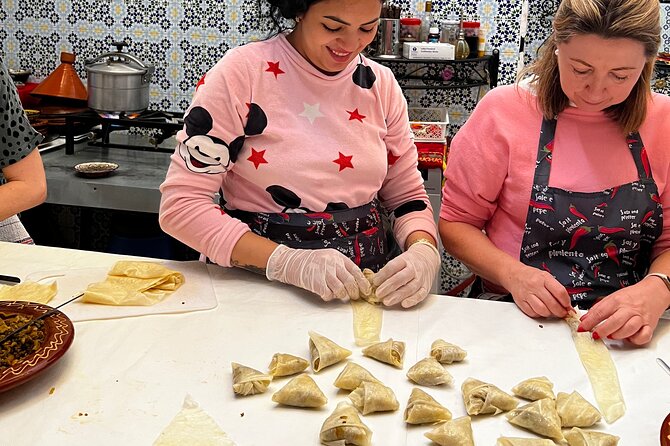
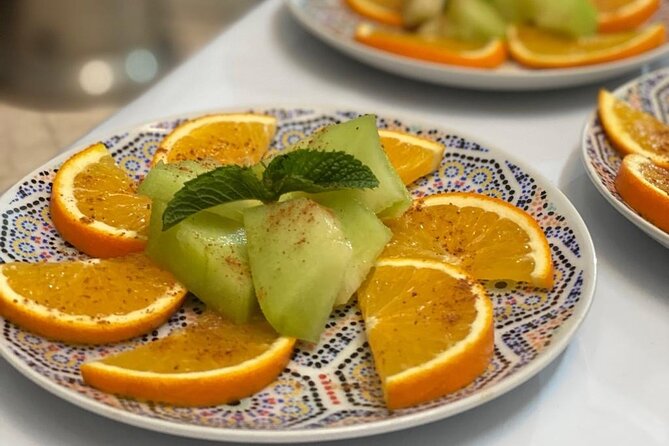
After the main course, the class finishes with dessert. The information you get is clear that dessert is part of the hands-on session, but the exact dessert type isn’t specified in the details provided.
Still, this final stage matters. Dessert gives you closure and a full picture of Moroccan meal pacing. You’ll see how flavors shift from savory spices to something sweet and lighter, so the final bite doesn’t feel like an abrupt ending.
Also, in a cooking class, dessert is often where you learn presentation and the final seasoning touches. Even if the dessert is simple, the chef-led approach helps you understand how to finish cleanly.
Eating Together: Your 3-Course Lunch or Dinner
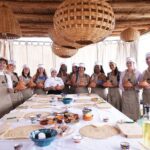
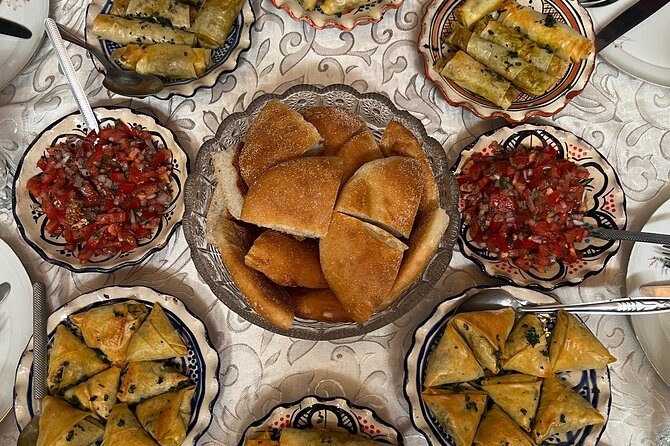
Once everything is cooked, you sit down and enjoy your meal. The experience is described as a 3-course lunch or dinner, and the included items list lunch and dinner, so you should plan to eat as part of the class flow rather than just snack between steps.
This seated meal is the payoff. You’ll taste what you made with the context you built earlier in the market and kitchen. You’ll also be in a relaxed setting, which helps questions turn into real learning.
And after the meal, there’s a free surprise. It’s a small touch, but it adds that extra sense of hospitality that makes the class feel like more than a transaction.
Price and Value: Is $33.73 a Good Deal?
For $33.73 per person, you’re getting a lot packed into one short visit:
- Chef-led instruction from Oumaim and Laila
- A market shopping component to select ingredients
- Hands-on cooking across appetizer, tagine main, and dessert
- Eating the meal you cook, in a 3-course format
To judge value in Marrakech, look at what you’re really paying for: not just food, but guidance and the ingredients experience. This class includes the market selection and the cooking instruction, which is usually where cooking classes justify the price.
What’s not included is also straightforward:
- Bottled water is not included
- Coffee and/or tea is not included
The class does include a Moroccan tea lesson, but don’t assume extra beverages beyond what’s part of the tea session. Bring water if you’re picky about taste.
If you want a hands-on lesson and a full meal without paying a restaurant markup, this is one of the more sensible options in Marrakech.
Who This Class Suits Best (And Who Might Skip It)
This cooking class is a strong match if you:
- want a practical Moroccan cooking experience in one half-day block
- enjoy spices and want to work with ras el hanout and argan oil
- care about food choices and want vegetarian and vegan menu options
- like smaller groups, since it caps at 10 travelers
You might want to look elsewhere if you’re only after a long guided tour of Marrakech sights. This is about the food process and the meal, not about seeing the city on foot for hours.
Also, if you have allergies, it’s worth it, but be ready to discuss them early during arrival. The menu is chosen after that allergy check.
Practical Tips Before You Go
A few habits make your class smoother:
- Arrive a little early. The menu decision happens at the start, and cooking time is tight.
- Wear comfortable shoes. You’ll be moving between market areas and the kitchen/breakfast spot.
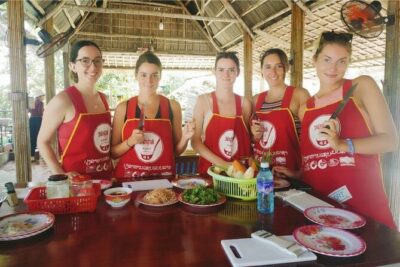
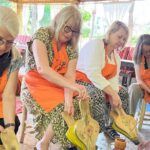
- Expect hands-on work. You’ll be cooking, not just observing.
- Bring an open mind about tagine style. Tagine flavor is spice-led, and it’s meant to be slow and flavorful.
Finally, if you like to recreate meals at home, take notes where you can. The market quality tips and spice guidance are the parts you’ll reuse long after the class ends.
Should You Book This Marrakech Moroccan Cooking Class?
I’d book it if you want a real food experience that teaches you how Moroccan cooking starts: with ingredient quality and spice decisions. The combination of market shopping, Moroccan tea, and a hands-on run through argan oil appetizer → chicken or beef tagine with ras el hanout → dessert is hard to beat for the time and price.
Skip it only if you don’t care about cooking and want mostly sightseeing instead. This class is built for people who like to roll up their sleeves.
If you’re in Marrakech for a short stay and you want something authentic that ends with a full meal you helped make, this is a smart call.
FAQ
What time does the cooking class start in Marrakech?
It starts at 10:00 am.
How long is the Moroccan cooking class?
The duration is about 4 hours.
Where does the class meet?
The meeting point is Hammam Ziani 14, Rue Riad Zitoun el Jdid, Marrakesh 40000, Morocco.
Is this a small group class?
Yes. The class has a maximum of 10 travelers.
Can the class accommodate vegetarian or vegan menus and allergies?
Yes. You’ll check for food allergies when you arrive, and the menu is selected to include vegetarian and vegan options.
What dishes will I cook during the class?
You’ll make an appetizer using argan oil, a main course tagine using ras el hanout (either chicken or beef), and you’ll end with dessert. You’ll also learn how to make Moroccan tea.
Is there free cancellation?
Yes. You can cancel for a full refund up to 24 hours before the experience’s start time.