REVIEW · LISBON
Lisbon: Portuguese Cooking Class with Wine Tasting
Book on GetYourGuide →Operated by Cooking Lisbon · Bookable on GetYourGuide
Your kitchen passport to Lisbon. This hands-on cooking class pairs Portuguese flavors with a fun small-group vibe, plus wine tasting as you cook. You’ll learn how to make a full meal—six petiscos, a main dish, and a traditional dessert—then eat what you make.
I especially like that it’s taught by a professional local chef and capped at a maximum of 10 people, so it stays interactive instead of crowded. I also love that you get printed recipes to recreate the dishes back home, not just a memory and a full stomach.
One thing to consider: it’s not suitable for vegans, and alcohol is only served to participants of legal drinking age.
In This Review
- Key highlights worth planning for
- A 3-Hour Portuguese Food Lesson That Actually Feels Like a Meal
- Getting Started: Chef Welcome, Small Group Energy, and Kitchen Time
- The Menu You’ll Cook: Six Petiscos, One Main Dish, and a Dessert
- Petiscos Explained: Why Learning These Small Bites Is a Big Deal
- The Main Course: Where You’ll Use More Than One Skill
- Dessert Time: The Traditional Finish That Makes It Feel Complete
- Wine Tasting While You Cook: Enjoy It Without Overthinking It
- English Instruction and Small-Group Teaching: How You Get Real Help
- What’s Included (and What You’ll Need to Bring)
- Price and Value: Is $114 Fair for a Lisbon Cooking Class?
- Who This Class Fits Best (and Who Should Skip It)
- Tips to Get More Out of the Experience
- Should You Book This Lisbon Portuguese Cooking Class with Wine Tasting?
- FAQ
- How long is the Lisbon Portuguese Cooking Class with Wine Tasting?
- What’s the group size for this class?
- Is the cooking class taught in English?
- What do I cook and eat during the class?
- Does the price include wine?
- Are hotel pickup and drop-off included?
- Can I get the recipes to take home?
- What should I bring?
- Is the class suitable for vegans?
- Is smoking allowed during the class?
Key highlights worth planning for

- Small group of 10 keeps the cooking active and questions easy
- 6 petiscos + main + dessert means you eat a whole meal you help make
- Wine as you cook plus a glass with your meal
- Seasonal menu so dishes aim for fresh ingredients
- Printed recipes to take home and cook again later
- English instruction makes it simpler if you don’t speak Portuguese
A 3-Hour Portuguese Food Lesson That Actually Feels Like a Meal
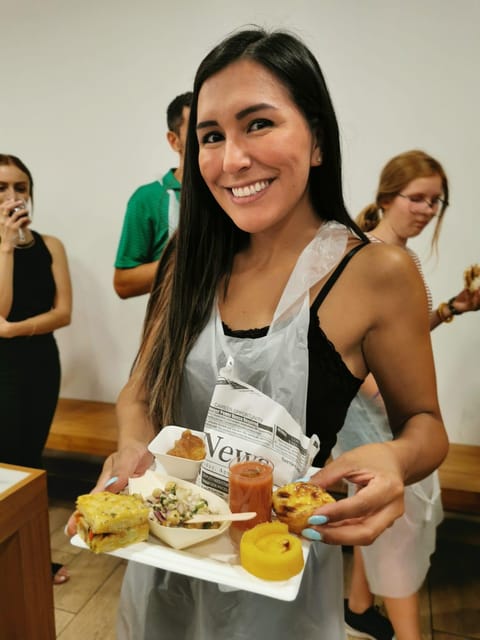
If you’ve ever watched cooking videos and thought, I could do that, this is the kind of class that helps you move from watching to cooking. In Lisbon, you’ll work with a local chef to prepare traditional Portuguese dishes, then sit down and eat the results right there.
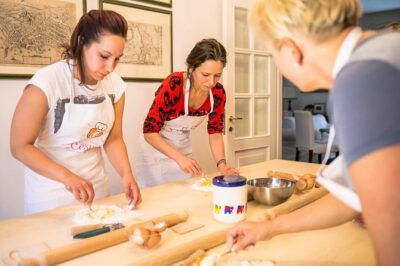
The format matters. This isn’t a demo where you only look on. It’s hands-on, and it’s built for a small group (maximum of 10), so you’re not just standing in the back. The overall tone from past experiences with this kind of class tends to be fun first, and the food comes with real guidance.
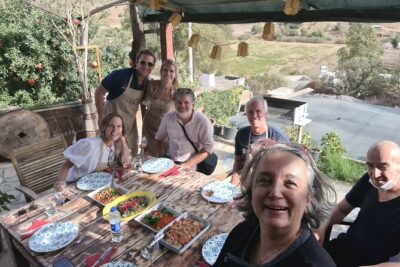
And yes, there’s wine. You’ll sip local wines while you cook and you’ll also have a glass of wine with your meal, with legal drinking age rules in place. If you’re hoping for a class that combines learning, laughing, and a great meal, this checks that box.
You can also read our reviews of more tours and experiences in Lisbon.



Getting Started: Chef Welcome, Small Group Energy, and Kitchen Time
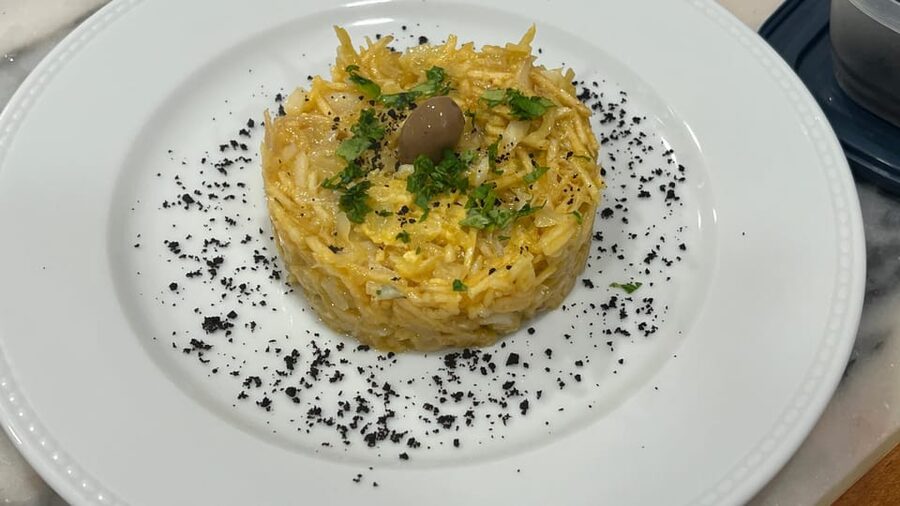
You’ll meet your chef and your classmates, then start cooking together. Expect an interactive pace—cooking steps, food talk, and plenty of chances to connect with people from different places. Even if your Portuguese is limited, you’ll have instructor support in English.
Because the group is capped at 10, you can usually get quick fixes when something doesn’t go as planned. That might be a cut of ingredient, a sauce consistency, or simply how to season the way locals do. In a larger class, you’d wait your turn. Here, you stay in the action.
Plan your outfit for work in a real kitchen. The activity specifically recommends comfortable clothes and comfortable shoes. This is not the kind of experience where you want slippery sneakers or your best outfit. Bring a camera too if you like to document your cooking wins.
The Menu You’ll Cook: Six Petiscos, One Main Dish, and a Dessert
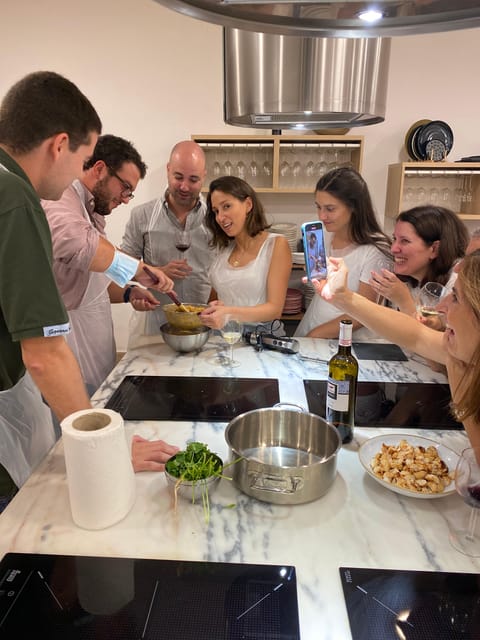
Here’s the best part: you’re not cooking just one dish. You’re building a Portuguese meal that includes six petiscos, a main course, and a traditional dessert. That’s a lot for a 3-hour experience, and it’s exactly why the class feels like a full dinner plan.
A quick heads-up: the exact dishes can vary depending on the season. That’s a good thing, not a loss. Seasonal menus usually mean the ingredients are fresher, and it helps you experience how Portuguese home cooking changes with what’s available.
You’ll also eat what you prepare. Some cooking classes teach you skills but send you home with a snack. This one feeds you properly—petiscos, your main dish, and dessert—so you can focus on cooking without worrying about whether you’ll still be hungry after.
Petiscos Explained: Why Learning These Small Bites Is a Big Deal
Petiscos are Portuguese small plates—think nibble-able dishes that make sharing easy. Learning six of them is smart because it gives you a broader taste of Portuguese cooking than one isolated recipe.
In practice, petiscos also teach you fundamentals. You’ll likely run across different techniques—handling seafood or vegetables, working with sauces or seasoning, and creating bites that are meant to be eaten casually. Even without knowing every exact petisco in advance, the structure helps you learn patterns you can reuse.
And because you’ll be eating your own petiscos, you get instant feedback. If something tastes balanced, you’ll understand what that balance feels like. If a flavor needs more lift, you’ll know what to adjust the next time you cook.
The Main Course: Where You’ll Use More Than One Skill
After the petiscos, you move into the main dish. This is where cooking often shifts from quick bites to something that needs a steadier rhythm. You’re not just assembling; you’re creating a meal centerpiece.
This part is valuable because it teaches you what a Portuguese main dish is aiming for—comfort, flavor, and a satisfying finish to the earlier bites. You’ll also be eating it at the table right after cooking, so you see how your effort lands on the plate.
If you want to cook Portuguese food at home later, the main course is usually the recipe that feels most like a true dinner. The included printed recipes help you take that home, not just the taste.






Dessert Time: The Traditional Finish That Makes It Feel Complete
A lot of classes stop after dinner. This one includes a traditional Portuguese dessert, which rounds out the experience. For many people, dessert is where you really feel the difference between cooking at home and cooking with guidance.
The class includes the ingredients and the chef-led process, so you’re not stuck trying to guess steps you’d need to research later. And since you’ll get the printed recipe sheets, you can treat dessert as your take-home project.
Wine Tasting While You Cook: Enjoy It Without Overthinking It
Wine is part of the flow here. You’ll sip local wines as you cook and you’ll also have a glass of wine with your meal. Alcohol is served only to participants who are of legal drinking age, so if you’re not drinking, you won’t need to worry about having to keep up with others.
This is the kind of wine pairing that works best when you treat it as atmosphere. The goal isn’t fancy wine critique. It’s a friendly local touch that makes the meal feel like a shared celebration, not a classroom experiment.
Also, if you’re planning other activities the same day, remember this is a 3-hour experience with wine included. Pace your schedule so you don’t end up rushing afterward.
English Instruction and Small-Group Teaching: How You Get Real Help
The class is conducted in English, which is a big practical win. Food vocabulary can be tricky, but you don’t have to struggle through instructions in another language.
Small-group teaching (maximum 10 participants) matters because you can ask questions and get answers that apply to your step, not just a general tip. It also makes it easier to learn from what others ask. If someone wonders about timing or seasoning, you usually benefit too.
This setup is a good fit if you want to come away with confidence, not just a full plate. You’re there to learn how to make Portuguese dishes, and the format supports that.
What’s Included (and What You’ll Need to Bring)
This class includes a lot of the stuff that makes cooking experiences worth it. You get:
- Professional local chef guide
- Hands-on cooking class
- All ingredients for the menu
- Printed recipes to take home
- Local wines
- The meal you prepare: petiscos, main dish, and dessert
What you’ll bring is simple, but it matters for comfort:
- Comfortable shoes
- Comfortable clothes
- Water
- Camera (if you want photos)
There’s also a rule: no smoking indoors. It’s a standard kitchen habit, but it’s worth knowing ahead of time.
One more practical detail: hotel pickup and drop-off aren’t included. So you’ll want to plan your own way there and back.
Price and Value: Is $114 Fair for a Lisbon Cooking Class?
At $114 per person, you’re paying for more than a cooking lesson. You’re paying for a trained chef, all the ingredients, a full meal you eat, local wines, and printed recipe cards—plus a small-group setting that keeps the experience personal.
In Lisbon, this is the kind of price point that usually makes sense when you compare it to what you’d spend on:
- a dinner that includes drinks,
- plus cooking instruction you can’t replicate easily on your own,
- plus the cost of sourcing the ingredients and figuring out steps later.
If you’re the type of person who likes to bring skills home, the take-home recipes add real value. You’re not only tasting Lisbon in the moment—you’re building the ability to cook Portuguese food after your trip.
The only value “watch-out” is dietary fit. The activity is not suitable for vegans, and if you have other dietary needs, you must inform the organizers in advance. If you’re unsure where you fit, communicate early.
Who This Class Fits Best (and Who Should Skip It)
This cooking class suits you if you want:
- a hands-on experience in Portuguese cooking,
- a small group (max 10) where you can interact,
- a complete meal with petiscos + main + dessert,
- and the option to drink local wine with your food.
You might want to skip it or consider alternatives if you follow a vegan diet, since it’s not suitable for vegans. Also, if you want a class with zero alcohol presence, this one includes wine as part of the experience, even though service follows legal drinking rules.
If you travel solo, this kind of small-group food activity can be especially enjoyable because cooking creates natural conversation. If you travel with friends, it’s also a fun shared challenge—everyone’s cooking, everyone’s eating.
Tips to Get More Out of the Experience
These are small things, but they help a lot in a cooking class like this:
- Wear comfortable shoes. Kitchens are active spaces.
- Bring water, especially if you’re pairing cooking with wine.
- Tell them about dietary restrictions in advance so the experience can work for you.
- Take photos if that motivates you—but remember your best photos often happen when you’re actually paying attention.
- Keep an eye on your pace. Three hours goes fast when you’re cooking.
The biggest trick is to show up ready to do the work. If you treat it like a show, you’ll learn less. If you treat it like a guided hands-on dinner, you’ll come away with skills.
Should You Book This Lisbon Portuguese Cooking Class with Wine Tasting?
I think you should book it if you want Lisbon food in a practical, memorable way. This is one of those activities where you leave with both a full belly and a real takeaway: printed recipes you can follow later.
Book it especially if you value a small group and clear English instruction. Those two details make learning easier and reduce frustration. And if you love Portuguese small plates, the six petiscos structure is a great way to learn a broader range of flavors in one sitting.
Skip it if vegan eating is a must for you, since it’s not suitable for vegans. Also, if you don’t want wine at all, consider whether the wine portion fits your style.
If you want a fun, hands-on Lisbon experience where you cook and eat a complete Portuguese meal, this is a strong choice.
FAQ
How long is the Lisbon Portuguese Cooking Class with Wine Tasting?
It lasts about 3 hours. Starting times depend on availability.
What’s the group size for this class?
The class is a small group with a maximum of 10 participants.
Is the cooking class taught in English?
Yes. Instruction is provided in English.
What do I cook and eat during the class?
You’ll cook and eat six petiscos, a main dish, and a traditional Portuguese dessert. The menu can vary by season.
Does the price include wine?
Yes. Local wines are included, and participants also receive a glass of wine with their meal. Only participants of legal drinking age are served wine.
Are hotel pickup and drop-off included?
No. Hotel pickup and drop-off are not included.
Can I get the recipes to take home?
Yes. You’ll receive printed recipes after the class.
What should I bring?
Bring comfortable shoes, comfortable clothes, water, and (if you want) a camera.
Is the class suitable for vegans?
No. It is not suitable for vegans.
Is smoking allowed during the class?
Smoking is not allowed indoors.