REVIEW · LISBON
Lisbon: Traditional Portuguese Cooking Class
Book on GetYourGuide →Operated by Homecooking Lisbon · Bookable on GetYourGuide
Cooking Portuguese in Lisbon feels like a dinner party. I love the hands-on step-by-step format that gets you actually cooking (not just watching), and I also like the small-group vibe that makes it feel social without turning chaotic. The one thing to plan for is that the menu can include cuts some people find less tender, like pork ribs that may be tough depending on how they’re cooked.
You meet at Homecooking Lisbon HUB, and it’s easy to reach—at least one guest took the bus from central Lisbon and got dropped off right at the door. Expect a cozy kitchen, English instruction, and plenty of drinks from day one: appetizers and finger food start things off, then you move into a full 4-course meal with chef guidance throughout.
In This Review
- Key things I’d center in your decision
- Why a Lisbon cooking class can beat another food tour
- Homecooking Lisbon HUB: location, arrival energy, and your first decisions
- The opening spread: finger food, wine and beer to set the tone
- Cooking the 4-course meal: step-by-step, in pairs, with real help
- The cultural stories: how Lisbon’s food becomes personal
- Drinks and desserts: what’s included and what might show up
- Price and value: is $100 worth it
- Who should book this class (and who should pass)
- Booking tips that make a difference on the day
- Should you book this Lisbon cooking class?
- FAQ
- Where is the meeting point?
- How long is the cooking class?
- Is pickup included from hotels?
- What language is the instruction?
- What’s included in the price?
- How big is the group?
Key things I’d center in your decision
- Up to 3 hours of instruction and eating, not a rushed “quick bite” format
- Max 10 participants for real attention from chefs, not constant crowd juggling
- All ingredients, gear, and drinks included, so you can budget one set price
- Chef storytelling plus technique, including seasonal dishes and traditional methods
- English-speaking instructors in a kitchen setup that’s approachable for first-timers
- Past menus include favorites like pastel de nata, plus tastings such as ginja and port wine in some sessions
Why a Lisbon cooking class can beat another food tour
A good food tour shows you what to eat. A hands-on cooking class teaches you how it’s made—and that’s the part you’ll remember when you’re back home shopping for spices.
Here, you’re not stuck with a single station or just stirring something vague. You’ll get guided through each course, from spices and culinary approach to the practical steps that turn ingredients into recognizable Portuguese dishes. That matters because Portuguese cooking often has a few key moves—heat control, seasoning timing, and simple sauces—that can make the difference between okay and excellent.
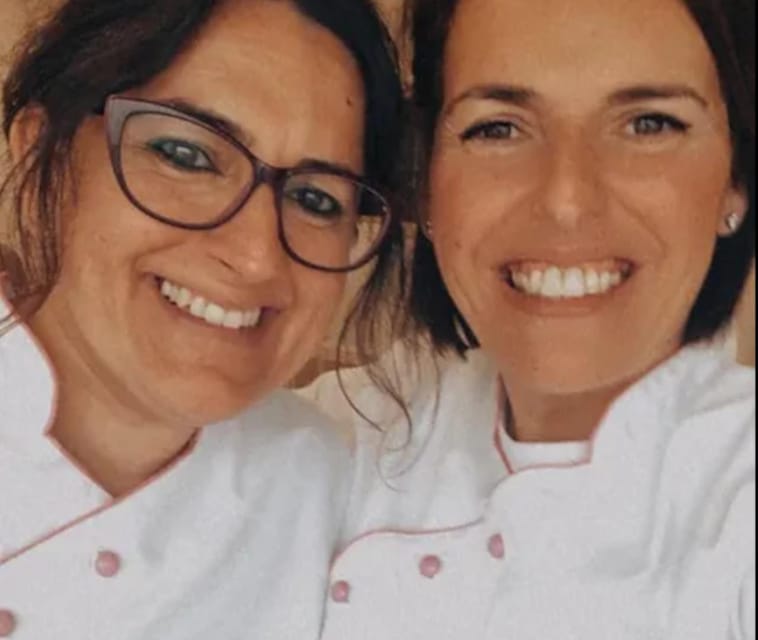
And because the group is capped at 10, the teaching stays personal. People mention chefs like Pedro, Miguel, Theresa, and Beatrice by name, and that lines up with what you want: instruction you can ask questions about while your hands are on the food.
One more reason this format works in Lisbon: you eat what you cook. That turns the class into a full meal experience, not just a workshop. You get the cultural side too—chefs bring in context about dishes, seasonal choices, and traditional techniques, plus personal stories that connect the kitchen to Lisbon itself.
You can also read our reviews of more tours and experiences in Lisbon.



Homecooking Lisbon HUB: location, arrival energy, and your first decisions
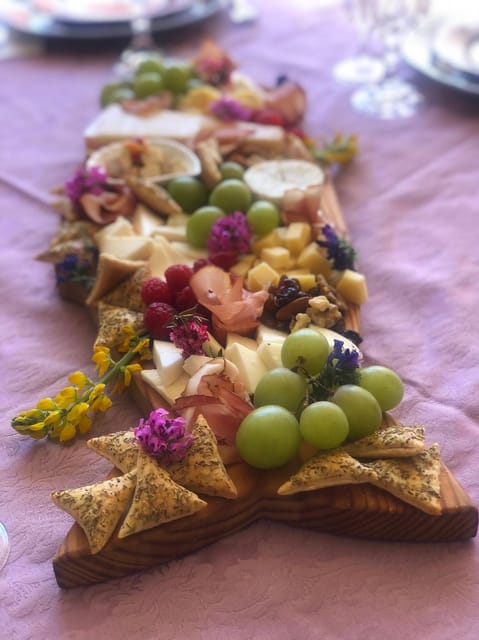
This class meets at Homecooking Lisbon HUB. The practical win is that it’s not buried somewhere unreachable. One guest said the bus drops you off right at the front door, which makes timing easier—especially after a day of tram lines and long walks.
Arriving matters because the session starts as soon as you walk in. You’ll begin with appetizers and snacks, plus Portuguese wine and beer. Then you’ll shift into cooking mode. In other words: you’re not arriving to a quiet lecture hall. You’re arriving to a kitchen night.
Also, come ready for a hands-on schedule. Even if you’ve cooked at home before, you’ll still be operating in a real workflow—prep, cooking, tasting, adjusting. That’s fun, but it also means you should dress like you’re going to be standing and moving: comfortable shoes, no fragile “nice” outfit panic.
If you’re thinking about booking near the end of your trip, I’d still do it. The class is short enough—3 hours—that it won’t steal a whole day. It’s long enough that you’ll feel like you did something meaningful, not just ate.
The opening spread: finger food, wine and beer to set the tone
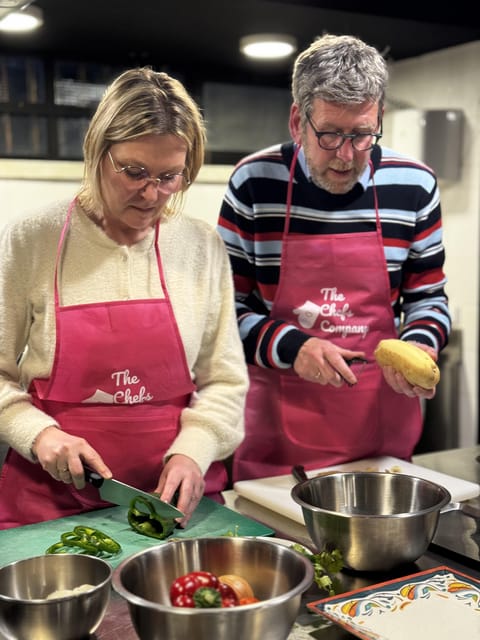
Most Portuguese food moments start small. That’s how this one begins: with snacks and finger food while the chefs get you oriented.
Right away, you’ll have drinks included—Portuguese wines and beer, along with homemade juice, coffee, and water. That’s not just a “nice extra.” It changes the mood. Food education sticks better when you’re relaxed, not stressed about timing or gear.
You’ll also get early context as you snack—what Portuguese cooks are aiming for with flavor balance, spices, and texture. One chef is especially praised for explaining dishes with care and staying attentive, including when participants needed help. That’s a big part of why people rate this so highly.
If you’re wondering whether to eat beforehand, take the advice hidden between the lines: plan to arrive hungry enough to enjoy what comes next. Several people specifically said they should not eat before the class because the food amount surprised them.
Cooking the 4-course meal: step-by-step, in pairs, with real help
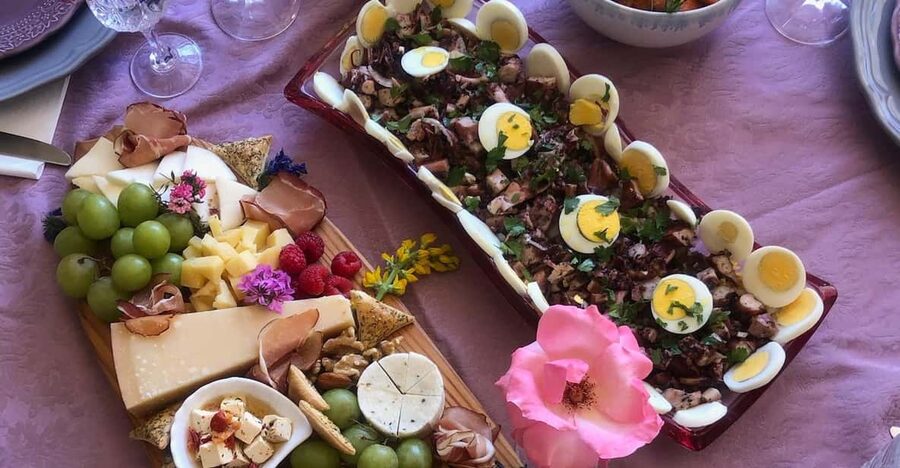
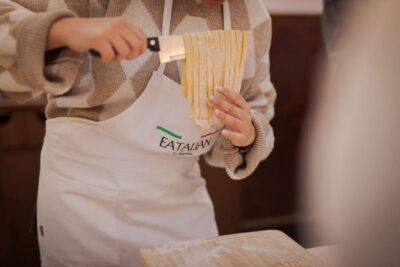
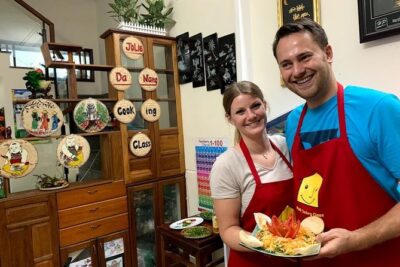
The core of the experience is simple: you cook a traditional 4-course meal with step-by-step guidance from friendly chefs.
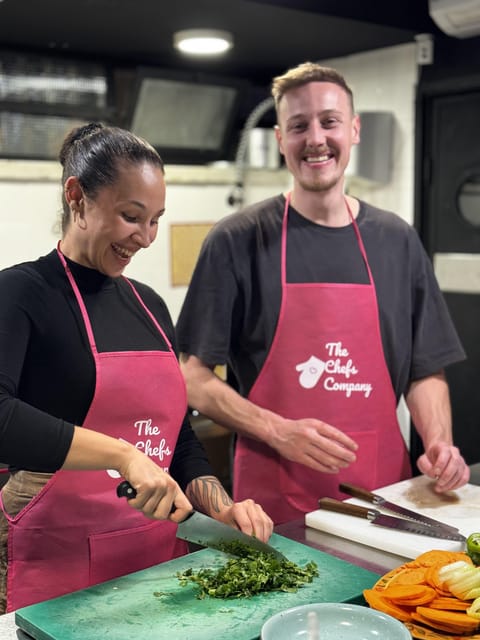
The format tends to feel like a collaborative kitchen dinner. Because the group is small, you’re more likely to get direct feedback rather than just a general “good job” and a pass to the next station. People mention chefs being attentive and willing to help when needed, and the instruction is in English.
You’ll likely rotate tasks—prep one part, cook another, assemble, and then taste as the course comes together. That teaches you two things:
- Technique matters more than fancy ingredients.
- Taste checks are part of cooking, not a last-second scramble.
From the feedback, some dishes and moments show up repeatedly in people’s memories:
- A dessert experience tied to pastel de nata shows up in at least one review as a favorite “coveted” classic.
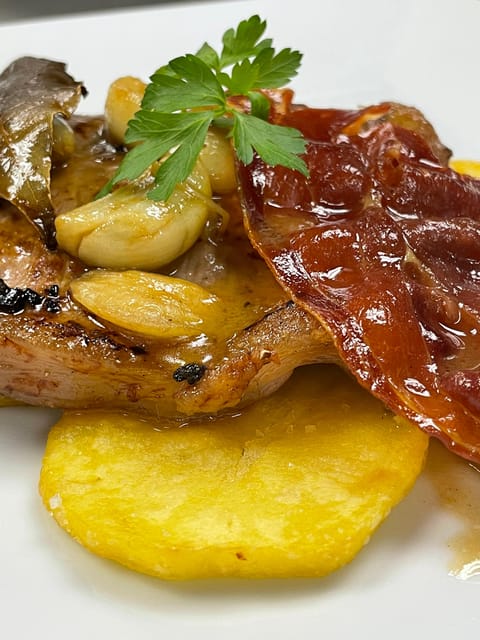
- A meat course can include pork ribs, and at least one participant found them less appealing because the cut was quite tough.
- There are also tastings and endings that some people described as including ginja, port wine, and a sweet almond liqueur.
So here’s the practical takeaway for you: expect a meal that leans traditional, not watered down. And if you’re picky about meat texture, you might want to ask what’s being cooked in your specific session before you go all-in.
One more smart point: the class is designed for different comfort levels. People describe chefs who keep everyone included and comfortable in the kitchen—even when it’s someone’s first cooking class on vacation.
The cultural stories: how Lisbon’s food becomes personal
The best part of a cooking class is when the recipes come with meaning. Here, chefs don’t treat Portuguese cooking like a checklist. They explain dishes and techniques, then connect them to Lisbon history and personal stories.
That storytelling shows up in reviews as a key strength. One instructor’s teaching is praised for being both skilled and warm, with personal narratives connected to lessons learned from their mother. Others mention historical facts woven into cooking explanations.
Why you should care: food culture is easier to remember when you understand why something is done a certain way. When a chef explains how spices work, or why a dish uses a particular approach, you’re not just memorizing steps. You’re building a mental model you can reuse later.
The class also references seasonal dishes and traditional techniques. Even when you don’t know Portuguese cooking yet, this gives you a framework: what’s in season changes what locals cook, and techniques are handed down because they reliably work.
If you like your travel with context and not just flavors, this class fits. It’s not a museum; it’s a living kitchen with stories built into the lesson plan.





Drinks and desserts: what’s included and what might show up
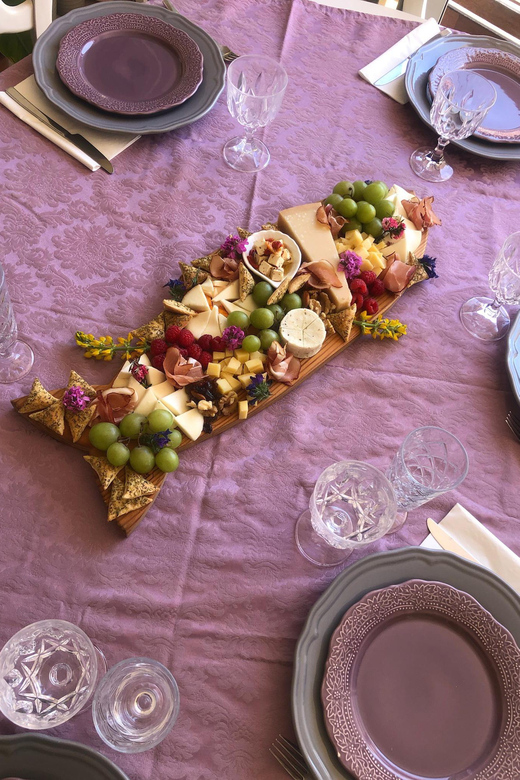
The drinks are straightforward on paper, and that’s great for planning. Included are wine, beer, homemade juice, coffee, and water.
In the real experience, some sessions include extra Portuguese-style tastings at the end. People mention sampling ginja, port wine, and sweet almond liqueur, and some talk about leaving with desserts like tarts. Since those details vary by menu and timing, treat them as “nice chances,” not guarantees.
Either way, your evening is designed so you’re drinking alongside eating—not instead of it. The glass doesn’t become the main event; it stays part of the food rhythm.
This is also why the class can feel like more than a meal. You’re pairing ingredients, flavors, and stories in a way that feels like Portuguese hospitality.
Price and value: is $100 worth it
At $100 per person for about 3 hours, this class works best if you look at what’s included, not just the ticket price.
You’re getting:
- All ingredients and kitchen gear for a 4-course meal
- Chef instruction throughout
- Finger food and snacks
- All drinks included (wine, beer, homemade juice, coffee, water)
- Insurance
- A small group size capped at 10
That means you’re not paying extra for ingredients, you’re not paying for alcohol separately, and you’re not stuck on a basic “demo only” setup. In practice, the value comes from doing three expensive-ish things at once: learning, eating, and drinking.
The other value angle is what you leave with. Some participants mention getting recipes shared with them and taking home something extra like desserts. Even if you only take home the method and flavor logic, that’s useful. A class like this becomes a repeatable memory, not a one-time snack.
If your goal is to taste Lisbon, sure, you can do that elsewhere. If your goal is to learn how Portuguese home cooking works, this is one of the more direct ways to do it without needing special equipment or ingredients back home.
Who should book this class (and who should pass)
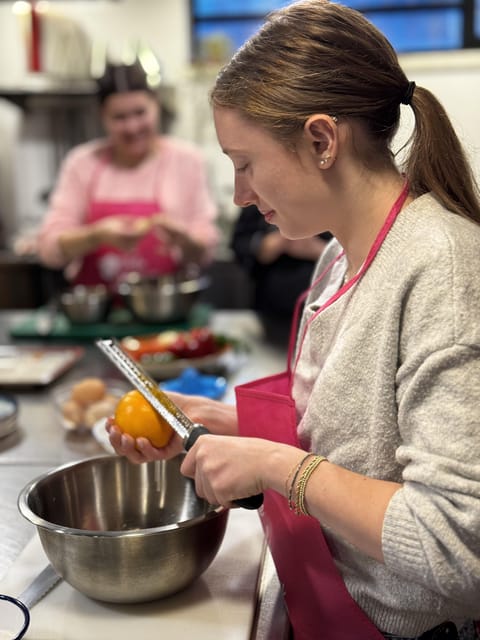
This cooking class is a strong fit if you:
- Want to learn Portuguese cooking in a real kitchen, not just sample dishes
- Like an experience with English-speaking chefs and clear step-by-step guidance
- Prefer a small group where you can ask questions and get help while cooking
- Enjoy wine and local flavors as part of the meal
It’s less ideal if:
- You have mobility limitations, since it’s not suitable for people with mobility impairments
- You’re traveling with young kids (it’s not suitable for children under 6)
- You strongly dislike traditional cuts or specific meat textures (since pork ribs have appeared on at least one menu, and one person found them tough)
For couples and solo travelers, it can be a great “evening anchor” activity. For families, at least some reviews show kids around school age enjoying the experience, but double-check your situation based on the minimum age rule.
Booking tips that make a difference on the day
A few practical moves help you get the most out of this kind of class:
- Arrive hungry enough. The food amount can surprise people, and you’ll enjoy the tasting portions more.
- Wear comfortable, kitchen-friendly shoes. You’ll be standing and moving.
- If you have food preferences or allergies, tell the organizers in advance. In past sessions, people report options were available for those with preferences and allergies.
- Plan your evening after the class like you’re coming from a real dinner, not just a workshop. You’ll be fed and ready to relax.
Also, the experience has a free cancellation window up to 24 hours in advance, which is useful if your Lisbon plans shift.
Should you book this Lisbon cooking class?
Yes—if you want a hands-on Portuguese meal with chef guidance and drinks included, this is a smart booking.
I’d especially recommend it if you’re the type of traveler who likes to learn one or two techniques you can recreate later. You’ll get that through the step-by-step cooking structure, the small-group attention, and the chef storytelling that makes Portuguese dishes feel tied to Lisbon, not just to ingredients.
If you’re extremely sensitive to meat texture, or you’re traveling with mobility needs, then think twice and check details before committing. Otherwise, this is exactly the kind of practical, local experience that makes a short trip feel richer.
FAQ
Where is the meeting point?
The meeting point is Homecooking Lisbon HUB in Lisbon District, Portugal.
How long is the cooking class?
The class runs for 3 hours.
Is pickup included from hotels?
No. Hotel pickup and drop-off are not included.
What language is the instruction?
The instructor speaks English.
What’s included in the price?
You get all ingredients and gear for a 4-course meal, chef guidance, up to 3 hours of class and sharing, all drinks (wine, beer, homemade juice, coffee and water), finger food and snacks, and insurance.
How big is the group?
It’s a small group limited to 10 participants, with a max of 10.