REVIEW · LISBON
Private Portuguese Home Cooking Class in Lisbon with Defne
Book on Viator →Bookable on Viator
Food at home beats any cookbook lesson. This Lisbon private cooking class with Defne is built around learning in a real kitchen, then sharing a relaxed meal where the stories behind the food matter as much as the recipes. I like the way the evening mixes practical cooking with cultural context, and I especially love that it can happen indoors or out in a calm garden when the weather is right.
I also like the structure: in about 1.5 hours you make an appetizer, main, and dessert from scratch, then you sit down to enjoy what you cooked with coffee and ginjinha, a classic Lisbon liqueur. One thing to consider is that the menu is seasonal, so the exact dishes may shift with local produce availability.
In This Review
- Key highlights worth knowing
- Why a Lisbon home kitchen feels more real than a cooking show
- The 3-hour rhythm: cooking, dining, and a proper Lisbon finish
- What you’ll cook: appetizer, main, and dessert (with real Portuguese examples)
- Defne’s stories: why Portuguese food connects to more than Portugal
- The meal setup: garden dinner energy, wine, coffee, and ginjinha
- Price and value: what $112 gets you in Lisbon
- Seasonal menus and dietary needs: how to get what you want
- Practical tips so you enjoy the whole evening
- Who should book this home class, and who might not love it
- Should you book Defne’s Portuguese Home Cooking Class?
- FAQ
- How long is the Portuguese home cooking class in Lisbon?
- Is this class private?
- What dishes will I cook?
- Where does the class take place?
- What’s included with the meal?
- Can you accommodate dietary restrictions?
- Is there hotel pickup?
- How far in advance should I book?
- What is the cancellation policy?
Key highlights worth knowing
- Private, in-home class: only your group joins Defne, so it stays personal and conversational.
- Three dishes from scratch in about 1.5 hours, with lots of tips and tricks while you cook.
- Seasonal menu that changes with local availability, so you might not get the exact same dishes every time.
- Coffee plus ginjinha (and Portuguese wine too) to close the meal in true Lisbon style.
- Diet-friendly options on request: lactose free, gluten free, vegetarian, and vegan.
Why a Lisbon home kitchen feels more real than a cooking show
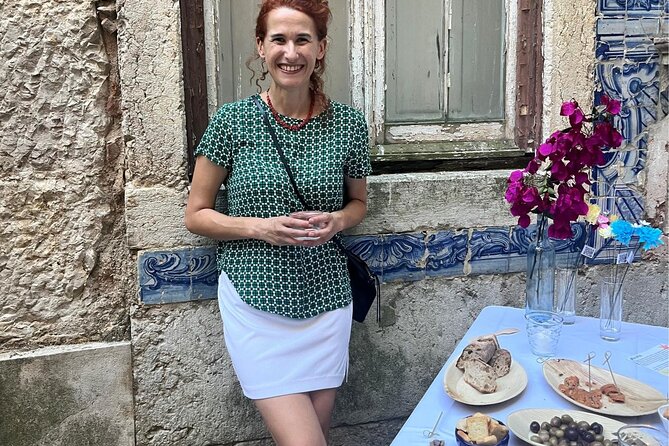
This isn’t a stage-style cooking class. You’re in Defne’s home, at her dining table, in a setting that feels casual and lived-in. That matters in Lisbon, where so much food culture is about everyday habits: how people shop, what they cook for guests, what gets served with a glass of wine, and how flavors evolve with the seasons.
Defne’s approach is also personal. She’s originally from Istanbul, and her interest goes beyond Portuguese recipes. She shares how Portuguese food connects to other cultures and traditions, using the meal as a kind of bridge. You’ll notice the difference when you’re cooking: she explains not just what to do, but why certain ingredients and techniques show up. That’s where the empathy angle comes in. Food becomes a way to talk to each other, not just to eat.
Also, this is private. No rushing to keep up with a group, no waiting for your turn to chop while other people finish filming. Your pace is the point here.
If you want a hands-on evening with actual flavor and conversation, this format makes it easy.
You can also read our reviews of more tours and experiences in Lisbon.



The 3-hour rhythm: cooking, dining, and a proper Lisbon finish
The total experience runs about 3 hours, starting at Praça Manuel Cerveira Pereira and ending back there. The hands-on part is about 1.5 hours, which is a sweet spot. You get real practice without burning the entire night standing over a stove.
Here’s the flow you can expect:
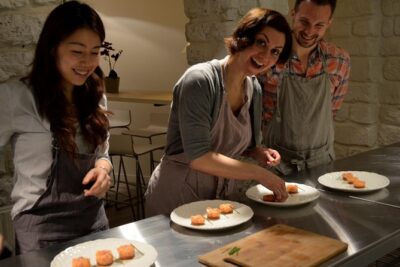
- You’ll cook three courses—an appetizer, main, and dessert—from scratch during the hands-on session.
- While you cook, Defne shares tips, tricks, and the stories behind the dishes.
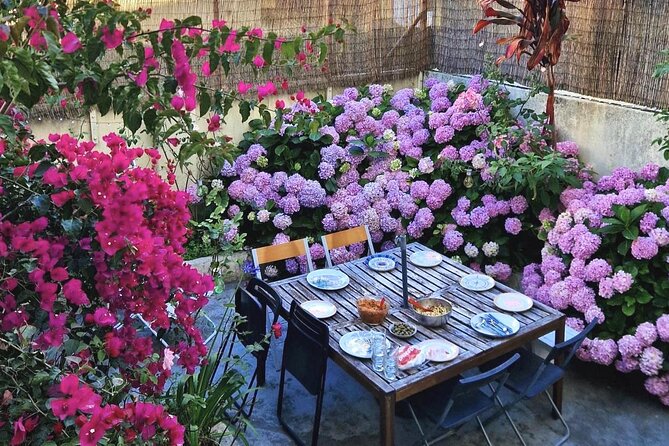
- Then you eat what you made. The meal can be served at the dining table in her living room or, when weather allows, outdoors in the garden.
- The evening ends with coffee and a taste of ginjinha, which is a classic Portuguese liqueur associated with Lisbon.
One more detail that makes this feel complete: the meal includes two glasses of Portuguese wine, and alcoholic beverages are included. That’s not just a background perk. It’s part of the way you’re meant to experience the meal—slower, social, and centered on taste.
A practical note: there’s no hotel pickup. You’ll want to use public transport and arrive on time. The meeting point is near public transportation, which keeps this simple.
What you’ll cook: appetizer, main, and dessert (with real Portuguese examples)
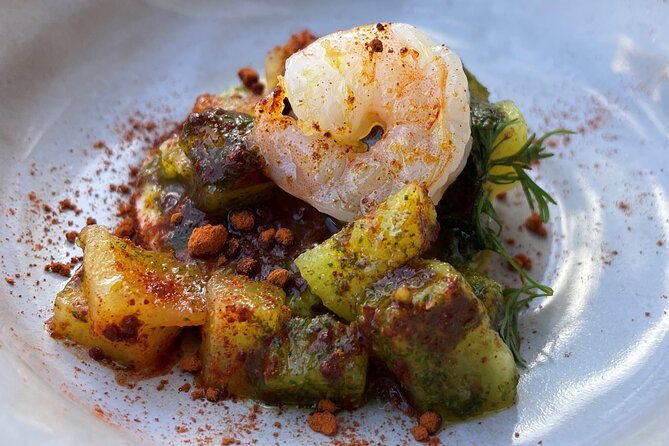
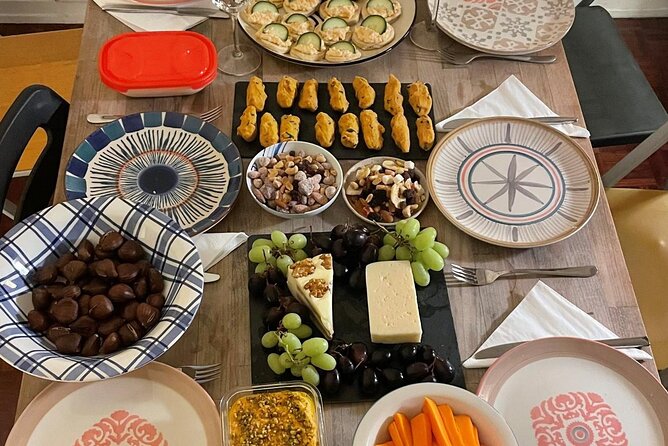
The class is built around making three dishes from scratch: an appetizer, a main dish, and dessert. Defne’s menu is seasonal, so you won’t always see the exact same lineup. Still, there are a few Portuguese dishes that may show up, and they give you a sense of the style.
Some examples you might try include:
- Tremoços (pickled beans) and olives for an appetizer-style starter
- Salada de grão-de-bico (chickpea salad)
- Caldeirada de peixe (fish stew), a classic Portuguese comfort dish
- Arroz doce (rice pudding), a dessert that feels familiar but still distinctly Portuguese
This is valuable because it’s not just learning techniques for one dish. You’ll get practice across different flavors and textures—something salty and briny (like olives), something fresh and tangy (like chickpea salad), something warm and hearty (like fish stew), and something sweet and comforting (like rice pudding).
Also, Defne doesn’t treat recipes like secrets you can only enjoy in her home. The class includes guidance in a way that helps you reproduce the dishes later. The best sign of that is that the recipes she shares are simple enough to make when you get home—without needing rare ingredients or advanced cooking gear.
If you have dietary needs, tell her in advance. On request, she can accommodate lactose free, gluten free, vegetarian, and vegan meals. The seasonal nature still matters, but your dietary fit can be handled.
Defne’s stories: why Portuguese food connects to more than Portugal
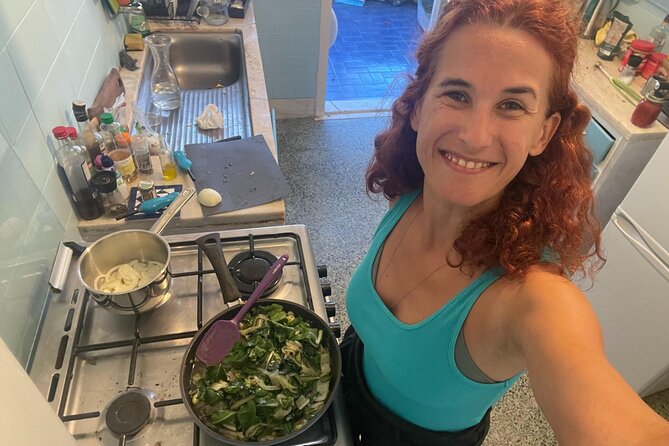
Portuguese cooking doesn’t live in a vacuum. It’s shaped by sea routes, trade, migration, and the way Portugal absorbed ingredients and ideas over time. Defne makes that connection feel tangible.
During your class, she shares insights into how Portuguese food connects different cultures and traditions—using the dishes you’re making as proof. That means you’re not just hearing history as trivia. You’re watching it in action: certain ingredients and flavor combinations make sense when you understand how they traveled and how people adopted them.
If you care about culture that’s not performative, this is a strong approach. You’ll get the why behind your bite. And because it’s a private conversation in a real home, you can ask questions without feeling like you’re interrupting a scripted lesson.
One thing I like about this setup: it helps you notice what you’re eating. You start paying attention to how acidity balances richness, how salt supports sweetness, and why certain dishes work in multiple seasons. That’s the kind of takeaway that makes food travel last longer than the meal.
The meal setup: garden dinner energy, wine, coffee, and ginjinha
After you cook, you eat. This is one of the best parts of the evening because you’re tasting your own work right away, in a comfortable place. The dining experience can be in Defne’s living room or outdoors in her garden when weather permits.
Why that matters: sitting outside changes the whole vibe. You get a slower, more relaxed dinner feel, and the conversation tends to flow better when you’re not tucked into a formal indoor setting.
The drinks are part of the pacing too:
- Two glasses of Portuguese wine come with your meal.
- Then, at the end, you get coffee plus ginjinha.
Ginjinha is often the moment people remember because it feels like Lisbon—sweet, sour-ish, and different from the standard liqueurs you might already know. It’s also a fun finale after dessert, so the evening lands with a sense of closure.
The class also tends to feel informal in a good way. You’re not being judged for asking basic questions. It’s casual cooking with lively conversation, which is exactly what you want from a home experience.





Price and value: what $112 gets you in Lisbon
At $112 per person, this isn’t a bargain in the bargain sense. But it’s also not overpriced when you break down what’s included.
You’re paying for:
- A private cooking class in a local home (not a crowded studio)
- Instruction while you cook three dishes from scratch
- A full meal served to you with Portuguese wine
- Coffee and ginjinha
- Alcoholic beverages included
That combo is what makes the math work. If you priced it as three separate activities—private lesson, ingredients, and a wine-and-dessert dinner—the total would likely climb fast.
There’s also a timing detail: this is typically booked about 46 days in advance on average. That’s not a must, but it’s a hint that demand is steady for this kind of intimate experience. If your dates are fixed, don’t wait too long.
For the kind of authentic, hands-on evening you get, this can be a very fair value.
Seasonal menus and dietary needs: how to get what you want
Because Defne’s menu is seasonal, the plan is food-first. That’s usually a win. Seasonal cooking means the dishes are built around what’s available locally, so you’re more likely to get ingredients at their best.
The tradeoff is simple: your exact dish lineup may differ depending on availability. If there’s something you really want—whether it’s a type of fish dish, a specific dessert, or a particular flavor profile—message her with your preferences ahead of time.
Dietary restrictions are handled on request:
- Lactose free
- Gluten free
- Vegetarian
- Vegan
The key is timing. You’ll want to advise dietary needs during booking so Defne can plan the menu accordingly. This is especially important for gluten and lactose, since those can affect more than one dish in a course.
If you’re picky about ingredients, the seasonal angle means your best strategy is to share your preferences early, not to assume the menu will match a static recipe list.
Practical tips so you enjoy the whole evening
A home class has a different feel than a kitchen tour. You’ll get the most out of it by treating it like a relaxed dinner you’re also learning from.
A few things to keep in mind:
- You’re starting at Praça Manuel Cerveira Pereira and returning there, so plan your route before you arrive.
- There’s no hotel pickup, but it’s near public transportation, so you can keep things flexible.
- Wear comfortable clothes. You’ll be actively cooking.
- If allergies or dietary restrictions apply, be specific when you book.
- Since the menu is seasonal, ask what’s planned for that evening if you’re curious. Defne adjusts based on local produce.
One more practical upside: because this is private, you can ask questions in the moment—about substitutions, about technique, or about how you might recreate it later. That kind of feedback is hard to get in a bigger group.
Who should book this home class, and who might not love it
This fits best if you want:
- A hands-on food experience, not just watching
- A local-home setting with real conversation
- Portuguese dishes across savory and sweet courses
- Dietary flexibility handled by the host (with advance notice)
- A memorable Lisbon finish with ginjinha and coffee
You might want to skip it if you’re looking for a high-speed sightseeing plan or you prefer your activities fully hotel-managed with pickup and strict schedules. Also, if you hate uncertainty, remember the menu is seasonal, so your exact dish lineup may change.
But if you like food as culture—where the story behind the bite matters—this kind of evening can be one of the most personal meals you’ll have in Lisbon.
Should you book Defne’s Portuguese Home Cooking Class?
I think it’s a strong yes for the right traveler. You get private attention, three dishes made from scratch, a real meal at the table, and a Lisbon-style ending with wine, coffee, and ginjinha. The home setting and Defne’s story-driven approach make it feel more human than a standard class.
Book it if you want an authentic evening you can’t easily copy from a restaurant experience. Give your dietary needs early and tell her any preferences, and you’ll set yourself up for a smoother, more satisfying night.
FAQ
How long is the Portuguese home cooking class in Lisbon?
The experience lasts about 3 hours. The hands-on cooking time is about 1.5 hours, during which you prepare an appetizer, main dish, and dessert.
Is this class private?
Yes. It’s a private, personalized experience, and only your group participates.
What dishes will I cook?
You’ll cook three dishes from scratch: an appetizer, a main dish, and a dessert. The exact menu is seasonal, but examples can include tremoços and olives, salada de grão-de-bico, caldeirada de peixe, and arroz doce.
Where does the class take place?
It takes place in Defne’s home in Lisbon. The meal may be served indoors or outdoors in the garden depending on weather.
What’s included with the meal?
You’ll enjoy an authentic meal with Portuguese wine, plus coffee and a taste of ginjinha at the end. Alcoholic beverages are included.
Can you accommodate dietary restrictions?
Yes, on request. Defne can accommodate lactose free, gluten free, vegetarian, and vegan meals. You should advise dietary restrictions at booking.
Is there hotel pickup?
No. Hotel pickup and drop-off are not included. The class starts at Praça Manuel Cerveira Pereira and ends back at the same meeting point.
How far in advance should I book?
On average, it’s booked about 46 days in advance. If your dates are set, it’s smart to reserve sooner rather than later.
What is the cancellation policy?
Free cancellation is available. You can cancel up to 24 hours in advance for a full refund. If you cancel less than 24 hours before the start time, the amount paid will not be refunded.