REVIEW · LISBON
Private Lisbon Market Tour & Portuguese Cooking Class with Paula
Book on Viator →Operated by Traveling Spoon · Bookable on Viator
This Lisbon morning comes with a ferry ride and real cooking. I love the private market tour with Paula in Almada, and I love the Portuguese-Goan menu choice that turns the class into something personal. One thing to keep in mind: since it’s an in-home kitchen, Paula’s place can feel a bit cluttered because she lives with family (and there’s a cat).
Ferry first, then food shopping. You meet Paula at the Almada side, take a short walk to the covered market, and shop like locals do. The cooking is hands-on and relaxed, but it’s not a polished, studio-style cooking school—expect an informal home setting.
In This Review
- Key things that make this experience work
- Almada: the Lisbon side where food feels more local
- Getting started: the ferry meeting and the walk to the market
- The market tour: choosing ingredients like you mean it
- Cooking in Paula’s kitchen: hands-on Portuguese-Goan dishes
- Appetizers: two very different flavor directions
- Main dish: choose Portuguese or Goan
- Dessert and the finish
- What the meal feels like: conversation, family pace, and practical tips
- Price and value: why $99 can actually make sense here
- Who should book this, and who should think twice
- If you should book it, book it early
- FAQ
- FAQ
- How long is the cooking and market experience?
- Where do we meet Paula?
- Is this a private experience?
- What will we cook?
- Is there a cat in Paula’s home?
- What is the cancellation policy?
- Final call: book this tour if you want food with a local heartbeat
Key things that make this experience work
- Almada instead of central Lisbon: you get a more local rhythm across the water.
- Market shopping with Paula: you’re choosing ingredients, not just watching.
- Portuguese-Goan recipes you can actually repeat: pataniscas de bacalhau, bojas, and curry-style mains show up.
- Pick between Portuguese or Goan mains: bacalhau com natas versus Goan crab curry are both on the menu options list.
- A shared meal at the end: you sit down together for dessert plus coffee or tea.
Almada: the Lisbon side where food feels more local
If you only stay in central Lisbon, you miss a big part of the country’s daily life. This tour takes you across the Tagus to Almada, where the pace is less tourist-driven and more neighborhood-focused. You’ll start by meeting Paula at the Almada ferry area, then walk through the town toward her local market.
What I like about that setup is simple: food starts where people actually shop. The experience is built around Paula’s routines—visiting the market for decades, knowing stallkeepers, and shopping with confidence—so you’re not faking authenticity. You’re getting the real thing.
It also means you get views and context without turning the whole morning into a sightseeing marathon. A short ferry ride and a walk along the river puts you in the right mood for cooking.
You can also read our reviews of more tours and experiences in Lisbon.
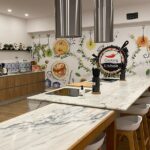
Getting started: the ferry meeting and the walk to the market
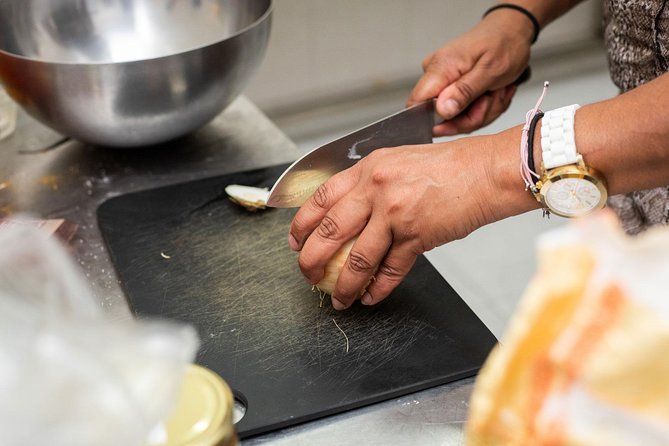
The plan begins at Dá Cacilhas (LG Alfredo Dinis, 2800-252 Almada) at 10:00 am. Paula meets you at the ferry stop in Cacilhas, so plan to arrive with enough time to find the correct exit and match up with her.
From there, you head for a short walk (around 10 minutes) to Paula’s neighborhood covered market. In practical terms, that walk matters. It helps you get bearings fast, and you’ll hear neighborhood context as you go—history tied to the riverside and the local fish and food trade.
One practical tip: if anything is unclear, the tour instructions say to message Paula directly via WhatsApp about the menu or meeting location. That’s genuinely useful here because this is a home-based experience, not a big, numbered tour bus situation.
The market tour: choosing ingredients like you mean it
The market is the first real “learning” moment. Paula has been shopping there for a long time, and that shows. You’re not just buying groceries—you’re selecting the start of your dishes, guided by someone who knows what looks fresh and what makes flavor work.
You’ll walk through the neighborhood market and help choose ingredients for your menu. Expect a focus on things like fish and the kind of side ingredients that show up in traditional Portuguese and Goan cooking. In the hands-on reviews, people talk about choosing fish and sides, and even specific ingredients like clams and using seafood techniques correctly.
Also, this market stop is one of the easiest ways to understand Portuguese and Portuguese-Goan food culture side by side. You’ll see the mix of local market produce and seafood alongside spices and flavors that connect to Goan traditions.
A note on atmosphere: because this is a local market, it won’t look or feel like a spotless supermarket. That’s part of the point. Still, if you’re sensitive to clutter or cleanliness standards, you’ll want to set expectations that this is real-life neighborhood commerce.
Cooking in Paula’s kitchen: hands-on Portuguese-Goan dishes
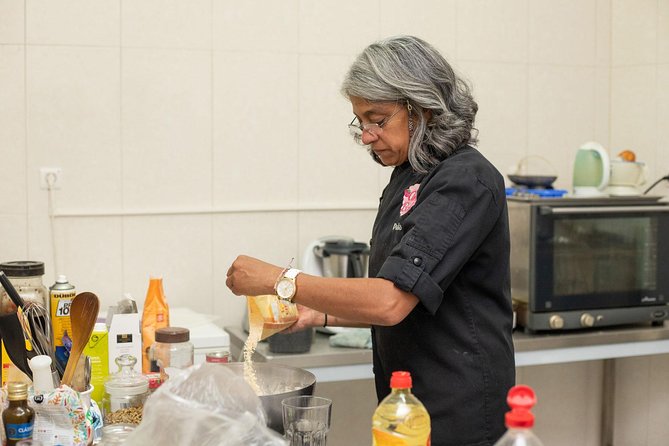
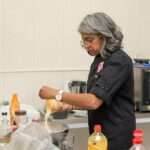
After the market, you head to Paula’s apartment kitchen. This is where the experience becomes more than a meal. You’ll learn to make 2–3 dishes (typically two appetizers and one main), and you’ll work with techniques rather than only following steps.
Appetizers: two very different flavor directions
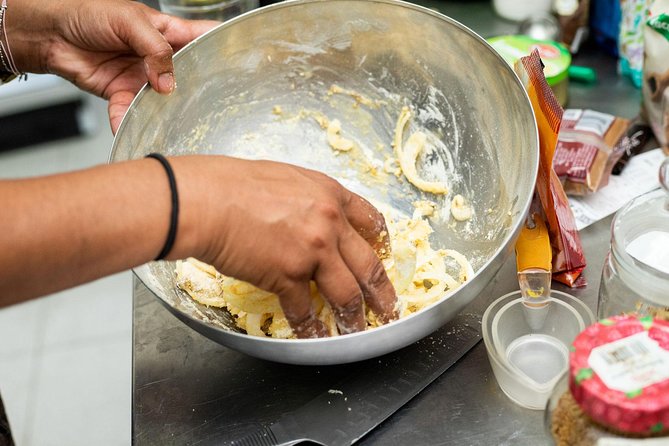
Your starter pair can include Portuguese classics like pataniscas de bacalhau (traditional cod fritters). Another option is Goan bojas, made from gram flour with onion and cumin seeds. The menu choices matter here because they change what you’re learning: cod fritters lean into Portuguese-style frying and batter texture, while bojas teach you a different spice profile and batter behavior.
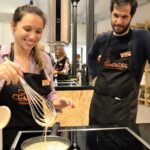
In the class feel, people highlight practical skills: learning how to whisk properly, getting instructions on pastry-style techniques when they come up, and paying attention to ingredient quality. One review even notes learning how to identify bad clams—basically, you’re gaining real-world seafood judgment, not just recipe memorization.


Main dish: choose Portuguese or Goan
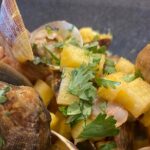
For the main course, you choose between Portuguese and Goan options. Portuguese choices can include bacalhau com natas (cod with cream). Goan main choices can include things like Goan crab curry.
This is one of the best value parts of the whole tour. You’re not stuck with one menu. If you want the Portuguese side, you cook Portuguese. If you want the Goan side, you cook Goan. For food lovers who like comparing styles, it’s a smart way to get two culinary identities in one afternoon.
Dessert and the finish
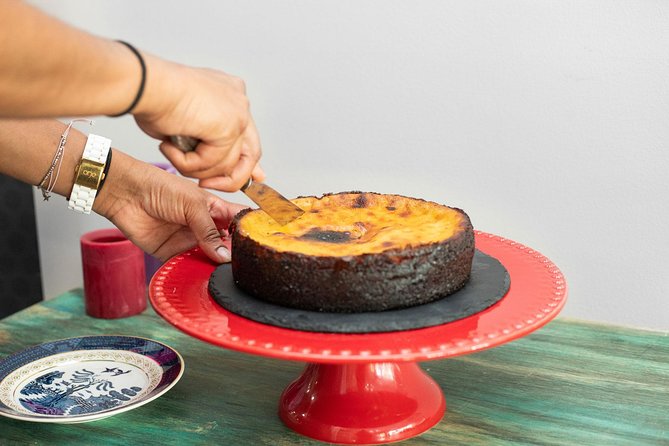
At the end, you sit down to eat. Dessert is included, along with coffee or tea. Several experiences mention pasteis de nata (often called custard tarts), and that fits the typical Portuguese dessert tradition that Paula teaches through home-style practice.
In plain terms: you’ll leave with recipes you can recreate, plus the confidence of understanding why each step matters. That’s the difference between tasting and actually learning.
What the meal feels like: conversation, family pace, and practical tips
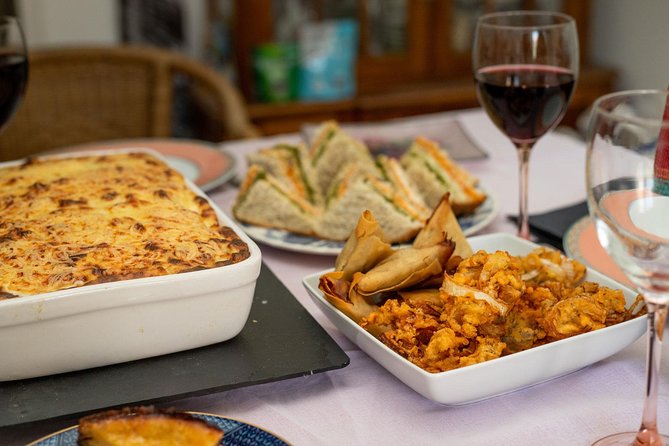
This tour isn’t about speed. It’s about slowing down enough to cook well and talk while you do it. You eat together at Paula’s dining table, or sometimes in the cooking studio table across the street—still part of the same home-and-neighborhood rhythm.
The best part is how the day becomes both cultural and usable. Paula shares stories tied to her community and the area around Cacilhas and Almada. People also mention that she gives recommendations for other parts of Lisbon after the class, which can be handy if you’re trying to avoid only tourist routes.
And because it’s private, you can ask questions in real time. If you don’t eat something, you can often work around it. Several experiences point out that Paula is patient and accommodating when it comes to preferences.
Price and value: why $99 can actually make sense here
At $99 per person for about 4 hours 30 minutes, the math depends on what you want.
If you compare this to a commercial cooking school, the big difference is location and format: you’re paying for a private group experience that includes both a market tour and a home kitchen cooking session. You’re also getting ingredient selection time, not just a class-room style demonstration.
For many travelers, that mix is the value. You get:
- Shopping with a local
- Hands-on cooking for 2–3 dishes
- A shared meal with dessert and coffee or tea
- A personal host who can steer the menu toward Portuguese or Goan cooking
Yes, it’s not a high-end studio. But for the price, you’re buying access to Paula’s daily world and a meal you made with your own hands.
Who should book this, and who should think twice
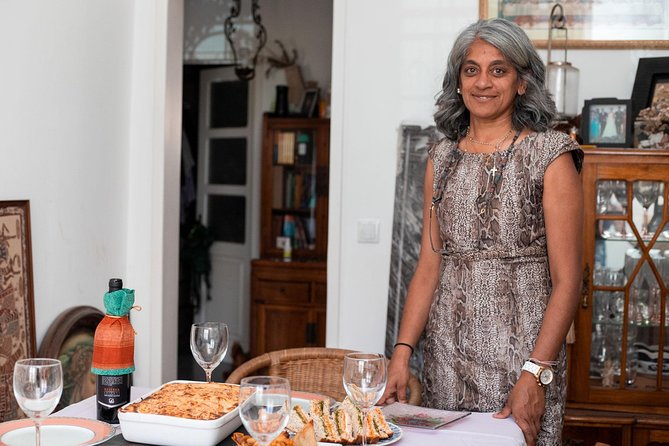
This is a strong fit if you want a real connection to the food culture of Lisbon beyond the usual museum stops. It’s especially good for:
- Couples or small groups who want privacy
- People who like cooking but also like learning stories and context
- Food lovers interested in Portuguese and Goan flavor connections
- Anyone who’d rather shop for ingredients than only watch someone else cook
Think twice if you have strict expectations for a spotless, hotel-like environment. Since Paula has a cat and her home can be cluttered (and because it’s in-home, not a sterile training kitchen), you should be okay with an informal setting.
Also, if you’re the type who needs a very tight schedule and zero wandering, you might feel the pace is more relaxed than a timed, classroom-style lesson. The flow is part of the charm for many people, but it may not be for everyone.
If you should book it, book it early
One more practical note: the experience is often booked around 45 days in advance on average. If you’re traveling in a busy season or have fixed dates, it’s smart to lock it in early. You’ll also get confirmation at booking time.
FAQ
FAQ
How long is the cooking and market experience?
It runs for about 4 hours 30 minutes (approximately).
Where do we meet Paula?
Meet at Dá Cacilhas (LG Alfredo Dinis, 2800-252 Almada, Portugal). The experience starts back at that general meeting point area.
Is this a private experience?
Yes. It’s a private tour/activity, and only your group participates.
What will we cook?
You’ll learn to make 2–3 Portuguese and Portuguese-Goan dishes. The class includes two appetizers (such as pataniscas de bacalhau or Goan bojas) and one main dish, where you can choose between Portuguese options (like bacalhau com natas) and Goan options (like Goan crab curry).
Is there a cat in Paula’s home?
Paula has a cat, and since she lives with family, her home can be a little cluttered.
What is the cancellation policy?
You can cancel for a full refund up to 24 hours before the experience’s start time. If you cancel less than 24 hours before, the amount paid isn’t refunded.
Final call: book this tour if you want food with a local heartbeat
I’d book this if your Lisbon trip includes actual hands-on learning, not just eating. The market-to-kitchen flow in Almada is a smart way to see how Portuguese and Portuguese-Goan food traditions work in real life, and the menu choice keeps it feeling personal.
Skip it only if you need a clinical, cooking-school environment or you can’t handle an in-home setting with a cat. If you’re flexible and hungry for real neighborhood flavor, Paula’s class is the kind of day you’ll remember—and you’ll bring the recipes home.