REVIEW · HANOI
Hanoi Maya Kitchen: Traditional Cooking Class & Market Tour
Book on Viator →Operated by Crossing Vietnam Tour · Bookable on Viator
Market plus cooking equals real Hanoi flavor.
This is the kind of class that starts with a market tour and ends with you making classic dishes you can actually repeat at home, including egg coffee. I like the step-by-step coaching, and I especially appreciate that the food list is clear and specific.
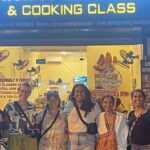
One thing to plan for: there’s no pick-up or drop-off, so you’ll need to reach the meeting point by yourself at Crossing Vietnam Tour, 47 Hang Bong str.
In This Review
- Key things that make this class worth your time
- Why the Market Stop Matters More Than You Think
- Your Hands Learn Spring Rolls First (That’s the Point)
- Papaya Salad: The Sour-Sweet Skill You Can Actually Reuse
- Pho Rolls and Mixed Pho: Learning Flavor Structure, Not Just Steps
- Egg Coffee and Local Wine Tasting: The Part You’ll Tell Friends About
- Timing, Group Size, and What You’re Really Paying For
- What to Expect on the Food Menu (So You Can Choose Your Appetite)
- Should You Book This Hanoi Maya Kitchen Cooking Class?
- FAQ
- What dishes are included in the cooking class menu?
- How long is the experience in Hanoi?
- Do you go to a market before cooking?
- Is an English-speaking instructor provided?
- What else is included besides the cooking lesson?
- Is pick-up or drop-off included?
- What group size should I expect?
- Is there free cancellation?
- Is egg coffee included?
Key things that make this class worth your time
- Market shopping with ingredient logic so you learn what goes where (and why).
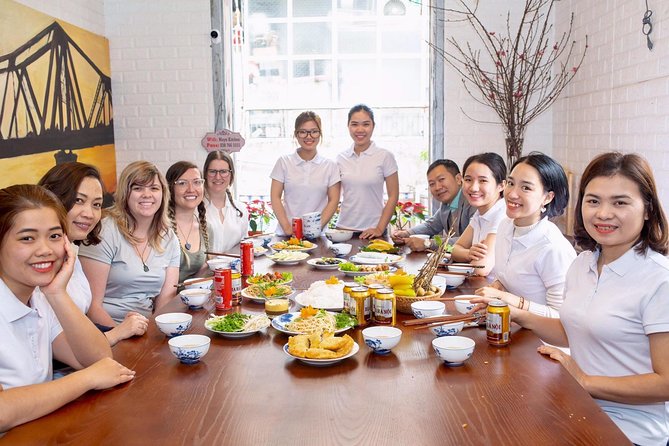
- Four Vietnamese dishes plus egg coffee with a full meal at the end.
- Small group size (max 15) that keeps the class hands-on.
- English-speaking instructor guiding you through each step.
- Local wine tasting as a bonus that adds Hanoi flavor beyond the recipes.
- You leave with a recipe so you can cook again later, not just remember it.
Why the Market Stop Matters More Than You Think
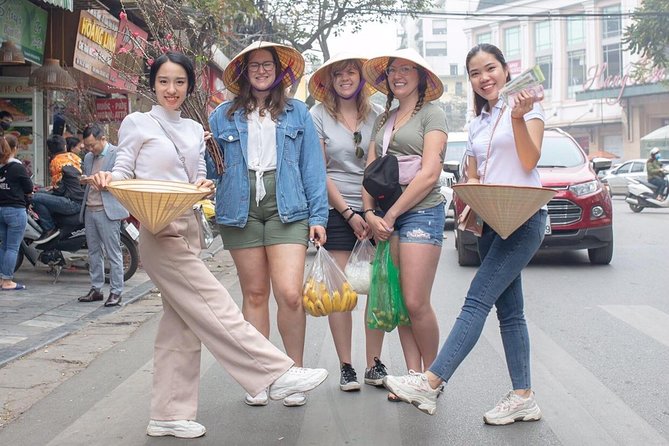
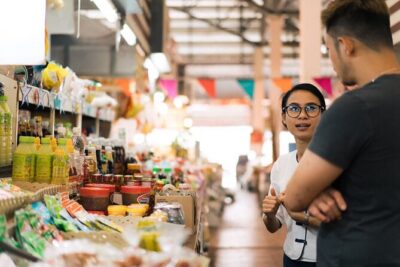
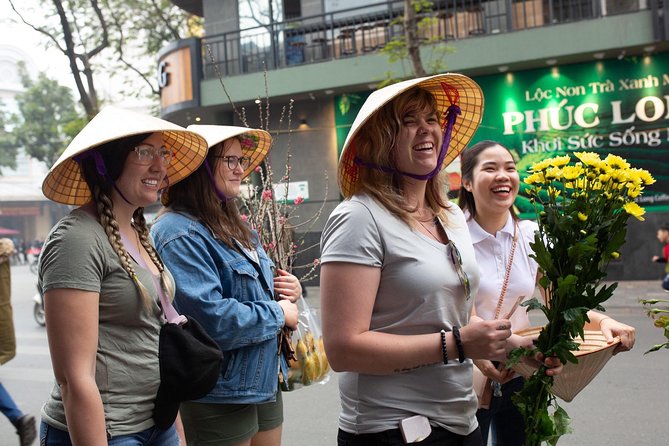
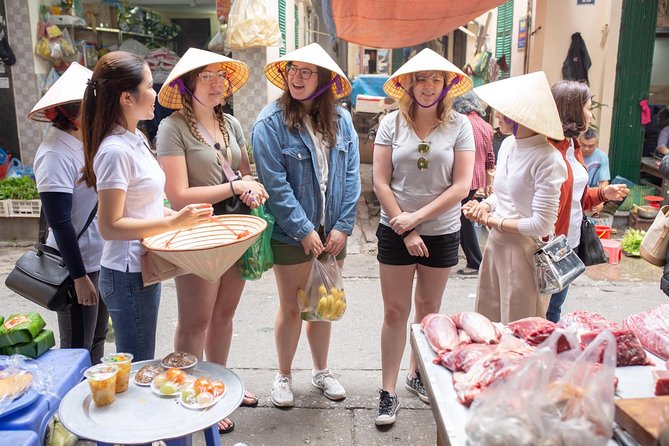
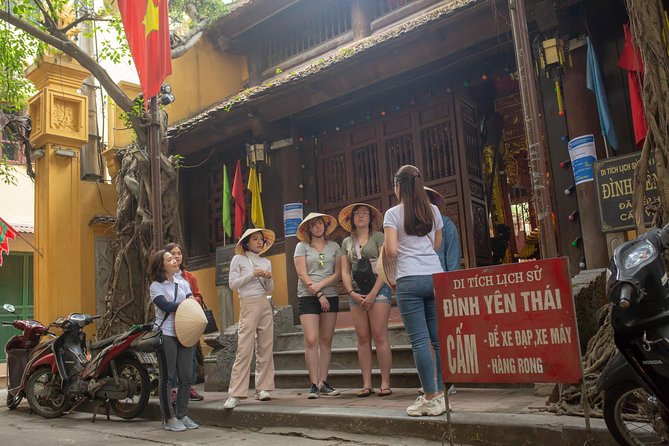
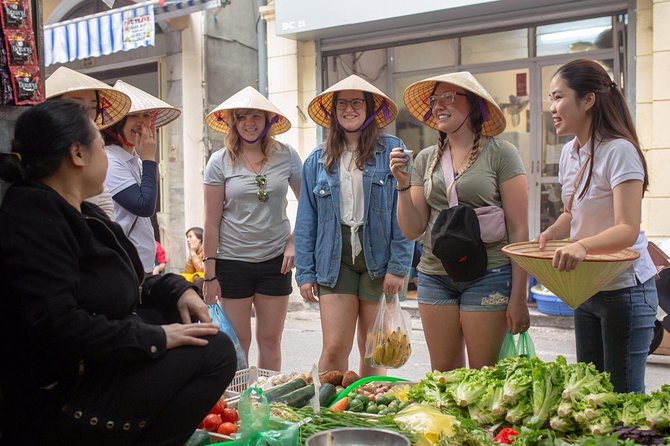
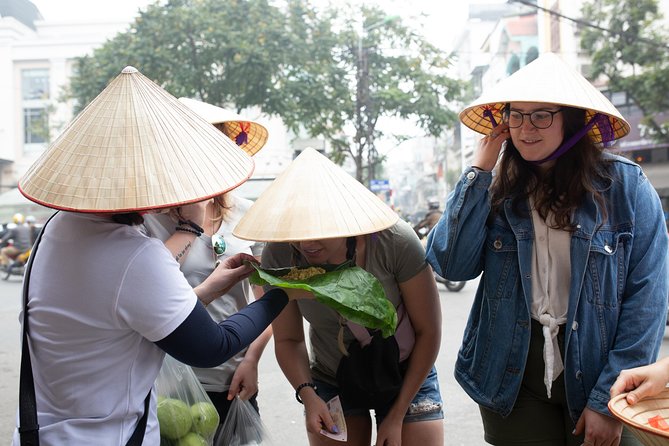
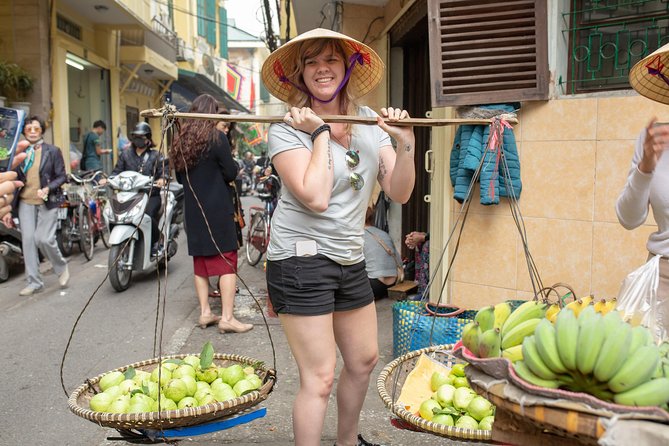
In Hanoi, food isn’t just something you order. It’s something you recognize. That’s why I like that this experience begins at the local market (listed as Yen Thai market and also as Hang Da Market depending on the schedule). You’re not just wandering with a camera. You’re picking ingredients for the meal you’ll cook later.
This is also where you start getting better at Vietnamese cooking beyond the dishes you’re making. The instructor helps you understand ingredients and substitutes, which is huge if you ever try to cook Vietnamese food outside Vietnam. Even if you don’t cook much at home, you’ll come away with a sharper sense of what flavors are doing the work in each dish: sour from papaya salad, savory depth in pho, and the balance that makes egg coffee feel both creamy and strong.
If you’ve ever tried to recreate a recipe after a trip and realized you forgot an ingredient or didn’t know what to replace it with, this market segment is your fix. You’ll see the ingredients up close and hear what they’re used for, not just what they’re called.
Practical note: markets mean walking and standing. Wear something comfortable that lets you move, and don’t plan to go straight from this to something formal.
You can also read our reviews of more tours and experiences in Hanoi.
Your Hands Learn Spring Rolls First (That’s the Point)
The cooking class starts with fried spring rolls, often treated like a national celebratory dish in Vietnam. Here’s why that matters: this is one of those recipes where technique beats luck.
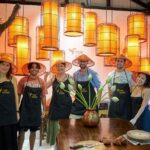
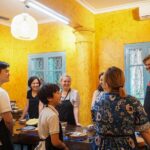
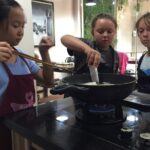
You’ll get step-by-step guidance from the instructor as you make the rolls, including how to roll so they come out even and neatly. Reviews highlight how teachers like Iris and Ruby guided people through the process, and one group even noted extra storytelling and a fun, lively vibe during class. The takeaway for you is simple: you’re not stuck guessing. You follow instructions, practice the motion, and understand what good looks like.
Also, spring rolls take a little patience. You need flexibility with your hands and a steady rhythm, especially as you wrap. That’s why starting with this dish is smart. By the time you move on to the next recipes, you’ve already warmed up your technique.
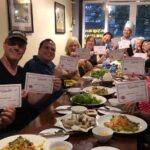
And yes, you’ll eat what you make. That turns the class from a demo into a meal. One reviewer also stressed skipping breakfast because the portion is generous, and that matches what this “cook then eat” format usually delivers.
Papaya Salad: The Sour-Sweet Skill You Can Actually Reuse
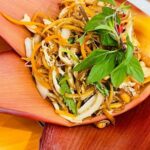
Next comes Nom Du Du (Vietnamese papaya salad), built around a flavor combo that’s harder than it sounds if you’ve never cooked it. The main notes are sour and sweet, but the craft is in the balance.
You’ll learn how the salad is assembled, and more importantly, how the flavors should feel together. This is one of those dishes where people often get only one side right: either too sour, too sweet, or not enough bite. The class structure helps because the instructor’s job is to guide you through the same decisions Vietnamese cooks make, ingredient by ingredient.
What I like for you: papaya salad is a great “gateway” dish to Vietnamese cooking at home. It’s refreshing, it works with a variety of meals, and it’s easier to scale than many pho-style projects. After you make it here, you’ll better understand how Vietnamese cooking often balances opposing tastes instead of leaning on one flavor direction.
You’ll also taste what your choices lead to. That feedback loop makes the recipe stick. Instead of memorizing a list, you remember the flavor target.
Pho Rolls and Mixed Pho: Learning Flavor Structure, Not Just Steps
Then you move to Pho Cuon (pho rolls) and Pho Tron (mixed pho). If spring rolls teach hand technique, these teach flavor structure.
Pho-based dishes are where Vietnamese cooking often feels magical to outsiders: broth or broth-like flavor, herbs, and texture all working together. In this class, you’re making dishes in a way that helps you understand what the ingredients contribute rather than treating pho as a single “taste it and hope” situation.
Here’s what you’ll get out of it:
- You’ll see how the dish is assembled so it doesn’t fall apart or taste flat.
- You’ll learn how different components play roles in the final mix.
- You’ll end up with a meal that feels complete, not like you’re just nibbling along the way.
Pho rolls are also a fun contrast to spring rolls. Fried wrappers demand technique for structure; pho rolls rely more on balance and assembly so each bite is consistent. Mixed pho is where you understand how the components come together as a single bowl experience.
And because this is a class format with an English-speaking instructor and step-by-step coaching, you’re not left with confusing “just trust me” instructions. You’re taught how to think through the recipe.
Egg Coffee and Local Wine Tasting: The Part You’ll Tell Friends About
After the cooking, you get to enjoy everything you made. This is where the day turns from classroom to celebration.
The highlight is Ca Phe Trung (egg coffee). Egg coffee is one of those Vietnamese specialties that feels both familiar and totally new. It’s creamy, rich, and strong enough that you feel it, not just taste it. It’s also a great way to end a savory cooking session because it pulls the flavor day into dessert territory without being overly sweet.
This class also includes local wine tasting, which is a nice bonus if you want a broader sense of Vietnamese flavors beyond coffee and the menu. You’re tasting something that fits the meal rhythm without turning the experience into a heavy drinking session.
One reviewer even pointed out that class can include extra personality from the instructor, including stories and singing. That kind of atmosphere is part of why people remember the day, not just the recipes.
If you’re the type who likes to understand a dish culturally, this segment gives you a clean path: you cook the classics, then you finish with a classic specialty drink. You get both the how and the spirit.
Timing, Group Size, and What You’re Really Paying For
This experience runs about 4 hours. For Hanoi, that’s a solid length: enough time to actually learn technique and cook several dishes, without feeling like you’re losing your whole day.
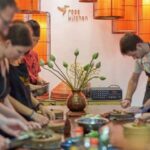
The group size is capped at 15 travelers. That’s important. In small groups, you get more attention when something goes wrong with rolling, slicing, or assembly. It also keeps the class lively instead of chaotic.
Now let’s talk value for the $30 per person price. This isn’t just a tasting. You get:
- Market tour and ingredient buying
- English-speaking instruction
- All food on the menu
- Seasonal fruit dessert
- 1 drink (water, tea, or coffee)
- Local wine tasting
- A cooking recipe to take away
For many food tours, you pay for the walking and the guide, and the food is limited. Here, you’re paying for a full meal built around hands-on cooking plus specialty drinks. That’s the real value: you’re leaving with both food and skills.
What I suggest you do before you go: plan your day so you don’t have a big breakfast. Multiple comments mention there’s a lot of food, and it makes sense given the menu and the “cook then eat” structure.
Also, since the meeting point is Crossing Vietnam Tour, 47 Hang Bong str., you’ll want to build in a little transit time. The good news: it’s near public transportation, and the ending returns you to the meeting point.
What to Expect on the Food Menu (So You Can Choose Your Appetite)
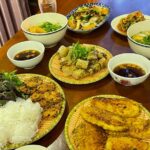
Here’s what’s on the menu:
- Nom Du Du (Papaya Salad)
- Nem Ran (Fried Spring Rolls)
- Pho Cuon (Pho Rolls)
- Pho Tron (Mixed Pho)
- Ca Phe Trung (Egg Coffee)
- Dessert: Seasonal fruits
That list matters because it’s not random. It covers a range of Vietnamese textures and flavor styles:
- Crunch and frying technique (spring rolls)
- Acid-sweet balance (papaya salad)
- Assembly and pho flavor structure (pho rolls and mixed pho)
- A creamy, strong finish (egg coffee)
- A lighter end with fruit
If you’re coming with someone who worries about “will I like Vietnamese food,” this menu is a smart bridge. Everything is classic and guided, and you’re making it yourself, which tends to reduce food anxiety.
If you’re coming because you love cooking, this menu gives you several skills in one afternoon: wrapping, balancing flavors, and assembling pho-based dishes.
Should You Book This Hanoi Maya Kitchen Cooking Class?
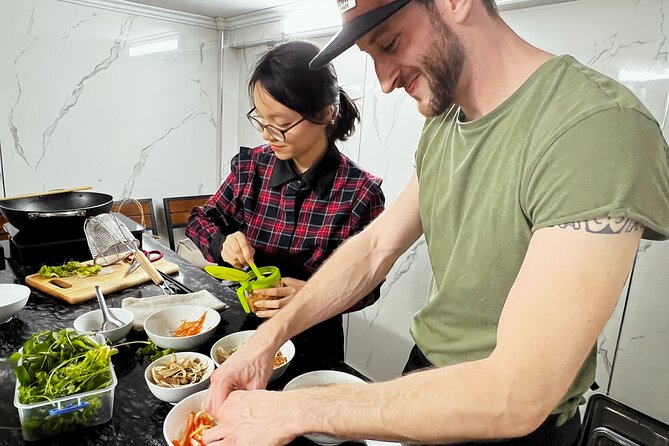
Book it if you want a real Hanoi food experience with a clear structure: market first, cooking second, then a full meal. The market shopping gives context, and the small group size plus step-by-step instruction helps you learn, not just watch.
Skip it only if you strongly prefer a lighter activity or you hate the idea of standing/walking in a market before cooking. Also consider that there’s no pick-up, so you need to handle getting to 47 Hang Bong str.
If you want one afternoon that gives you skills, specialties like egg coffee, and a meal you cooked yourself, this is one of the better bets in Hanoi.
FAQ
What dishes are included in the cooking class menu?
The menu includes Nom Du Du (papaya salad), Nem Ran (fried spring rolls), Pho Cuon (pho rolls), Pho Tron (mixed pho), Ca Phe Trung (egg coffee), and seasonal fruits for dessert.
How long is the experience in Hanoi?
It runs for about 4 hours.
Do you go to a market before cooking?
Yes. You start with a visit to a local market (listed as Yen Thai market and also as Hang Da Market on the schedule) to buy fresh ingredients.
Is an English-speaking instructor provided?
Yes. The class includes an English-speaking instructor who guides you step by step.
What else is included besides the cooking lesson?
You’ll get all the food as listed on the menu, seasonal fruits for dessert, a drink (water, tea, or coffee), local wine tasting, and a cooking recipe.
Is pick-up or drop-off included?
No. Pick-up and drop-off service is not included. The meeting point is Crossing Vietnam Tour office, 47 Hang Bong str., and the activity ends back at the meeting point.
What group size should I expect?
The tour/activity has a maximum of 15 travelers.
Is there free cancellation?
Yes, you can cancel for a full refund up to 24 hours in advance of the experience’s start time. If you cancel less than 24 hours before, it is not refunded.
Is egg coffee included?
Yes. Egg coffee (Ca Phe Trung) is included as part of the experience.