REVIEW · HANOI
Hanoi Cooking Class: Culture, Local Market & Meaning CSR Impact
Book on Viator →Operated by Rose Kitchen Cooking Class · Bookable on Viator
Food lessons start at Hanoi’s market stalls. This class pairs a market walk with cooking in a local garden villa, plus hotel pickup in the Old Quarter and a full meal you can take home in your skill set.
I especially like the practical flow: hotel pickup and drop-off inside Hanoi’s Old Quarter means you don’t spend your time figuring out logistics. I also like that you get real teaching from an English-speaking guide and chef teams, and you leave with a digital guidebook and digital certificate on request.
One thing to plan for: the experience runs about 4 hours 30 minutes, but the exact pacing can shift a bit depending on the class, the group, and how the cooking sessions roll. If your afternoon has tight timing, give yourself some breathing room.
In This Review
- Key Things You’ll Notice Right Away
- A Market-to-Villa Cooking Class in Hanoi That Feels Like a Real Day Out
- Old Quarter Pickup: Where Time-Saving Turns Into Better Food
- The Market Walk: Learn the Ingredients Behind Bun Cha and Spring Rolls
- The Garden Villa Kitchen: Clean, Air-Conditioned, and Built for Hands-On Cooking
- What You’ll Cook and Eat (And Why It Matters)
- Dishes that show up again and again
- Lunch or dinner you actually eat, not just taste
- The recipe support that helps you cook later
- The CSR Impact: How Your $39 Helps Locals, Not Just Tourism Photos
- Price and Value: Why $39 Can Feel Like a Bargain
- Timing, Weather, and Pacing: What to Expect in Real Life
- Small Details That Make It Easier: Tickets, Luggage, and Group Size
- Who This Cooking Class Is Best For (And Who Might Want Private)
- Should You Book It? My Decision Guide
- FAQ
- How long is the Hanoi cooking class?
- Is hotel pickup and drop-off included?
- Do we visit a market before cooking?
- What meal is included?
- Is there a vegetarian option?
- What dishes might we cook?
- Is fruit wine included?
- Where is the meeting point?
- What happens if weather is poor?
Key Things You’ll Notice Right Away
- Old Quarter pickup and drop-off: less hassle, more time eating and learning
- Market walk before cooking: you shop with a local guide and learn what ingredients matter
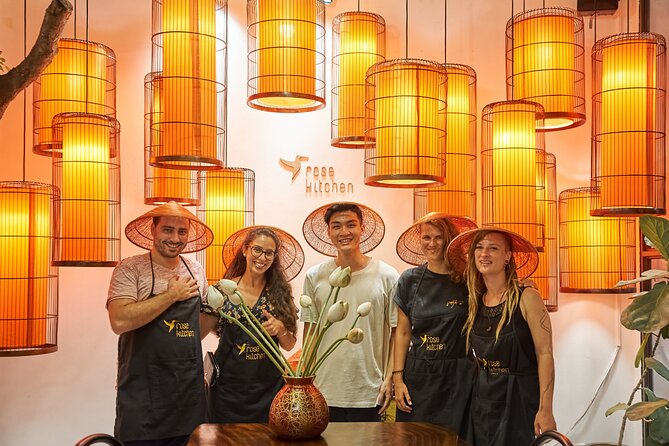
- Garden villa cooking setup: air-conditioned space, step-by-step instruction, equipment provided
- A full Vietnamese meal, not snack duty: lunch or dinner plus fruit after
- Fruit wine tasting and welcome herbal tea: small extras that make it feel like a real occasion
- CSR built into your ticket price: cancer patients’ meals, education support, and employment for ethnic minority women
A Market-to-Villa Cooking Class in Hanoi That Feels Like a Real Day Out

If you only know Hanoi food from restaurants, this kind of class is your shortcut to understanding how the flavors get built. You start with ingredient shopping and finish at a home-style garden villa kitchen, where the focus stays on techniques you can actually repeat.
I like that the tour is designed for normal people. No stage show. No intimidating “chef school” vibe. Just a clear rhythm: meet, market walk, cook together, eat what you made, and then leave with recipe support in digital form.
You’ll also see the Vietnamese side of daily life in the ingredient choices themselves. The class introduces seasonal produce and the reasons certain herbs and staples show up in specific dishes. That makes the food feel less mysterious later when you’re trying to recreate it at home.
You can also read our reviews of more tours and experiences in Hanoi.
Old Quarter Pickup: Where Time-Saving Turns Into Better Food
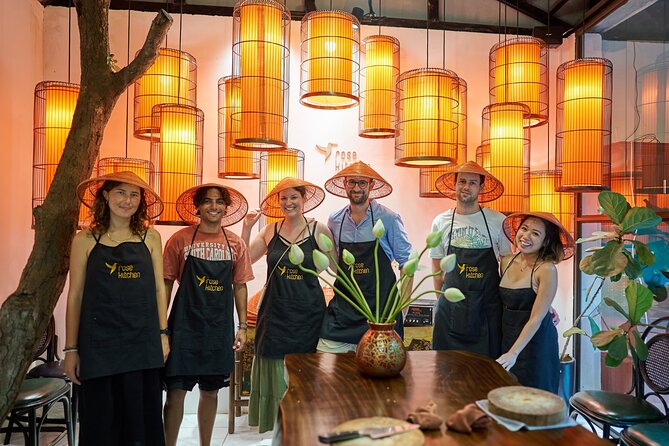
This experience includes hotel pickup and drop-off within Hanoi’s Old Quarter. For many visitors, that’s the difference between doing a cooking class and skipping it. Hanoi traffic and short taxi rides can eat up mental energy, so having pickup arranged lets you show up hungry and ready.
You also get a welcome drink—herbal tea—when you arrive. It sounds small, but it helps you settle in before you start handling ingredients or chopping. There’s also unlimited free mineral water during the experience, which matters when you’re walking in heat or humidity before cooking.
If you’re comparing classes by price, don’t only look at the headline cost. This one bundles transport, equipment, cooking space, and the meal, so your “real cost” is easier to justify.
The Market Walk: Learn the Ingredients Behind Bun Cha and Spring Rolls
The day starts with a market walk where you explore seasonal ingredients and local culinary culture. This is where you build context. In Vietnam, flavor comes from how herbs, aromatics, sauces, and textures are balanced. Shopping with a guide gives you a map of what to look for.
From the dish list shared through classes and examples, you might expect ingredients that support dishes like:
- bun cha
- mango salad
- spring rolls
- fresh summer rolls
- stir-fried vegetables and traditional noodles
In the kitchen, those ingredients become more than names. You learn what they bring to a dish, and why certain combinations work. That is one of the main reasons this type of market stop earns its place: it teaches you to think like a home cook, not like a restaurant diner.
Some classes include a wet market feel, and you can expect your guide to explain fruits, veggies, meats, and everyday customs as you purchase what your class will cook. If you’re traveling with kids or you just want a guided experience that feels structured, this section is also a good anchor.
The Garden Villa Kitchen: Clean, Air-Conditioned, and Built for Hands-On Cooking
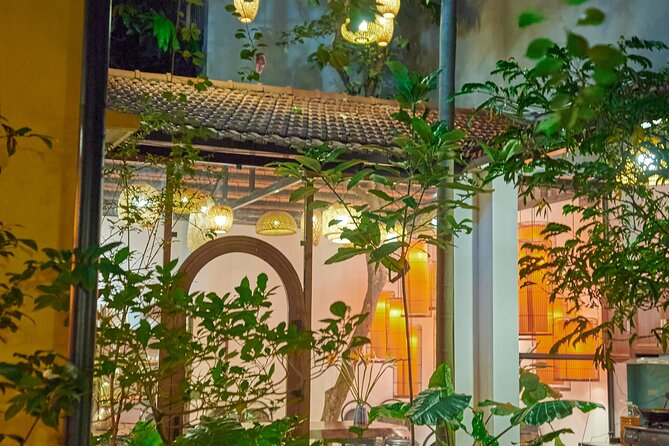
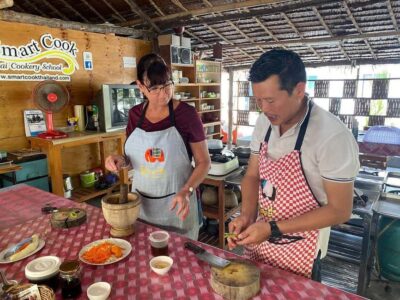
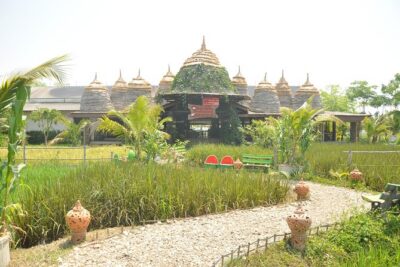
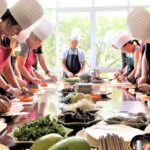
After the market, you head back to a cozy garden villa. The cooking and dining area is air-conditioned, which is a real quality-of-life detail in Hanoi. You’ll also have the cooking equipment and utensils provided, so you’re not dealing with bringing anything beyond yourself and your appetite.
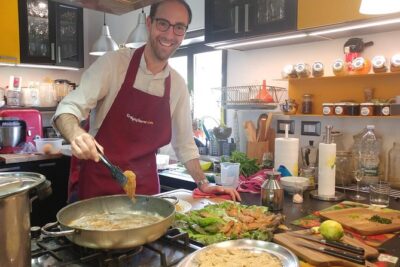
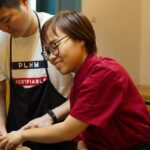
The setup is designed for participation. Your chef/instructor typically gives step-by-step guidance, and you cook during the session rather than watching from the sidelines. In at least some classes, gloves may be used for certain tasks—handy if you’re doing handling work where cleanliness matters.
A note on comfort: the class includes a friendly tour escort and on-site host for your comfort, plus free luggage storage available upon request. If you arrive with a backpack and plan to keep sightseeing after, that storage detail can save you stress.
What You’ll Cook and Eat (And Why It Matters)
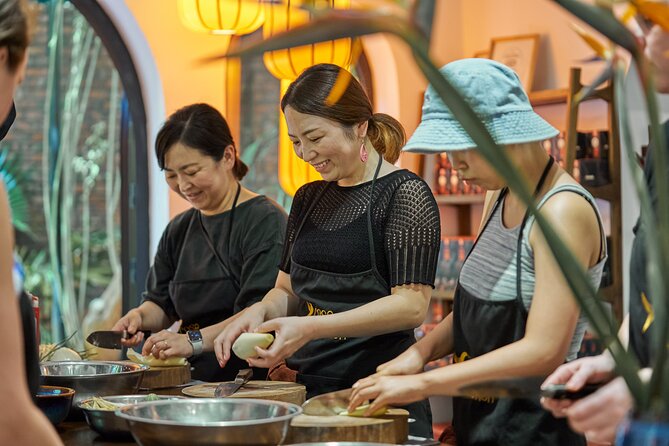
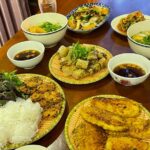
The exact menu can vary by session, but the consistently highlighted dishes and meal style give you a strong idea of what to expect. Many people describe cooking a multi-dish Vietnamese meal, and some mention a four-course style setup depending on the class flow.

Dishes that show up again and again
From the class examples and descriptions, you’ll likely see combinations like:
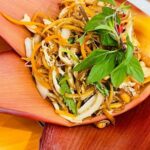
- bun cha (a grilled pork and noodle dish)
- mango salad
- spring rolls
- fresh summer rolls
- stir-fried vegetables and traditional noodles
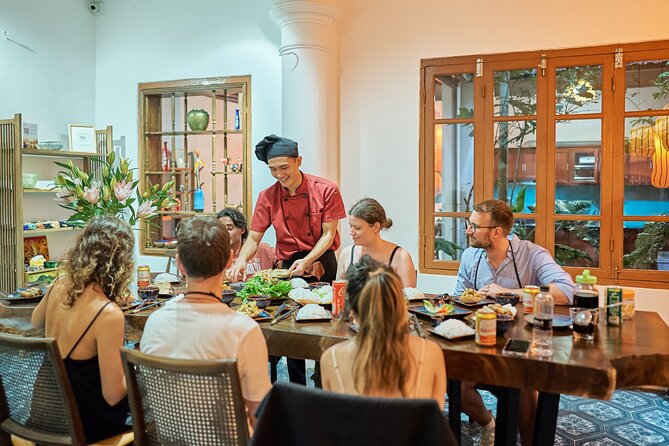
I like that the menu isn’t just one item. You get exposure to different techniques: rolling, frying or grilling elements (depending on how your class runs), mixing salads, and assembling noodles. That variety helps you learn the logic of Vietnamese meals, where each dish brings a different texture and flavor.
Lunch or dinner you actually eat, not just taste
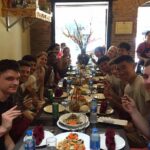
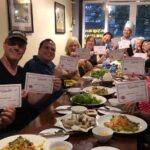
The class includes a full Vietnamese lunch or dinner, depending on your session. Afterward, you’re served fresh seasonal fruits. You also get complimentary tasting of the class’s signature homemade fruit wine—plus welcome herbal tea at the start.
The fruit wine and fruit finish aren’t huge in calories compared to the meal, but they make the whole day feel like a complete experience rather than a cooking workshop that ends early. And yes, it’s also a nice way to get a taste of local hospitality beyond food.
The recipe support that helps you cook later
You receive a digital guidebook with must-try local eats and favorite hangouts. On request, you can also get a digital certificate. Some classes also provide recipes after so you can recreate the dishes at home with less guesswork.
That last part is important. A cooking class that gives you a meal is nice. A class that leaves you with enough direction to reproduce it is better value.
The CSR Impact: How Your $39 Helps Locals, Not Just Tourism Photos
One reason people keep booking this class is that it’s not only about food. The tour describes ongoing CSR projects supported by choosing Rose Kitchen, including:
- monthly charity meals for cancer patients
- educational programs for disadvantaged children in remote regions
- sustainable employment for ethnic minority women who serve as butlers
Even if you never meet the people directly, your money supports a structure. The class frames cooking as a joy-sharing tool for travelers and a practical way to help the local community through consistent programs.
I also like that the CSR isn’t an afterthought. It’s presented as part of the experience’s meaning, not a separate marketing add-on you have to hunt for. When a cooking class ties food to real community support, it feels more grounded.
Price and Value: Why $39 Can Feel Like a Bargain
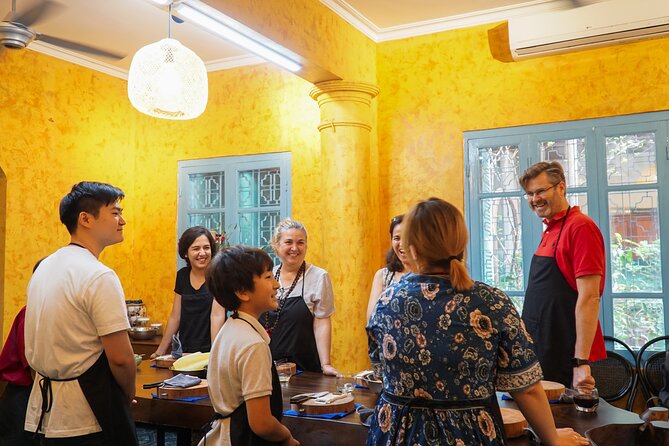
At $39 per person, you’re paying for far more than “someone showing you how to roll spring rolls.” Included are the essentials that typically cost extra elsewhere:
- hotel pickup and drop-off in the Old Quarter
- an English-speaking guide and cultural storyteller
- cooking and dining space, plus all equipment and utensils
- market shopping as part of the flow
- a full Vietnamese lunch or dinner
- unlimited mineral water, plus herbal tea welcome drink
- homemade fruit wine tasting, plus fresh fruits after
- digital guidebook, and digital certificate on request
Also worth noting: vegetarian and vegan classes are available to book, and dietary requirements can be advised at booking. If you eat differently from the standard menu, it’s good to know this is handled rather than treated as an afterthought.
So the value story here is simple. You get a guided market experience, hands-on cooking, and a full meal, without needing extra transport arrangements. For many people, that means less spending and less stress in a city where time adds up fast.
Timing, Weather, and Pacing: What to Expect in Real Life
The tour runs about 4 hours 30 minutes. Some reviews describe it taking around 3 to 4 hours depending on the guide/chef and how the day flows, so treat 4.5 hours as your planning anchor, not a guarantee.
It operates in all weather conditions, but you should dress appropriately. On rainy days, people report the group still being welcomed and included. That tells you the experience has a plan for Hanoi’s weather swings, not just a “good weather only” approach.
Practical tip: wear shoes you can walk in during the market segment, and bring a light layer if you’re sensitive to indoor air-conditioning after being outside.
Small Details That Make It Easier: Tickets, Luggage, and Group Size
A few things reduce friction:
- free luggage storage available upon request
- luggage storage is complimentary up to 3 days
- unlimited mineral water during the experience
- digital ticket option (mobile ticket)
- maximum group size of 100 travelers
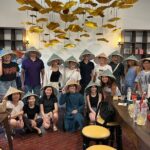
The max group size sounds high on paper, but the kitchen experience is built around instruction and participation. You’ll still feel like part of a group day, especially if you’re with others who want to cook and ask questions.
If you want something more intimate, there’s also an option to upgrade to a private class. That’s a good choice if you have dietary needs that require extra attention, or if you’re traveling with family and want calmer pacing.
Who This Cooking Class Is Best For (And Who Might Want Private)
This is a strong match if you want:
- a market-to-meal experience with real teaching
- a structured day that feels local, not staged
- dishes you can repeat after the trip with recipe support
- a cooking class that also supports community projects
It can be less ideal if you’re expecting a quiet, one-on-one cooking lesson. This is a group class, and the pacing can vary. If you’re the type who hates waiting your turn, consider booking a private option.
It’s also a solid pick for families. Reviews highlight instructors and hosts who adapt for younger kids and keep everyone comfortable while cooking.
Should You Book It? My Decision Guide
Book this Hanoi cooking class if you want the best kind of souvenir: skill. You’ll shop for ingredients, learn how flavors work in dishes like bun cha and spring rolls, and sit down to a full lunch or dinner you helped make.
I’d skip it only if your schedule is ultra-tight. Between pickup, market time, cooking, and eating, the half-day block is real. Also, if your main goal is mastering one single technique deeply (like only dumplings or only stir-fry), you might prefer a more specialized workshop.
If you’re aiming for an all-around experience that combines food, culture, and CSR support in one easy package, this is a very reasonable choice.
FAQ
How long is the Hanoi cooking class?
The experience runs about 4 hours 30 minutes.
Is hotel pickup and drop-off included?
Yes. Pickup and drop-off are included within Hanoi’s Old Quarter.
Do we visit a market before cooking?
Yes. The class includes a market walk to explore and buy seasonal ingredients.
What meal is included?
You get a full Vietnamese lunch or dinner depending on your session, plus fresh seasonal fruits after the meal.
Is there a vegetarian option?
Yes. Vegetarian options are available, and you can advise dietary requirements when booking. Vegetarian/vegan classes are also available to book.
What dishes might we cook?
The experience describes dishes like spring rolls, stir-fried vegetables, and traditional noodles. Reviews also mention bun cha, mango salad, and fresh summer rolls.
Is fruit wine included?
Yes. There’s a complimentary tasting of the signature homemade fruit wine.
Where is the meeting point?
Start is at 52 P. Sơn Tây, Kim Mã, Hoàn Kiếm, Hà Nội 000084, Vietnam, and it ends back at the meeting point.
What happens if weather is poor?
The experience operates in all weather conditions, but the cancellation policy says that if it is canceled due to poor weather, you’ll be offered a different date or a full refund.