REVIEW · UBUD
Vegetarian Ubud Cooking Class Bali
Book on Viator →Operated by Wandernesia · Bookable on Viator
Nine veggie dishes, big spice-energy. This Ubud vegetarian cooking class maps the full Balinese food journey: shopping, grinding spice paste with a traditional ulekan, and cooking up nine separate dishes you can recreate later.
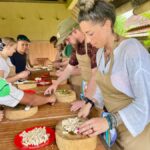
I especially like that it’s built for vegetarians, so tofu, tempe, and fresh veggies aren’t an afterthought. You get a professional English-speaking chef, plus a small group size (max 15), which usually means more hands-on help when your paste is too dry or your sauce needs time.
One thing to consider: the included hotel transfer is part of the value, but pickup problems do happen. If your hotel is in central Ubud and you want the smoothest start, confirm timing ahead of time and keep the meeting address handy as a backup.
In This Review
- Key Things I’d Focus On Before You Book
- A Vegetarian Ubud Cooking Class That Covers the Full Bali Food Story
- Pickup in Central Ubud (and How to Avoid a Stressful Start)
- The Meeting Point Address
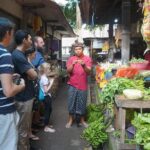
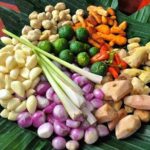
- Market Shopping in Ubud: Where the Real Lessons Begin
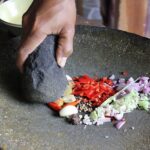
- Grinding Spice Paste with the Ulekan (Traditional Technique You Can Taste)
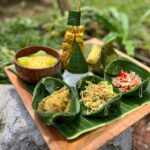
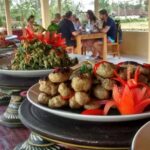
- Cooking Your Nine Vegetarian Dishes: Tofu, Tempe, Fresh Veggies, and More
- Rice-Field Storytelling and Why It Makes the Meal Stick
- Morning vs Afternoon: Lunch or Dinner Included
- The “Take It Home” Part: Nine Recipes You Can Actually Use
- Price and Logistics: Is $39 Good Value?
- Who This Cooking Class Is Best For
- Should You Book This Vegetarian Ubud Cooking Class Bali?
- FAQ
- How long is the Vegetarian Ubud Cooking Class Bali?
- What’s included in the price?
- Is pickup available from my hotel?
- Does this class have vegetarian options?
- How many dishes will I cook?
- Are lunch and dinner included?
- How many people are in the group?
- Where does the class start?
- Is travel insurance included?
- Should You Book?
- Is it refundable or changeable after booking?
Key Things I’d Focus On Before You Book
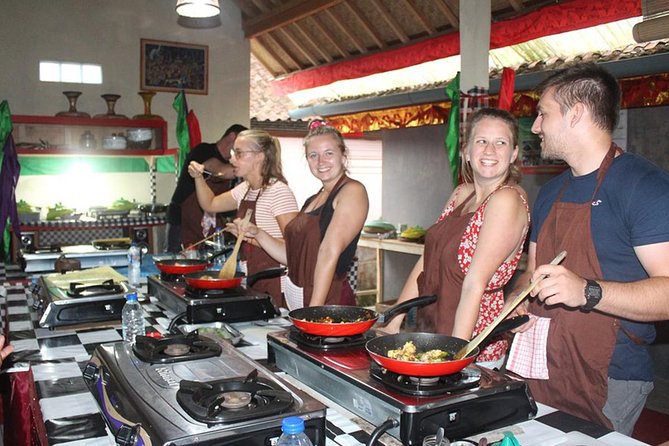
- Vegetarian-first menu with tofu and tempe featured across your nine dishes
- Market shopping + spice grinding using a traditional ulekan, not just a demo
- Small group (max 15), which helps you actually cook rather than watch
- Session choice: morning with lunch or afternoon with dinner
- Recipes included as a copy file for all nine dishes to take home
- Central Ubud transfers plus bottled water and a welcome drink
A Vegetarian Ubud Cooking Class That Covers the Full Bali Food Story
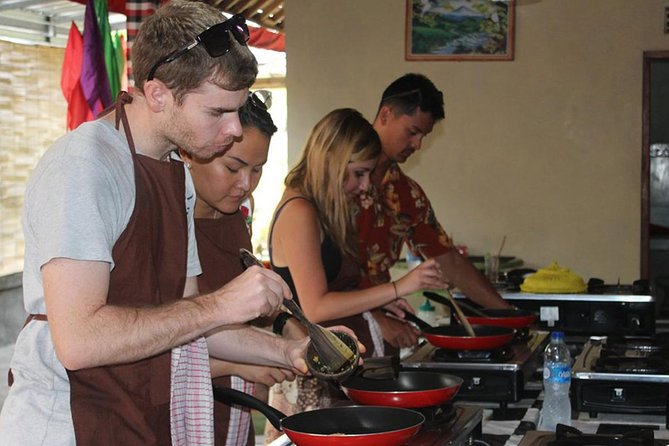
This is one of those classes where the payoff isn’t only the meal. The real value is the process—how Balinese flavor gets built. You start with the ingredients, then you move into grinding spice paste, and finally you cook multiple dishes step-by-step with a professional chef.
The vegetarian angle matters here. You’re not adapting a meat-based menu at the last second. You’re learning Balinese cooking with vegetarian ingredients in mind—especially tofu and tempe, plus plenty of fresh vegetables. That’s useful back home, because vegetarian cooking can be frustrating when you only get one “safe” dish and the rest require substitutions.
Also, this class is timed for about four hours, so you’re not stuck doing a full-day retreat. You get a focused experience with enough time to learn technique, not just collect a photo and leave.
You can also read our reviews of more tours and experiences in Ubud.
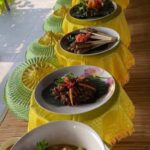
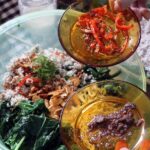
Pickup in Central Ubud (and How to Avoid a Stressful Start)
If you’re staying in central Ubud, the big convenience is the included round-trip transfer. The class offers pickup from central Ubud hotels and drops you back after the cooking session. That helps a lot if you’re not using scooters or you simply want a lower-friction morning or afternoon.
Two practical notes from the way this tour is set up:
- You can either be picked up near your lobby hotel (the class says pickup is offered), or you can meet directly at the location.
- This tour uses a mobile ticket, and you’ll receive confirmation within 48 hours of booking (subject to availability).
Why I’m emphasizing this: the cost and comfort of the class depend on the transfer working smoothly. There’s at least one reported situation where pickup didn’t happen and messages weren’t answered for a while. I can’t predict whether that will happen to you, but I can tell you how to reduce risk:
- Double-check your pickup time after confirmation.
- Screenshot your confirmation and keep it offline.
- Save the meeting point address (it’s provided) so you can go directly if needed.
The Meeting Point Address
Subak cooking class / Cooking class in Ubud, Jl. Werkudara, Tampaksiring, Kec. Tampaksiring, Kabupaten Gianyar, Bali 80552, Indonesia.
Market Shopping in Ubud: Where the Real Lessons Begin
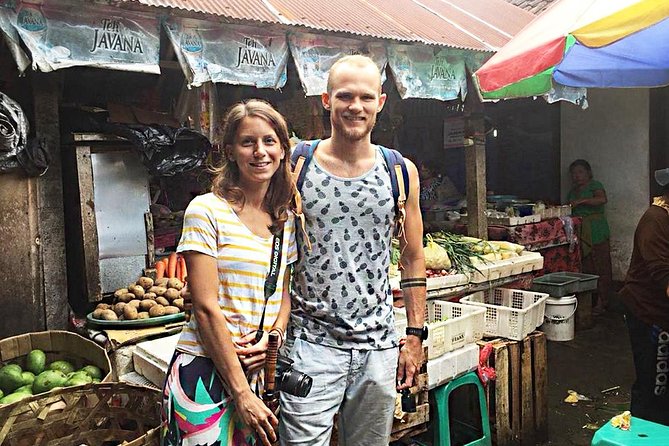
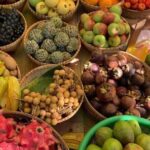
A good cooking class teaches you the “why,” not just the “how.” In this one, the market part is where you start learning flavor logic—how you choose ingredients for Balinese-style dishes.
You’ll go shopping as part of the experience, and you’re guided through what to look for. The class is vegetarian-focused, so you should expect items suited to tofu and tempe cooking, along with fresh produce used throughout the nine dishes. You’ll also be dealing with spices, since a big chunk of the class centers on making spice paste the traditional way.
A key detail for your wallet: personal expenses in the local traditional market are not included. So bring a bit of cash, and be ready to purchase any extras your chef encourages during the shopping portion. I like to think of this as the “choose your spices” moment—if you want to recreate the dishes later, having the right ingredients matters.
You’ll also have your welcome drink and bottled water included, so you’re not walking around hungry while you decide what to buy.
Grinding Spice Paste with the Ulekan (Traditional Technique You Can Taste)
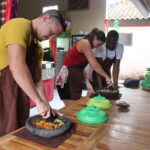
This class doesn’t skip the hands-on part. You grind spice pastes using a traditional ulekan (a mortar-and-pestle setup). That’s not just for show.
Grinding affects texture and flavor. When spices are processed by hand, you typically get a more integrated paste than you would from a quick blend. The chef’s guidance here is what turns “I followed the steps” into “I understand what to do next time.”
If you’ve never used an ulekan, here’s what to expect practically:
- It takes some effort. That’s part of the fun.
- You’ll likely adjust the paste consistency as you go (thicker paste cooks differently than looser paste).
- You’ll learn how the paste is used as a flavor base for multiple dishes you cook later.
I like that the class pairs this traditional technique with a vegetarian menu. You see how spice paste becomes the backbone even when the dish is plant-based.

Cooking Your Nine Vegetarian Dishes: Tofu, Tempe, Fresh Veggies, and More
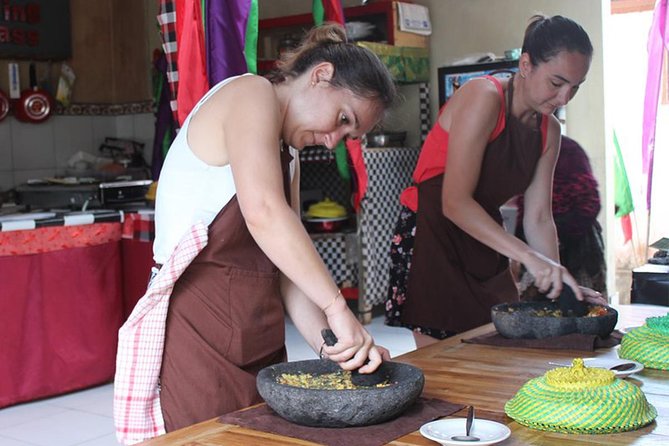
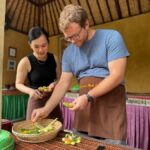
The headline is nine separate dishes, prepared during the class. That’s a lot for a four-hour session, which is why having an experienced chef running the workflow matters.
From the info you’re given, the vegetarian focus includes:
- Tofu
- Tempe
- Fresh vegetables
- Spice pastes and Balinese cooking basics
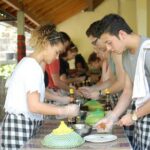
You’ll cook multiple dishes rather than just one “main event.” For me, that’s where the class feels most worth it. You get variety—enough to cover different flavors and textures—so your at-home meal doesn’t turn into the same dish repeated three times.
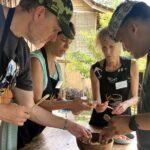
A helpful way to approach this part: treat it like a cooking lab, not a performance. Ask questions when you notice your paste is too chunky, or if your pan heat is making ingredients cook too fast. Because it’s a small group (up to 15), you’re more likely to get real coaching rather than quick tips shouted from across the room.
Also, the included cooking equipment means you’re not bringing gear. You’ll work with what the class provides, which is ideal if you’re traveling and pack light.
Rice-Field Storytelling and Why It Makes the Meal Stick
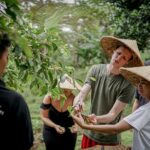
One of the more memorable extras is the rice-field explanation. Even when it’s short, this kind of context helps you understand why Balinese cooking uses certain seasonal ingredients and flavors.
I like this pairing: you learn cooking technique, then you get a bit of place-based context. It makes the experience feel like more than a recipe lesson. You come away with flavor knowledge you can apply, not just memories of a single meal.
That said, you shouldn’t expect a long narrated tour. This is still a cooking class first. Think of the rice-field piece as the story that connects the ingredients to the island.
Morning vs Afternoon: Lunch or Dinner Included
You can choose either a morning or afternoon session. Both include food and drinks, just in different meal formats:
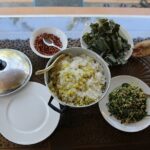
- Morning: lunch plus bottled water
- Afternoon: dinner plus bottled water
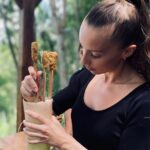
You also get a welcome drink at the start. Other beverages are available for purchase, so if you want something beyond the included water and welcome drink, you can add it on your own.
Why this matters for value: you’re paying for a meal experience either way. You’re not left hunting for lunch afterward, which can be a hidden cost in Ubud when your plans run late.
The “Take It Home” Part: Nine Recipes You Can Actually Use
A big practical win: you receive a copy file of 9 recipes of Balinese food. That means you’re not stuck trying to remember every ingredient and step from memory.
Here’s how to make the recipe sheet work for you:
- Before cooking starts, take a quick look at the provided recipe format (when you get it).
- After each dish, note what changed in your pan: cooking time, thickness, taste adjustments.
- If you don’t have all the spices at home, start by recreating the spice-paste style first. That’s the core technique.
Vegetarian cooking can be hit-or-miss if the flavors aren’t right. Having nine distinct recipes helps you build a repeatable base for future meals.
Price and Logistics: Is $39 Good Value?
At $39 per person, you’re paying for more than a casual cooking demo. Here’s what makes the price feel reasonable:
- Professional chef with English support
- Market shopping component
- Ulekan spice paste grinding (hands-on technique)
- Nine dishes cooked in one session
- Lunch or dinner included depending on time slot
- Bottled water + welcome drink
- Transfers included for central Ubud hotels
- Recipes provided for all nine dishes
- Max group size of 15
For many visitors, the transfers and included meal are doing a lot of the value math. If you’ve ever paid for a taxi ride and then still had to buy food, the package suddenly looks smarter.
Now, the caution: because pickup issues have been reported, you should treat the transfer as a benefit, not a guarantee. If smooth logistics matter most to you, confirm details after you receive confirmation and be ready to meet at the location if needed.
Also note the policy: the experience is listed as non-refundable and cannot be changed for any reason. If your dates are flexible, this is something to weigh carefully.
Who This Cooking Class Is Best For
This class is a great match if you:
- Want Balinese flavor without meat-based substitutions
- Enjoy hands-on cooking and want traditional spice-paste technique
- Prefer learning with a pro chef and a small group
- Like the idea of a complete package: transfers, drinks, and a meal are included
It’s less ideal if you:
- Need a totally hands-off experience with zero chance of timing stress
- Have a very tight schedule and can’t absorb a delayed start
- Expect vegetarian food to mean bland—this class is about spices and paste, not safety-only cooking
Should You Book This Vegetarian Ubud Cooking Class Bali?
I’d book it if you want a structured vegetarian cooking experience that goes beyond one dish. The combination of market shopping, traditional ulekan spice grinding, and nine dishes plus recipes makes it a strong value for the price—especially since lunch or dinner is included.
If transfers are a deal-breaker for you, don’t ignore the pickup caution. Do your homework after confirmation. Save the meeting address. Plan for the possibility that you may need to head to the location yourself if pickup is late.
If your goal is to leave Ubud with recipes you can repeat at home, this class gives you enough variety and technique to make that realistic.
FAQ
How long is the Vegetarian Ubud Cooking Class Bali?
The class runs for about 4 hours.
What’s included in the price?
It includes a welcome drink, a professional English-speaking local chef, copy file of 9 recipes, cooking equipment, and pickup and drop-off transport in central Ubud only. It also includes bottled water and a meal (lunch for morning sessions, dinner for afternoon sessions).
Is pickup available from my hotel?
Pickup is offered from central Ubud hotels. If pickup isn’t used, you can meet directly at the provided meeting point address.
Does this class have vegetarian options?
Yes. The cooking class is tailored for vegetarians, and the dishes include ingredients like tofu and tempe.
How many dishes will I cook?
You’ll prepare nine separate dishes.
Are lunch and dinner included?
Yes. The morning session includes lunch, and the afternoon session includes dinner, along with bottled water.
How many people are in the group?
The tour has a maximum of 15 travelers.
Where does the class start?
The start location is listed as Subak cooking class / Cooking class in Ubud at Jl. Werkudara, Tampaksiring, Kec. Tampaksiring, Kabupaten Gianyar, Bali 80552, Indonesia.
Is travel insurance included?
No. Insurance is not included.
Should You Book?
Is it refundable or changeable after booking?
It is listed as non-refundable and cannot be changed for any reason. If you cancel or ask for an amendment, the amount paid will not be refunded.