REVIEW · KATHMANDU
Half Day Cooking Class in Thamel with Local Market Visit
Book on GetYourGuide →Operated by Nepal Cooking School · Bookable on GetYourGuide
A market trip, then you cook and eat. This half-day class in Thamel pairs a local ingredient hunt with a hands-on cook-and-taste format, and it’s sized for a small group (up to 8). I like the step-by-step instruction that lets you build flavors to your own heat level, but one watch-out is that on some days the market stop may not happen as expected, so ask if that’s a must for you.
What makes this class especially practical is the pacing: you cook one course, eat it hot, then move on. You’ll learn Nepalese food basics like spices and technique, and you’ll leave with a real sense of how Newari and Nepalese flavors come together instead of just collecting recipes.
In This Review
- Key Things I’d Prioritize
- Why Thamel Cooking Classes Work Best in a Small Group
- Local Market Visit: Fresh Ingredients and the Right Questions to Ask
- The 4-Course Loop: Cook One, Eat One, Learn Faster
- Nepalese Spices and Cooking Techniques You’ll Actually Use
- Timing, Thamel Pickup, and How to Plan Your 3 Hours
- Price and Value: What $21 Covers (and What You’ll Spend Otherwise)
- Who This Class Is Perfect For
- Should You Book This Half-Day Cooking Class in Thamel?
- FAQ
- Where is the class located?
- How long is the cooking class?
- What time shifts are available?
- How many people are in the group?
- Is instruction available in English?
- What will I cook and eat?
- Do I get to visit the local market?
- Is masala tea and drinking water included?
- What’s not included in the price?
Key Things I’d Prioritize
- Local market visit for fresh ingredients tied directly to what you’ll cook
- Small group feel with English-speaking guidance
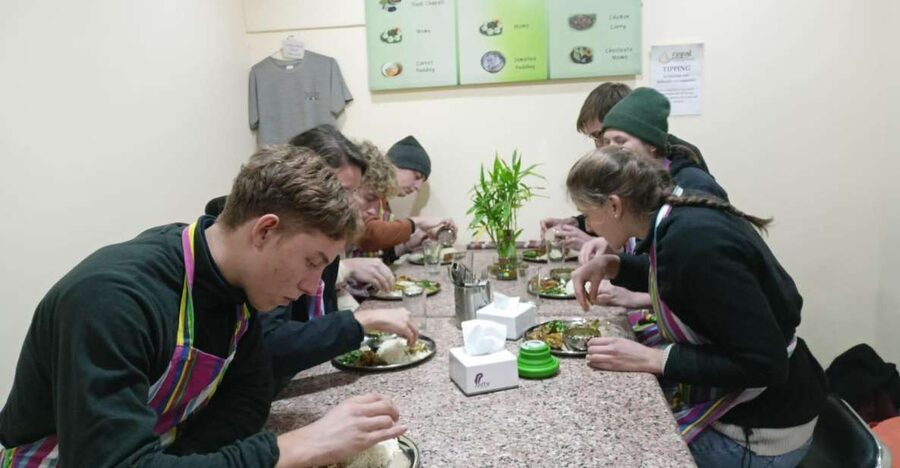
- Cook-then-eat courses so food is fresh and hot when it hits the table
- Three menu options with flexibility for dish swaps or adjustments
- Momos included on every menu, so you’re not taking a risk on getting them
- Spice control: add more or skip chili depending on your preference
Why Thamel Cooking Classes Work Best in a Small Group
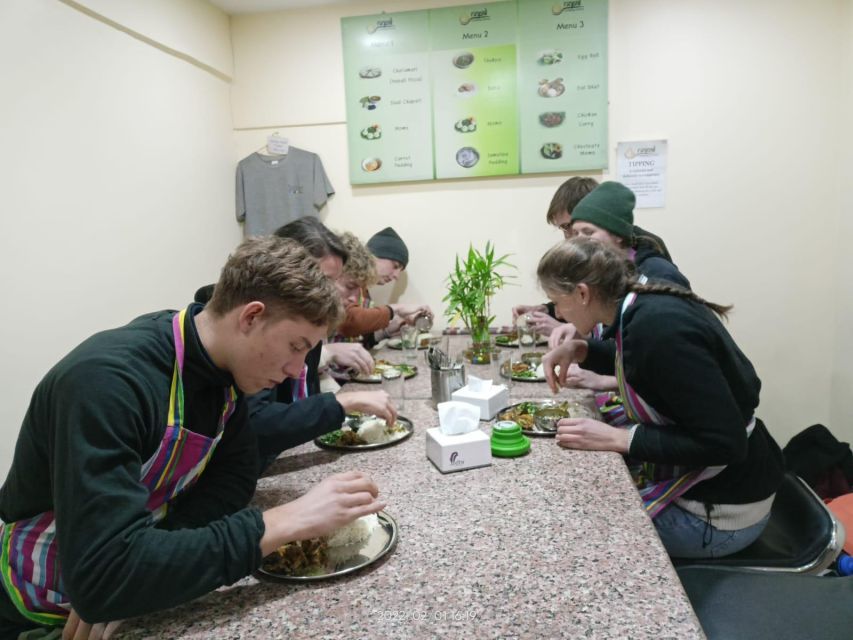
Kathmandu’s Thamel is packed with food spots, but this experience gives you something different: context. Instead of only eating dishes, you learn what’s in them and why, from the ingredients you choose to the techniques you use.
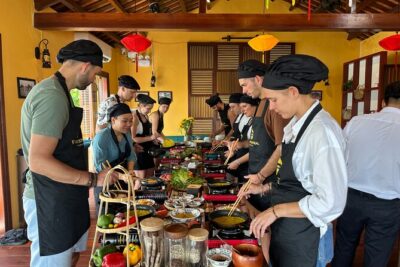
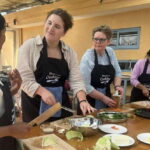
The class is limited to 8 participants, which matters. In a group that small, you get real interaction, not just watching from the edge of the kitchen. It’s also offered in English, so you can ask questions while you’re cooking, not after the fact.
One detail I appreciate: the instruction is described as step-by-step all the way through the process. That makes the class feel approachable even if you’re a total cooking beginner.
Finally, the instructors come across as a family-style team. One review highlights a group that grows their own spices, which usually means they talk about flavor with more hands-on pride than a scripted demo.
You can also read our reviews of more tours and experiences in Kathmandu.
Local Market Visit: Fresh Ingredients and the Right Questions to Ask
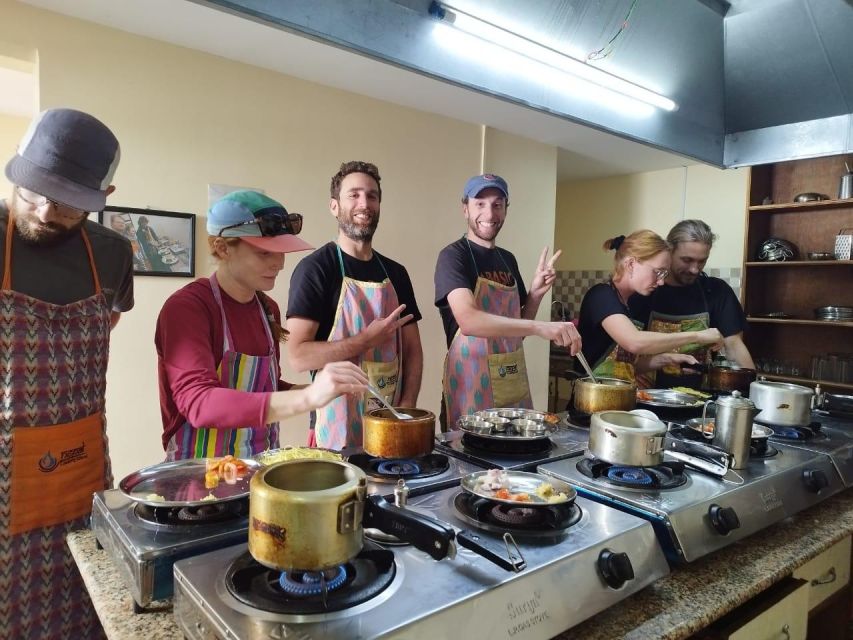
The market visit is the part that turns “cooking class” into actual food learning. You’re not just buying random spices; you’re matching what you’ll cook later with what looks fresh, fragrant, and appropriate for Nepalese flavors.
Here’s how to use the market time well:
- Pay attention to spices and dried ingredients that will show up again in your recipes.
- Ask what’s used for heat and what’s used for aroma. Those are not always the same ingredient.
- If you’re sensitive to spice, note what’s commonly used and decide early how you want your version adjusted.
One practical caution: a participant mentioned that the market visit didn’t happen for their Saturday morning session. That doesn’t mean it always fails, but if the market stop is a top reason you booked, I’d treat it like a must-have item and confirm your date/time includes it.
Also, keep in mind the market context. You may see spices sold at prices that feel high compared with typical tourist shopping. That’s normal in busy areas, and it’s exactly why it helps to understand what you’re choosing before you buy.
The 4-Course Loop: Cook One, Eat One, Learn Faster
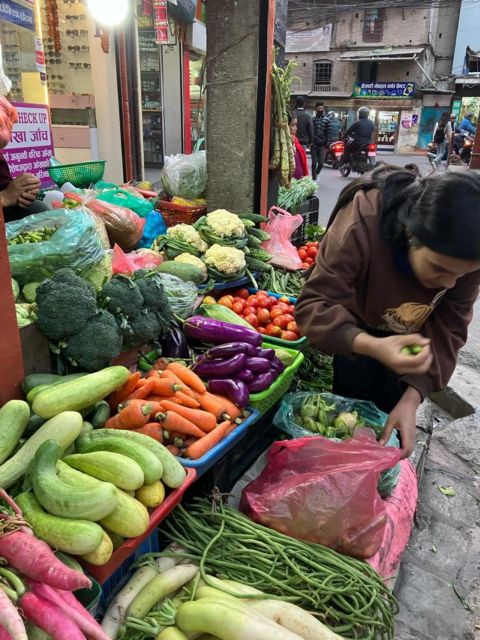
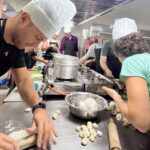
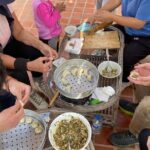
This is a 4-course experience, but the key is the loop: you cook one course and then eat it. That changes everything about the class. Instead of cooking an entire menu and eating later when food cools down, you get hot food in front of you as you work, which helps you understand seasoning in real time.
The format also makes it easier to personalize:
- If you like chili, you can add more.
- If you don’t, you can leave it out or reduce it.
That might sound basic, but in cooking classes it’s the difference between following a recipe and actually learning flavor control.
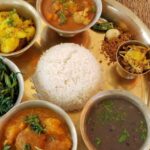
Menus and dishes: there are three different menus, and each menu includes four traditional dishes. The class is also designed so you won’t miss out on momos—they’re included in each menu option. That’s a big deal in Kathmandu, because momos are often the dish people hope to learn, and here you’re not gambling.
On top of momos, you’ll be cooking a mix that covers traditional Nepalese and Newari food. The Newari angle matters because it pushes beyond the most obvious “tourist hits” and into a broader set of spice and ingredient combinations that feel distinct.
Finally, you should expect a true tasting element. You’ll taste what you make, and you’ll also sample a variety of dishes as part of the menu structure.
Nepalese Spices and Cooking Techniques You’ll Actually Use
The biggest learning value here is that you’re not only eating food. You’re learning the building blocks behind it—spices, basic cooking techniques, and how ingredients behave when heated.
You’ll get practical guidance on the full process rather than a quick “mix and go” lesson. That’s what helps you understand why your food tastes right—or why it doesn’t—so you can adjust next time without guessing.
What I’d watch for while you cook:
- How instructors talk about spice timing (what goes in early vs what goes in later).
- How they explain balancing heat with flavor.
- What texture changes you should look for as a dish cooks.
One review specifically praised the instruction quality and how good the directions were, and that matches the goal of the class: you should be able to recreate the logic later, even if you can’t replicate every ingredient.
If you’re cooking at home later, the best part is that the class helps you build instincts. You’ll start thinking in terms of spice layers and technique, not only memorizing measurements.
Timing, Thamel Pickup, and How to Plan Your 3 Hours
This class runs for about 3 hours, and there are three shifts: 9:00 am, 1:30 pm, and 4:30 pm. That scheduling is useful because it fits the rhythm of Kathmandu sightseeing. You can do it as a morning anchor, or you can slot it between visits when you don’t want another full-day commitment.
Pickup is described as inside Thamel by walking. Translation: if you’re staying near Thamel, it’s easy; if you’re elsewhere in Kathmandu, you should plan how you’ll reach the meeting area because pickup outside the Thamel area isn’t included.
What to bring is simple: a camera. You’re likely to want photos of the market ingredients and the dishes you cook, especially since the experience is hands-on and food-focused.
Food reality check: come hungry. The class is built around cooking and eating multiple courses, plus masala tea and drinking water are included.

Price and Value: What $21 Covers (and What You’ll Spend Otherwise)
At $21 per person, the value is in the combination. You’re paying for more than ingredients.
Included highlights:
- A local market visit
- A hands-on cooking class with an English-speaking instructor
- All equipment and ingredients
- Cooking and tasting 4 courses
- Masala tea and drinking water
And you’re doing it in a small group (max 8), which tends to make the instruction feel more personal. In many places, small-group classes cost more, especially when you add a market visit and multiple courses.
What’s not included is also straightforward:
- Alcoholic beverages
- Private transportation
- Pickup if you’re outside Thamel
That last point is the one that can change the real-world cost. If you have to pay for extra transport to reach Thamel, your total day budget shifts.
Also, if spice shopping is part of your plan, note that market pricing can be high depending on day and location. That doesn’t make the class worse, but it helps you decide whether you want to buy spices there or only learn how they work in the cooking.
Who This Class Is Perfect For
This half-day cooking class is a great fit if you want quick, meaningful cultural contact without locking up your whole day.
You’ll likely love it if:
- You’re in Kathmandu for a short time and want a compact activity with a full meal
- You enjoy food learning where you can ask questions while you cook
- You want Nepali and Newari flavors, not just a single dish
- You’re traveling solo and still want a group that feels interactive
- You like control—turn up the chili or keep it mild
It’s less ideal if:
- You’re staying far from Thamel and don’t want to figure out meeting logistics on your own
- You need private transportation included
- You’re only interested in market shopping itself rather than cooking and tasting (this is a cooking-first experience)
Should You Book This Half-Day Cooking Class in Thamel?
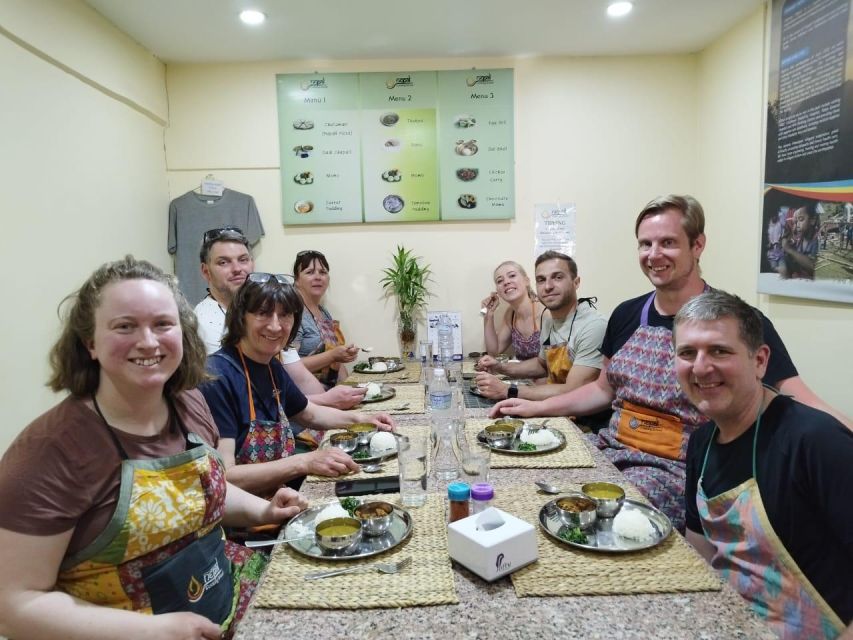
If you want the best version of a cooking class—market ingredients, hands-on learning, and a meal you eat while it’s hot—this one is an easy yes. The small group size, English instruction, and cook-then-eat pacing are what make it feel worth your time, especially at this price.
Before you book, do one thing that will save you stress: if the market visit is a big part of your goal, confirm it for your specific date/time. With that check done, you’re set up for a fun, practical lesson in Nepalese and Newari cooking that you can use long after your Thamel day ends.
FAQ
Where is the class located?
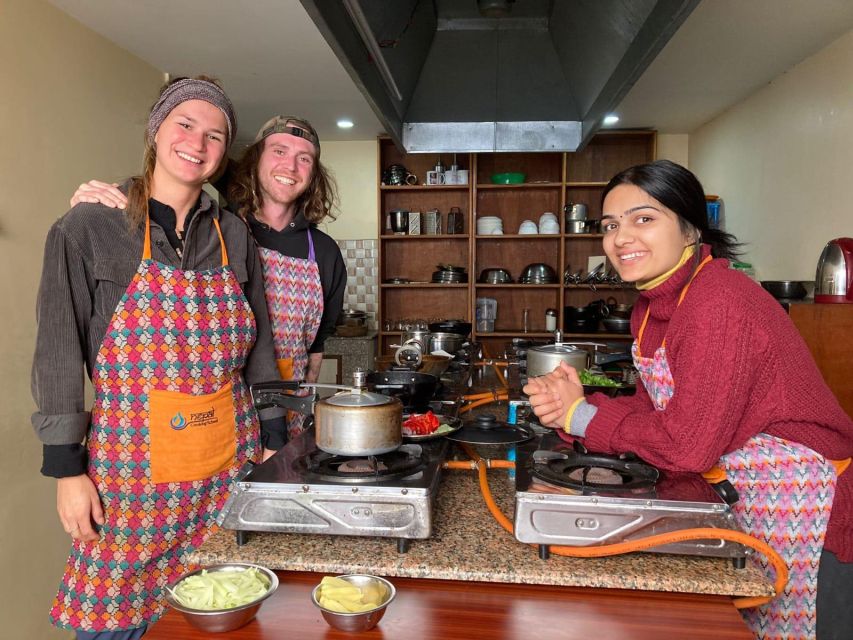
The experience takes place in Thamel, Kathmandu (Bagmati Zone, Nepal). Pickup is included only inside the Thamel area by walking.
How long is the cooking class?
The duration is about 3 hours.
What time shifts are available?
There are three class times: 9:00 am, 1:30 pm, and 4:30 pm.
How many people are in the group?
It’s a small group limited to 8 participants.
Is instruction available in English?
Yes. The cooking instructor speaks English.
What will I cook and eat?
You’ll cook and taste a 4-course meal. There are three different menus, and momos are included on each menu.
Do I get to visit the local market?
Yes, a local market visit is included as part of the experience.
Is masala tea and drinking water included?
Yes. Masala tea and drinking water are included.
What’s not included in the price?
Pick up outside the Thamel area, alcoholic beverages, and private transportation are not included.