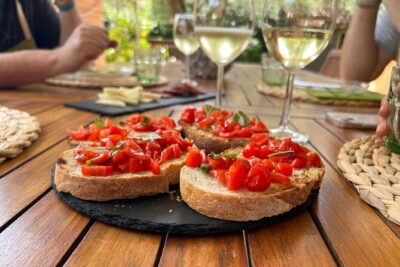
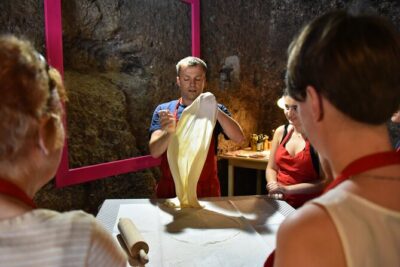
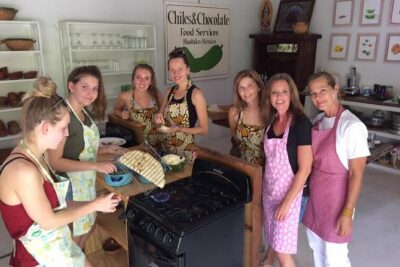
Kathmandu can feel like a blur. This cooking class gives it flavor and a friendly, local center. Women lead the whole experience, from the first cup of masala chai to the last bite of lunch, right in Thamel with simple access for visitors.
What I really like is how hands-on it is. You choose from three menus, cook alongside the instructors, and you do not get stuck with the after-meal cleanup—many groups are relieved by that. I also love that the school emphasizes Nepali culinary heritage by sourcing ingredients through local farmers, so what you cook is built around the flavors of the place you’re visiting.
One consideration: the session is weather-dependent, so if Kathmandu weather turns rough, you may need a different date (or a refund). Also, it’s only about four hours, so if you’re looking for a long, slow food day, plan something else alongside it.
In This Review
- Key highlights you’ll care about
- Meeting the Women Behind Namaste in Thamel
- First Sip: Chai Welcome and the Easy Start
- Choosing Your Menu and Planning for Allergies
- Spice Education That Actually Connects to the Food
- Hands-On Nepali Cooking for a Real Lunch (With Less Mess)
- What You Take Home: Recipe Book That Keeps the Taste Alive
- Price and Value in Kathmandu: What $30 Buys You
- Timing and Logistics: A Simple Plan That Fits Most Schedules
- Who Should Book This Nepali Cooking Class—and Who Might Skip It
- Should you book Namaste Cooking School?
- FAQ
- FAQ
- Where does the cooking class start and end?
- How long is the cooking class?
- What is the price per person?
- Is lunch included?
- Will I be able to choose what I cook?
- Is the class taught in English?
- How many people are in the group?
- What happens if weather is bad?
Key highlights you’ll care about
- Women-led instruction in English, with a fun, upbeat vibe
- Three curated menus plus help for dietary restrictions and allergies
- Spice education tied to regional Nepali flavor, not just memorizing recipes
- Lunch included, built from what you cook
- Recipe book to take home, so the class keeps paying off later
- Small groups (max 16) for more personal guidance
Meeting the Women Behind Namaste in Thamel
This class runs out of Namaste Cooking School in the heart of Thamel. That matters because Thamel is where most visitors already end up—so you’re not spending your cooking day lost on the other side of town. The room setup is also described as clean and bright, which sounds basic, but it makes a big difference when you’re chopping, mixing, and learning by doing.
A big part of why this experience feels different is that it’s led by local women. In the classroom, you’ll meet instructors such as Sabita and Sushila, and you can expect a warm, welcoming tone from the start. The energy is not stiff or overly formal. It’s more like you’re being hosted, then taught, then fed.
And because the experience caps at 16 people, you’re less likely to feel like a number in a big kitchen. You can ask questions, get corrections, and actually follow along when techniques matter.
You can also read our reviews of more tours and experiences in Kathmandu.
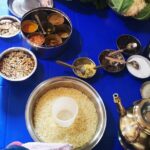
First Sip: Chai Welcome and the Easy Start
The welcome is simple but memorable: you’re greeted with masala chai as part of the hospitality ritual. In Nepal, chai isn’t just a drink; it’s a way of saying you’re in the right place and you’re cared for.
If you’re arriving from near the airport, pickup is part of the plan. The experience starts at Tribhuvan Airport and ends back at the meeting point. That round-trip structure is practical in Kathmandu, where traffic and route changes can turn a “quick trip” into an unexpected time sink.
Right after you’re settled, the group orientation moves fast. You won’t sit through a long lecture. Instead, you go straight into the choices and setup for the cooking portion.
Choosing Your Menu and Planning for Allergies
You get to choose from three carefully curated menus. That’s more useful than it sounds. It helps you match the meal to your appetite and comfort level, instead of being pushed into one fixed menu.
Next, the instructors ask about dietary restrictions or allergies. This is the moment to speak up clearly and early. If you avoid something specific—like certain ingredients, spice levels, or allergen-heavy items—tell them right away so they can guide you in the menu selection and adjust where they can.
Also note the format: the class isn’t a passive tasting tour. It’s built around you cooking. That makes menu choice more than a flavor decision. It affects what you’ll actually handle and learn during the session.
Spice Education That Actually Connects to the Food
Before you cook, you get a short introduction to the regional spices that shape Nepali cuisine. The value here is the connection. Instead of treating spices as a random list, you learn why particular flavors show up in different dishes.
This matters for two reasons when you travel:
- You can taste with context. You start noticing what’s doing the heavy lifting—warmth, aroma, heat, and balance.
- You’re better prepared to repeat the dishes at home. Spices aren’t just ingredients; they’re technique.
If you tend to cook at home, you’ll appreciate this step. It turns the class from a one-time meal into something you can recreate.
Hands-On Nepali Cooking for a Real Lunch (With Less Mess)
Now the best part: you cook. The guidance is hands-on, meaning you follow steps and learn through doing, not just watching. This is where the women-led format shines. You’re not left to figure it out alone.
Expect to work through the core dishes in your selected menu, and then enjoy lunch included. For many people, this is the sweet spot in Kathmandu. It’s not just food—it’s a full meal that you personally made.
One of the most praised elements is how much cleanup you avoid. Multiple groups mention that there is essentially no cleaning up on your part; the instructors handle the mess. That turns a cooking class from “fun but exhausting” into “fun and satisfying.”
During the session, the atmosphere can be lively. Some groups describe laughter, stories, and even dancing and singing. You don’t have to be a performer to enjoy it, but if you like a social kitchen vibe, this one fits.
And yes, the class is designed so that even if you’re cooking solo, you’re not stuck out on the sidelines. The small size plus the active cooking format helps you feel included.
What You Take Home: Recipe Book That Keeps the Taste Alive
At the end of the half-day course, you receive a Namaste Cooking School recipe book. This is a practical souvenir, not just paper. It’s your bridge from Kathmandu back to your kitchen.
Here’s the real payoff: you can use the recipes as reminders for the steps you practiced. If you remember your spice choices and cooking order, the recipes help you reproduce the feel of the dishes, not just the ingredients.
Since you’re leaving with a guide, you can also share it. Cooking class recipes often become “the thing” friends ask for later, especially when you made them yourself.
Price and Value in Kathmandu: What $30 Buys You
At $30 per person, you’re paying for much more than a quick demo. You get:
- Four hours of instruction and cooking time (approx.)
- Lunch included
- English-language support
- A keepsake recipe book
- A women-led, small-group format (max 16)
The value depends on what you want from Kathmandu. If your trip is packed with hikes and temples, a cooking class is a smart, low-stress way to get deep into local culture without needing a full day.
Also, the pickup option from the airport area is part of that value equation. Transportation can quietly eat your time. Having a simple start and end plan helps you actually enjoy the class, instead of rushing to reach it.
Timing and Logistics: A Simple Plan That Fits Most Schedules
This experience runs about 4 hours total. That’s short enough to fit between sightseeing blocks, but long enough to learn real steps and eat a real meal.
The school is in Thamel, and it’s near public transportation. That’s useful if you decide to arrive on your own instead of using pickup. If you do use pickup, you’ll still get a clear round-trip structure, which reduces uncertainty.
One more practical note: the experience requires good weather. Kathmandu can shift quickly, so if your schedule is tight, consider booking this earlier in your trip window. That gives you a cushion if your first choice date changes.
Who Should Book This Nepali Cooking Class—and Who Might Skip It
This class is ideal if you want:
- A hands-on introduction to Nepali food
- A women-led cultural experience in a visitor-friendly area (Thamel)
- A class format that includes lunch and a recipe book
- Small-group attention (up to 16 people)
You might consider skipping if you:
- Want a longer, multi-day food experience
- Are sensitive to schedule changes due to weather dependency
- Prefer quiet, low-energy activities only (the vibe can be animated)
If you’re traveling solo, it’s also a strong option. The class is built around interaction and active participation, not pairing up or waiting for a group to “start.”
Should you book Namaste Cooking School?
Yes, if your goal is authentic Nepali cooking you can actually repeat. The combination of local ingredient sourcing, women-led teaching, menu choice, and lunch included makes it good value. Plus, the minimal cleanup means you leave satisfied, not worn out.
If you’re booking it, I’d time it when your day is free enough to enjoy lunch fully. And if you have allergies or restrictions, tell them during the menu selection step so the cooking plan stays smooth.
FAQ
FAQ
Where does the cooking class start and end?
The experience starts at Tribhuvan Airport in Kathmandu, Nepal. It ends back at the meeting point.
How long is the cooking class?
It runs for about 4 hours.
What is the price per person?
The price is $30.00 per person.
Is lunch included?
Yes. Lunch is included in the experience.
Will I be able to choose what I cook?
Yes. You choose from three carefully curated menus. The team also asks about dietary restrictions or allergies.
Is the class taught in English?
Yes. English is offered.
How many people are in the group?
The group size is limited to a maximum of 16 travelers.
What happens if weather is bad?
The experience requires good weather. If it’s canceled due to poor weather, you’ll be offered a different date or a full refund.