REVIEW · KATHMANDU
Cook and Eat: Cooking Class in Kathmandu near Thamel
Book on Viator →Operated by Shepherd Holidays · Bookable on Viator
Spices start before you cook. This Kathmandu cooking class near Thamel is a simple 3-hour way to learn Nepali flavors with real instruction and real food. You pick your three dishes from the menu, visit a local market with a guide, and then cook and eat in a proper kitchen setup.
What I really like is the chef-led process in clear English and the fact that you get both the prep work and the finished meal. I also like the market stop because it helps you understand what goes into your dishes, not just how to cook them.
One thing to consider: the class moves at a working-kitchen pace, so if you want zero mess and zero chopping, you’ll want to choose a more watch-and-assist role when the chef starts prepping. Hands-on time is the point of the experience.
In This Review
- Key Highlights You’ll Actually Use
- Why This Kathmandu Class Starts With a Market Walk
- Meeting at Shepherd Holidays and Choosing Your Three Dishes
- Session One: Tea Welcome, Staff Intro, and Ingredient Shopping
- Session Two: Cutting, Prep, and Chef-Led Cooking
- Session Three: Serve and Taste Your Nepali Creations
- Tea Again Before You Leave: The Class Wrap-Up
- Price and Value: Is $24 a Fair Deal?
- Logistics Near Thamel: Simple, Walkable, and Timed
- Who Should Book This Cooking Class (and Who Should Skip It)
- Should You Book This Kathmandu Cooking Class?
- FAQ
- How long is the cooking class?
- Where do I meet for the experience?
- How many dishes do I cook?
- Is there a market visit?
- What is included in the price?
- Are beverages included?
- Is pick-up and drop-off included?
- How many people are in the group?
- What happens if the weather is bad?
- FAQ
- Can I cancel for a full refund?
- What if I cancel less than 24 hours before?
- What happens if I need changes to my booking?
- When do cut-off times apply?
Key Highlights You’ll Actually Use
- Pick 3 dishes from the menu, so you can steer the class toward what you want to eat
- Market visit with a guide so you learn ingredients, not just recipes
- Chef cooking + your prep work, with the option to be more hands-on or more observant
- Three-course-style eating flow where you serve and then sit down to enjoy what you made
- Small-group feel (up to 15 people), which helps the chef keep an eye on your questions
Why This Kathmandu Class Starts With a Market Walk
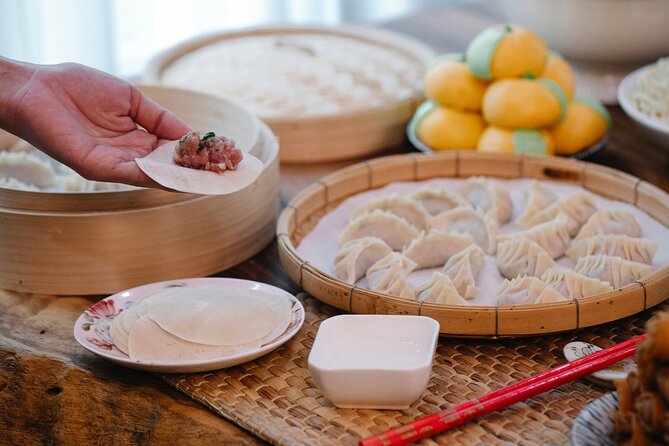
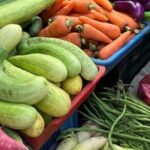
Most cooking classes jump straight to the cutting board. Here, you start with the ingredient story. After a tea/coffee welcome and staff intro, you choose three cuisines you’ll cook, then you head out with a guide to a local market to grab the ingredients you’ll use later.
That market walk is where the class becomes more than a meal. You’ll see how Nepali cooking is built around staples and spices, and you get practical context for why a dish tastes the way it does. It also helps you shop smarter later if you ever cook at home, because you can recognize common items and plan substitutions.
You’ll want to bring comfortable shoes and expect some walking. It’s not a long trek, but it is real movement. If you dislike crowded market areas, go in with patience and keep your shopping list simple: observe first, ask questions second.
You can also read our reviews of more tours and experiences in Kathmandu.
Meeting at Shepherd Holidays and Choosing Your Three Dishes
You’ll meet at Shepherd Holidays on Yapikhya Marg, Kathmandu 44600. The activity ends back at the meeting point, so you’re not left figuring out transportation on your own. The class is set up for up to 15 travelers, which usually keeps the energy friendly rather than chaotic.
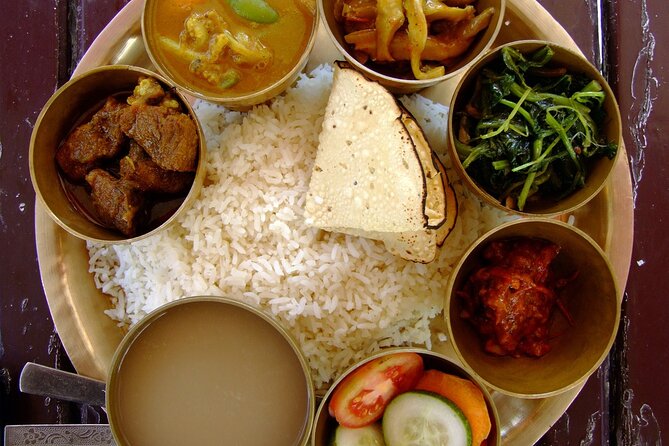
At the start, you’ll have tea/coffee, meet the instructor and helper, and choose any three items from the menu. This choice matters because Nepali cuisine has big flavor swings depending on what you pick. Dumpling-style dishes, noodle soups, and sweet treats all teach different techniques and use different ingredient blends.
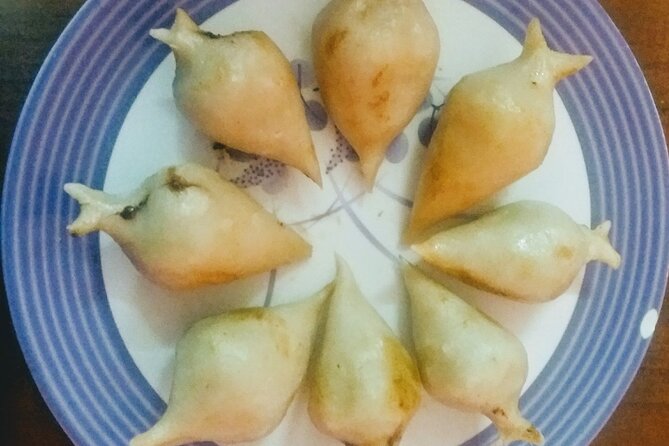
From past class days, popular picks include dishes like momos, thukpa, dal bhat, and yomari. If you love comfort food, you can lean toward hearty mains and soups. If you want a memorable snack, choose something dumpling or dessert-like so you leave with a skill you’ll actually want to repeat.
Session One: Tea Welcome, Staff Intro, and Ingredient Shopping
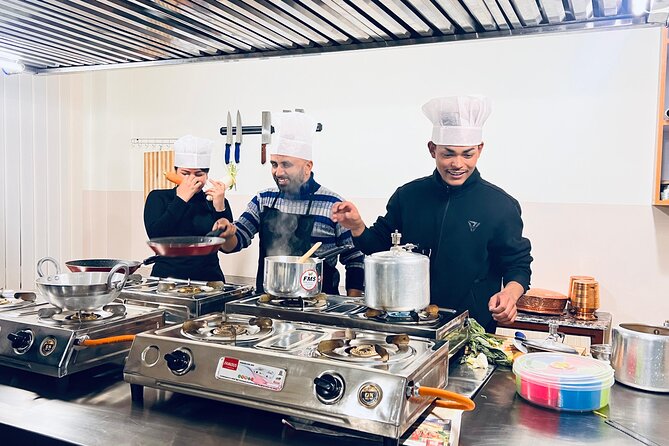
The first block is designed to get you oriented fast. You start with tea/coffee, then the staff explains how the class will run. You’ll also choose your three dishes from the menu, which sets the rest of your schedule.
Then comes the market visit with your guide for ingredients. This is a key part of the value. You’re not just tasting spices; you’re seeing where ingredients come from and how they fit together in the cooking process. If you’ve ever tried to recreate a recipe and thought, I don’t know where I went wrong, this is your chance to catch those details early.
Practical tip: plan to ask your guide how each chosen ingredient functions. Is it for heat, aroma, thickness, or balance? Even a few quick answers will make the later cooking steps feel logical instead of random.
Session Two: Cutting, Prep, and Chef-Led Cooking
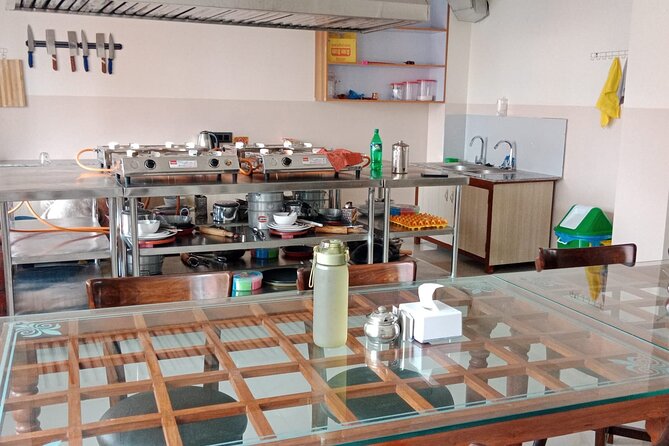
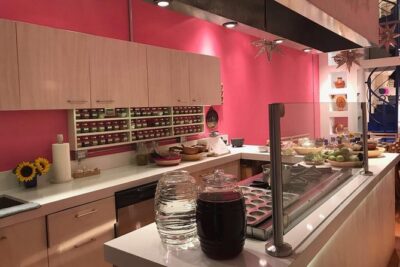
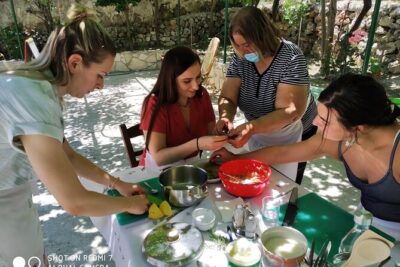
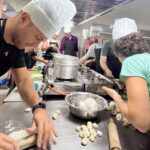
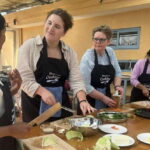
Once you’re back in the kitchen, you start the real work. This is when cutting and preparing your ingredients becomes the main activity. The class is structured so you’re doing enough to learn, not just standing around watching.
Cooking begins with the chef. Expect clear, practical instruction—when the chef explains steps in excellent English, you can follow along without guessing. You might also see names like Chef Vikram and Kamal mentioned by participants, which fits the overall idea: you’ll be guided by people who know the process and can talk you through it.
What you’ll learn during this phase isn’t only recipe steps. You’ll also pick up technique cues, like:
- how to prep ingredients so they cook evenly
- when to add elements for flavor and texture
- how to adjust for consistency while cooking
You’ll have some flexibility. One past participant noted the option to be hands on or hands off, which is important if you’re traveling solo, short on time, or just don’t want to overdo the chopping. If you prefer cooking but hate mess, ask early where you can help without getting too far into the thick of it.
Session Three: Serve and Taste Your Nepali Creations
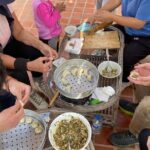
After the cooking finishes, you don’t rush out for a photo and a goodbye. You serve and savor the prepared cuisines. This part of the class is about connection with the food and the people, not performance.
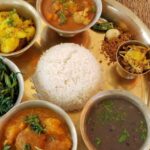
You’ll eat what you cooked, and that’s how you confirm what you learned. A momo wrapper texture tells you immediately if your dough technique worked. A bowl of thukpa tells you quickly whether the balance of seasoning and broth feels right. Dal bhat is a great check for comfort-food fundamentals like salt level and thickness. And yomari can give you a sweet finish that feels very Nepali, not just generic “dessert.”
This is also where you can ask questions with less pressure. When a dish is sitting in front of you, it’s easier to say, I think mine tastes a bit different—what should I adjust next time?
If you have dietary limits, you should flag them when booking. The class includes ingredients and equipment to prepare food, but the menu choices depend on what’s offered that day.

Tea Again Before You Leave: The Class Wrap-Up
Before departure, you get tea/coffee again and a farewell. That may sound small, but it’s part of the rhythm. You get time to reset after eating, collect your thoughts, and ask final questions.
One detail I appreciate: there’s clear staff care around getting you back. Private pickup and drop-off by vehicle is available for an extra charge, but the class ends back at the meeting point. In at least one case, a manager ensured a participant got back to their hotel. So even if you’re staying near Thamel and you can handle walking, it helps to know the team is paying attention to your return.
Price and Value: Is $24 a Fair Deal?
At $24 per person for about 3 hours, the value is strong because the price covers more than instruction. You’re not paying just for a recipe card. Your class includes:
- ingredients and all equipment to prepare food
- instructor and helper
- the food and drink prepared during class
- tea/coffee at the start and again before you leave
When you compare that to buying ingredients on your own, plus paying for a chef’s time, it becomes a reasonable deal—especially in a city where cooking classes can be pricey. The small-group setup (maximum 15 travelers) also matters. More attention from the chef usually means better learning and less time waiting for the next step.
The only things you should budget for separately are beverages beyond what’s included, and any optional private pickup/drop-off if you want it.
Logistics Near Thamel: Simple, Walkable, and Timed
This is designed to be easy while you’re based around Kathmandu’s Thamel area. You meet at Shepherd Holidays on Yapikhya Marg, and the experience ends back there. No long transfer is required in the standard setup.
A mobile ticket is used, which is convenient when you’re juggling bags and a tight itinerary. Since confirmation is received at booking time, you can plan ahead without last-minute phone calls.
Timing-wise, it’s roughly 3 hours. That makes it a great mid-day or early evening option when you don’t want to commit to a full half-day tour. You’ll also be busy enough that it doesn’t feel like dead time in between sightseeing.
Who Should Book This Cooking Class (and Who Should Skip It)
This class is a great fit if you:
- want a hands-on skill you can use later at home
- like learning through real steps—prep, cooking, then eating
- want to understand Nepali ingredients through a market visit
- prefer instruction in clear English
It may be less ideal if you:
- want a mostly lecture-based experience (this is a working kitchen format)
- are extremely sensitive to food handling or mess (you can still participate in a lighter way, but cooking is still involved)
- need a strict private schedule with door-to-door transport (pickup/drop-off is extra)
If you’re the type who likes to taste your way through Kathmandu but also wants to take something practical home, this hits the sweet spot.
Should You Book This Kathmandu Cooking Class?
Yes, if you’re after a real Nepali food experience that you can actually repeat later. The big reason to book is the combination of choice (you pick three dishes), learning (market + chef guidance), and payoff (you eat what you made). At $24 for a 3-hour class with ingredients, equipment, and the meal included, it’s good value.
I’d only hesitate if you hate market walks, want zero cooking involvement, or you don’t have flexibility for weather. The experience requires good weather, and if it’s canceled for poor weather, you’ll be offered a different date or a full refund.
If your goal is to eat Kathmandu food and also come home with a few reliable recipes, book it.
FAQ
How long is the cooking class?
The class runs for about 3 hours.
Where do I meet for the experience?
You meet at Shepherd Holidays, Yapikhya Marg, Kathmandu 44600, Nepal.
How many dishes do I cook?
You choose any three items from the menu to cook during the class.
Is there a market visit?
Yes. You’ll visit a local market with a guide to pick up ingredients before you start cooking.
What is included in the price?
Included are ingredients and all equipment, an instructor and helper, and the food and drink prepared during the class (including tea/coffee at the start and again before you leave).
Are beverages included?
Tea/coffee are included as part of the experience, but beverages are listed as not included.
Is pick-up and drop-off included?
Pick up and drop off by a private vehicle is available for an extra charge. The activity ends back at the meeting point.
How many people are in the group?
The group size is capped at a maximum of 15 travelers.
What happens if the weather is bad?
This experience requires good weather. If it’s canceled due to poor weather, you’ll be offered a different date or a full refund.
FAQ
Can I cancel for a full refund?
Yes. You can cancel up to 24 hours in advance of the experience start time for a full refund.
What if I cancel less than 24 hours before?
If you cancel less than 24 hours before the start time, the amount you paid is not refunded.
What happens if I need changes to my booking?
Changes made less than 24 hours before the experience’s start time are not accepted.
When do cut-off times apply?
Cut-off times are based on the experience’s local time in Kathmandu.