REVIEW · KATHMANDU
Kathmandu: Women-Led Nepali Cooking Class with Momo Making
Book on GetYourGuide →Operated by Relax Getaways Pvt. Ltd · Bookable on GetYourGuide
Dumplings teach faster than textbooks. In Kathmandu, this women-led Nepali cooking class pairs a market/shop tour with a hands-on kitchen session where you make classic comfort food like momo and dal bhat. It is built for people who want real skills, not just a quick meal.
I also really like the setup: the kitchen is clean and well organized, so you can focus on learning. The main drawback to consider is time and participation. Even in a small group, you might find you are watching more than you expected during parts of the process, especially if everyone picks up speed at different times.
In This Review
- Key Things That Make This Kathmandu Cooking Class Worth Your Time
- Why This Women-Led Momo and Dal Bhat Class Feels Practical
- The Start in Thamel: Quick Access, Separate Entrance, Real Time Cooking
- Market and Spice Shopping: How Local Ingredients Change the Dish
- Three Menu Sets: Pick Your Flavor Path
- Menu 1: Bara / Dal Bhat / Yomari
- Menu 2: Chatamari / Momo / Kheer
- Menu 3: Aloo Chop / Thukpa / Carrot Halwa
- In the Kitchen: What You Actually Learn During the Steps
- Masala Tea and Bara: The Built-In Snack Break That Adds Context
- Taste Your Work: Why the Tasting Part Is More Than Dessert
- Clean Kitchen, Helpful Chef, and How Much You Can Expect to Do
- Price and Value: How $8 Adds Up in Real Terms
- Who This Cooking Class Is Best For
- Quick Logistics: What to Bring and What to Expect
- Should You Book This Kathmandu Momo and Nepali Cooking Class?
- FAQ
- Where is the meeting point for the cooking class?
- How long is the Kathmandu cooking class?
- How much does it cost?
- What dishes do you cook?
- Is the class vegetarian-friendly?
- Do you visit a market during the class?
- What is included in the price?
- What language is the instruction in?
- Is there an age requirement?
- Is cancellation and payment flexible?
Key Things That Make This Kathmandu Cooking Class Worth Your Time
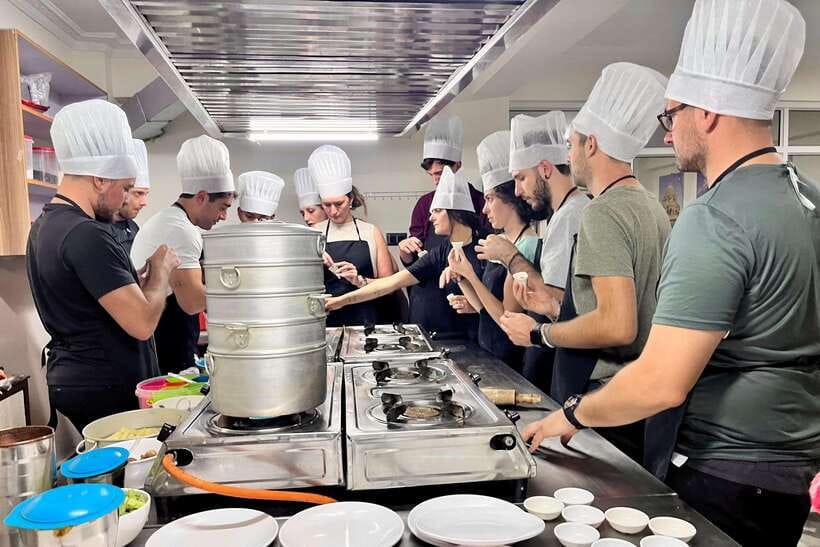
- Small group, up to 10 people, so you can actually hear the steps and ask questions in English
- Market/shop tour to pick vegetables, spices, and meat before you cook
- Hands-on menu choices across three sets, including momo and dal bhat options
- Masala tea + Bara included, so you start eating early, not after a long wait
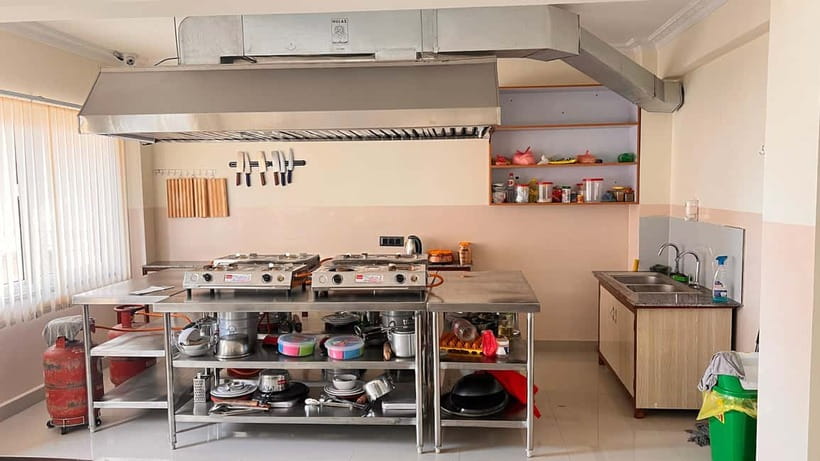
- Clean, organized kitchen that makes the cooking feel less stressful and more practical
- You can buy a recipe book on-site for 400 baht if you want to repeat dishes later
Why This Women-Led Momo and Dal Bhat Class Feels Practical
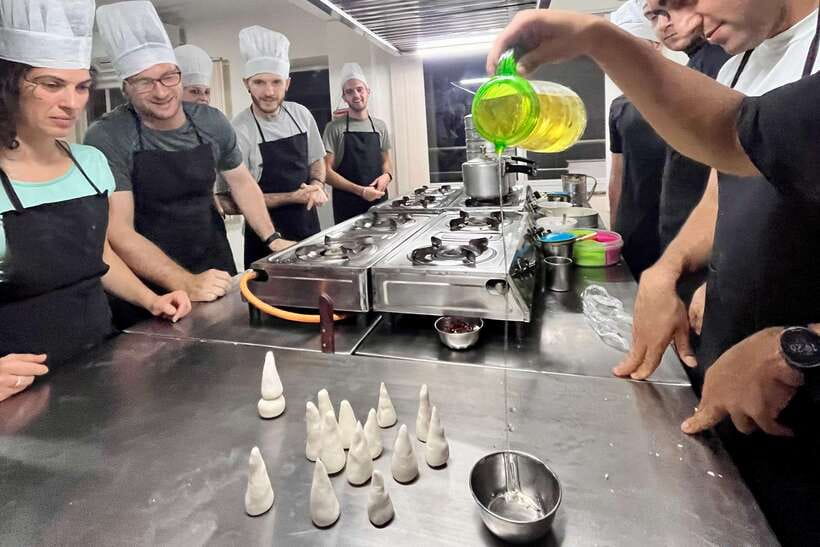
Kathmandu food classes often fall into two types: either you watch a chef do everything, or you pay for a chaotic “cook with us” moment. This one aims for the sweet spot in the middle. You get a short market run, then step-by-step cooking guidance in a kitchen that’s set up to work.
The women-led element matters here, not as a marketing label, but because the class structure reflects how Nepali home kitchens usually function: guided, practical, and focused on technique you can use again. The instructor teaches in English, and the class is limited to 10 participants, which helps you keep up.
Also, the menu is not just one dish. You will learn the logic behind several Nepali staples and related regional comfort foods. That is the real value: you leave understanding how flavors and textures get built, not just what goes into a single recipe.
You can also read our reviews of more tours and experiences in Kathmandu.
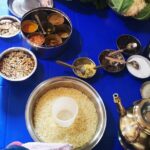
The Start in Thamel: Quick Access, Separate Entrance, Real Time Cooking
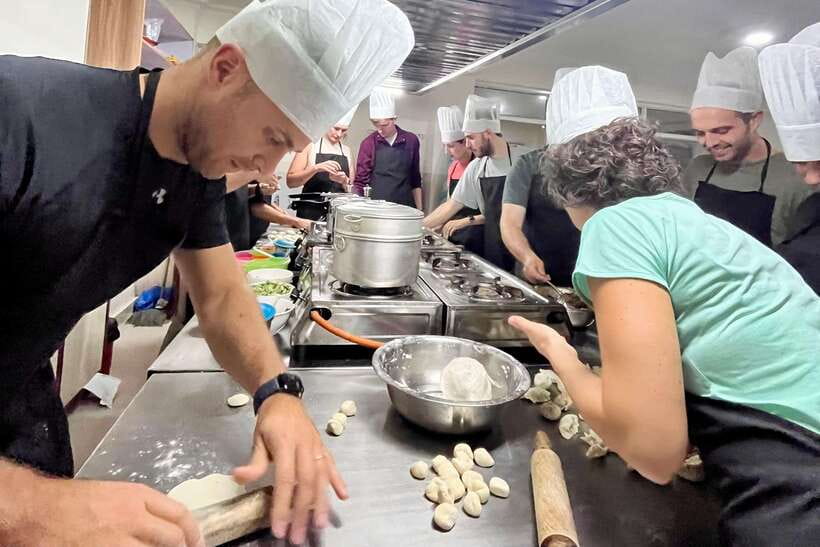
The workshop location is easy to reach from Thamel and other parts of Kathmandu Valley. The day typically begins back at the meeting point, so you are not stuck hunting for a second location later.
You also get a separate entrance, which sounds small but saves frustration when you have limited time in Kathmandu. The class runs about 2 to 3 hours, so it fits well on days when you want to do one main activity and still keep an eye on dinner plans.
Here is a key expectation-setting tip: because the group is small and the time is limited, you will likely rotate through tasks rather than doing every step solo. If you want maximum hands-on time, pick the menu set that features your favorite dishes, and jump in when you can.
Market and Spice Shopping: How Local Ingredients Change the Dish
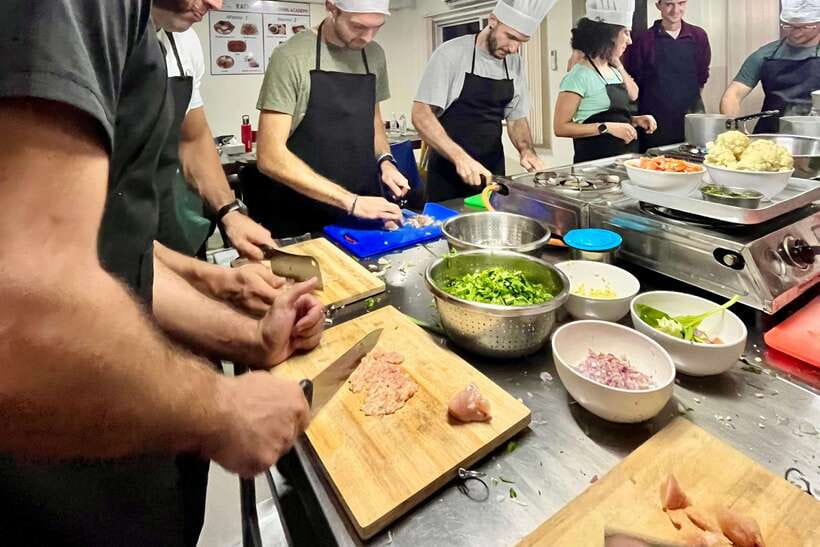
One of the best parts is the market/shop tour. You are not only there for photos. You are learning what to look for when you buy ingredients in Kathmandu—especially vegetables, spices, and meat (if you choose meat options).
That matters because Nepali food depends on balance. The right spice mix changes the whole dal and the depth of momo filling. Even if you are new to cooking, you can pick up simple decision-making rules, like which spices smell fresh, how vegetables look when they are ready, and what ingredients pair well with the fillings and sauces you will prepare later.
If you are the type who enjoys learning by doing, the market stop is where the lesson starts. If you are short on time, it is still worth it because you carry that understanding back into the kitchen steps.
Three Menu Sets: Pick Your Flavor Path
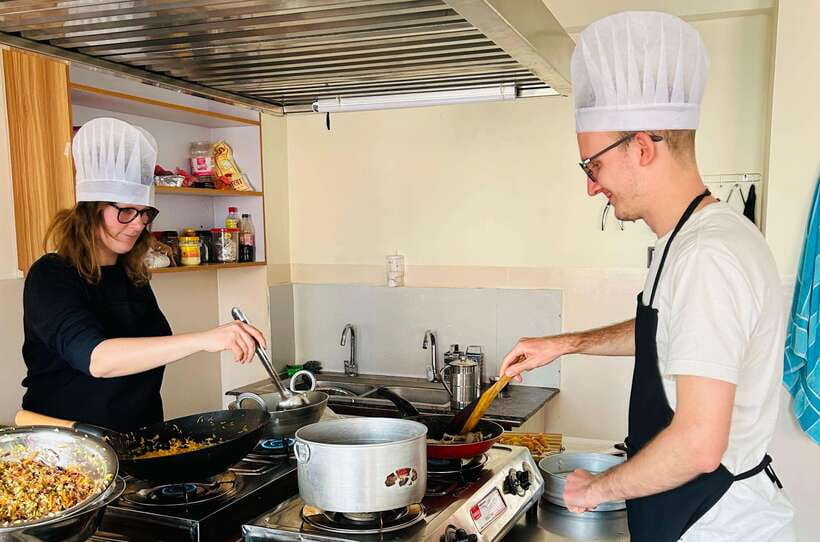
The class offers three menu sets, and you get to choose among them. This is good for value because it prevents the “same dish, different sauce” problem. Each set teaches a different set of skills and flavor profiles.
Menu 1: Bara / Dal Bhat / Yomari
- Bara: A traditional lentil pancake made from ground black gram batter with spices. Newari cuisine favorite, often served plain or with toppings.
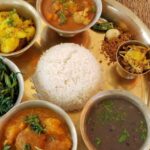
- Dal bhat: Steamed rice with lentil soup, usually served with curry, vegetables, and pickles. It is a staple across Nepal and nearby regions because it is both simple and satisfying.
- Yomari: A Newari sweet dumpling made with rice flour dough, filled with molasses and sesame seeds (sometimes coconut).
This menu is ideal if you want the most classic “Nepal at the table” experience: hearty rice-and-dal comfort plus sweet dumpling tradition.
Menu 2: Chatamari / Momo / Kheer
- Chatamari: A Newari rice flour crepe, often topped with egg, minced meat, vegetables, and spices. People sometimes call it the Nepali pizza style because it is flat and topping-forward.
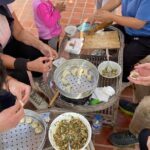
- Momo: Dumplings with thin dough and spiced fillings, offered with meat (like chicken, buff, or pork) or vegetables.
- Kheer: A creamy rice pudding simmered with milk, sugar, and cardamom, often finished with nuts and raisins.
If you want the highlight to be dumplings and you also like dessert, this set is a strong pick. It also gives you both savory dough skills and a sweet finishing skill.
Menu 3: Aloo Chop / Thukpa / Carrot Halwa
- Aloo chop: Deep-fried spiced potato snack, crisp outside and soft inside.
- Thukpa: A Tibetan-Nepali noodle soup with flavorful broth and vegetables or meat options.
- Carrot halwa: A slow-cooked sweet dessert made from grated carrots with milk, sugar, ghee, and cardamom, topped with nuts and raisins.
This menu is great if you prefer warm, filling food that feels like street-food comfort, but with a home-kitchen lesson attached.
In the Kitchen: What You Actually Learn During the Steps
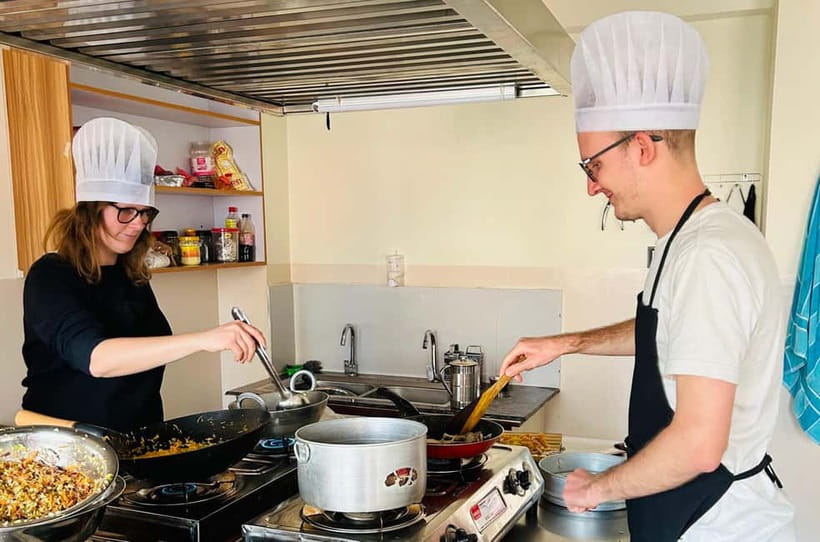
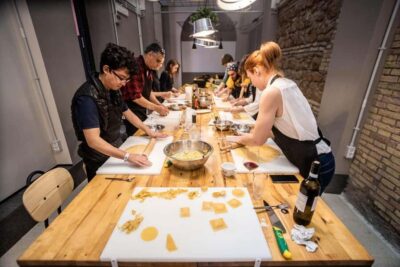
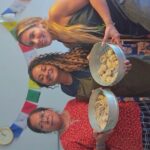
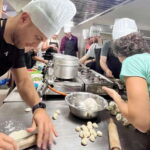
You will be welcomed into a modern Nepali kitchen that smells like spices from the moment you start. The class format is practical: the chef-instructor gives step-by-step instructions, you cook alongside them, and you learn what matters.
The cooking skills you can expect to practice include:
- Dough and filling basics for dumplings like momo
- Dal bhat technique, from building flavor in lentils to pairing it with rice and side elements
- Breading or shaping steps for items like Bara or potato-based snacks (depending on your menu)
- Sauce and seasoning balance, so the food tastes right rather than just “spicy”
Even if you are a beginner, this class helps because the teaching focuses on process. You are not just memorizing a recipe card. You learn why ingredients and timing matter.
Also, the kitchen tools and equipment are provided, so you do not need to bring anything except a willingness to get a little hands-on. The class is suitable for people aged 8+, which makes it a solid option for family groups that want something structured rather than a restaurant meal.
Masala Tea and Bara: The Built-In Snack Break That Adds Context
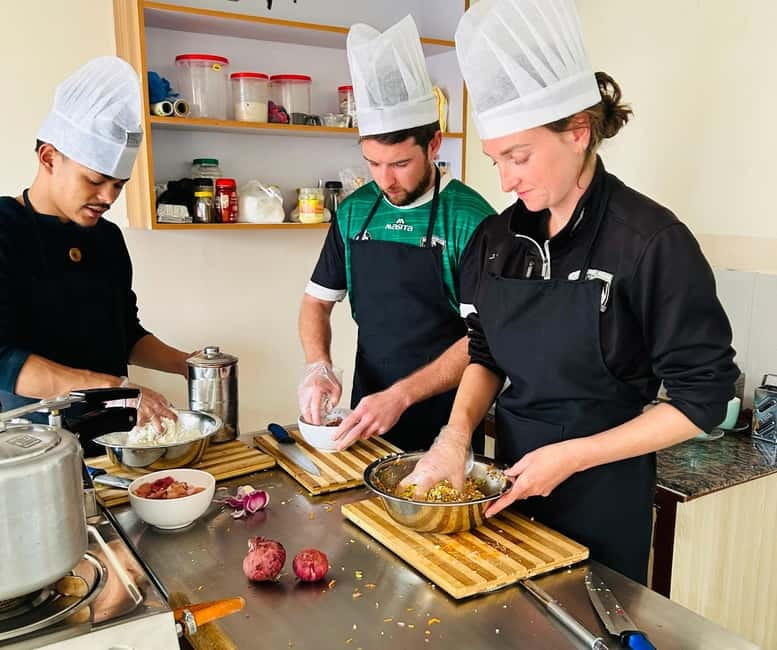
Nepali meals start with more than food. They start with rhythm. During the lesson, you get Nepali masala tea during the class, a black-tea drink blended with aromatic spices.
On top of that, you also have Bara, a deep-fried or pan-fried lentil specialty depending on how the class executes it. Either way, it is a great first taste because the texture tells you what the lentil batter should do.
This matters because you do not just learn dishes as separate items. You feel how the food fits into the larger Nepali eating style: warm tea, small snacks, then the main plates you helped cook.
Taste Your Work: Why the Tasting Part Is More Than Dessert
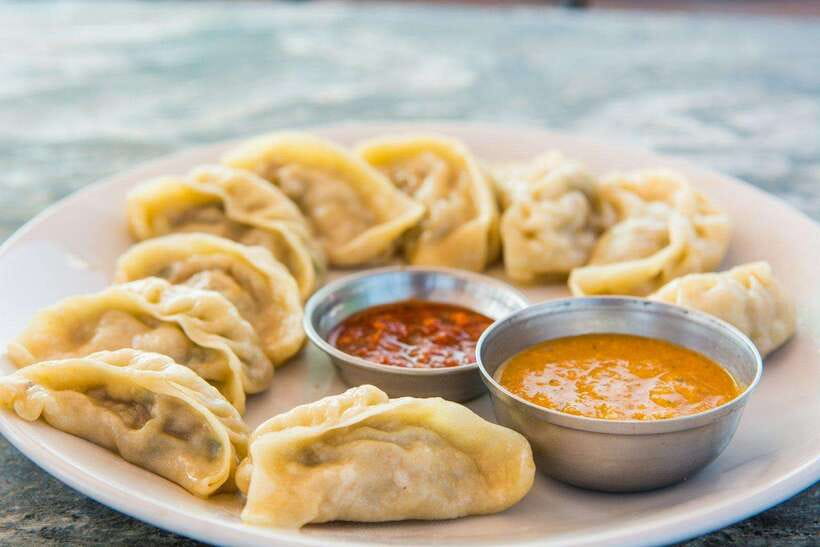
At the end, there is a tasting session of what you prepared. This is where the class clicks for most people. You see how the flavors come together once cooking is complete, and you get quick feedback from the instructor.
That last piece is important. Cooking errors are easier to spot while you are still in the lesson. You get a chance to understand the difference between:
- something that tastes flat (usually a seasoning or timing issue), and
- something that tastes balanced but not complex (usually a spice-management issue).
This class is also built to offer vegetarian and meat options, depending on your menu choice and what you want to cook.
Clean Kitchen, Helpful Chef, and How Much You Can Expect to Do
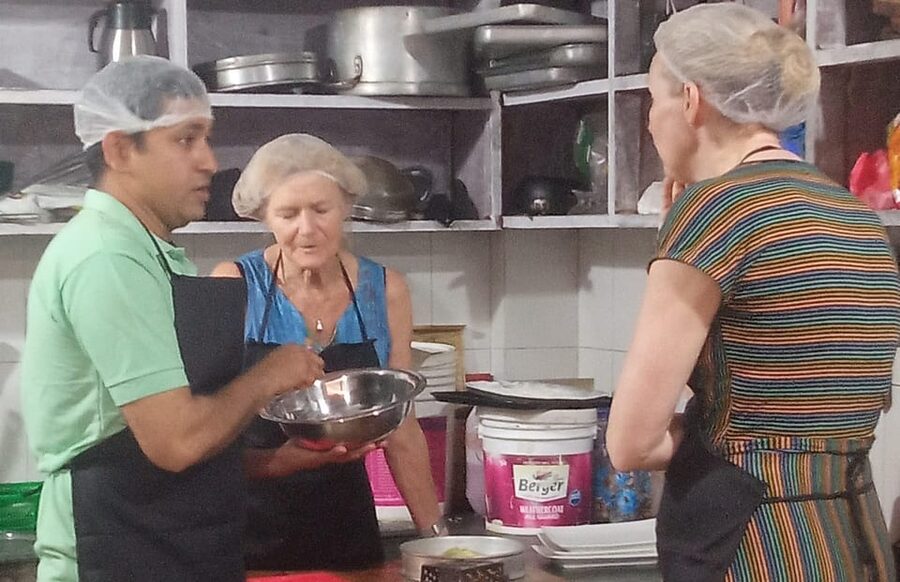
The vibe in the kitchen is a big reason this class scores well. The kitchen setup is clean and well organized, which makes it easier to move around and stay focused. The instructor is friendly and gives good cooking advice during the process.
One note to plan for: because you are in a small group and the menu includes multiple dishes, not every participant will get equal time on every single step. If you want maximum time at the stove for your hands-on “I made this” bragging rights, go in ready to participate whenever the chef calls for help.
A small extra perk: you can often buy a recipe book for 400 baht if you want something to recreate the dishes later without relying on memory.
Price and Value: How $8 Adds Up in Real Terms
At $8 per person for a 2–3 hour session, you are not paying only for a meal. You are paying for:
- a chef-instructor and step-by-step guidance
- a market/shop ingredient walk
- cooking equipment and accessories
- masala tea during class
- tastings of the food you make
- menu flexibility across three different dish sets
Restaurant meals in Kathmandu can be satisfying, but you usually pay for eating, not skill-building. Here, you get a structured activity that ends with you eating your own food. That is a different kind of value, especially if you want to take home something useful.
Who This Cooking Class Is Best For
This is a great fit if you:
- want a Kathmandu activity that is not just sightseeing
- like structured hands-on learning
- eat vegetarian some days and want a class that can include meat or plant-based choices
- want dumpling skills for travel-friendly cooking later
It is also a good choice for families with kids 8+, since the class is age-appropriate and guided.
If you are the kind of cook who wants total control—every step, every time—this might feel a bit like a shared classroom. But if you want to learn technique without getting overwhelmed, it is a strong option.
Quick Logistics: What to Bring and What to Expect
The class is listed as English-instructor and small group (up to 10). You start and finish at the same meeting point area, and you are picked up by the workshop process rather than wandering on your own.
What is not included:
- specialty or alcoholic drinks
- professional photo/video coverage (available for an additional fee)
If you care about food photos, bring your own camera. If you want pro shots, ask about the extra service ahead of time so you know what you are paying for.
Should You Book This Kathmandu Momo and Nepali Cooking Class?
Book it if you want Kathmandu food knowledge that lasts. The mix of market shopping, clean kitchen teaching, and a menu that includes momo and other big Nepal comfort foods makes it a practical “do and eat” experience. At $8, it is especially hard to beat for what you get.
Skip or reconsider if you want a very long, totally hands-on cooking session where you personally cook every component end-to-end. With a limited time window and a multi-dish menu, the class is designed for guided participation, not solitary mastery.
If your goal is to leave Kathmandu able to cook at least one Nepali dish with confidence, this class is a smart use of a half-day.
FAQ
Where is the meeting point for the cooking class?
The workshop location is easily accessible from Thamel and the Kathmandu Valley, and the activity ends back at the meeting point.
How long is the Kathmandu cooking class?
The class duration is about 2 to 3 hours. Starting times depend on availability.
How much does it cost?
The price is $8 per person.
What dishes do you cook?
You choose from three menu sets. Options include Bara, Dal Bhat, Yomari, Chatamari, Momo, Kheer, Aloo Chop, Thukpa, and Carrot Halwa.
Is the class vegetarian-friendly?
You can choose vegetarian or meat options to match the menu and your preferences.
Do you visit a market during the class?
Yes. The class includes a market/shop tour to buy important ingredients for cooking.
What is included in the price?
Included are the cooking class with step-by-step instructions from a local chef, market/shop tour, hands-on cooking experience, use of cooking equipment, tastings, and Nepali masala tea.
What language is the instruction in?
The instructor teaches in English.
Is there an age requirement?
This workshop is suitable for people aged above 8 years.
Is cancellation and payment flexible?
You can cancel up to 24 hours in advance for a full refund, and you can reserve now and pay later.